highlike

BASICODE – Histerese – Brazil

HISTERESE

BASICODE


FILE SÃO PAULO 2026: Inter-creativity – Art and Technology – LED SHOW
Electronic Language International Festival


Histerese – Brazil

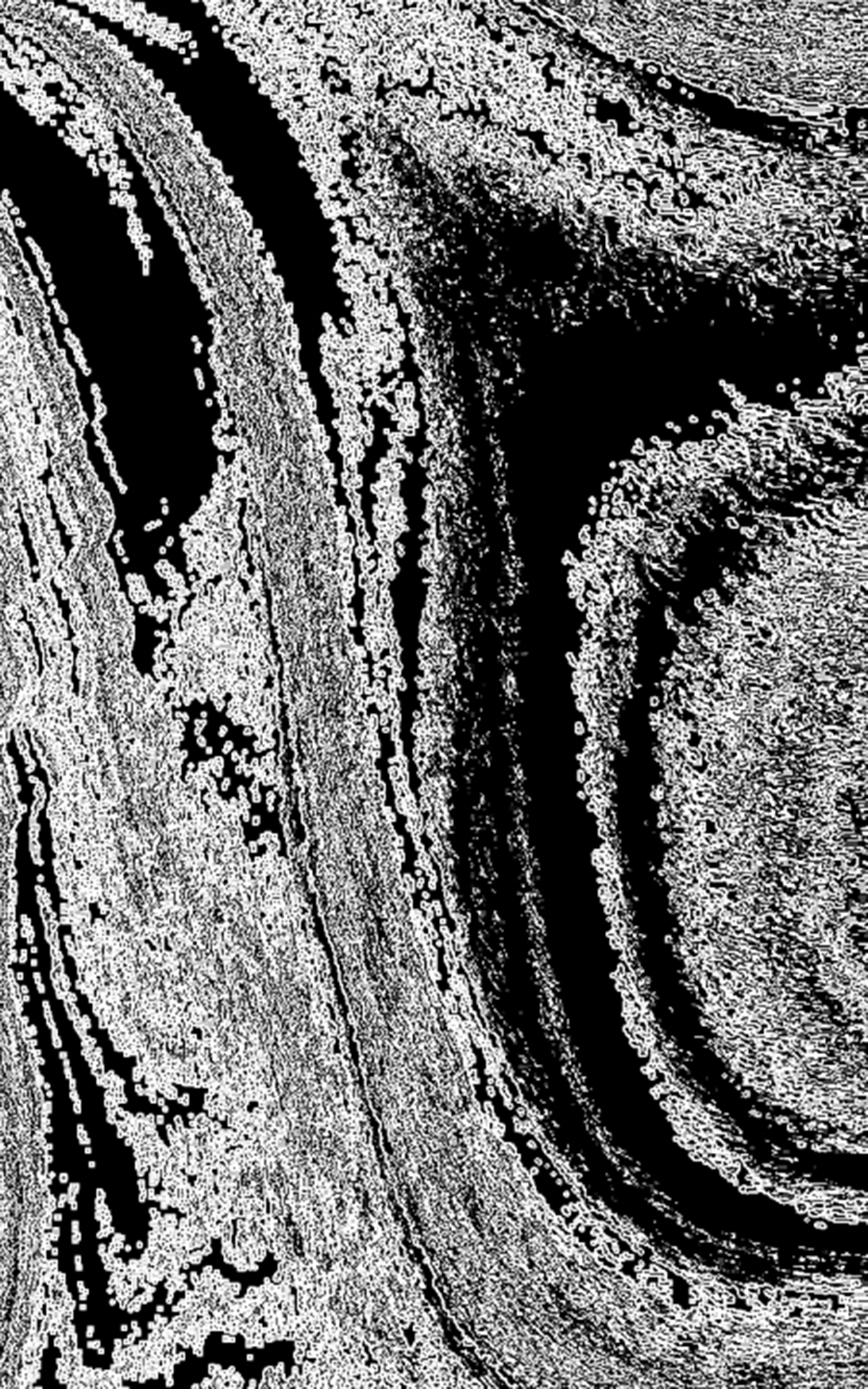
Histerese is a generative video in which a vector map controls the displacement of pixels in an image. Through a feedback loop, the movements accumulate in the system; the image becomes an accumulation of drifts, an overlay of memory itself in motion.

The work invites thinking about advective processes as movements that carry information: vectors of influence that displace ideas and shape the information flows through which contemporary culture itself operates.

BIO

BASICODE is an experimental research and creation project in art and technology. It operates in the expanded field of audiovisuals, dedicating itself to the study and production of real-time audiovisual performances. Starting in 2018 as an academic research project at the State University of Paraná, the project explores the fields of expanded audiovisual, visual music, and intermedia.
Cho Juyoun – Unfaded – South Korea

UNFADED

Cho Juyoun


FILE SÃO PAULO 2026: Inter-creativity – Art and Technology – VIDEO ART SHORT
Electronic Language International Festival


Unfaded – South Korea

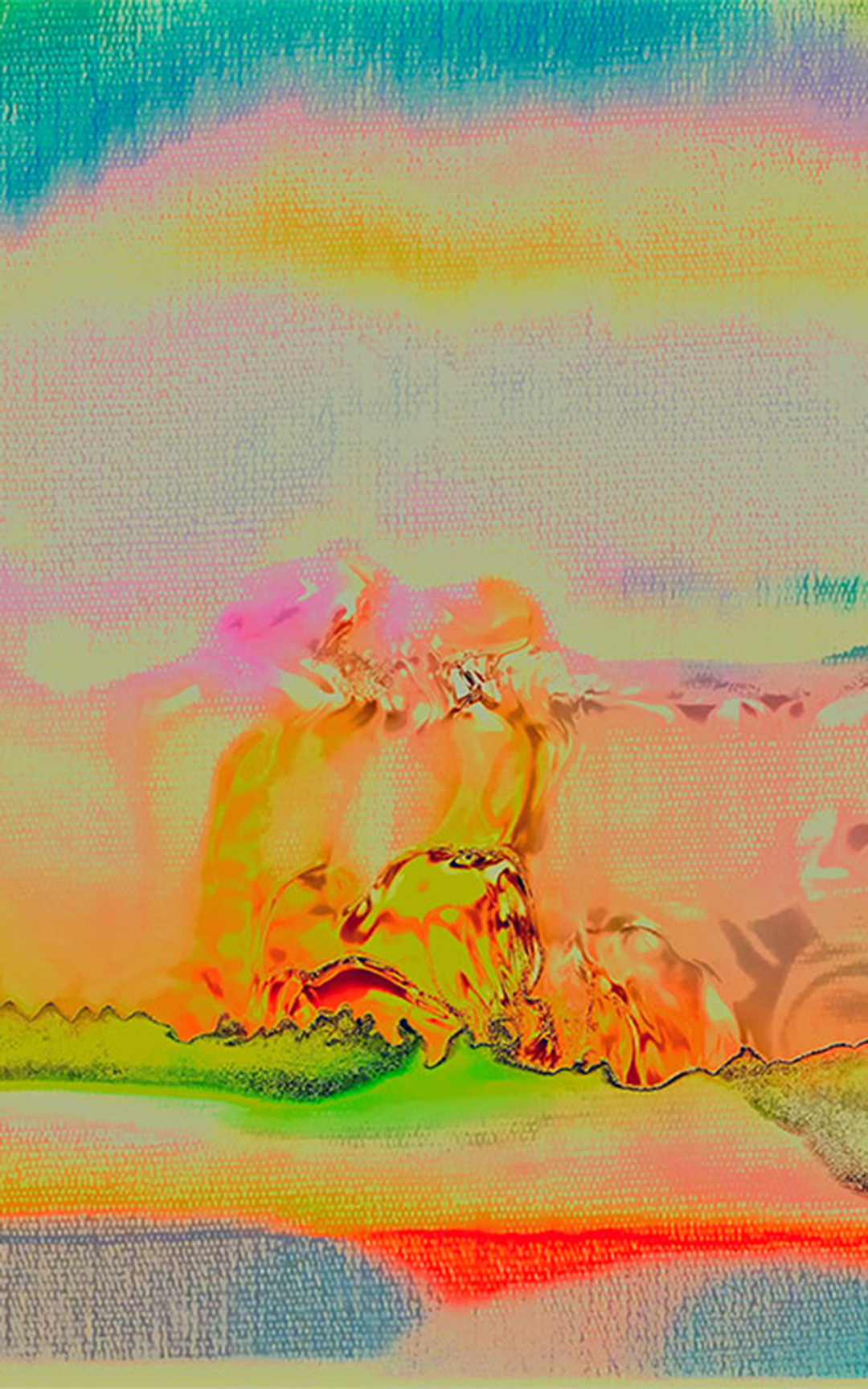
We carry memories that flow and expand like contour lines, forming emotional landscapes of warmth and coldness. Not only people, but objects, history, and even ancient trees hold these flowing memories. Every experience, whether joyful or painful, accumulates like layers of sediment, eventually hardening into rock and drawing unique ridges. The artist wishes to speak to all beings that gather and transform these memories into shape—especially to you, a small yet precious existence, still flowing and growing.

BIO

Born in Seoul (1982), she debuted in 2008. Her early works explored loss and isolation through canvas deconstruction. Since 2019, she has integrated digital animation, culminating in her Borderline series (2023–), which examines the intersection of painterly depth and digital immateriality. Her current practice spans media art and animation, reflecting a focus on cross-genre experimentation.

mole^3 – Changes, Cycles, and Emergent Shapes – Japan

CHANGES, CYCLES, AND EMERGENT SHAPES

mole^3


FILE SÃO PAULO 2026: Inter-creativity – Art and Technology – Randomic Dimension
Electronic Language International Festival


Changes, Cycles, and Emergent Shapes – Japan

Generated from the same system, these sequences explore the space between images through cycles of four visual states. Instead of depicting each moment, the work accumulates traces, allowing forms to emerge as trajectories of transformation. The image is not fixed, but formed through overlapping states, where unexpected shapes emerge. What appears before your eyes is not simply present, but an illusion emerging from accumulated transformations.

Kaoru Tanaka – Reborn – Japan

REBORN

Kaoru Tanaka


FILE SÃO PAULO 2026: Inter-creativity – Art and Technology – Randomic Dimension
Electronic Language International Festival


Reborn – Japan

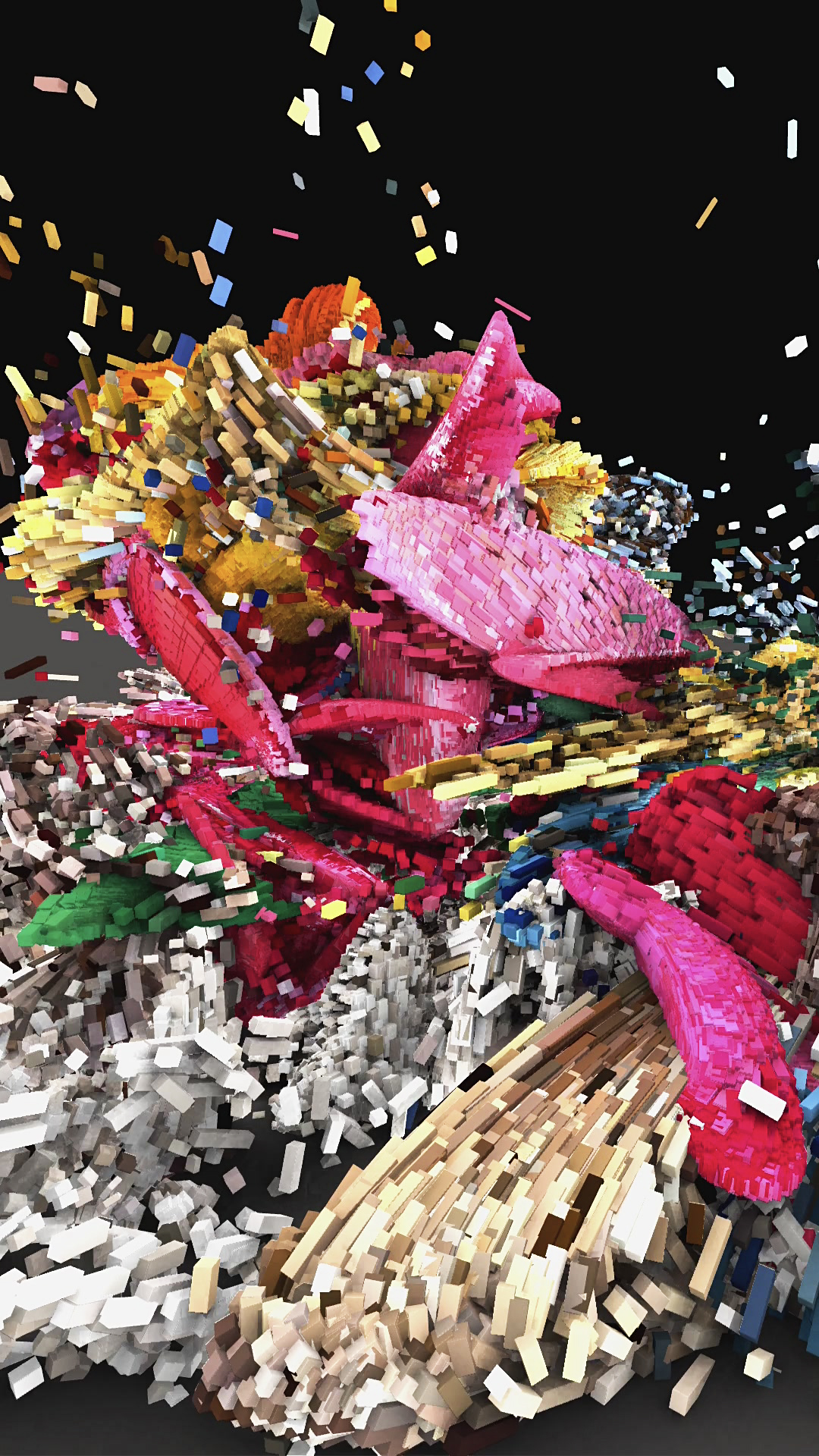
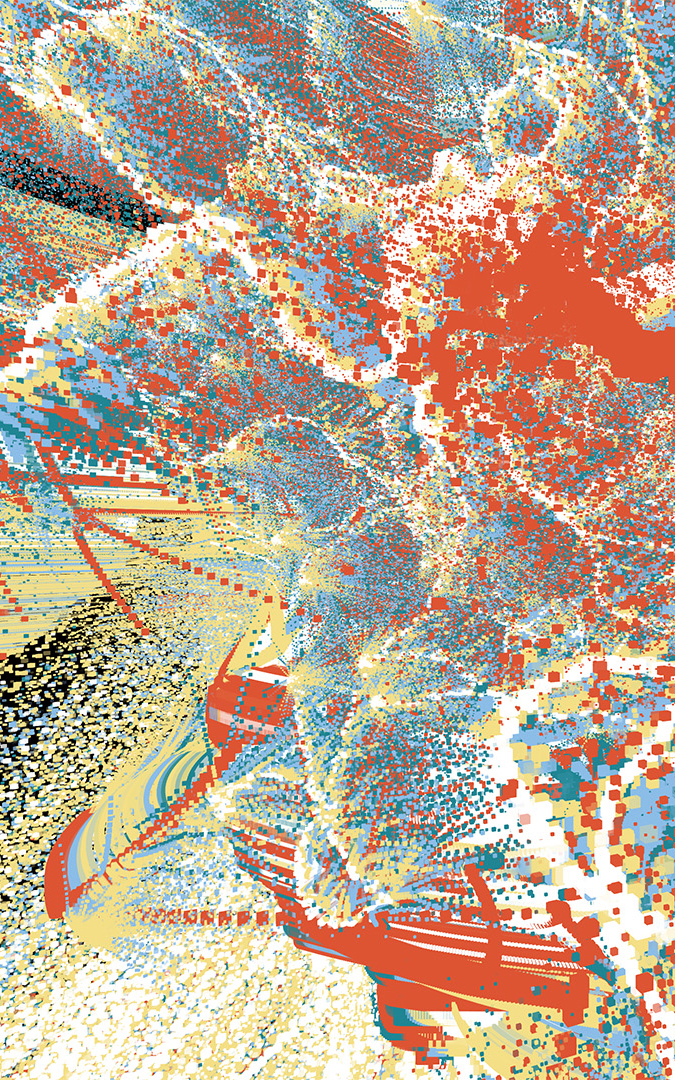
Reborn is a generative artwork created from real point cloud data. The piece depicts a playground slide, a symbolic fragment of childhood memory, continuously deconstructing and reconstructing itself in space. Fragments scatter, collapse, and reconnect over time, reflecting the unstable nature of memory and how experiences are constantly reinterpreted and given new meaning. Through transforming accumulated data into shifting structures, the work explores remembrance, perception, and reconstruction.

BIO

Kaoru Tanaka is a Japanese generative artist who creates real-time digital artworks and installations using computational processes. Inspired by nature, memory, dreams, and perception, her works explore transformation through particles, light, and evolving structures. Her works have been exhibited internationally in museums, public spaces, and digital art festivals.

Casey Reas – MicroImage – United States

MICROIMAGE

Casey Reas


FILE SÃO PAULO 2026: Inter-creativity – Art and Technology – Randomic Dimension
Electronic Language International Festival


MicroImage – United States

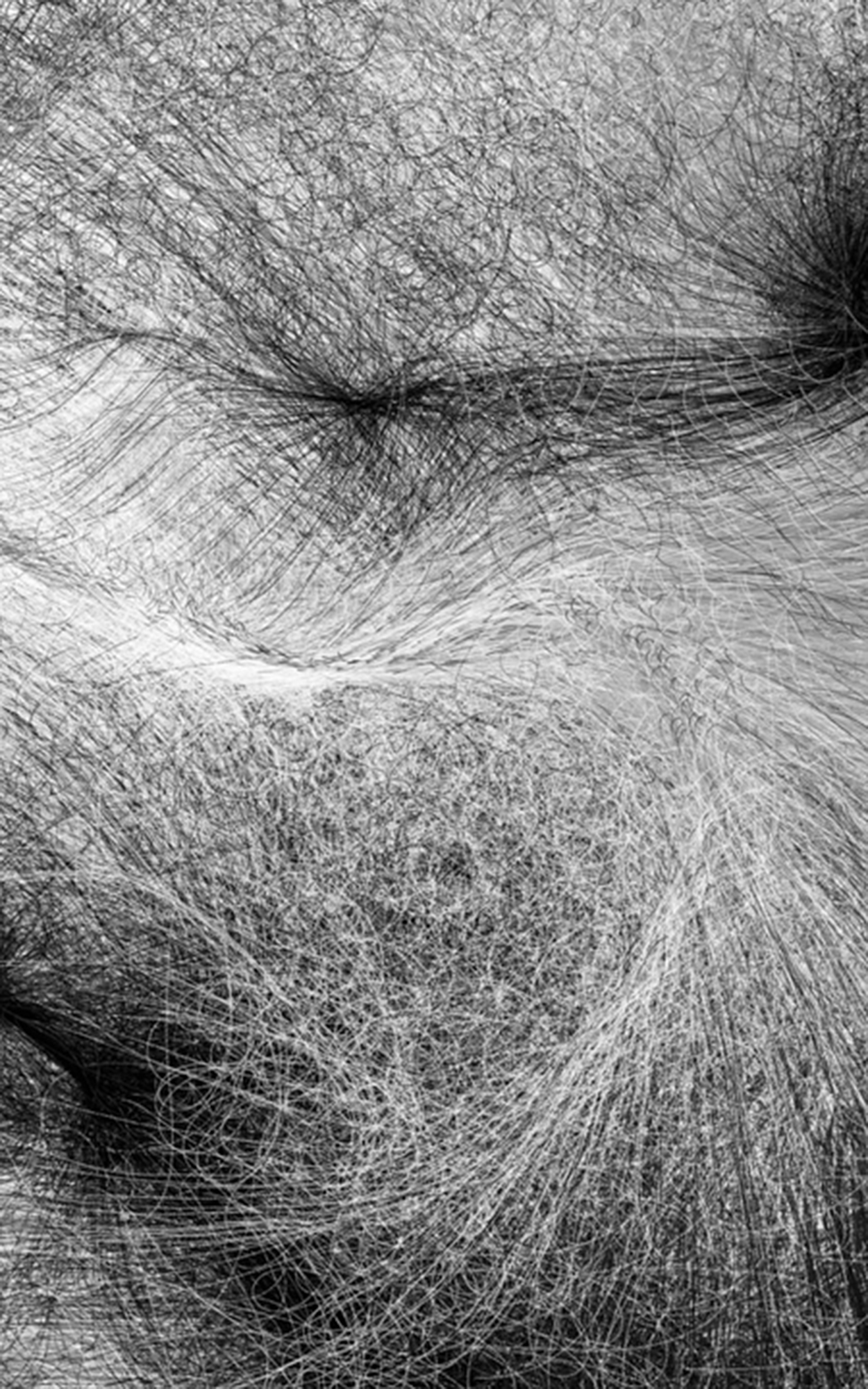
The MicroImage (2003–2008) software consists of machines interacting in real time to create ever-changing surfaces, scaling the system until the surface becomes a dense field. As thousands of lines accumulate, new formations emerge: clusters, swarms, and textures that oscillate between microscopic and cosmic registers. The resulting images suggest natural systems without representing them directly—visualizations of behavior rather than depictions of form.

THATGAMECOMPANY

Flower
File Festival


The game exploits the tension between urban bustle and natural serenity. Players accumulate flower petals as the onscreen world swings between the pastoral and the chaotic. Like in the real world, everything you pick up causes the environment to change.

yoshio kubo

“DIFFERENT DIMENSION”

“Various winds are accumulated, pulled out, fluttered, rotated … Repeated over and over again. The invisible wind has the same expression for one second. Isn’t it possible to “see” with a dress that can’t be seen? It is a challenge to design your own style through dress making. ” yoshio kubo

Ei Wada

Toki Ori Ori Nasu – Falling Records

FILE FESTIVAL


In this work, open reel tape recorders are placed on top of high pedestals and, as they play back, the magnetic tape unspools down into plastic receptacle below. The tape that accumulates in the container piles up as time passes, weaving an unusual pattern in the space. When the tape stops accumulating it is wound back up at high speed to a symphonic soundtrack. The pattern that had existed until then is extinguished and a new pattern is then woven.

ANDY LOMAS

Morphogenetic Creations
Created by a mathematician, digital artist and Emmy award winning supervisor of computer generated effects – Andy Lomas, Morphogenetic Creations is a collection of works that explore the nature of complex forms that can be produced by digital simulation of growth systems. These pieces start with a simple initial form which is incrementally developed over time by adding iterative layers of complexity to the structure.The aim is to create structures emergently: exploring generic similarities between many different forms in nature rather than recreating any particular organism. In the process he is exploring universal archetypal forms that can come from growth processes rather than top-down externally engineered design.Programmed using C++ with CUDA, the series use a system of growth by deposition: small particles of matter are repeatedly deposited onto a growing structure to build incrementally over time. Rules are used to determine how new particles are created, and how they move before being deposited. Small changes to these rules can have dramatic effects on the final structure, in effect changing the environment in which the form is grown. To create these works, Andy uses the GPU as a compute device rather than as a display device. All the data is held in memory on the GPU and various kernel functions are called to do things like apply forces to the cells, make cells split, and to render the cells using ray-tracing. The simulations and rendering for each of the different animated structures within this piece take about 12 hours to run, Andy explains. By the end of the simulations there are over 50,000,000 cells in each structure.The Cellular Forms use a more biological model, representing a simplified system of cellular growth. Structures are created out of interconnected cells, with rules for the forces between cells, as well as rules for how cells accumulate internal nutrients. When the nutrient level in a cell exceeds a given threshold the cell splits into two, with both the parent and daughter cells reconnecting to their immediate neighbours. Many different complex organic structures are seen to arise from subtle variations on these rules, creating forms with strong reminiscences of plants, corals, internal organs and micro-organisms.

PHILIP BEESLEY

菲力浦 畢斯雷

Hylozoic Ground

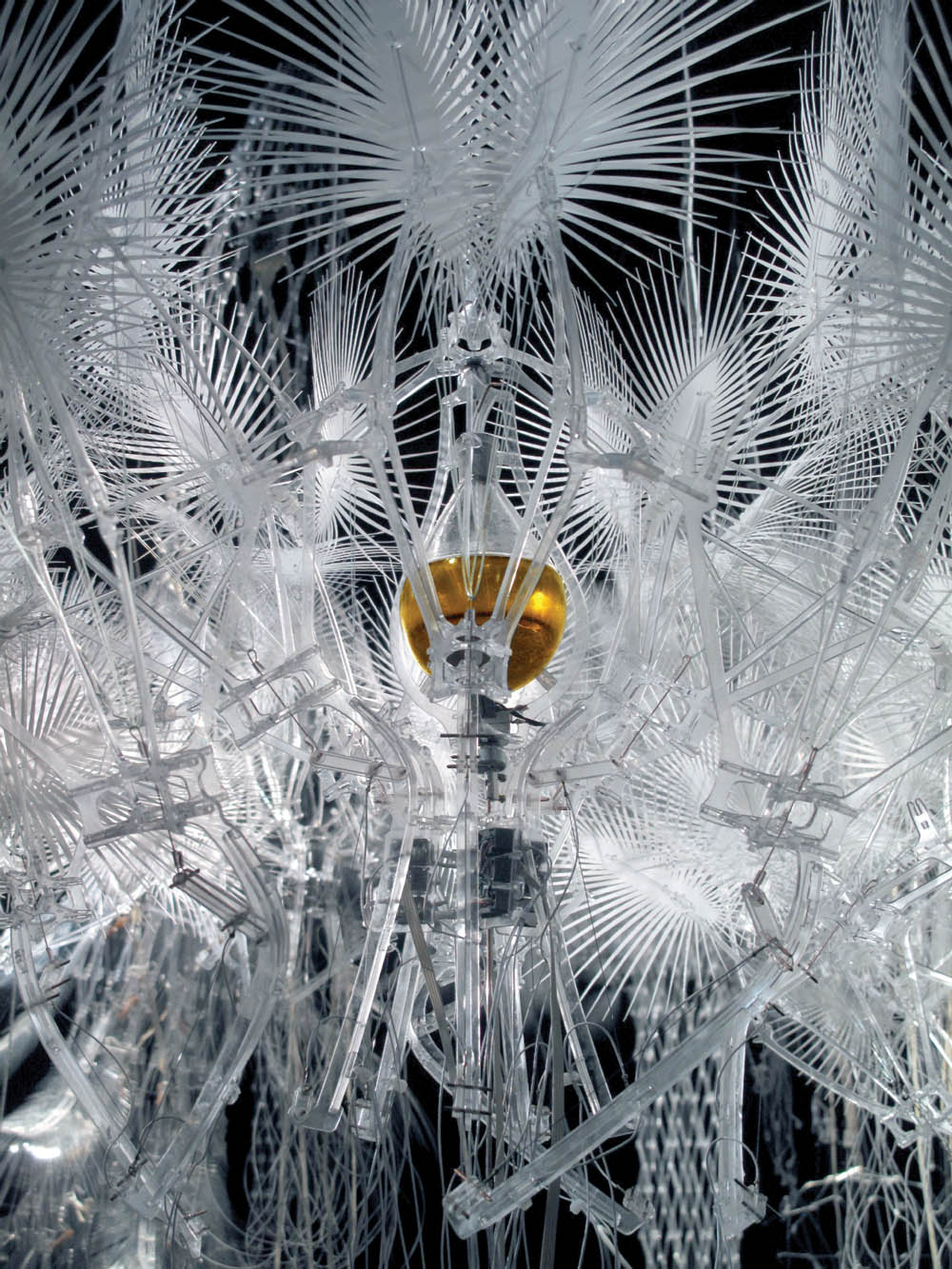
The project’s title refers to ‘hylozoism’, the ancient belief that all matter has life. Hylozoic Ground offers a vision for a new generation of responsive architecture. The Hylozoic Ground environment can be described as a suspended geotextile that gradually accumulates hybrid soil from ingredients drawn from its surroundings. Akin to the functions of a living system, embedded machine intelligence allows human interaction to trigger breathing, caressing, and swallowing motions and hybrid metabolic exchanges. These empathic motions ripple out from hives of kinetic valves and pores in peristaltic waves, creating a diffuse pumping that pulls air, moisture and stray organic matter through the filtering Hylozoic membranes.

Jun Kamei

Amphibio
AMPHIBIO is made out of a special porous hydrophobic material which supports underwater breathing by replenishing oxygen from the surrounding water and dissipating carbon dioxide which accumulate in the system, inspired from the gill of water diving insects. The material can be shaped in complex form using 3D printing. Patent pending.

Christine Kim and Marcin Kedzior

Paper Orbs
Paper Orbs begins the night as a massive origami sculpture which dissolves into thousands of paper helmets worn by visitors as they parade down University Avenue. As both a lantern and a center of gravity, the paper float pulls visitors in and encourages them to return throughout the night to experience the dissolution of the paper sculpture. The accumulated paper helmets disperse into scattered constellations that float along the street. The helmets also resonate with notions of patterned order and militaristic armour.

DAVID BOWEN

Fly Tweet
This device sends twitter messages based on the activities of a collection of houseflies. The flies live inside an acrylic sphere along with a computer keyboard. As the flies move and interact inside their home, they fly over the keys on the keyboard. These movements are collected in real-time via video. When a particular key is triggered by the flies, the key’s corresponding character is entered into a twitter text box. When 140 characters are reached or the flies trigger the “enter” key, the message containing the accumulated characters is tweeted.