JASON FREENY
Bot Girl
Bot Girl


Alex Pachón
FILE SÃO PAULO 2026: Inter-creativity – Art and Technology – LED SHOW
Electronic Language International Festival
Corpo Expandido – Spain
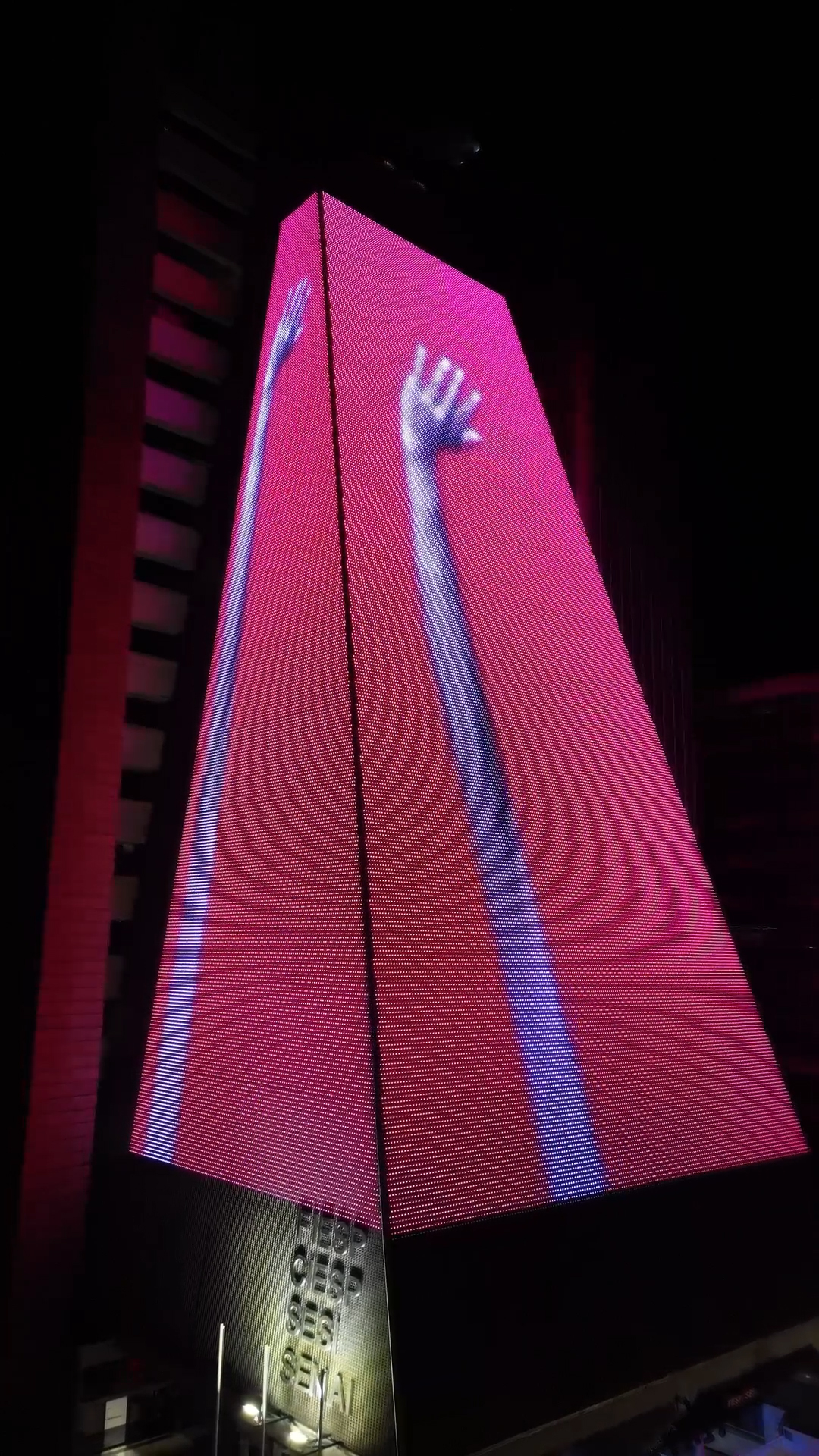
Corpo Expandido is the result of research on body and movement in public spaces and unconventional territories, on a large scale. The work questions whether what is seen is a human body or a creature linked to the subconscious and science fiction. After filming, glitch and datamosh techniques were explored. The theory of expanded bodies addresses projected virtual bodies, free in the time and space of technology, expanding choreographic possibilities and collective memory.
BIO
Alex Pachón works in creation, research and teaching, with work in visual effects and animation as a digital artist and art director at the on.graphics studio. He has presented works in 45 countries and more than 200 festivals. His research focuses on expanded cinema, the body-camera-territory relationship and the intersection between narrative, new media, technology and live arts.
Patrick Grandi
FILE SÃO PAULO 2026: Inter-creativity – Art and Technology – LED SHOW
Electronic Language International Festival
Circularité – Brazil / France
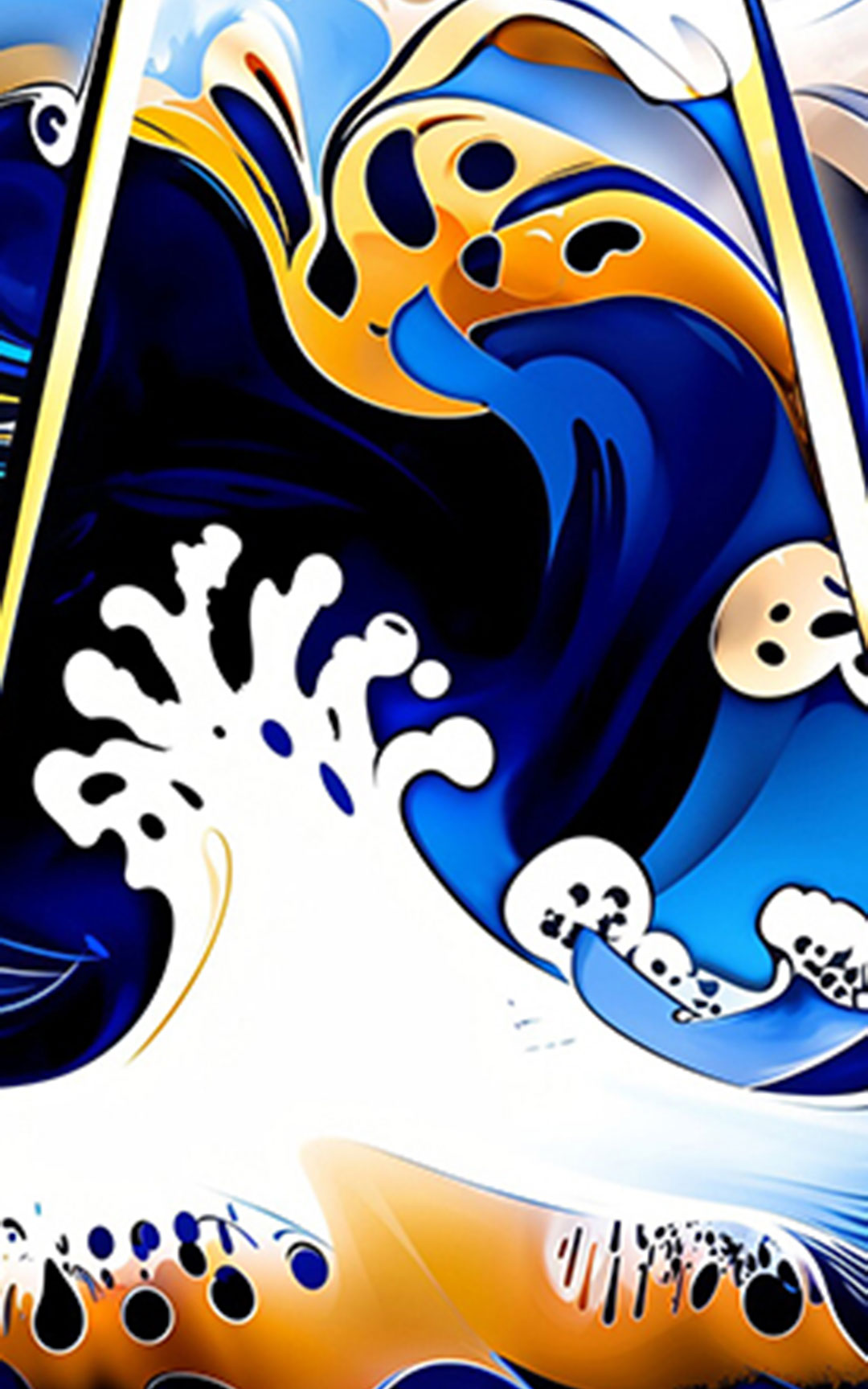
Circularité is a flow. Kirigami LED shapes rotate and intertwine on the FIESP facade, like a painting that never dries. A permanent cycle between structure and chaos.
BIO
Born in São Paulo in 1978, Patrick spent almost 15 years working in advertising as a freelance 3D artist. He created his first projection mapping in 2015 and, since then, has produced dozens of mappings in France, as part of the Video Mapping Festival in Lille, China (Shining Lights), Japan, Guatemala (Festival de la Luz), Belgium (Bright Festival).
Alfonso Pretelt
FILE SÃO PAULO 2026: Inter-creativity – Art and Technology – MUSIC
Electronic Language International Festival
LUX OSCILLANS – Colombia
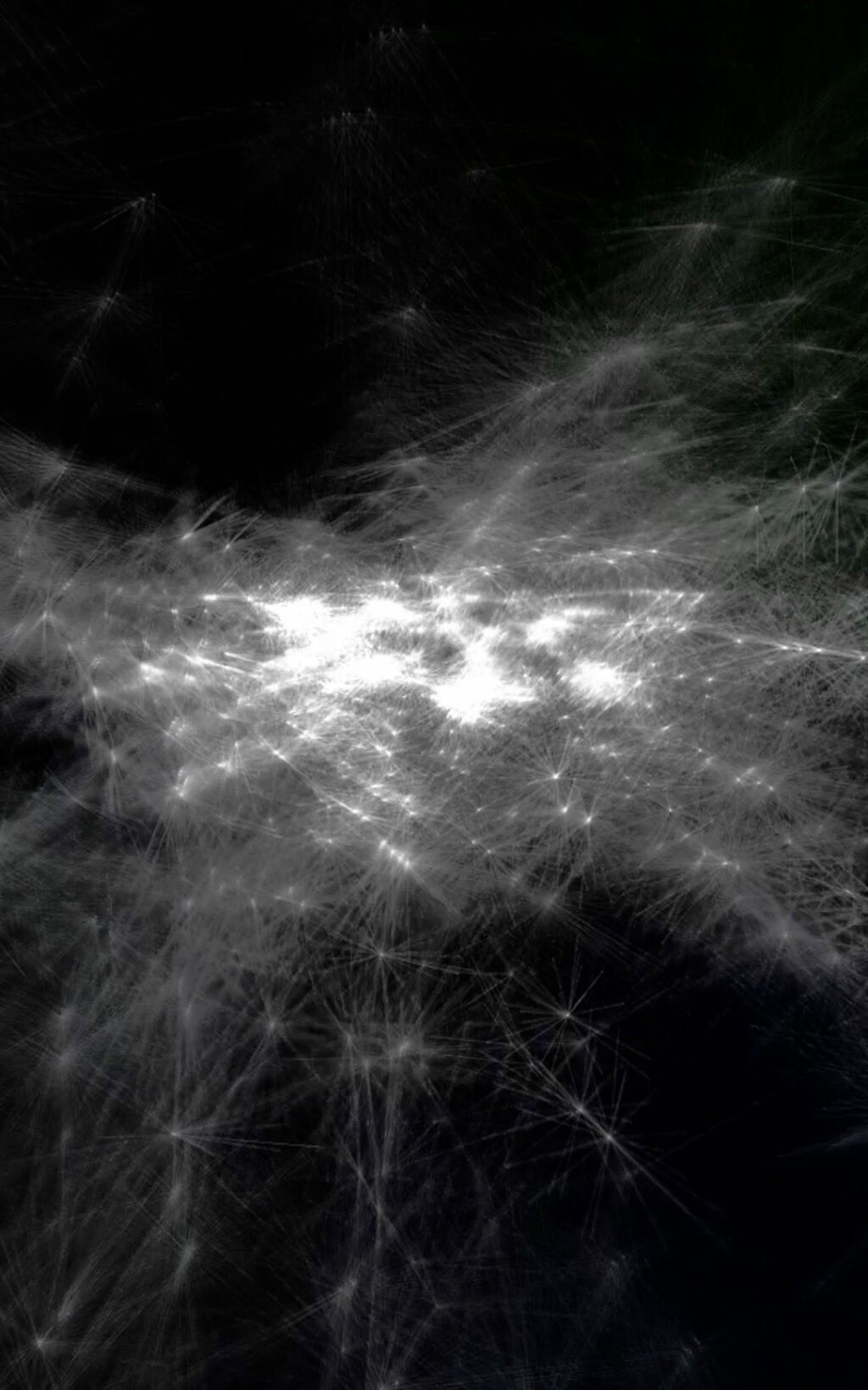
It is an audiovisual suite in four movements where sound, analyzed in real time, governs the light emission of an anisotropic field: grain, halo, matter and radiance are organized and dialogue, composing generative systems of a poetic physics.
Audio generated using SuperCollider, free software.
Moving image generated using C++ and JavaScript.
BIO
Poet, interdisciplinary artist, composer, and psychologist. Alfonso questions the interface and the cyborg’s stance in its contemporary condition, transforming techno-spiritual and techno-emotional contexts in interaction with the machine. He conceives of sound as an entity, a material to be sculpted like stone.
Tassio Caetano
FILE SÃO PAULO 2026: Inter-creativity – Art and Technology – VIDEO ART SHORT
Electronic Language International Festival
Linha Tênue – Brazil
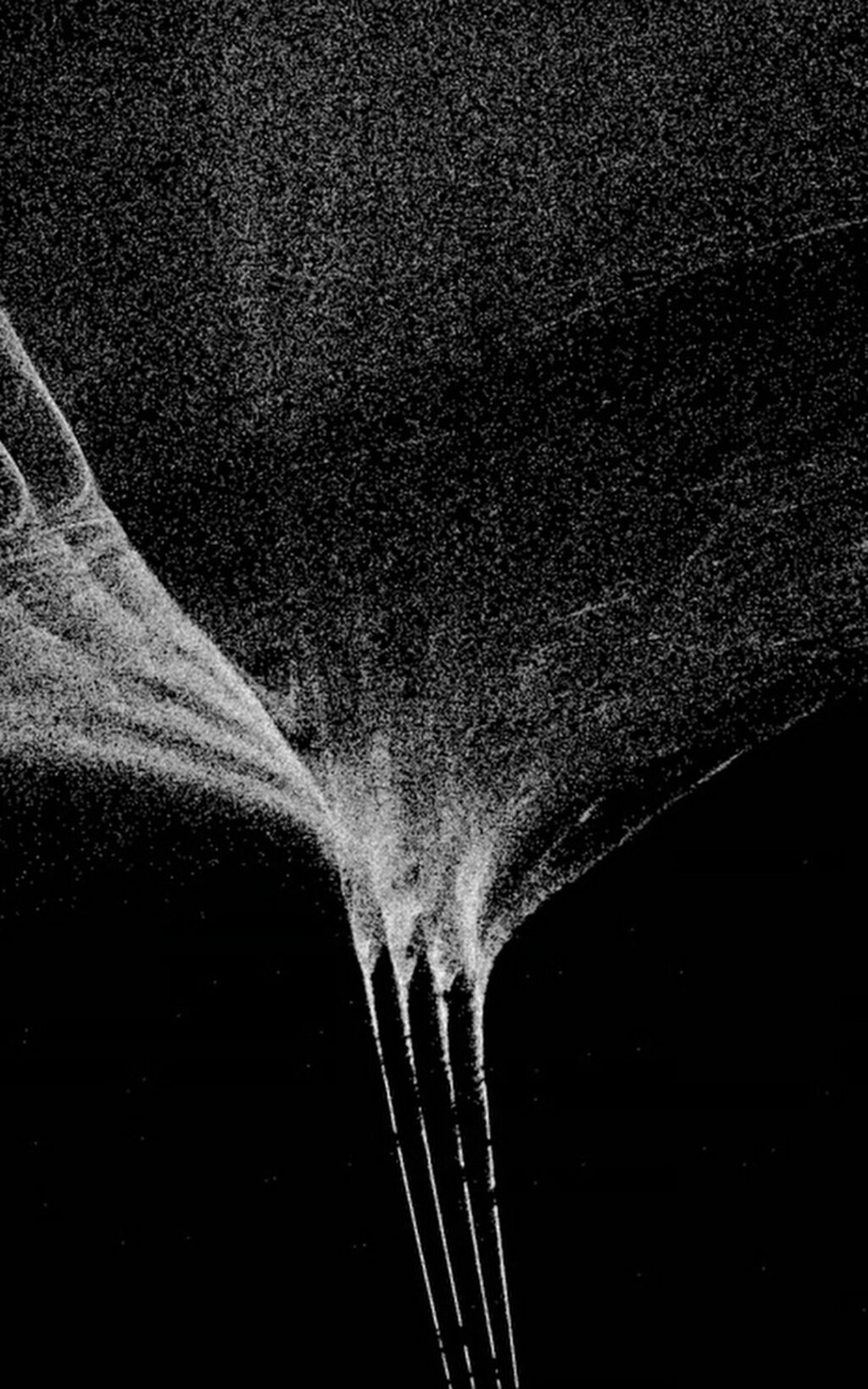
Linha Tênue is an audiovisual work that transforms the line into the protagonist, revealing its ambiguity and ability to unfold between form, gesture, and autonomy. Each stroke moves, connects, dissolves contours, creates figures, and establishes temporal relationships flowing between image and sound. The work invites viewers to experience the tension between structure and freedom, perceive details multiplying through continuous movement, and immerse themselves in a sensory universe.
BIO
Born in Brasília, the artist graduated in Composition from the University of Brasília and is currently pursuing postgraduate studies at UNESPAR. His recent research focuses on electroacoustic, visual, and multimedia composition, with works presented at festivals in Brazil, Latin America, Europe, and the United States.
Michael Lyons
FILE SÃO PAULO 2026: Inter-creativity – Art and Technology – VIDEO ART SHORT
Electronic Language International Festival
Circles and Squares – United Kingdom/Japan
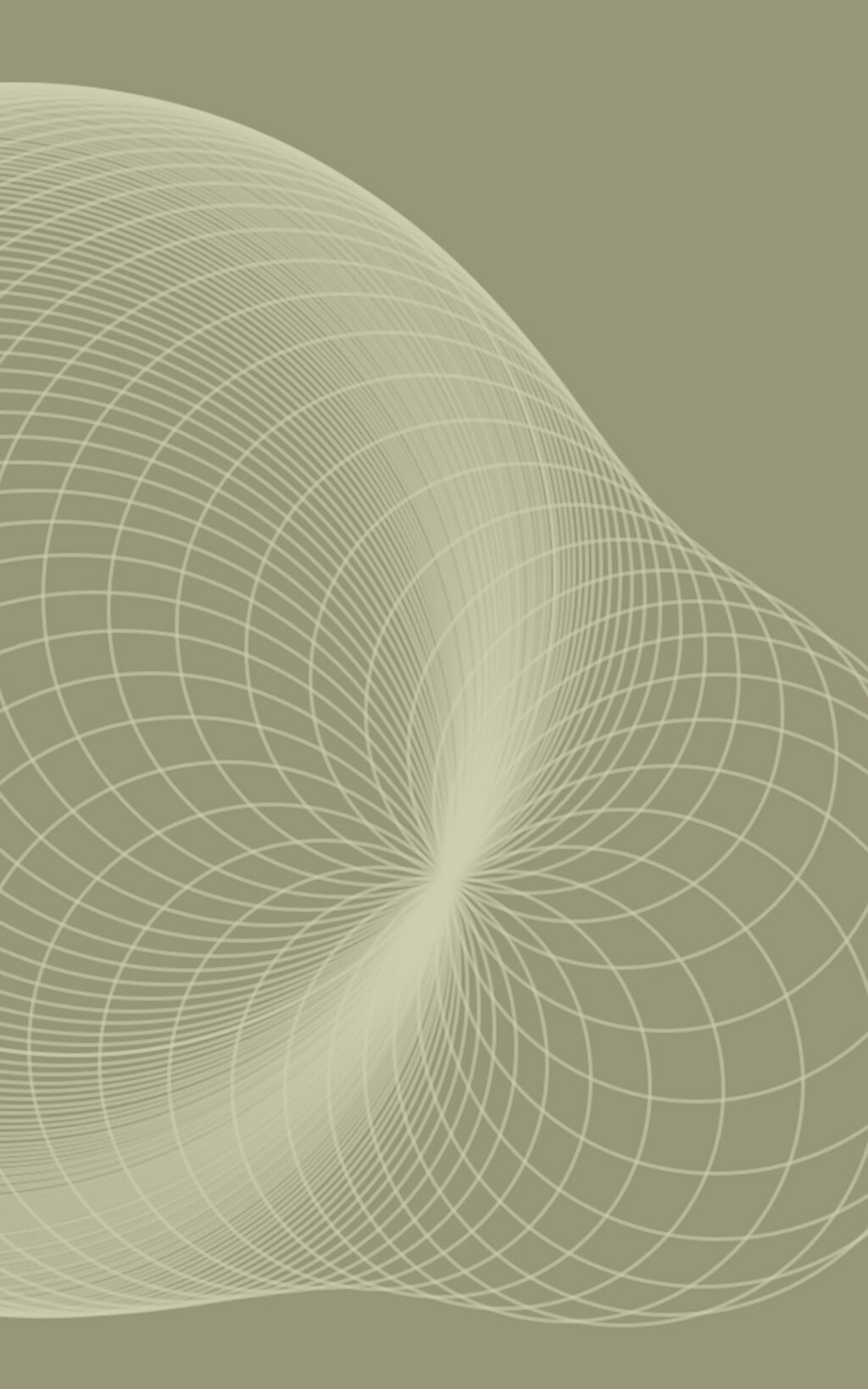
Circles & Squares is an audiovisual work structured around the interaction of geometric motion and sound. Circular forms intersect and recede in continuously shifting configurations, generating patterns of (a)symmetry, interference, and temporal tension. The animation operates as a visual score, organizing the square-wave tones of the soundtrack through evolving spatial relations. Free of narrative or representation, the work foregrounds rhythm, recurrence, and perceptual transformation.
BIO
Michael Lyons (UK, Canada) is an artist and researcher based in Kyoto, Japan. He is currently Professor of Image Arts and Sciences at Ritsumeikan University.
Kazuhiro Tanimoto
FILE SÃO PAULO 2026: Inter-creativity – Art and Technology – Randomic Dimension
Electronic Language International Festival
Sea of code – Japan
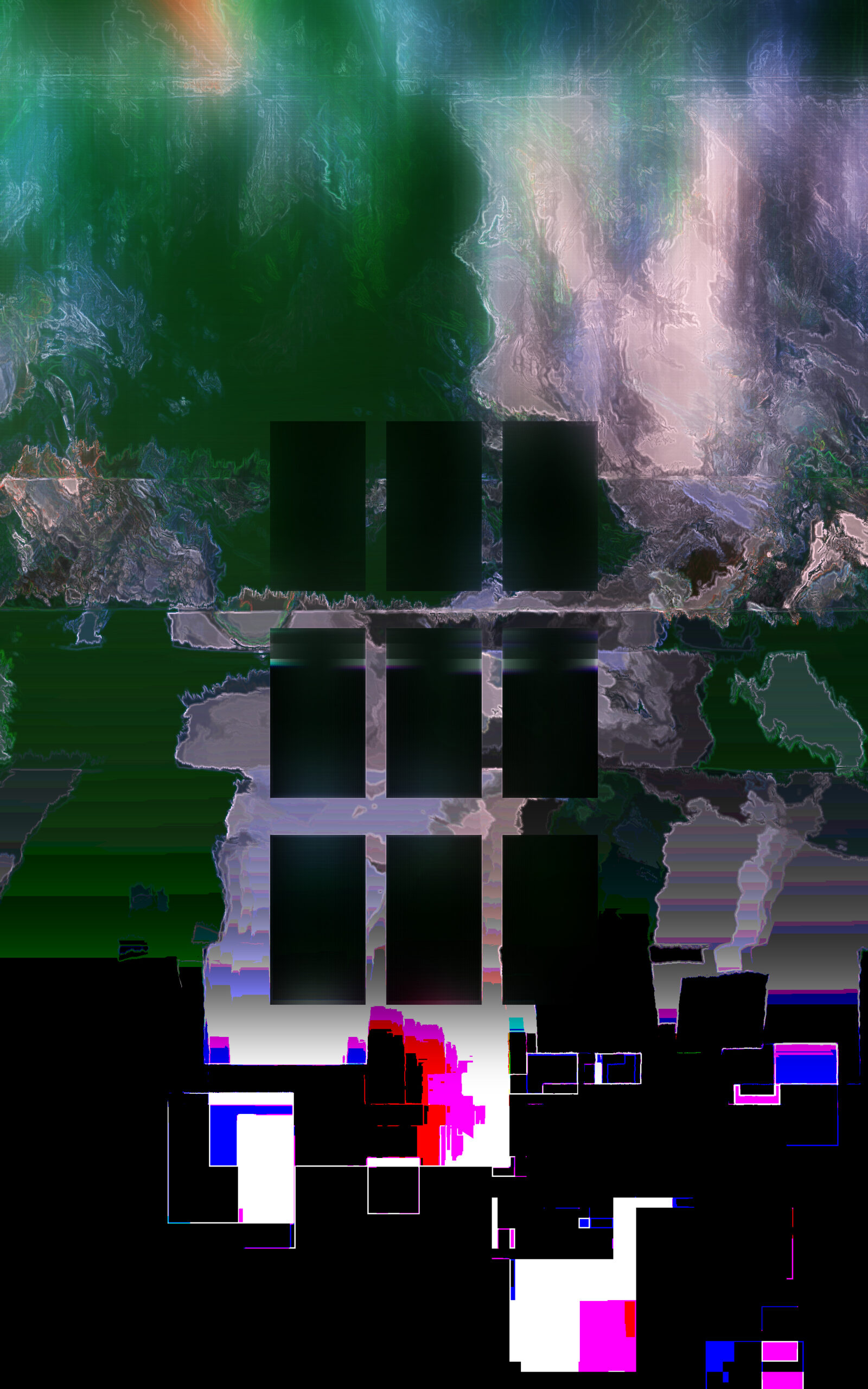
Sea of Code is a JavaScript work that generates animation and sound as a flow linking past, present, and future. Simple 8-color forms drift, expand into richer color and organic complexity, and at times reveal gaps within the flow. Inspired by Hiroshi Kawano’s idea of computer art as autonomous beauty, it uses palette-free color generation and Markov-chain melodies derived from classical music. Its title evokes a sea of code through which computer art, often marginal, is still carried forward.
BIO
Kazuhiro Tanimoto is a chemist in materials R&D and a generative audiovisual artist. He builds real-time systems that harness computation, exploring algorithmic transformation through cellular automata and processes of generation, change, and collapse tied to material and social phenomena. His work is included in Rhizome ArtBase, in Art Blocks Curated, and exhibited in New York and beyond.

GRAFFITI ANALYSIS
SCULPTURES
Graffiti Analysis is an extensive ongoing study into the motion of graffiti. Custom software designed for graffiti writers creates visualizations of the often unseen motion involved in the creation of a tag. Motion data is recorded, analyzed and archived in a free and open database, 000000book.com, where writers can share analytical representations of their hand styles. Influential graffiti artist such as SEEN, TWIST, AMAZE, KETONE, JONONE, and KATSU have had their tags motion captured using the Graffiti Analysis software. All tags created in Graffiti Analysis are saved as Graffiti Markup Language (GML) files, a new digital standard used by other popular graffiti applications such as Laser Tag and EyeWriter. Graffiti Analysis 3.0 is an open source project that is available online for free in OSX, Windows and Linux. Graffiti writers are invited to capture and share their own tags, and computer programmers are invited to create new applications and visualizations of the resulting data. What Martha Cooper did for archiving graffiti on film, and Chalfant/Silver did for archiving graffiti in video, Graffiti Analysis intends to do for archiving graffiti in code. The project aims to build the worlds largest archive of graffiti motion, and bring together two seemingly disparate communities that share an interest hacking systems, whether found in code or in the city.

FILE SÃO PAULO 2025: SYNTHETIKA – Art and Technology – INTERATOR
Electronic Language International Festival
BIO
Darren Slater is a musician and amateur visual artist based in the UK. He composes cinematic soundtracks in ambient and techno-house styles with sci-fi inspiration, using attribute-free loops and sound effects. He uses Krea AI Animator to bring AI-generated images to life, creating immersive experiences. He also works as a traditional artist, painting fantasy worlds with brushes and pigments.
Darren Slater (DSM)
FILE SÃO PAULO 2025: SYNTHETIKA – Art and Technology – INTERATOR
Electronic Language International Festival
Trip Portal – United Kingdom
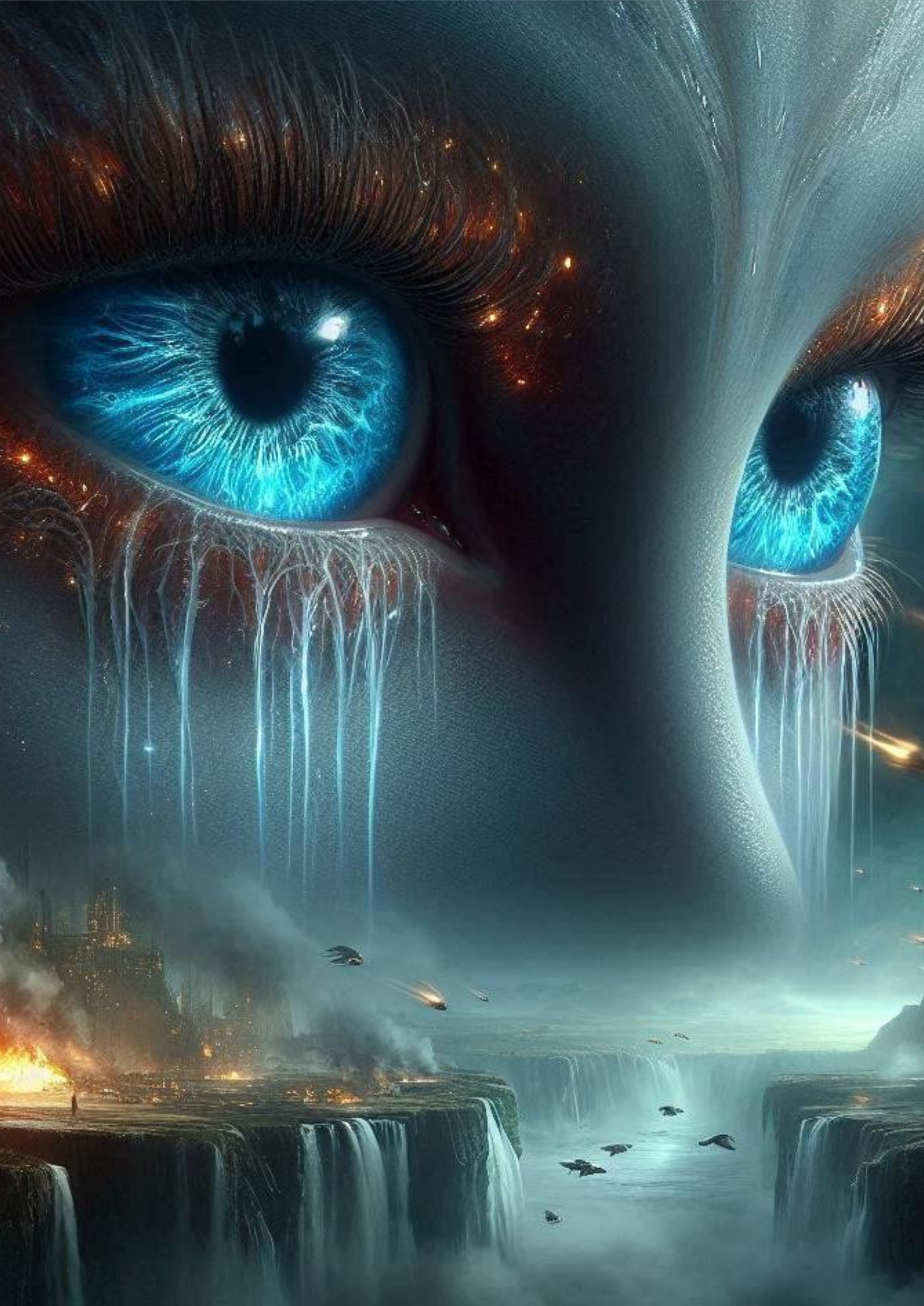
Portal Trip is a captivating fusion of original music and Darren Slater’s AI-generated animations, transporting viewers on a surreal journey through ever-shifting dimensions. As abstract portals open and dissolve into fluid landscapes, the hypnotic visuals synchronize with Darren’s immersive soundscapes, creating an audiovisual experience that feels like entering another reality. A mesmerizing blend of movement and sound, this video invites viewers to lose themselves in its dreamlike, otherworldly depths.
BIO
Darren Slater is a musician and amateur visual artist based in the UK. He composes cinematic soundtracks in ambient and techno-house styles with sci-fi inspiration, using attribute-free loops and sound effects. He uses Krea AI Animator to bring AI-generated images to life, creating immersive experiences. He also works as a traditional artist, painting fantasy worlds with brushes and pigments.

Darren Slater (DSM)
FILE SÃO PAULO 2025: SYNTHETIKA – Art and Technology – INTERATOR
Electronic Language International Festival
Pods – United Kingdom
Pods is an atmospheric fusion of original music and Darren Slater’s mesmerizing AI-generated visuals. This 4K video takes viewers on a surreal journey through an abstract world filled with floating organic forms and fluid transformations. The sci-fi-inspired imagery and immersive soundscape complement each other perfectly, creating an otherworldly audiovisual experience that lingers in the imagination.
BIO
Darren Slater is a musician and amateur visual artist based in the UK. He composes cinematic soundtracks in ambient and techno-house styles with sci-fi inspiration, using attribute-free loops and sound effects. He uses Krea AI Animator to bring AI-generated images to life, creating immersive experiences. He also works as a traditional artist, painting fantasy worlds with brushes and pigments.

Mario Klingemann
FILE SÃO PAULO 2025: SYNTHETIKA – Arte e Tecnologia
Festival Internacional de Linguagem Eletrônica
The Noise of Art – Alemanha
Dançando pelo Espaço Latente
Mario Klingemann ama dançar — não profissionalmente — mas, sempre que o faz, tenta traduzir sua interpretação do movimento e dos gestos da música para o espaço multidimensional de seu corpo. Trabalhando com os espaços latentes de redes neurais, particularmente com GANs, encontrou um processo paralelo: traduzir som em imagens. A dança torna a música visível por meio do movimento; sua arte tenta fazer o mesmo com inteligência artificial, permitindo que a música molde imagens. As três obras em vídeo apresentadas — Freeda Beast — Bringing Things to an End (GAN generated beta) (2017), The Noise of Art (2020) e Liberation (2020) — são experimentos nessa tradução, cada uma criada de uma só vez por um código escrito por ele, que responde ao ritmo e ao clima das músicas. Bringing Things to an End, provavelmente um dos primeiros videoclipes totalmente gerados por IA no mundo, utiliza um modelo de geração de rostos treinado pelo artista.
Mario Klingemann é um artista e cético com uma mente curiosa. Seu trabalho explora a interseção entre arte e tecnologia, com foco em inteligência artificial, aprendizado profundo e estruturas algorítmicas, investigando continuamente os mecanismos internos tanto das máquinas quanto do processo criativo.
BIO
Mario Klingemann é um artista e cético com uma mente curiosa. Seu trabalho explora a interseção entre arte e tecnologia, com foco em inteligência artificial, aprendizado profundo e estruturas algorítmicas, investigando continuamente os mecanismos internos tanto das máquinas quanto do processo criativo.

Mario Klingemann
FILE SÃO PAULO 2025: SYNTHETIKA – Arte e Tecnologia
Festival Internacional de Linguagem Eletrônica
Liberation – Alemanha
Dançando pelo Espaço Latente
Mario Klingemann ama dançar — não profissionalmente — mas, sempre que o faz, tenta traduzir sua interpretação do movimento e dos gestos da música para o espaço multidimensional de seu corpo. Trabalhando com os espaços latentes de redes neurais, particularmente com GANs, encontrou um processo paralelo: traduzir som em imagens. A dança torna a música visível por meio do movimento; sua arte tenta fazer o mesmo com inteligência artificial, permitindo que a música molde imagens. As três obras em vídeo apresentadas — Freeda Beast — Bringing Things to an End (GAN generated beta) (2017), The Noise of Art (2020) e Liberation (2020) — são experimentos nessa tradução, cada uma criada de uma só vez por um código escrito por ele, que responde ao ritmo e ao clima das músicas. Bringing Things to an End, provavelmente um dos primeiros videoclipes totalmente gerados por IA no mundo, utiliza um modelo de geração de rostos treinado pelo artista.
Mario Klingemann é um artista e cético com uma mente curiosa. Seu trabalho explora a interseção entre arte e tecnologia, com foco em inteligência artificial, aprendizado profundo e estruturas algorítmicas, investigando continuamente os mecanismos internos tanto das máquinas quanto do processo criativo.
BIO
Mario Klingemann é um artista e cético com uma mente curiosa. Seu trabalho explora a interseção entre arte e tecnologia, com foco em inteligência artificial, aprendizado profundo e estruturas algorítmicas, investigando continuamente os mecanismos internos tanto das máquinas quanto do processo criativo.

Mario Klingemann
FILE SÃO PAULO 2025: SYNTHETIKA – Arte e Tecnologia
Festival Internacional de Linguagem Eletrônica
Freeda Beast – Alemanha
Dançando pelo Espaço Latente
Mario Klingemann ama dançar — não profissionalmente — mas, sempre que o faz, tenta traduzir sua interpretação do movimento e dos gestos da música para o espaço multidimensional de seu corpo. Trabalhando com os espaços latentes de redes neurais, particularmente com GANs, encontrou um processo paralelo: traduzir som em imagens. A dança torna a música visível por meio do movimento; sua arte tenta fazer o mesmo com inteligência artificial, permitindo que a música molde imagens. As três obras em vídeo apresentadas — Freeda Beast — Bringing Things to an End (GAN generated beta) (2017), The Noise of Art (2020) e Liberation (2020) — são experimentos nessa tradução, cada uma criada de uma só vez por um código escrito por ele, que responde ao ritmo e ao clima das músicas. Bringing Things to an End, provavelmente um dos primeiros videoclipes totalmente gerados por IA no mundo, utiliza um modelo de geração de rostos treinado pelo artista.
Mario Klingemann é um artista e cético com uma mente curiosa. Seu trabalho explora a interseção entre arte e tecnologia, com foco em inteligência artificial, aprendizado profundo e estruturas algorítmicas, investigando continuamente os mecanismos internos tanto das máquinas quanto do processo criativo.
BIO
Mario Klingemann é um artista e cético com uma mente curiosa. Seu trabalho explora a interseção entre arte e tecnologia, com foco em inteligência artificial, aprendizado profundo e estruturas algorítmicas, investigando continuamente os mecanismos internos tanto das máquinas quanto do processo criativo.

John Otero
FILE SÃO PAULO 2025: SYNTHETIKA – Art and Technology – WORKSHOP
Electronic Language International Festival
Digital Origami: Exploring Procedural Animation – Brazil
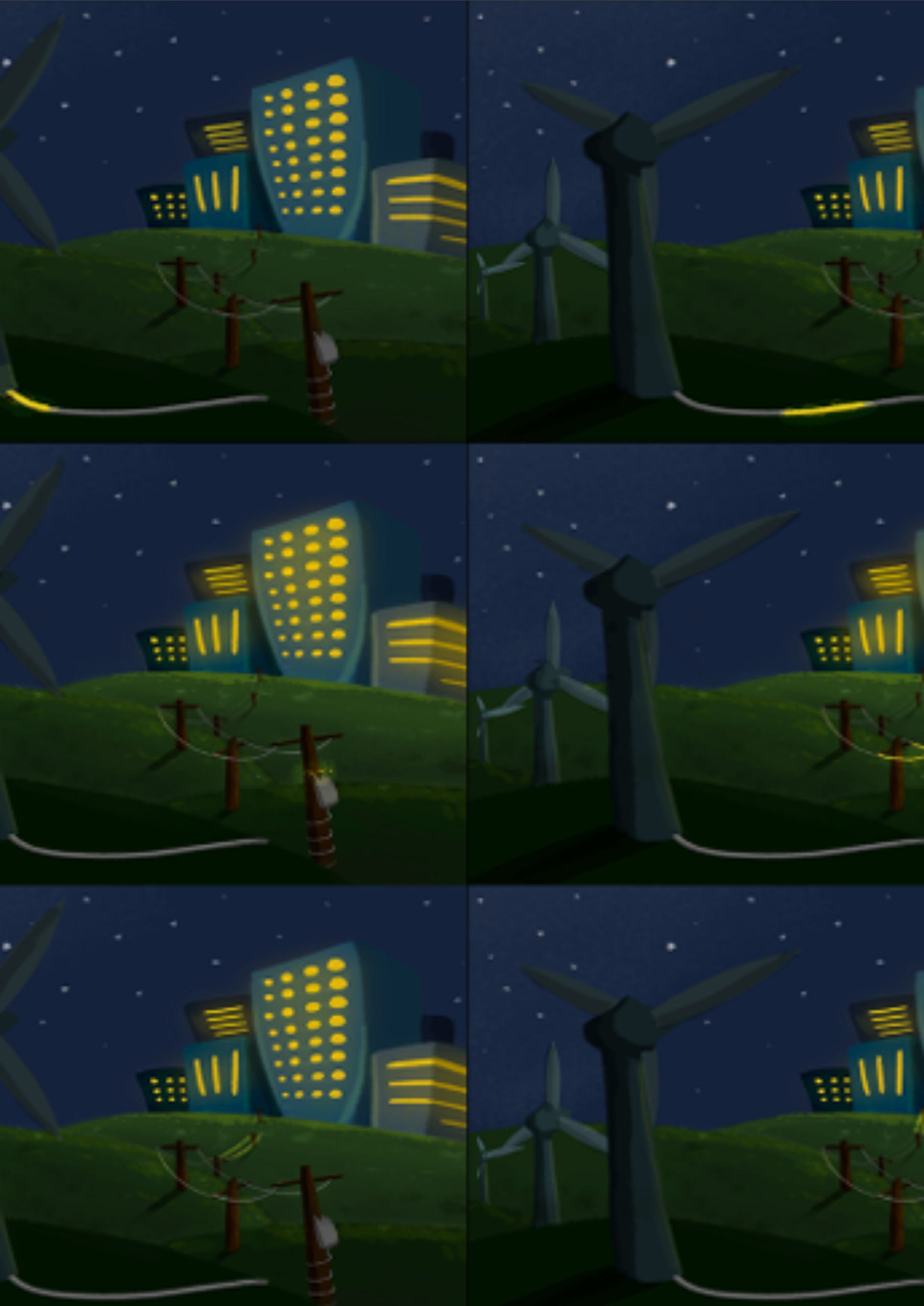
This workshop introduces procedural animation, a technique that uses mathematical parameters to create automated movements. Using the free version of Houdini software, participants will learn how to digitally assemble and animate origami, exploring the software’s features to simulate movements and behaviors. The creative possibilities of this approach will also be discussed, highlighting applications in animation, generative design, and visual effects.
BIO
João Otero is a visual artist, illustrator, animator, teacher, and visual arts graduate student at ECA-USP. He is a member of the Realidades research and outreach group. He holds a scholarship from the CAPES Teaching Initiation Program in the arts field; he also received a PUB scientific initiation scholarship, researching digital techniques applied to comic book production.
Realities Research and Extension Group
FILE SÃO PAULO 2025: SYNTHETIKA – Art and Technology – WORKSHOP
Electronic Language International Festival
Animated Sprites: Frame-by-Frame Animation for Games – Brazil
Want to learn how game animations are created? In this workshop, we’ll explore how animated sprites work, and you’ll have the opportunity to create your own! Using free and accessible tools, we’ll transform ideas into animated art and integrate them into the programming of a simple game.
BIO
The Realidades Group (https://realidades.eca.usp.br/), founded in 2010, is a research and extension group at USP that works with art, technology and the concept of reality.
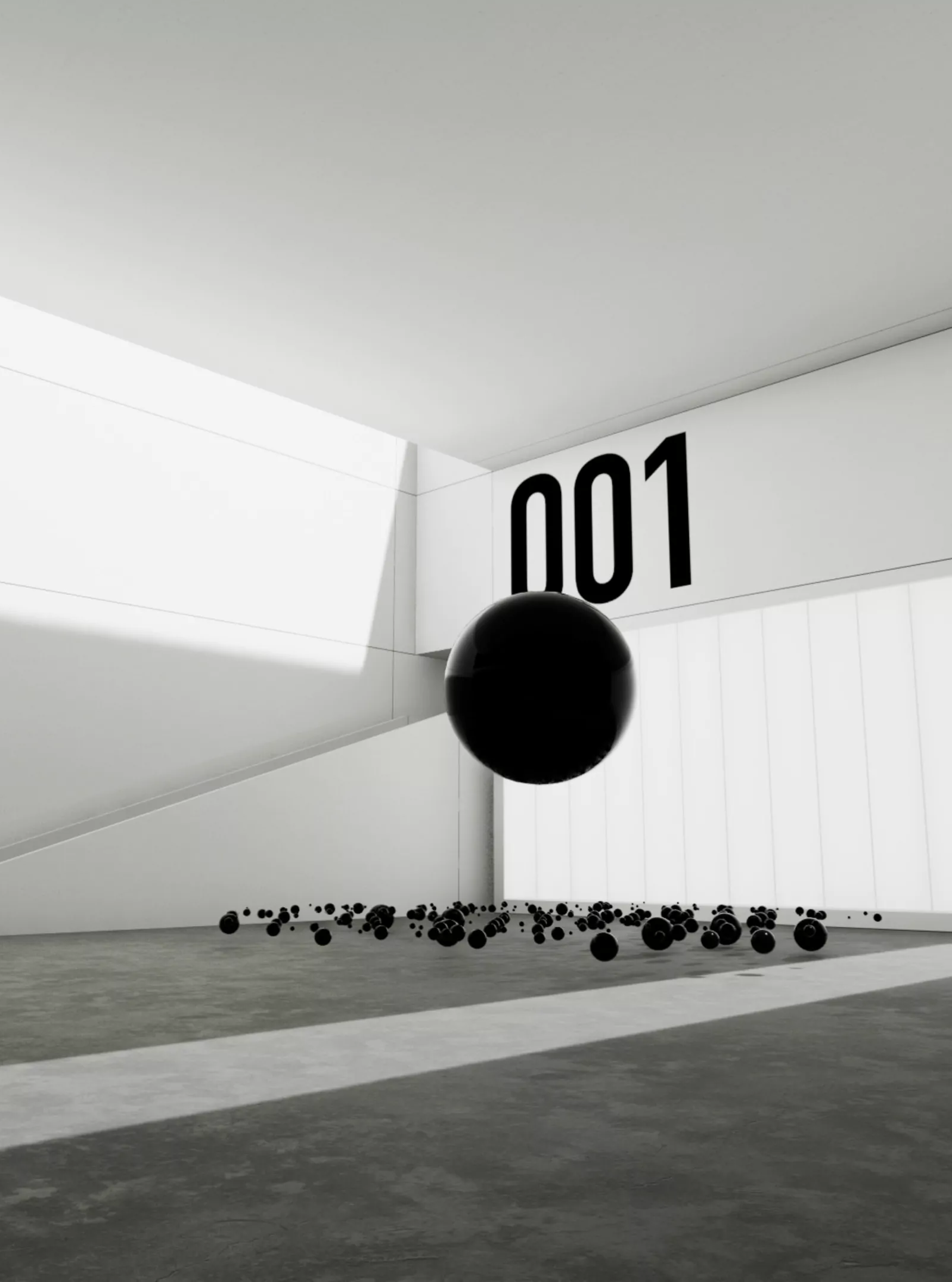
Modules
Modules is a VR art experience, where architecture, sculpture, film, and music blend together to immerse viewers into Zhestkov’s world. A total work of art, it is a world that questions the established definitions of our reality. In digital space, we can abandon the logic of reality and are freed from its boundaries. New worlds with total freedom are possible, worlds only limited by our creativity and the potential of art.
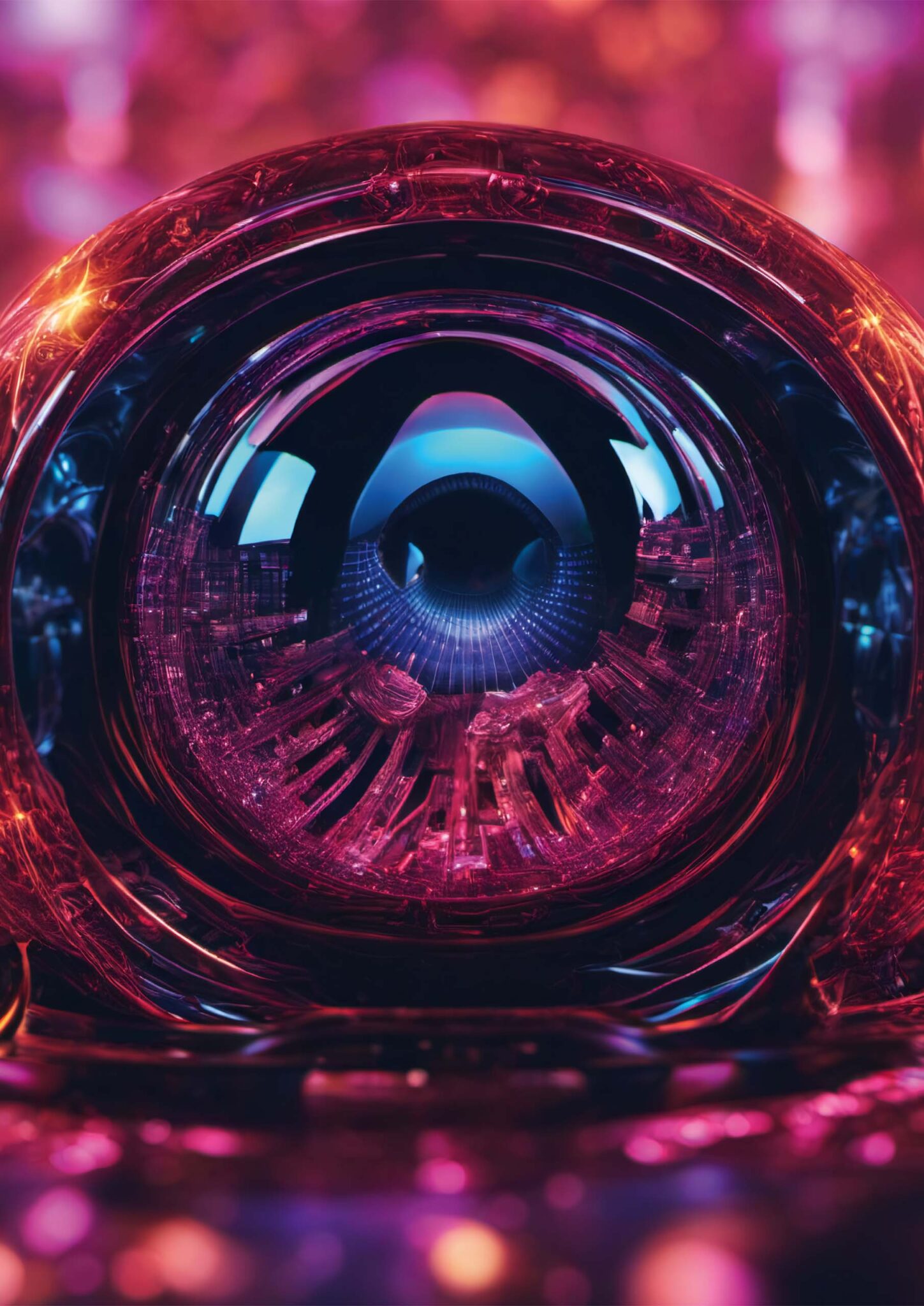
Around The Milky Way
FILE 2024 | Aesthetic Synthetics
International Electronic Language Festival
Valentin Rye – Around The Milky Way
In the distant future, several species inhabit the Milky Way. This scenario inspired the video, aiming to portray various forms of life and evoke a plausible atmosphere. Using images he created, the artist experimented with Stable Video Diffusion, a new video generation method. The objective was to expand the limits of this neural network and improve its output, resulting in the conception of this video.
Bio
Valentin Rye is a self-taught machine whisperer based in Copenhagen, deeply passionate about art, composition and the possibilities of technology. He has been involved in AI and neural network image manipulation since starting DeepDream in 2015. While his IT work lacks creativity, he indulges in digital arts during his free time, exploring graphics, web design, video, animation and experimentation with images.

Space Odyssey 2002
FILE 2024 | Aesthetic Synthetics
International Electronic Language Festival
Valentin Rye – A Space Odyssey 2002 – Denmark
This video offers a surrealist take on futuristic sci-fi concepts from the 60s and 70s. Imagine a future colonization of Mars where interior design is given an avant-garde twist. It was created by brainstorming visual ideas, generating countless images, refining the best ones and assembling them into clips. After careful selection, these clips have been organized into a cohesive timeline, accompanied by atmospheric music to enhance the overall experience.
Bio
Valentin Rye is a self-taught machine whisperer based in Copenhagen, deeply passionate about art, composition and the possibilities of technology. He has been involved in AI and neural network image manipulation since starting DeepDream in 2015. While his IT work lacks creativity, he indulges in digital arts during his free time, exploring graphics, web design, video, animation and experimentation with images.

Floating
FILE 2024 | Aesthetic Synthetics
International Electronic Language Festival
Leilanni Todd – Floating – United States
Floating explores the concept of surrendering and freeing oneself by allowing oneself to float, symbolizing overcoming adversity and mastering self-confidence. Inspired by her grandmother’s journey to overcome her fear of water through swimming, the work uses water and sea creatures as symbols of resilience and transformation. The personal narrative behind the work adds depth to its exploration of overcoming fears and discovering inner strength.
Bio
Leilanni Todd is an award-winning creative director with extensive experience in advertising, fashion and new media. Originally from Toronto and now based in New York, she harmoniously integrates art, technology and culture into her work. Through her FLOAM WORLD platform, Leilanni creates surreal narratives, reimagines traditional norms in fashion and advertising, and addresses complex human issues with humor and creativity.

Kelly Luck
Strangeland 1 (excerpt)
FILE 2024 | Aesthetic Synthetics
International Electronic Language Festival
Kelly Luck – Strangeland 1 (excerpt) – United States
From a surrealist point of view, the main attraction of generative AI, for the artist, is its lack of memory. At any given moment, she only has the current frame and instructions on how to proceed, similar to free association in dreams. This work is part of a series of long-term environments designed to immerse the viewer in a constantly evolving and never-ending landscape, inviting relaxation and engagement.
Bio
As part of the first generation to grow up around computers, Kelly Luck quickly became fascinated with the creative possibilities of this new technology. Her journey has ranged from pixel art and graphic ‘hacks’ to the 90s demoscene, 2D and later 3D graphics, and now the modern tools of digital art. With the emergence of generative AI, it endlessly explores how technology continues to blur the line between imagination and reality.

Jo Goes Hunting – Run Away
Amsterdam material designer Shai Langen made sculptural headpieces and covered models in hand-painted patterns for Jo Goes Hunting’s Run Away music video.Langen was approached by the Dutch artist’s manager with a brief for “something less conventional”, and was given complete artistic freedom in his approach.The video opens with a close up of a gleaming paint-covered black and white surface, which is gradually shown to be the form of a person.

AI conceptual architecture
Over the past few months, Hassan Ragab has been posting his Midjourney conceptual architectural work on LinkedIn and is clearly enjoying exploring the nuances of refining the AI output, mixing free flowing architectural styles with biomimicry materials such as feathers and plant structures.


Nature Morte
Nature Morte focuses on Nauman’s long relationship to his own studio, a variation on his four unique multi-projection videos, Mapping the Studio (2001). Three viewing stations, each consisting of an iPad linked to a wall-sized projection, provide an interactive exploration of the 3D studio space. Only now the artist is absent, and the participant becomes performer as he/she manipulates the large scale video projections on an iPad using touch control. The participant is free to navigate anywhere throughout the space, selecting broad vistas or individual objects. Using a hand-held 3D scanner, Nauman recorded hundreds of images that allow participants to select an object and locate close-up anything found there, and further reorient the image to see an object from above and below, and at times inside-out. The resulting mobility intensifies the experience of the viewer/performer. Presenting a static, but immersive re-creation of his studio space, Nauman’s pieces once again play at the tenuous lines between the body and space, perception and physical material.

Primordial
Primordial is a generative artwork made from code, depicting a stylised, coloured take on cellular microscopic life. The flow of organisms projected onto the floor are audio responsive, moving and growing to the pulse of sound. These creatures navigate the space in their own freeform way, naturally encouraging viewers to flow into the exhibition.
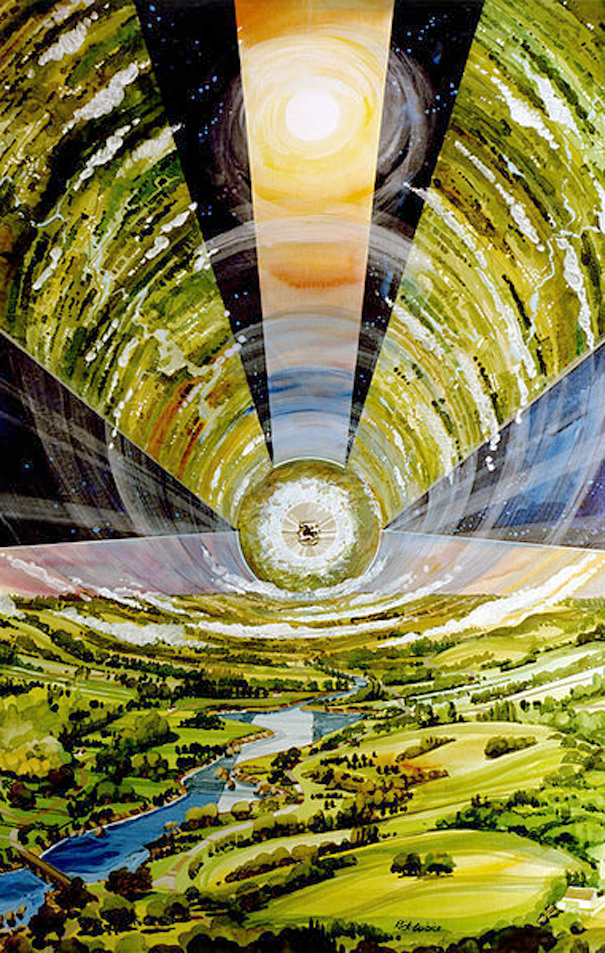
O’Neill cylinder
O’Neill was inspired by the papers written by his students. He began to work out the details of a program to build self-supporting space habitats in free space.Among the details was how to provide the inhabitants of a space colony with an Earth-like environment. His students had designed giant pressurized structures, spun up to approximate Earth gravity by centrifugal force . With the population of the colony living on the inner surface of a sphere or cylinder, these structures resembled “inside-out planets”. He found that pairing counter-rotating cylinders would eliminate the need to spin them using rockets.This configuration has since been known as the O’Neill cylinder.

sofi
in analysis of the modern skyscraper there is traditionally an aesthetic agenda that localizes itself in a “shoes” or “hat” location. The tower typology has ignored the possibility of a center distortion. This distortion acts as an aesthetic element as well as an organizational(programmatic) locator. By designing from the middle out there is a chance for the building to better blend with its context by keeping the processional elements in the center. Entrance and roof conditions mimic their tower brothers and give a moments rest in the exuberance of design. This proposal creates a center distortion and layers form through a simulation of gravity and the“claspyness” of the outer skin. The inner void acts as a way of creating a Secretary oriented office program rather than a traditional first floor security, freeing up the center of the building to the public. The project looks to rationalize itself through components rather than a monolithic form.

أوسكار شليمر
奥斯卡·施莱默
אוסקר שלמר
オスカー·シュレンマー
오스카 슐 렘머
Оскар Шлеммер
Triadic Ballet
1-Margarete Hastings, Franz Schömbs, Georg Verden
1970
2-Super 16mm colour film, directed by Helmut Ammann.
Oskar Schlemmer saw the human body as a new artistic medium. He saw ballet and pantomimes as being free from the historical baggage of theater and opera and, therefore, capable of presenting his ideas of choreographed geometry, the man as a dancer, transformed by his costumes, moving in space. He saw the puppet and puppet movement as superior to that of the human, as this emphasized that the average of all art is artificial. This device could be expressed through stylized movements and the abstraction of the human body. Schlemmer saw the modern world being guided by two main currents, the mechanized (man as a machine and body as a mechanism) and the primordial impulse (the depths of creative urgency). He claimed that choreographed geometry offered a synthesis; the Dionysian and emotional origins of dance become rigid and Apollonian in its final form.
3-Bayerisches Junior Ballet München
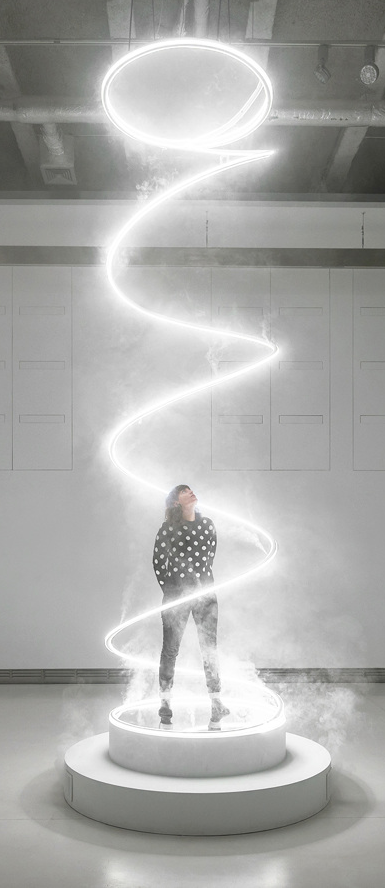
Ascent
Ascent is a large-scale site-specific light installation that embodies a variety of archetypical and physical associations – from microscopic observations, electromagnetic wave dynamics, and atmospheric phenomena of a whirlwind to a spiritual epiphany. Most importantly, Ascent offers a unique immersive experience, that invites the viewer to become its central point, and transforms the perception of the viewer on a sensual level. The light and the fog create a monumental dynamic space that is participatory, the space that opens up a new dimension and directs the attention toward the bodily sensations in the explicit environment. The viewer is free to approach the work according to its own sensual response, but direct interaction can offer the potential to evoke a new perceptual imagination.
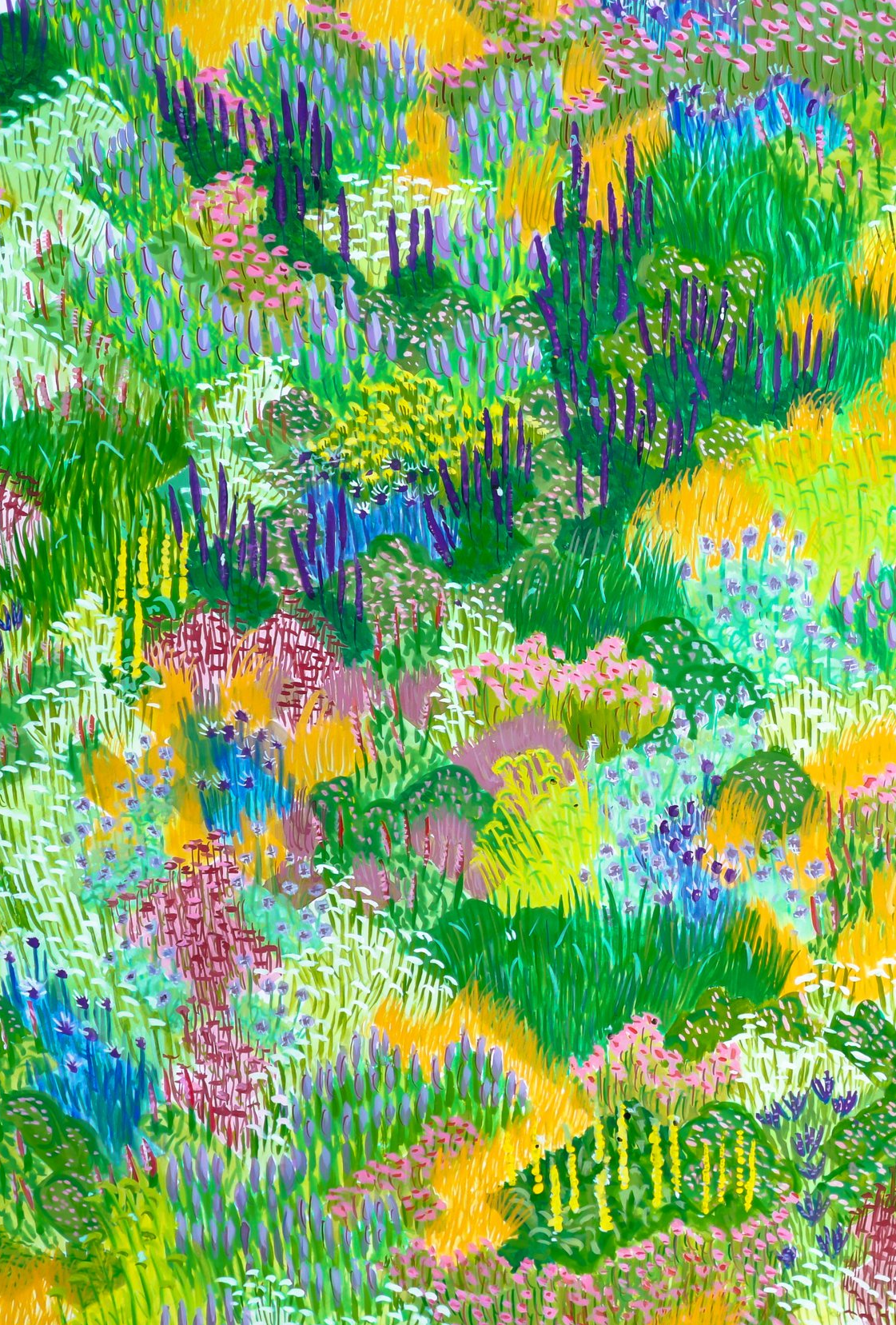
Pollinator Pathmaker
Pollinator Pathmaker is not just about large public gardens: at pollinator.art you can use the algorithmic tool for free to make your own garden artwork. Simply follow the steps in the algorithmic toolbox to select your garden conditions and play with how the algorithm solves the problem of empathy. It then generates a garden design for you; each design created is a one-off edition of the artwork.
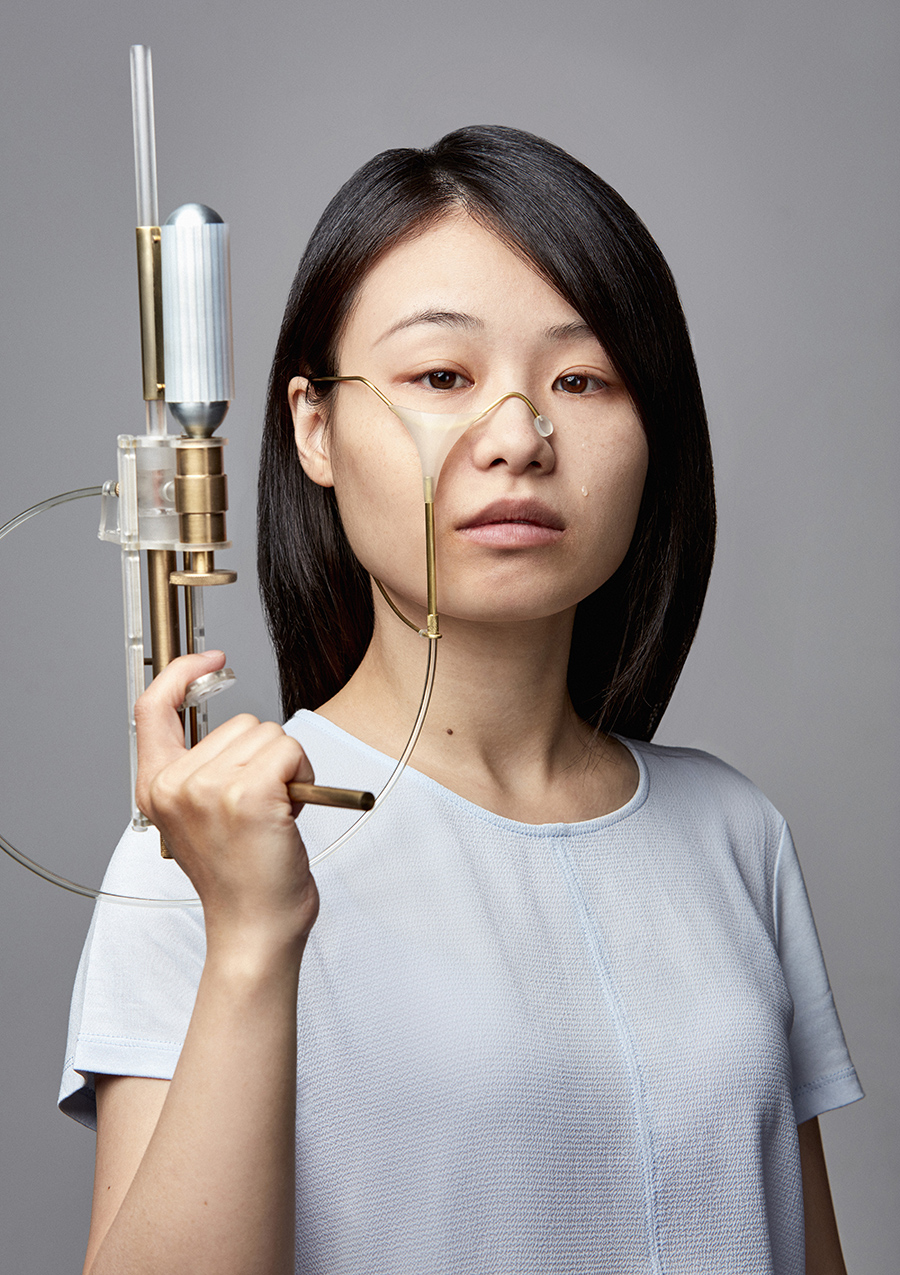
Tear Gun
For Yi-Fei Chen, a graduate from Design Academy Eindhoven, her impossibility to speak up in self-defense during a confrontation with her tutors resulted in an internal burst of frustration, but externally only defenseless tears emerged. After that she decided to acknowledge this weakness, but reacting to it through her graduation project: “Tear Gun”, a minimal device that freezes tears instantly, ready to be fired in self-defense.
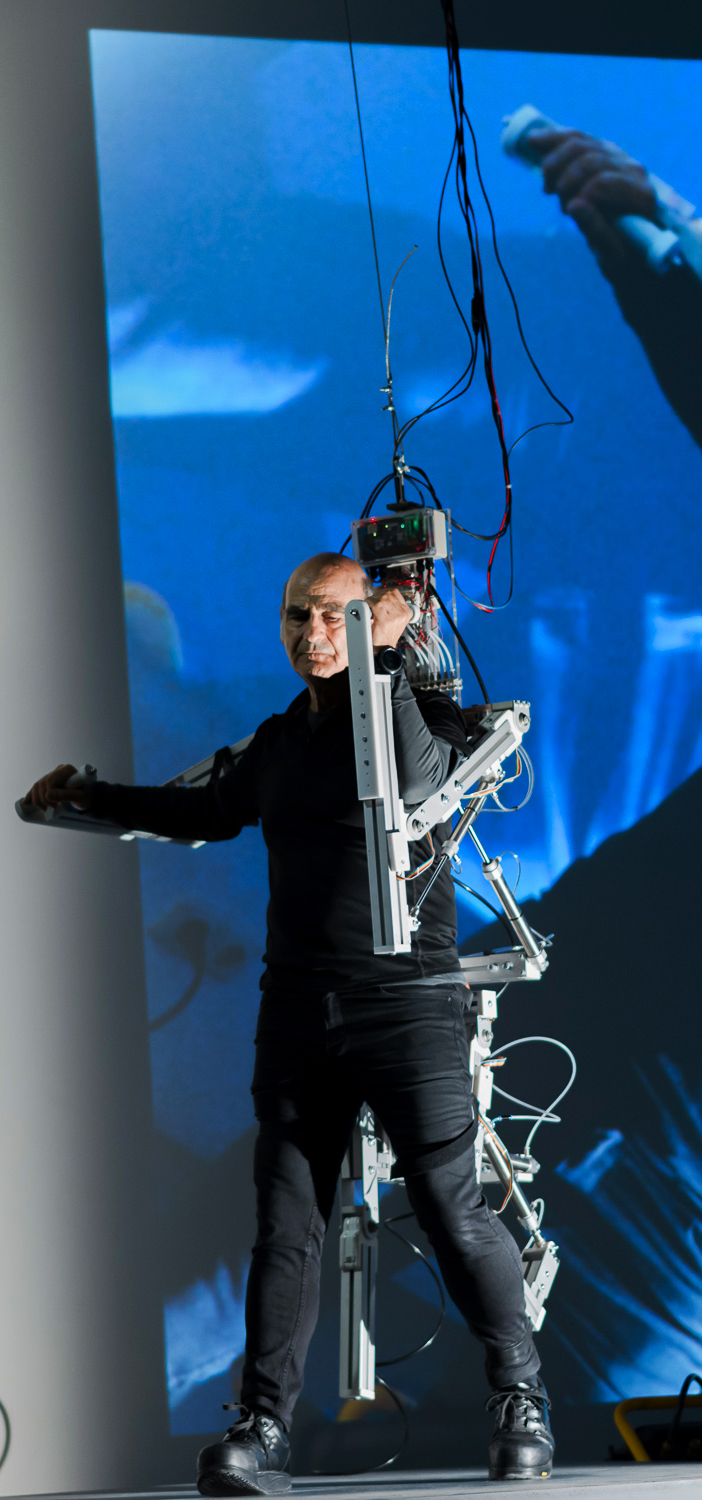
StickMan
StickMan is a minimal but full-body exoskeleton that algorithmically actuates the artist with 6 degrees-of-freedom. It is a gesture generating system capable of 64 possible combinations. Sensors on StickMan generate sounds that augment the pneumatic noise and register the limb movements. A ring of 6 speakers directs and circulates the sounds.

DATA
In “DATA”, SpY offers a reflection on the rapid and widespread inclusion of algorithms in numerous aspects of our lives. In this audio-visual work, digital abstraction is used to explore and interpret how predictive tools operated through algorithms and artificial intelligence are highly beneficial in terms of aspects such as communication, research and medicine, but can also lead us to lose some of our freedoms if they are not used ethically.
Through this immersive audio-visual format, SpY explores new tools such as the holographic fabrics used to give the graphics an amazing sense of weightlessness. A 15-metre high screen made from this fabric was installed in one of Madrid’s smallest streets between the walls of the buildings.

ايسي مياكي
איסי מיקים
イッセイミヤケ
이세이 미야케
ISSEY MIYAKE
homage
R.I.P
ISSEY MIYAKE valued free and unconventional thinking – thinking that took into account the spirit of creation, curiosity and love as a universal expression.
.
ISSEY MIYAKE schätzte freies und unkonventionelles Denken – Denken, das den Geist der Schöpfung, Neugier und Liebe als universellen Ausdruck berücksichtigte.
.
ISSEY MIYAKEは、自由で型破りな思考、つまり創造の精神、好奇心、愛を普遍的な表現として考慮した思考を大切にしました。
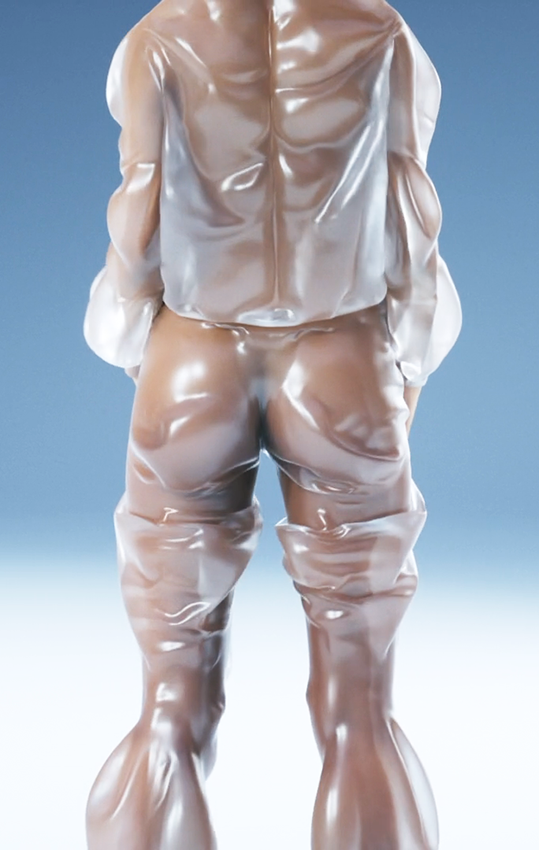
Infection Drivers
Infection Drivers (2019) explores the body under attack. In this work, a CGI figure struggles to move and breathe in a translucent suit, which takes her body through transmutations of stereotypically masculine and feminine physiques as it inflates and deflates. In a time of increased public surveillance through facial-recognition software and biometric data mining, Cooper’s high-definition world invites us to investigate and perhaps find freedom in the technologies often used to constrain us.

Sonic Mountain
As a unique site-specific commission for the Donum Estate, Los Angeles-based artist Doug Aitken has created the ethereal work Sonic Mountain (Sonoma), three concentric circles of suspended stainless-steel pipes whose differing lengths form a wave at their base, mirroring the free Euler-Bernoulli shape that describes the chime’s frequency. Installed in the eucalyptus grove, measuring forty-five feet in diameter and twice human height, and comprising 365 chimes — one for each day of the year — Sonic Mountain (Sonoma) works with one of Donum’s most persistent elements, the Carneros breeze that cools the grapes and creates a temperate zone for growing Pinot Noir. Each day, the warm wind begins its soft whisper, rustling through the vines and trees, building in strength through the day until mid-afternoon, and then gradually diminishing in force. Known to have been used since at least the ancient Roman period in Europe and the second century in India and China, wind chimes create chance, inharmonic music. At Donum, Aitken has teamed up with his friend the composer Terry Riley to compose chords in the chimes to be played by the wind , depending on how it blows, so the lyrical work sounds throughout the estate, demonstrating the artist’s practice of making installations that synthesize many media and are never constrained by tradition.
video

Franchise Freedom
Franchise Freedom is een performatieve kunstinstallatie van DRIFT die de relatie tussen mens, natuur en technologie onderzoekt. Een autonoom vliegende zwerm van honderden drones stelt het menselijke concept van vrijheid en sociale constructie in vraag. Het nodigt je uit om een poëtische kant van technische innovatie te bekijken en terug te verbinden met de natuur. Gebaseerd op een biologisch algoritme van meer dan 10 jaar onderzoek naar het vlieggedrag van spreeuwen, verlegt het kunstwerk de grenzen tussen natuur en technologie en genereert het een impactvolle sociale verbinding.

Atmospheric Wall
大气波浪墙,一个新的文化地标和芝加哥首个公共艺术装置,由全球知名艺术家奥拉维尔·埃利亚松 (Olafur Eliasson) 设计。突出显示在外部杰克逊大道。墙,原件是专门为威利斯大厦创作的。大气波浪墙提供了一种免费且易于访问的方式,可以在 Loop 体验户外世界一流的艺术。
.
Atmospheric wave wall, a new cultural landmark and the first public art installation in Chicago by globally acclaimed artist Olafur Eliasson. Prominently displayed on the exterior Jackson Blvd. wall, the original piece was created specifically for Willis Tower. Atmospheric wave wall provides a free and accessible way to experience world-class art outdoors in the Loop.
.
Стена с атмосферными волнами, новая культурная достопримечательность и первая инсталляция в Чикаго, созданная всемирно известным художником Олафуром Элиассоном. Заметно отображается на экстерьере Jackson Blvd. стена, оригинальная часть была создана специально для Уиллис Тауэр. Стена с атмосферными волнами – это бесплатный и доступный способ познакомиться с искусством мирового класса на открытом воздухе в Loop.

徐震
Eternity
Xu Zhen is one of the most interesting and promising artists working in China today. An irreverent artist with a voracious appetite for global information and a unique ability to produce work across multiple platforms and media.Xu Zhen is a conceptual artist whose work often takes the form of provocative sculptures, installations and interventions that confront sociopolitical taboos in contemporary China and freely manipulate western expectations of Chinese art and commerce.

توماس ساراسينو
托马斯·萨拉切诺
トマスサラセーノ
Space elevator / Spark
Black polyester rope, plastic cable ties, metal frame.
Having studied as an architect, Tomas Saraceno incorporates physics, engineering, and aeronautics into his interactive and evolving artistic structures. Using arachnology, or the study of spiders, to create structures that suggest alternative ways of living, he employs tridimensional webs to better understand how unique building blocks create distinct forms. Saraceno places spiders in cubic frames and leaves them to spin webs, rotating the cubes at various intervals to introduce elements of freedom

퐁 치 웨이
‘Time is a Dimension’
The beauty of photography, in its essence, is conveyed by capturing a moment in time and freezing it out of its context. Singapore-based photographer Fong Qi Wei, however, uses photography to show the passage of time. In his time lapse series called ‘Time is a Dimension’, Fong doesn’t use a typical long exposure trick. He captures the passing time by layering different photos of the same spot with clear edge lines of each frame. Each collage is digitally cut and created from pictures Fong takes within 2 to to 4 hours. Fong usually works at sunrise or sunset, as the light and color palettes are most varied at those times.
“The basic structure of a landscape is present in every piece. But each panel or concentric layer shows a different slice of time, which is related to the adjacent panel/layer. The transition from daytime to night is gradual and noticeable in every piece, but would not be something you expect to see in a still image. Similarly, our experience of a scene is more than a snapshot,” explains Fong.

antivirus mask and 3d makeups
“She tries to fantasize what complete aesthetic freedom of one’s appearance would look like. Her goal is to encourage a fun and creative approach to make up and self expression. By completely thrashing all preconceptions of what make-up is and how it’s used, Ines collaborates with various artists, musicians and models to produce her own fantastical versions of reality“. Teo Sandigliano

Tech Camouflage: Anti-Facial Recognition.
Model: Kim Jeong Eun
In order to help understand the main discourses covered by the project and to explore various interpretations on the theme of * c-lab 1.0, ‘Beauty, familiar familiarity’, we conducted a “Technology camouflage: anti-facial recognition technology make-up workshop” as a linked program. . Recognizing that facial recognition technology that is widely used with the generalization of smartphones and SNS can also be used as a way to monitor and control individual freedom, as a new form as an alternative to protect personal privacy from such technologies This is a workshop program that has practiced make-up and hairstyle.

Skia
file festival
As natural as the daily sunshine, one’s shadow, formerly a constant companion, now often escapes from attention. A silhouette of our physical form, one’s shadow is no more than a flat, disembodied reduction of the contours of one’s self.The installation skia examines the interplay of our shadows and our conscious awareness of our physical displacement of space. In this closed-circuit installation, visitor´s images are manipulated and projected as artificial shadows.What does it mean if one’s shadow suddenly frees itself and develops an alien autonomy? And what has such an estrangement in common with the multiple identities of the post modern ego?

Orchisoid
“Mobility, technological invention, and artistic invention “It’s not just about putting new media into art, or even making new media art. It is about making new media as an artist, about being an artist in new media. Therefore, if it is not only a question of renewing art by injecting it with new means, new tools, new subjects, it may be a matter of shifting its borders to the point of considering experiments, technological inventions, such as art-related events, as part of the artistic project ”. In my opinion, here is how to re-found art and breathe new life into it for years to come! Fujihata’s work leads us to think of Art as “technical conduct”. In this conduct, technique is not instrumentalised, it is therefore freed from having to serve FOR something, it does not have to be effaced in front of what it serves. But this notion is very “fragile” as Pierre-Damien Huyghe points out to us. Indeed, if the technique “is no longer used for” it is no longer “necessary”. We must therefore consider that what is not necessary is precisely what is useful. Highlighting the usefulness in a technique without going through a notion of service is precisely what is at stake in Masaki Fujiata’s artistic position. In his work, it is about exploring the possibilities of a group of techniques so that they do not end up in the use where they are usually agreed. At the heart of Fujihata’s work we are dealing with techniques rich in possibilities. The artist has an artistic conduct which does not seek the means to do something with these techniques but which seeks to discover them. The artist positions himself as a discoverer making both learned and humorous attempts … “Jorane Rest

eye writer
TEMPT1, граффити-художник и активист из Лос-Анджелеса, в 2003 году был диагностирован боковым амиотрофическим склерозом (БАС), и вскоре после этого он был полностью парализован, за исключением глаз. Команда, разработавшая EyeWriter, оснастила пару очков технологией отслеживания взгляда и специальным программным обеспечением, которое могло улавливать движения глаз TEMPT1. Из своей больничной палаты, подключенной по беспроводной сети к ноутбуку и устройству для лазерной маркировки, установленному в центре Лос-Анджелеса, художник мог нарисовать свою метку и проецировать ее на здания в сверхчеловеческом масштабе в реальном времени, чтобы зрители могли видеть светящиеся граффити такими, какими они были созданный. Исследовательский проект EyeWriter был результатом сотрудничества TEMPT1, членов лаборатории Free Art & Technology (FAT), сообщества openFrameworks и лаборатории исследований граффити (GRL) при поддержке производственной компании Ebeling Group, фонда Not Impossible Foundation и Программа «Дизайн и технологии» в Новой школе дизайна «Парсонс», Нью-Йорк.