highlike

BASICODE – Histerese – Brazil

HISTERESE

BASICODE


FILE SÃO PAULO 2026: Inter-creativity – Art and Technology – LED SHOW
Electronic Language International Festival


Histerese – Brazil

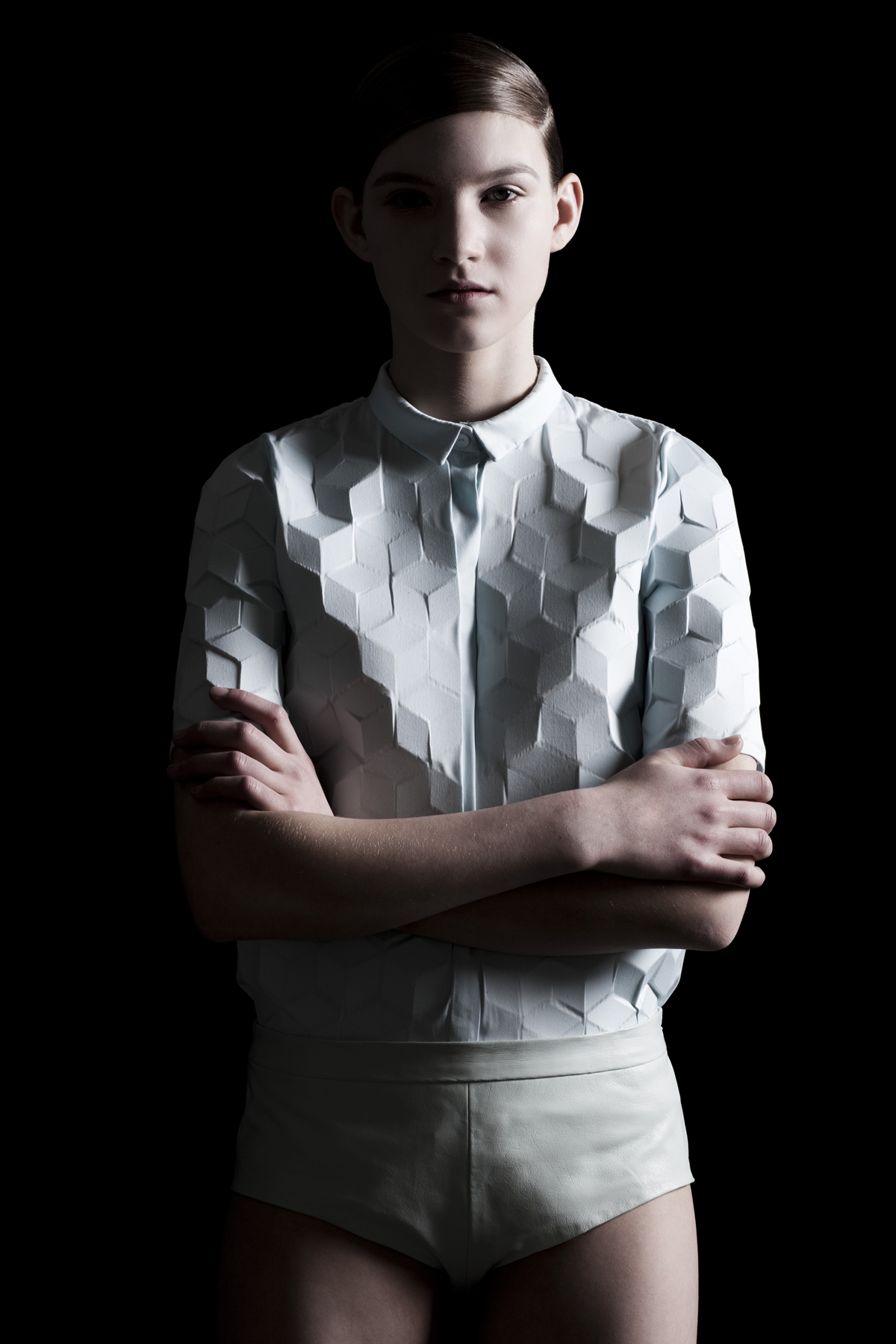
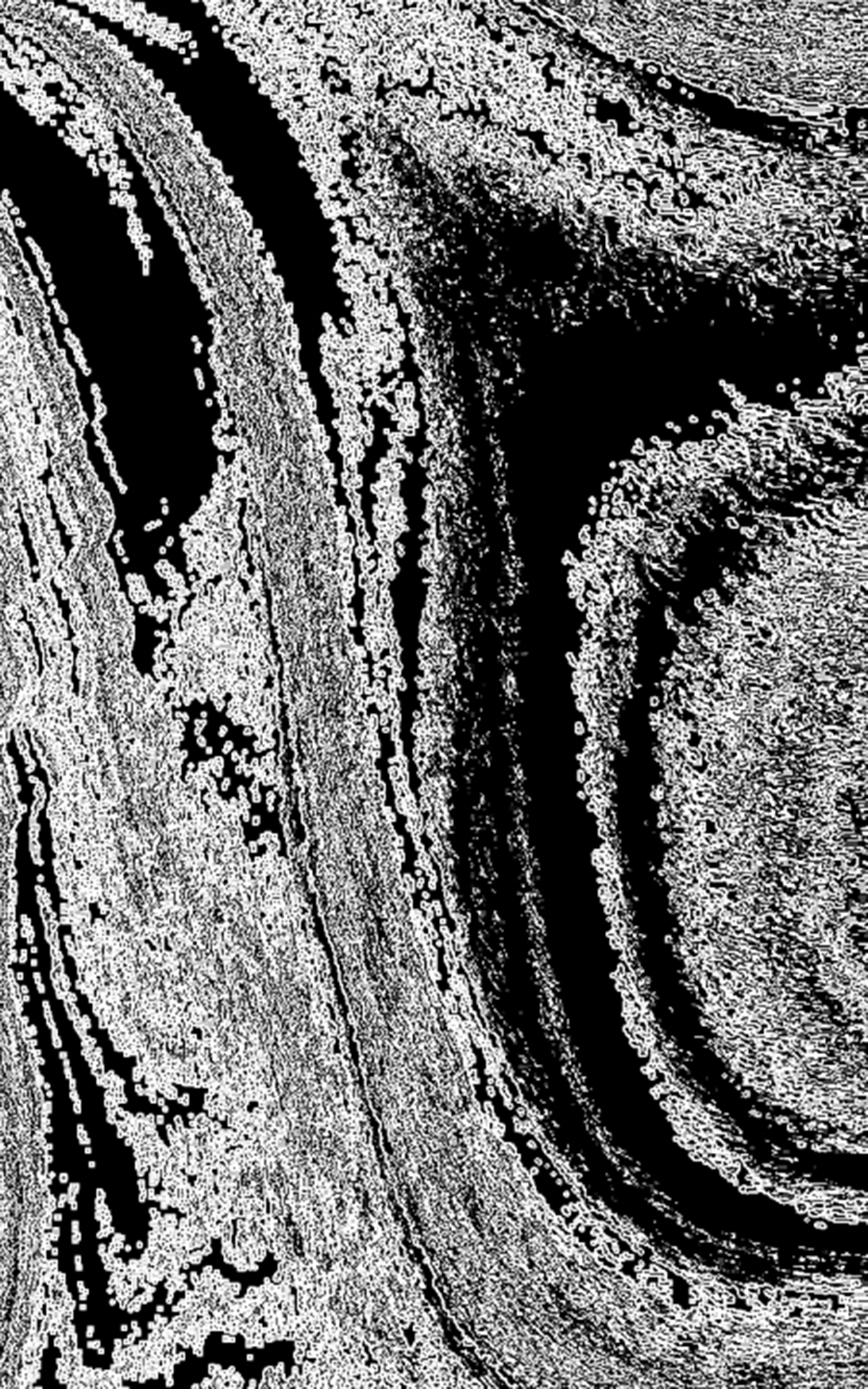
Histerese is a generative video in which a vector map controls the displacement of pixels in an image. Through a feedback loop, the movements accumulate in the system; the image becomes an accumulation of drifts, an overlay of memory itself in motion.

The work invites thinking about advective processes as movements that carry information: vectors of influence that displace ideas and shape the information flows through which contemporary culture itself operates.

BIO

BASICODE is an experimental research and creation project in art and technology. It operates in the expanded field of audiovisuals, dedicating itself to the study and production of real-time audiovisual performances. Starting in 2018 as an academic research project at the State University of Paraná, the project explores the fields of expanded audiovisual, visual music, and intermedia.
Daniel Samama – Jairo’s Garden – Netherlands

JAIRO’S GARDEN

Daniel Samama


FILE SÃO PAULO 2026: Inter-creativity – Art and Technology – LED SHOW
Electronic Language International Festival


Jairo’s Garden – Netherlands

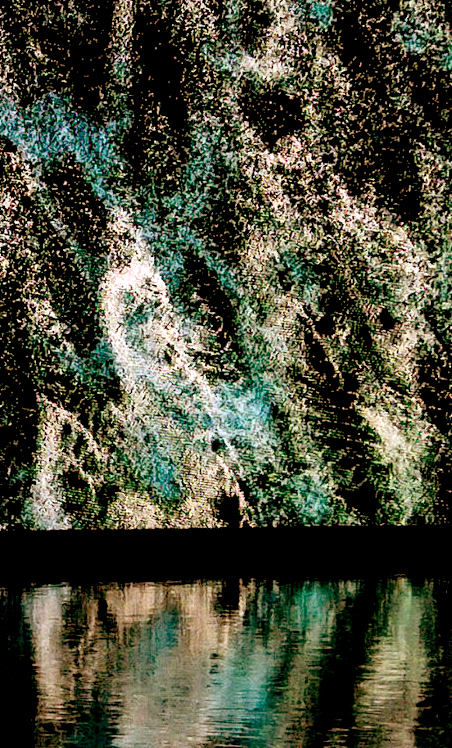
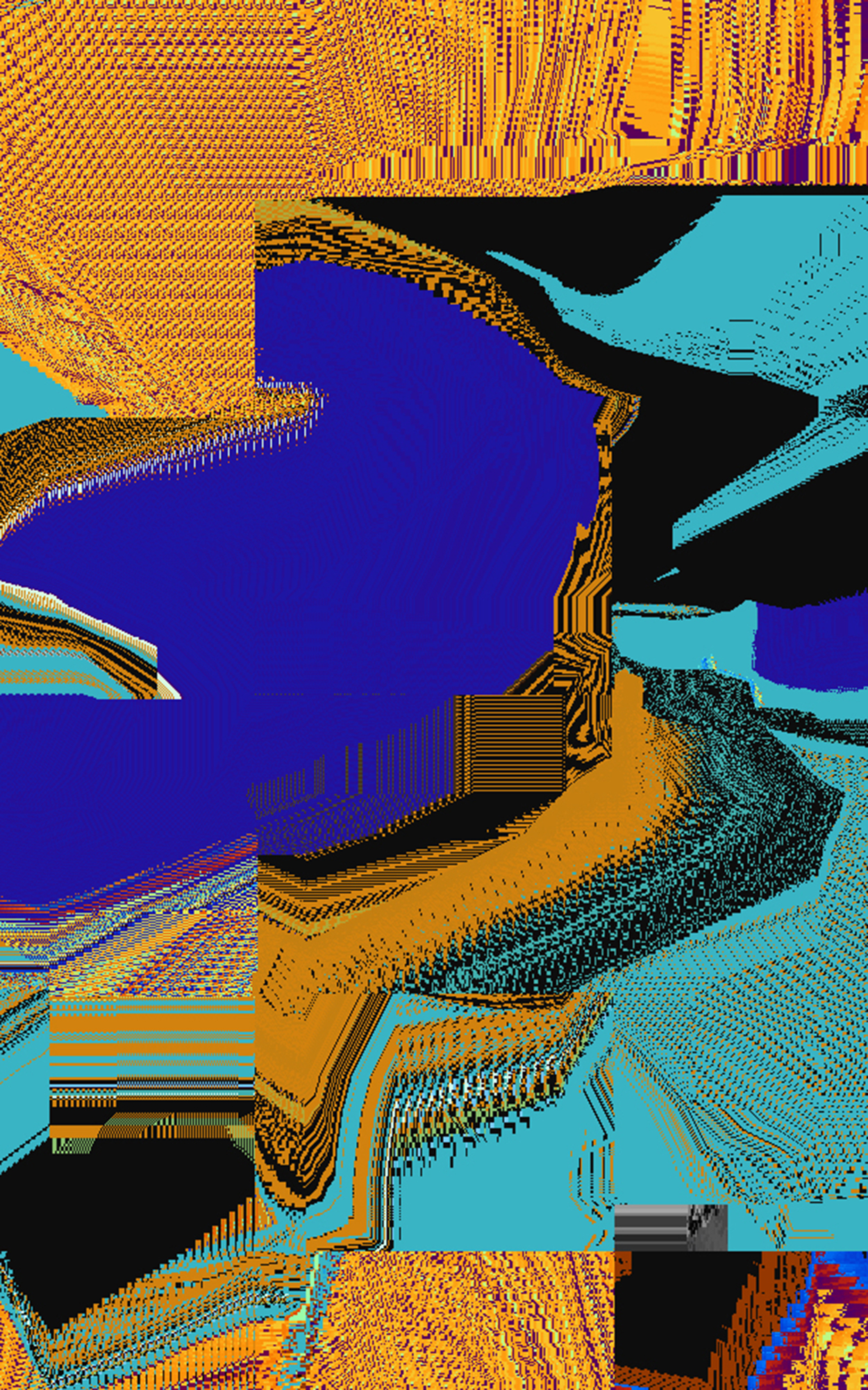
JAIRO’S GARDEN is a generative animation, coded while in Jairo’s Garden in Guatapé, Colombia. The animation tries to encapsulate the colors and movement of nature. It is both smooth and unexpected, both chaotic and in harmony. The work is crafted from a carefully coded series of feedback loops and chaos generators. Together, the animation creates itself: pixels push pixels, that push pixels who push pixels. Colors are semi-randomly inserted and being formed to streams, planes, clouds, mountains.

BIO

Daniel Samama creates generative art that shapes light and time with code and chaos. His work shows how code and chaos can form a perfect symbiosis, revealing endless beauty in unpredictability. It reflects a fascination with the unexpected and with creating playgrounds in which the digital is always in motion, with an infinite variety of shapes and colours.

Guli Silberstein – MATERIALIVE – United Kingdom

MATERIALIVE

Guli Silberstein


FILE SÃO PAULO 2026: Inter-creativity – Art and Technology – VIDEO ART SHORT
Electronic Language International Festival


MATERIALIVE – United Kingdom

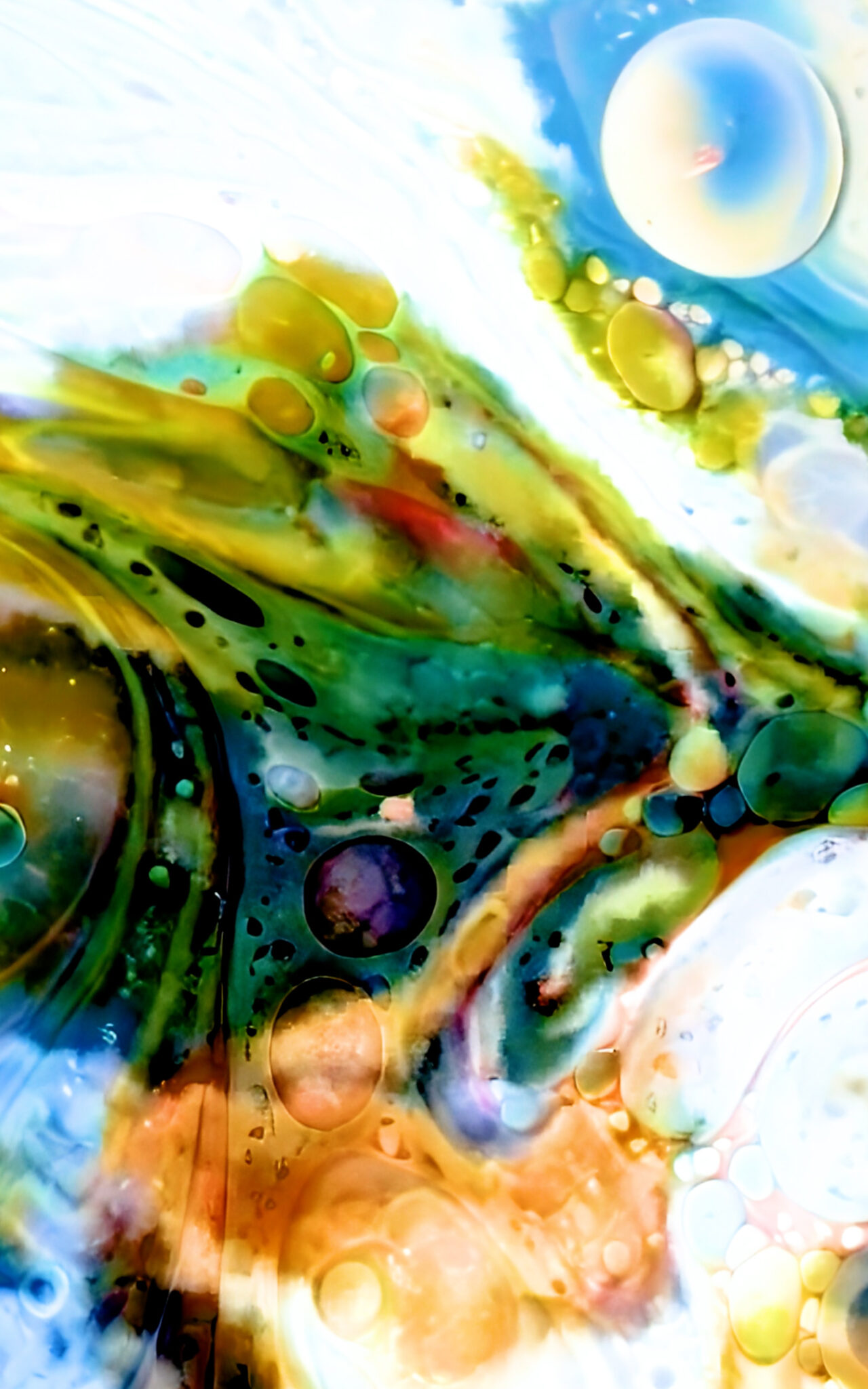
Data, body, pixels, fluids, neural networks and nature, all moshed up through a unique combination of generative AI and algorithmic datamoshing. Morphing videos in the uncanny valley, MATERIALIVE becomes a poem for human and nature (co)existence and its processing by organic forces and technological powers. A hybrid emerges: an audiovisual documentary of the hyperreal, or perhaps a living form born from the history of our dreams and hallucinations. A material, perhaps maternity, for thought.

BIO

Guli Silberstein is a London-based digital/AI video artist working for more than two decades. Since earning a Master’s degree in Media Studies from The New School in 2001, he has specialised in VFX, glitch art and AI, exploring how ideas and stories translate into moving forms. His work has been showcased and awarded at festivals and exhibitions worldwide.

François Quévillon

Unearth
Rotsen van de aardmantel komen uit de leegte tevoorschijn, gefragmenteerd in een veelvoud aan gezichtspunten. Met een hypnotiserende en schurende soundscape bewegen ze zich op een schilderkunstige manier om het publiek heen. Hun gelaagde zanderige pixelsporen worden langzaam weggespoeld. Unearth is gemaakt voor de .dreams-tentoonstelling van Generative Gallery in het Theatre of Digital Art in Dubai. Het meeslepende stuk weerspiegelt de kustsituatie van de stad naast de woestijn en de voortdurend veranderende omgeving, sterk hervormd door mensen, kwetsbaar voor natuurlijke fenomenen, klimaatverandering en de vraag naar hulpbronnen.

PROTOROOM Metamedia Collective

Metapixels
PROTOROOM은 테크놀로지 매체 기반의 키트(KIT)로 작업을 하는 메타미디어 콜렉티브이다. 여기서 키트는 감각하고 사유를 이끄는 메타적 매체로서, 컴퓨팅 매체의 근본적인요소를 직접 감각하는 기회와 함께 생태계의 일부화된 테크놀로지에 대한 사유과 담론을가능하게끔 연결해주는 매개자가 된다. 이를 이라는 주제로 전시, 워크숍 등의 작업으로 풀어내는 연작을 이어가고 있다. 2014년 부터 후니다 킴과 김승범이 활동하고 있다. 최근에는 전시 X 워크샵이란 형식으로 2016년 일본에서 NTT 인터커뮤니케이션센터[ICC] ‘Media Art as an Awareness Filer ’와 백남준아트센터 “우리의 밝은 미래 – 사이버네틱스 환상 “에서 기획전에 참여하였다.

PROTOROOM Metamedia Collective

Metapixels
PROTOROOM es un colectivo de metamedia que trabaja con kits basados ​​en medios tecnológicos (KITs). Aquí, el kit es un meta-medio que conduce al sentido y al pensamiento, y se convierte en un mediador que hace posible conectar el pensamiento y el discurso sobre la tecnología que es parte del ecosistema, junto con la oportunidad de sentir directamente los elementos fundamentales de la informática. medios de comunicación. Bajo la temática de este, continúa su serie de trabajos para desentrañar a través de exposiciones y talleres. Hunida Kim y Kim Seung-beom han estado activos desde 2014. Recientemente, en el formato de Exposición X Taller, participé en exposiciones especiales en el Centro de Intercomunicación NTT [ICC] Media Art as an Awareness Filer y Nam June Paik Art Center “Our Bright Future – Cybernetics Illusion” en Japón en 2016.

INT studio

Fotomat
“Fotomat” is een interactieve installatie geprogrammeerd voor de grafische ontwerpstudio NORM (Dimitri Bruni, Manuel Krebs, Ludovic Varone). Het object werkt als een fotohokje volgens de regels van het Archief U.768: het produceert foto’s van 24 x 32 pixels in zwart-wit die worden afgedrukt door een thermische printer. Zo kunnen bezoekers hun gedrukte portret mee naar huis nemen als aandenken aan hun tentoonstellingsbezoek.

Studio Daniel Canogar

Shred
‘Shred’ is een generatieve animatie die NFT’s als grondstof gebruikt. Het algoritme dat de dynamische inhoud van het scherm activeert -op maat ontworpen door de studio- legt in realtime duizenden NFT’s vast die worden geüpload naar e-commerceplatforms. Vervolgens versnippert het de afbeeldingen in rijen pixels en weeft de rijen, net als in een weefgetouw, samen tot nieuwe configuraties. Deze onophoudelijke activiteit roept de onophoudelijke en onvermoeibare koorts van digitaal verzamelen op.

François Quévillon

Pyroclastic Trails
The work shows volcanic rocks rising from the ground that create trails of pixels. The layering of tezontle is generated by a software by modifying the size, speed, trajectory and selection of rocks from a database of photogrammetric 3D scans. Made in November 2019 in collaboration with UNAM’s Instituto de Geografía during a residency for Connecting the Dots, the work is related to research on the impact of mining activities in extinct volcanoes of Sierra de Santa Catarina located south of Mexico City. The video also shows Orbiting Bauxite and 3542 of the Meteors body of works.

OLI SORENSON

Video pistoletto
“O projeto Vídeo Pistoletto me permitiu revisitar as performances de Michelangelo Pistoletto, fundador do movimento Arte Povera, quebrando não espelhos, mas telas de cristal líquido (LCD), usando um martelo e um cinzel. Aqui, os cristais se espalham dos pixels discretos da TV, embora permaneçam parcialmente sensíveis ao sinal de vídeo, para gerar composições orgânicas entre os fragmentos de vidro. Fiel aos princípios da Arte Povera, trabalho com um material tecnológico destinado ao empobrecimento, acompanhando os efeitos da obsolescência planejada. Uma vez danificados, estes são transformados em objetos concretos, como as ferramentas de Heidegger que só se manifestam à nossa consciência uma vez tornadas disfuncionais: as propriedades materiais dessas telas só são perceptíveis depois que eu interrompi sua função de abrir uma janela para o mundo.

Collectif Coin

Abstract
Movement, sound and light interweave in Abstract. It presents a repeating 20 minutes loop inspired by the concept of relativity. Time can be perceived as a vertical dimension in which the pixels travel. This movement will be used to freeze time while the audience keeps their feet firmly on the ground.

PFADFINDEREI STUDIO

Monolithe
Monolith est un travail expérimental non commandé, jouant avec des motifs de pixels irréguliers. Que se passe-t-il lorsqu’un écran présente une disposition non uniforme des pixels? Comment cela influence-t-il notre perception des images et de quelle quantité d’informations visuelles avons-nous même besoin pour franchir la frontière de l’abstrait au figuratif? Pour répondre à ces questions, nous avons créé une sculpture vidéo, qui fait fondre esthétiquement l’écran et le contenu. Dans un jeu entre beauté naturelle et bouleversement technique, les images de bustes classiques se transforment cycliquement en dégradés abstraits et redeviennent des images perceptibles.

MIGUEL CHEVALIER

Leistungspixel
Die Power Pixels-Ausstellung besteht aus zwei generativen und interaktiven Virtual-Reality-Installationen: Complex Meshes 2020 und Oscillations 2020, eine Arbeit, die erstmals der Öffentlichkeit präsentiert wird. Oscillations 2020 ermöglicht eine grafische 3D-Visualisierung der Musik von Michel Redolfi. Eine Wellenform wird in Echtzeit entsprechend den Frequenzen und Amplituden der Musik erzeugt. Diese Klangspektren der verschiedenen Musikklänge erzeugen endlose imaginäre Landschaften. Bild und Musik reagieren in einer Verschmelzung emotionaler Natur aufeinander, die zu einer echten Synästhesie beiträgt.

Henk Stallinga

Fanscreen
Fanscreen is comprised of several panels made up of computer fans which are linked together to form a larger ‘screen’. These screens are arranged side-by-side in a large circle that the viewer can enter. Each fan is programmed independently, creating an effect that mimics individual “pixels” on a larger screen. Moving in synchronicity, the programmed fans produce a kind of “film” of various abstract movements.

Pangenerator

The shimmering pulse
The installation consists of 451 independent modules arranged in a form of hexagon – each module reacts to light it receives by spinning iridescent disc that spreads out thanks to centrifugal force, creating a unique kinetic “physical pixel”. That field of shimmering pixels is combined with light projection mapped onto the installation surface to visualize real-time data of the traffic in the Shenzhen area – the hexagon is divided into sections corresponding the 9 city districts. As a result the public can observe and interact with the object that represents the pulse of life of the city in an artful and unexpected way.

Studio TheGreenEyl

Appeel
»Appeel« is a game without rules. It starts with a wall that is covered all over with a signal red adhesive foil. The foil consists of thousands of circular stickers pre-cut in a narrow grid that wait to be pulled off and put in a new order by the visitors. The stickers, and its white negative on the wall, form, similarly to binary coded pixels, ornaments, news and pictures – on the original wall and far beyond: they move to adjoining rooms, onto faces and even leave the city.

Pfadfinderei Studio

Monolith
Monolith is a noncommissioned experimental work, playing with irregular pixel patterns. What happens when a screen has a nonuniform arrangement of pixels? How does this influence our perception of images and how much visual information do we even need to cross the border from abstract to figurative? Dealing with these questions, we have created a video sculpture, that aesthetically melts screen and content. In a play between natural beauty and technical disruption, images of classical busts transform cyclically into abstract gradients and turn again into perceptible images.

Norimichi Hirakawa

Datum

Any pixel in a digital movie file can be described as a point in 6-dimensional Euclidean space [x,y,R,G,B,t]. the rotations in 6-dimensioal space converts curve in form to gradation in colour, colour to motion in time axis, motion to curve and curve to colour. relations beween all of pixels are mathematically conserved through the conversion.
this visual object is “mathematically” digital colour movie data itself as sequence of numbers. it’s a nature of data.

MIGUEL CHEVALIER

Мигель Шевалье
ミゲル·シュヴァリエ
מיגל שבלייה
미구엘 슈발리에
Power Pixels
L’exposition Power Pixels se compose de deux installations de réalité virtuelle génératives et interactives : Complex Meshes 2020 et Oscillations 2020, oeuvre présentée pour la première fois au public. Oscillations 2020 permet une visualisation graphique en 3D de la musique de Michel Redolfi. Une forme d’onde se génère en temps réel selon les fréquences et les amplitudes de la musique. Ces spectres sonores des différents sons de la musique génèrent des paysages imaginaires à l’infini. Image et musique se répondent dans une fusion de nature émotionnelle qui participe à une véritable synesthésie.

Adrien M / Claire B et Mourad Merzouk

Pixel
A Small tease of the hour long presentation Intertwining body movement with technology is no easy feat. The Dance show is 11 dancers in a virtual and living visual environment. It took the collaborative artistic efforts of artists Adrien Mondot, Claire Bardainne from Adrien M/Claire B Company and Mourad Merzouk from his dance company Käfig to bring to life Pixels. A work on illusion combining energy and poetry, fiction and technical achievement, hip hop and circus.

Asif Khan

UK Pavilion at the Astana Expo 2017
At the heart of the UK pavilion is a stunning 60 metre panorama depicting a living, universal landscape generated entirely by computer. It captures the relationship between the Sun, the Earth and its climate in incredible detail through virtual day and night. At a stunning 40,000 pixels wide it is the largest project of its kind ever undertaken.

GREYWORLD

The Source
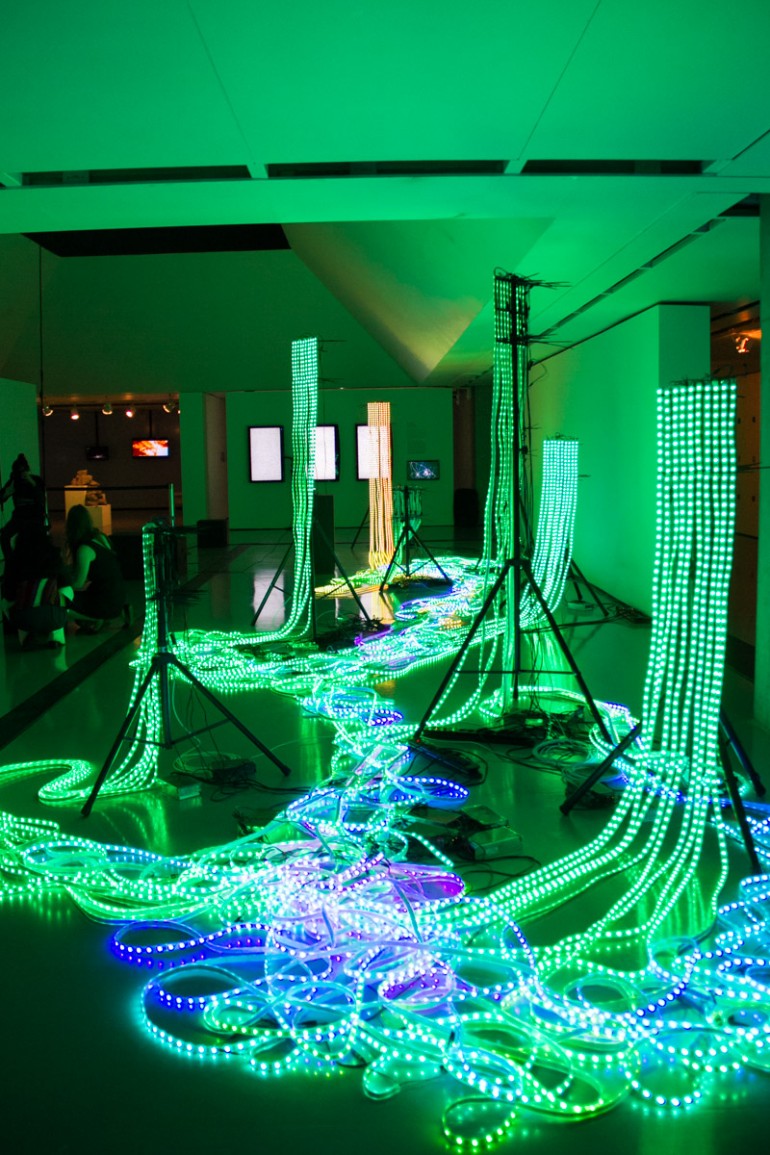
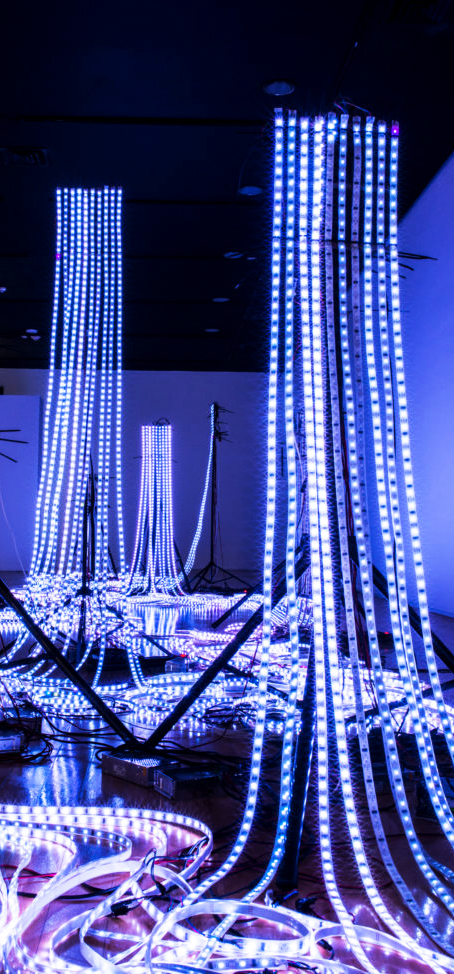
The Source, an eight storey high kinetic sculpture, is the new symbol for the London Stock Exchange. Every morning, millions of viewers around the world will watch the installation come to life, signifying the opening of the London Markets.
“The Source is formed from a grid of cables arranged in a square, 162 cables in all, reaching eight stories to the glass roof. Nine spheres are mounted on each cable and are free to move independently up and down its length. In essence the spheres act like animated pixels, able to model any shape in three dimensions a fluid, dynamic, three dimensional television.Visitors to the atrium are greeted by this motion: its particles rising and falling, generating an infinite range of figurative and abstract shapes that rise, dissolve and reform at different heights in the atrium. The shape of the sun rising on a new day of trade, the names and positions of currently traded stocks, the DNA helix at the center of life formed by the work, and floating in the 32m void of the atrium.”

ARAM BARTHOLL

0,16
0,16 is a light installation in which the shadows of a passer-by is transformed into ‘pixels’. The installation consists of a wall built of small square frames covered front and back with transparent paper. A third layer of paper is attached in the centre of the frames. A lamp shining at a distance breaks the shadows of the passers-by into squares, allowing a pixellated human figure to be seen on the other site of the installation. In this simple way, Bartholl renders tangible the pixels found in the world of digital communications.The ‘resolution’ of the screen is 0,16 ppi (pixels per inch), hence the title.

ALBA PRAT

digitalized
“Tron, a cult film from 1982, takes place in two parallel universes: the real and the virtual. Through a laser that converts real people into pixels, the world of Tron appears like a strange foreign world without sun, where androids live surrounded by 3D landscapes. The film has a strong retro character given by the era of production, which coexists with a high-tech nature. Both aspects are the basis of my collection. It consists in androgyn, straight silhouettes out of wool, leather, cotton and lack. Through different techniques I have created cube patterns on the surface of some of the materials. Giving the designs a technical yet minimalist character.”

FABIANO ONÇA & COLMEIA

Tantalus Quest
file festival

Game designer Fabiano Onça conceived the game, in which people must fill geometric shapes with their own silhouettes (as captured by webcams hanging from the ceiling): Software was built with OpenFrameworks, which is to C++ what Processing is to Java. A prototype was built with Flash (AS3), but it was slow — reading pixel values (BitmapData.getPixel) can be processor-heavy. Thanks to OpenFrameworks, porting the AS3 code to C++ was quite easy. The application is very simple: the images captured by the cameras are brightened, blurred and thresholded, resulting in black blobs. The amount of blob pixels inside the geometric shape count as positive points and the pixels outside the geometric shape count as negative points.

Winy Maas and Rob Nijsse

The Pixel Power

A investigação, cujos resultados foram apresentados nesta exposição, centrou-se na procura de novos princípios de organização de grandes estruturas, exemplificada com um edifício alto. Foi realizado por manipulações sistemáticas das correlações entre as esferas pública e privada, respectivamente representadas de forma abstrata pelo pixel fechado e ‘o pixel aberto’. Essas transformações exploraram diferentes hierarquias possíveis, entre os pixels abertos e fechados, bem como as partes e o todo, questionando aspectos como a redução dos espaços públicos ao átrio do céu e ao pedestal, o domínio do núcleo ou a repetição dos pisos . Todos os experimentos foram conduzidos com a premissa de que seus resultados devem permanecer abstratos, binários e mensuráveis. Eles trataram apenas das inter-relações entre aberto, fechado, vazio e cheio. A tarefa não definiu nenhum programa específico, nem objetivou a realização de um projeto elaborado. Os resultados podem ser entendidos como um conjunto de Nolli Maps tridimensionais de cidades inexistentes, representações de realidades urbanas complexas, que articulam relações entre espaços cheios e vazios – neste caso volumes. O uso do tijolo LEGO como ferramenta de modelagem permitiu medir os volumes e estimar sua capacidade de facilitar um projeto arquitetônico potencial. Fornecendo um esboço válido para uma elaboração posterior das relações exploradas em uma proposta de design.