highlike

SCANLAB

FRAMERATE
Created from thousands of daily 3D time-lapse scans of British landscapes, the work observes change on a scale impossible to see with the lens of traditional cameras. This is not just an artwork. The data collected and presented by FRAMERATE is ground-breaking scientific research, containing empirical, measurable facts. We glimpse a future perpetually documented by the eyes of a billion autonomous vehicles and personal devices, creating high fidelity spatial records of the earth.

ScanLAB

Replica
We begin with a tour of a virtual 3D model of the London house-cum-museum built by 19th-century architect Sir John Soane. The journey traverses the five floors of the museum’s meticulously restored rooms, each filled with original and duplicate fragments of antiquity. Sir John Soane (1753-1837) was one of the foremost British architects of the Regency era, a Professor of Architecture at the Royal Academy, and a dedicated collector of paintings, sculpture, architectural fragments and models, books, drawings and furniture. Soane was awarded the Royal Academy’s prestigious Gold Medal for Architecture, as a result receiving a bursary (funded by King George III) to undertake a Grand Tour of Europe. His travels to the ruins of Ancient Rome, Paestum and Pompeii would inspire his lifelong interest in Classical art and architecture. As an enthusiastic collector, later in life he began to repurpose his home at Lincoln’s Inn Fields as a Museum for students of architecture. With a collection containing thousands of objects ranging from Ancient Egyptian antiquities and Roman sculpture to models of contemporary buildings, Soane’s house had become a Museum by the time of his death.

Scandinavian Design Group, Abida, Intek & Ctrl+N

Breaking the Surface
Ondas de luzes douradas parecem brilhar e flutuar no teto de “Breaking the Surface”, uma instalação interativa concebida por Scandinavian Design Group, ctrl+n, Abida, Pivot Product Design e Intek. A escultura cinética é composta por uma série de tubos de acrílico que se estendem pelo chão de uma matriz mecânica de dois pavimentos, movendo-se graciosamente para cima e para baixo da superfície de modo a evocar imagens da geografia submarina. Saiba mais sobre a instalação a seguir.

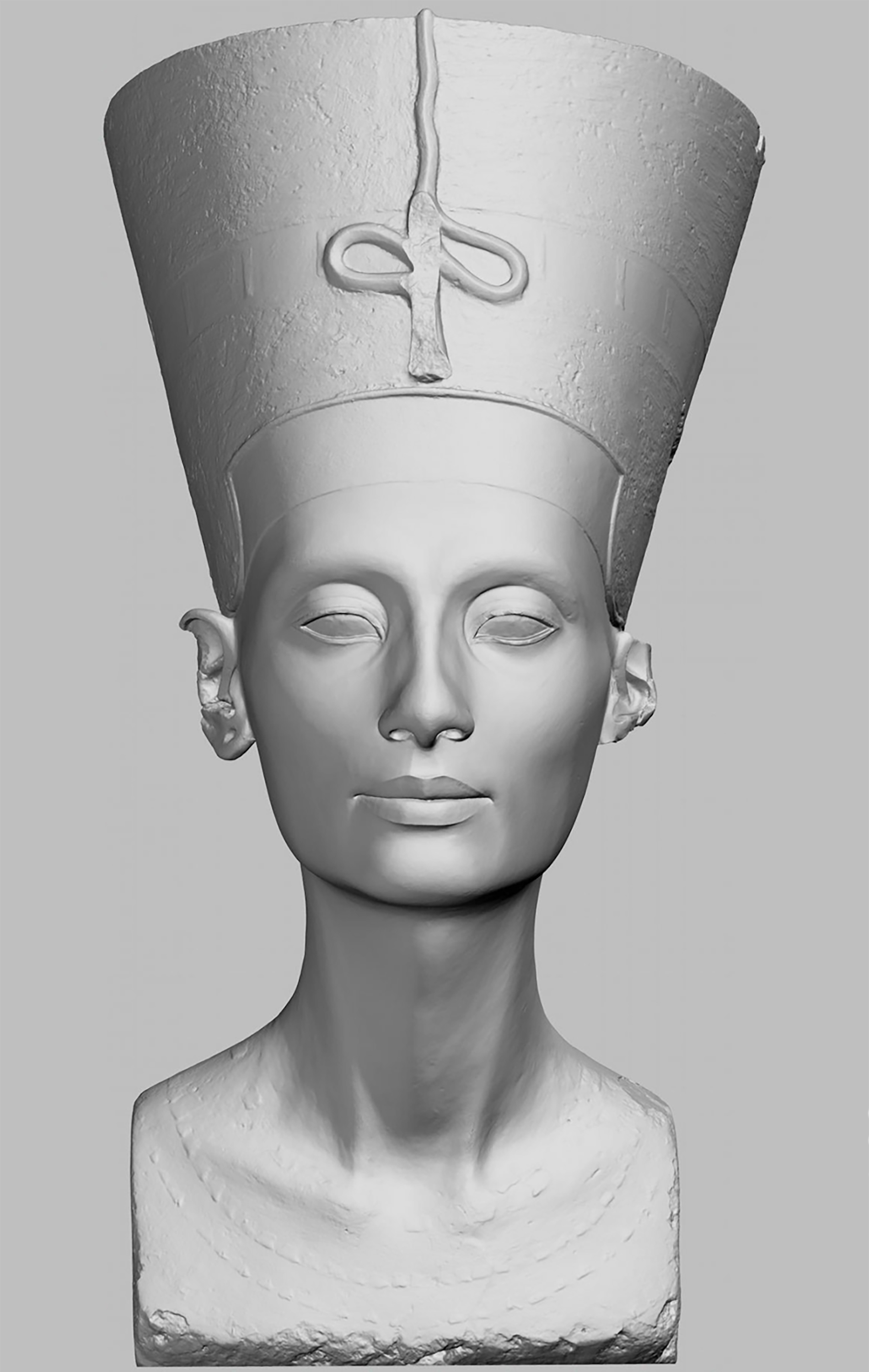
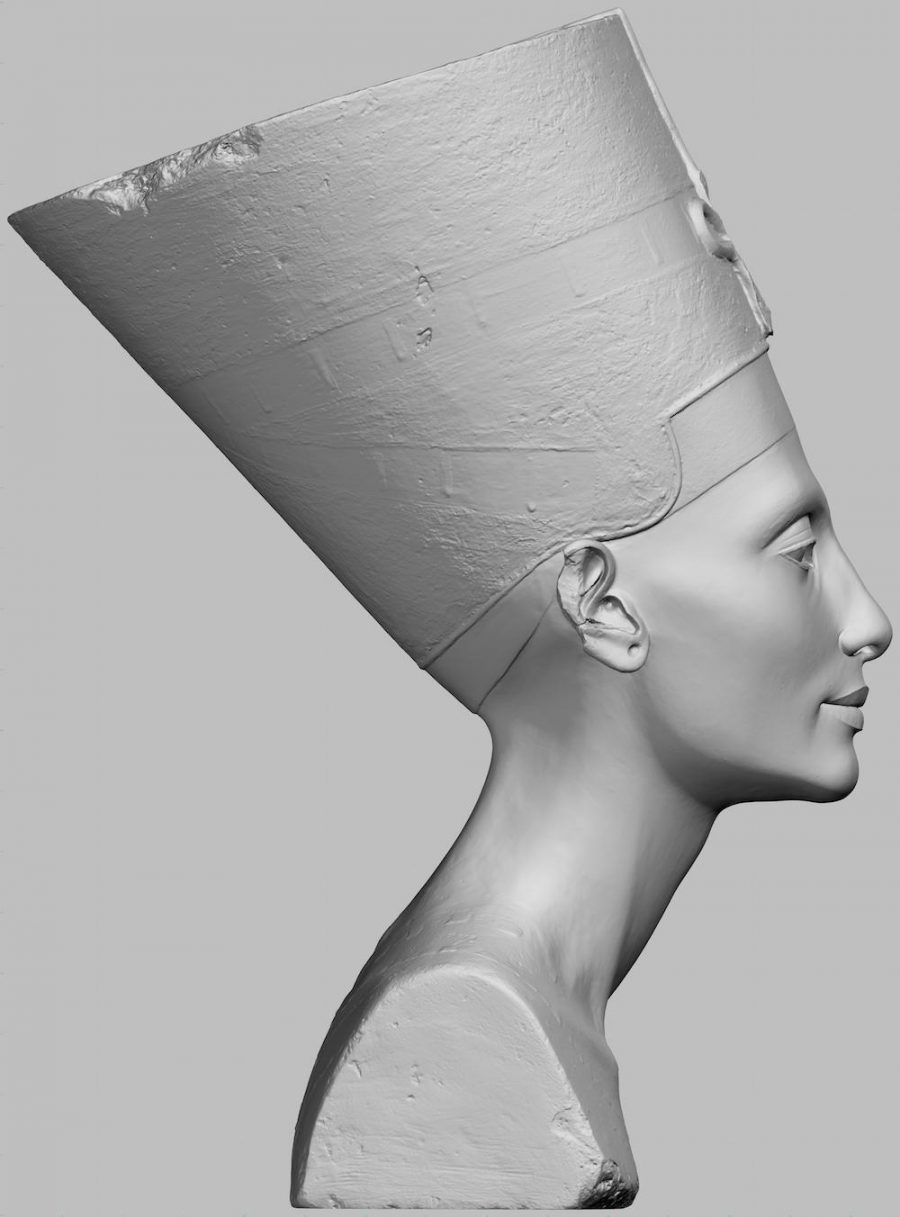
BUST OF NEFERTITI-3D SCANS NEUES MUSEUM

“This is the Berlin Egyptian Museum and Papyrus Collection’s full-color, 6.4 million-triangle 3D scan of the Bust of Nefertiti. I was able to obtain this data after a three-year freedom of information effort directed at the Prussian Cultural Heritage Foundation, which oversees Berlin State Museums.” Cosmo Wenman

Bust of Nefertiti-3D Scans Neues Museum

Years ago, a scandalous “art heist” at the Neues Museum in Berlin—involving illegally made 3D scans of the bust of Nefertiti—turned out to be a different kind of crime. The two Egyptian artists who released the scans claimed they had made the images with a hidden “hacked Kinect Sensor,” reports Annalee Newitz at Ars Technica. But digital artist and designer Cosmo Wenman discovered these were scans made by the Neues Museum itself, which had been stolen by the artists or perhaps a museum employee.

Selgascano

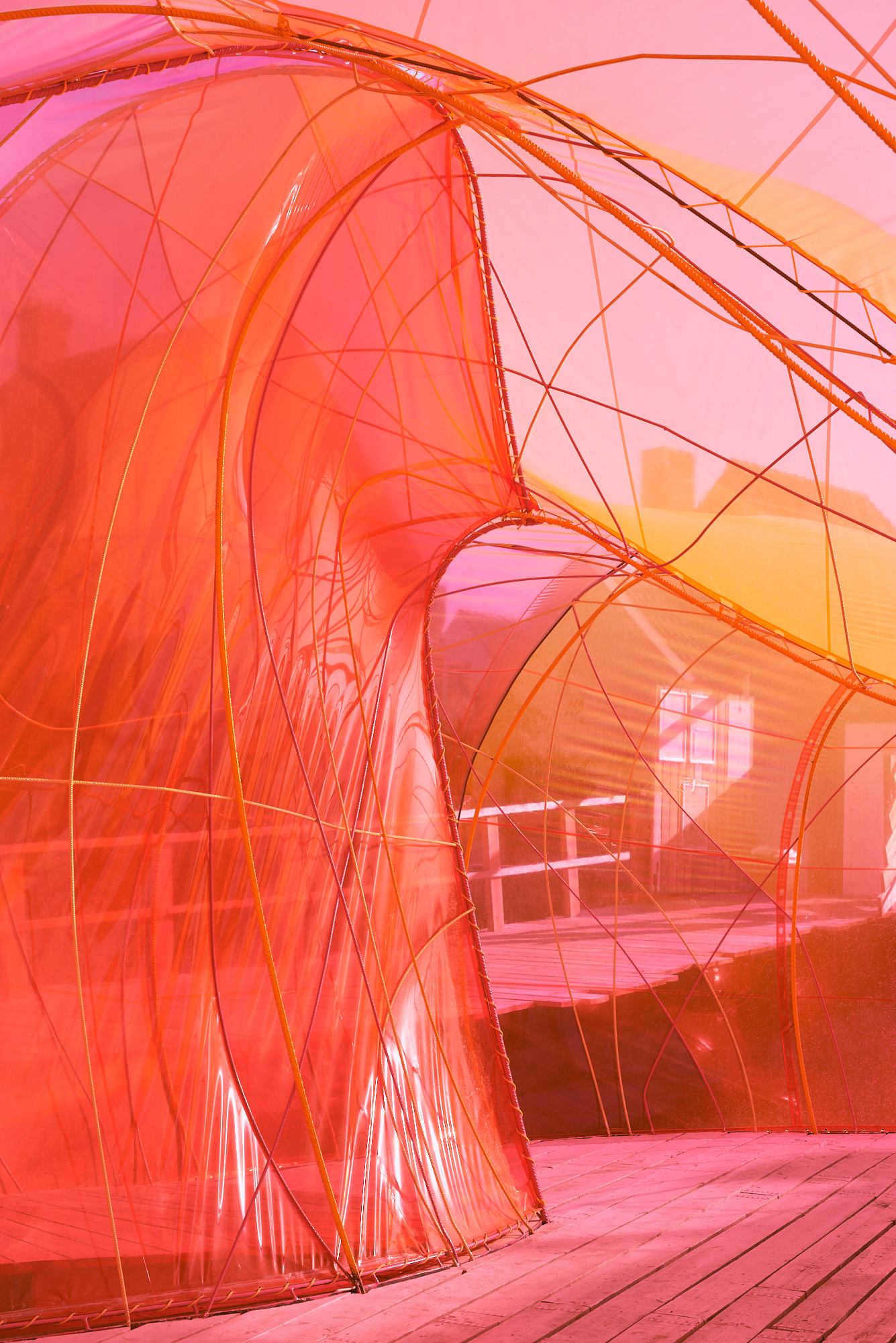
Selgascano Pavilion
architectural photographer: Henry Woide
“Der 2015 Serpentine Gallery Pavilion wurde heute in London offiziell eröffnet und zeigt zum ersten Mal eine farbenfrohe und verspielte Struktur, die vom spanischen Büro SelgasCano entworfen wurde. Mit einer minimalen Metallstruktur, die von farbigen ETFE-Platten und Bändern umgeben ist, besteht das Projekt aus” geheime Korridore “, die den Zugang zum Hauptinnenraum ermöglichen, der vom chaotischen Londoner U-Bahn-Netzwerk inspiriert ist.
Bekannt für seine Arbeit mit synthetischen Materialien, verleiht die Wahl von SelgasCano durch das farbige ETFE der Struktur “Bewegung und Leichtigkeit”, da sich der Kunststoff ein wenig verdrehen kann, um den metallischen Elementen zu entsprechen. Der gemeinsam mit Ingenieuren von Aecom und David Glover entwickelte ETFE-Kunststoff wurde in 19 Farben gedruckt, um die Vielfalt der von Architekten gewünschten Farbtöne zu gewährleisten.
Die Architekten José Selgas und Lucía Cano, die im Jahr 2000 mit einer Struktur von Zaha Hadid anlässlich des 15. Jahrestages des Serpentinenpavillons eingeweiht wurden, erklärten, dass der neue Pavillon, obwohl das Projekt nicht wie etwas aussieht, das zuvor vor Ort durchgeführt wurde, dennoch “eine Hommage an” ist alle anderen und eine Hommage an alle Geschichten, die von diesen Projekten erzählt wurden”.” Rory Stott

David Ricardo Romero Alvis – Danza de piedras y caminos – Colombia

DANZA DE PIEDRAS Y CAMINOS

David Ricardo Romero Alvis


FILE SÃO PAULO 2026: Inter-creativity – Art and Technology – LED SHOW
Electronic Language International Festival


Danza de piedras y caminos – Colombia

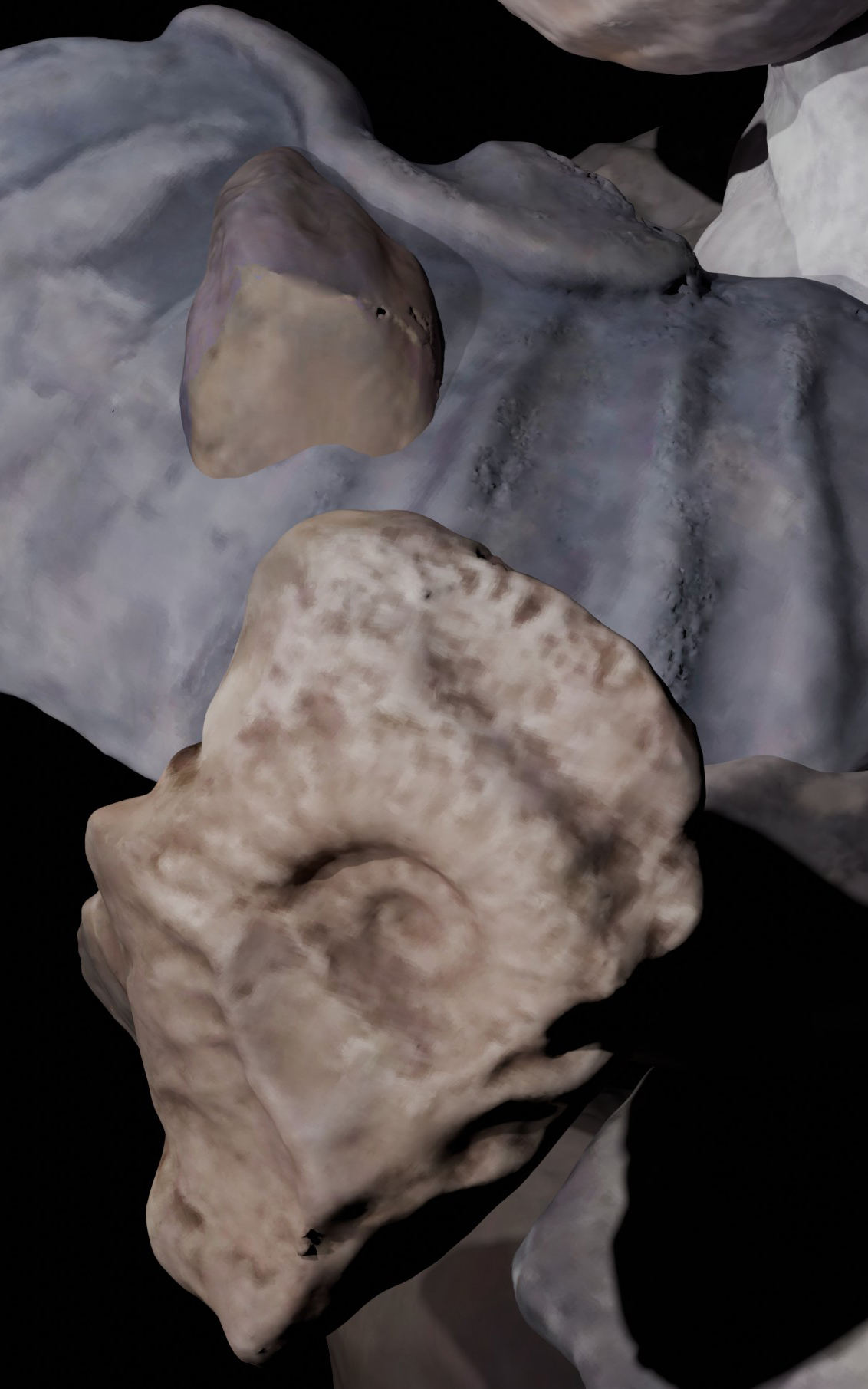
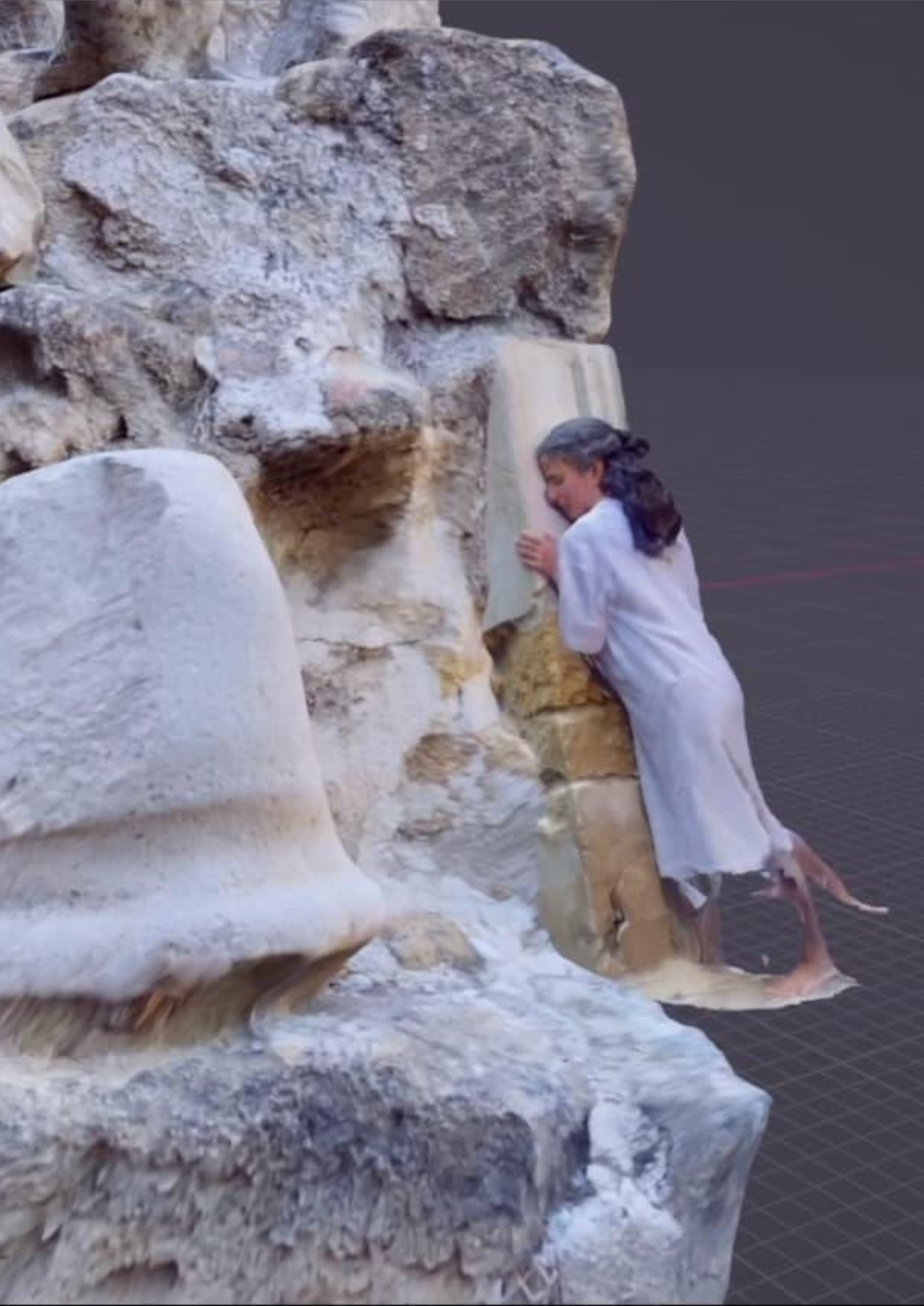
The work emerges from walking. It is built from 3D scans of enchanted stones found along paths, rivers, and Indigenous trails that were paved during the colonial period—ancestral and sacred routes within what is now Colombian territory.

BIO

David Ricardo is a 26-year-old Colombian artist interested in the dialogue between “natural” forms and virtual and electronic spaces. Through a vital materialist approach, he affirms the complexity of forms as a starting point for other possibilities of life and perception.

Gerald Trimmel – GARGANTUA (20250302) – Austria

GARGANTUA (20250302)

Gerald Trimmel


FILE SÃO PAULO 2026: Inter-creativity – Art and Technology – VIDEO ART SHORT
Electronic Language International Festival


GARGANTUA (20250302) – Austria

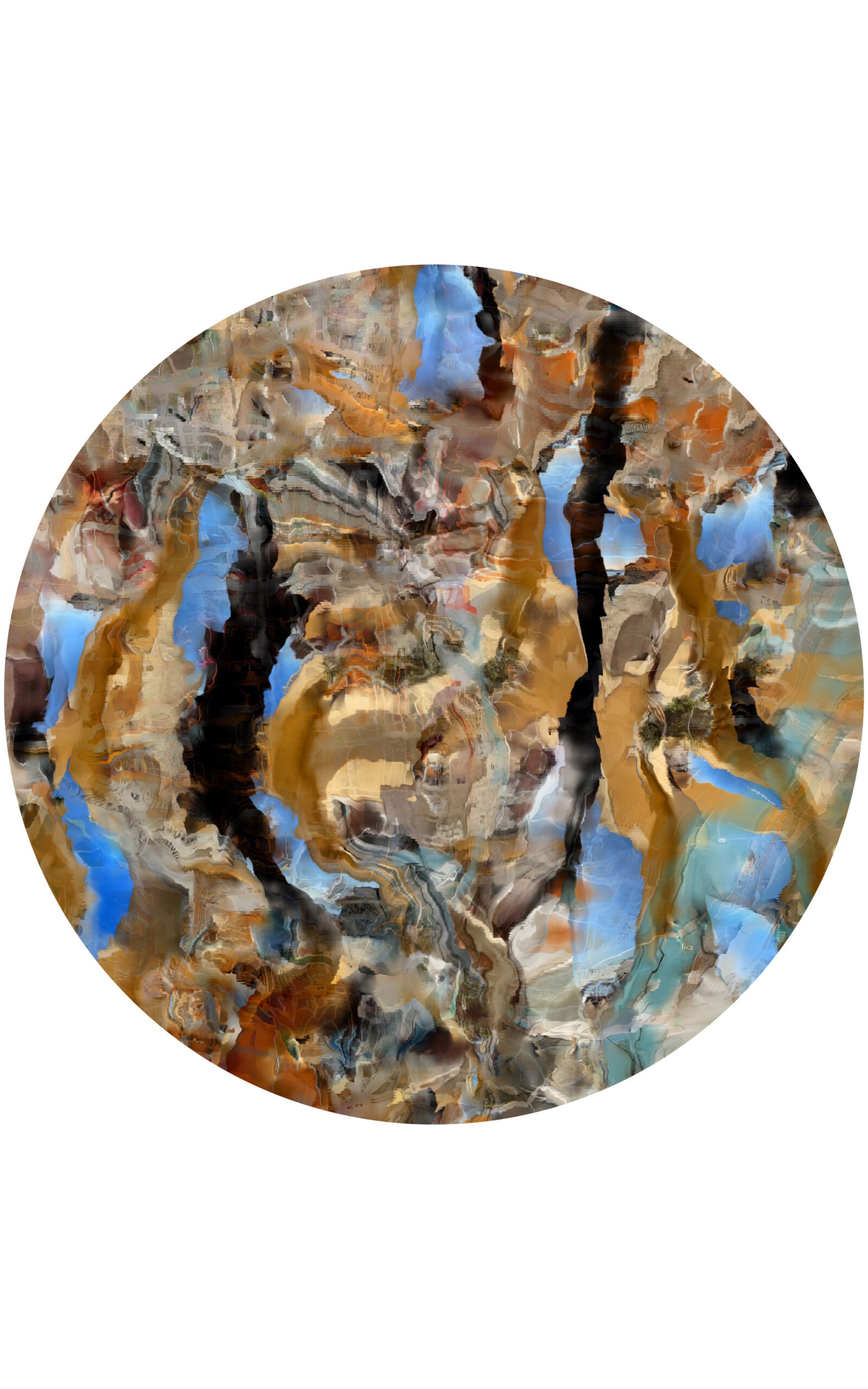
GARGANTUA (20250302) is a dynamic Cybernetic Canvas exploring AI-based image transformation as a metabolic process. Hybrid source materials—osmotic paintings, scans, chemical micro-scenarios, and dismantled diagrams—are processed through algorithmic recombination into a continuously shifting circular field. The work stages an unstable dialogue between visual matter and electroacoustic sound, forming a dense system of feedback, drift, and perceptual unrest.

BIO

Gerald Trimmel is a Vienna-based media artist, composer, and art therapist. His work explores transformation processes between analog material, digital systems, and AI-based image generation, often in circular audiovisual formats (Cybernetic Canvas). Recent presentations include Chongqing (China), ArteScienza Festival (Rome), and The Wrong Biennale (São Paulo | online).

Alessandra Arnò – Selfportrait+Computational Object 1 – Italy

SELFPORTRAIT+COMPUTATIONAL OBJECT 1

Alessandra Arnò


FILE SÃO PAULO 2026: Inter-creativity – Art and Technology – VIDEO ART SHORT
Electronic Language International Festival


Selfportrait+Computational Object 1 – Italy

Self Portrait+Computational Object 1 (2025) is a video exploring identity within computational systems. A photogrammetric scan transforms the artist’s body into a fragmented 3D dataset, later reprocessed by generative AI. As abstraction shifts toward recognition, the work reveals how machine vision reconstructs the self as a mutable, algorithmic object rather than a fixed image.

BIO

Alessandra Arnò is an Italian multimedia artist working at the intersection of video art, digital media aesthetics and artificial intelligence. Her research investigates technological gaps and self-representation through computational aesthetics and machine vision, engaging critical, feminist and decolonial perspectives. Her work has been exhibited internationally.

Samim Mehdizadeh & Oliver Tessmann – Animate Concrete – Iran / Germany

ANIMATE CONCRETE

Samim Mehdizadeh & Oliver Tessmann


FILE SÃO PAULO 2026: Inter-creativity – Art and Technology – Discrete Architecture
Electronic Language International Festival


Animate Concrete – Iran / Germany

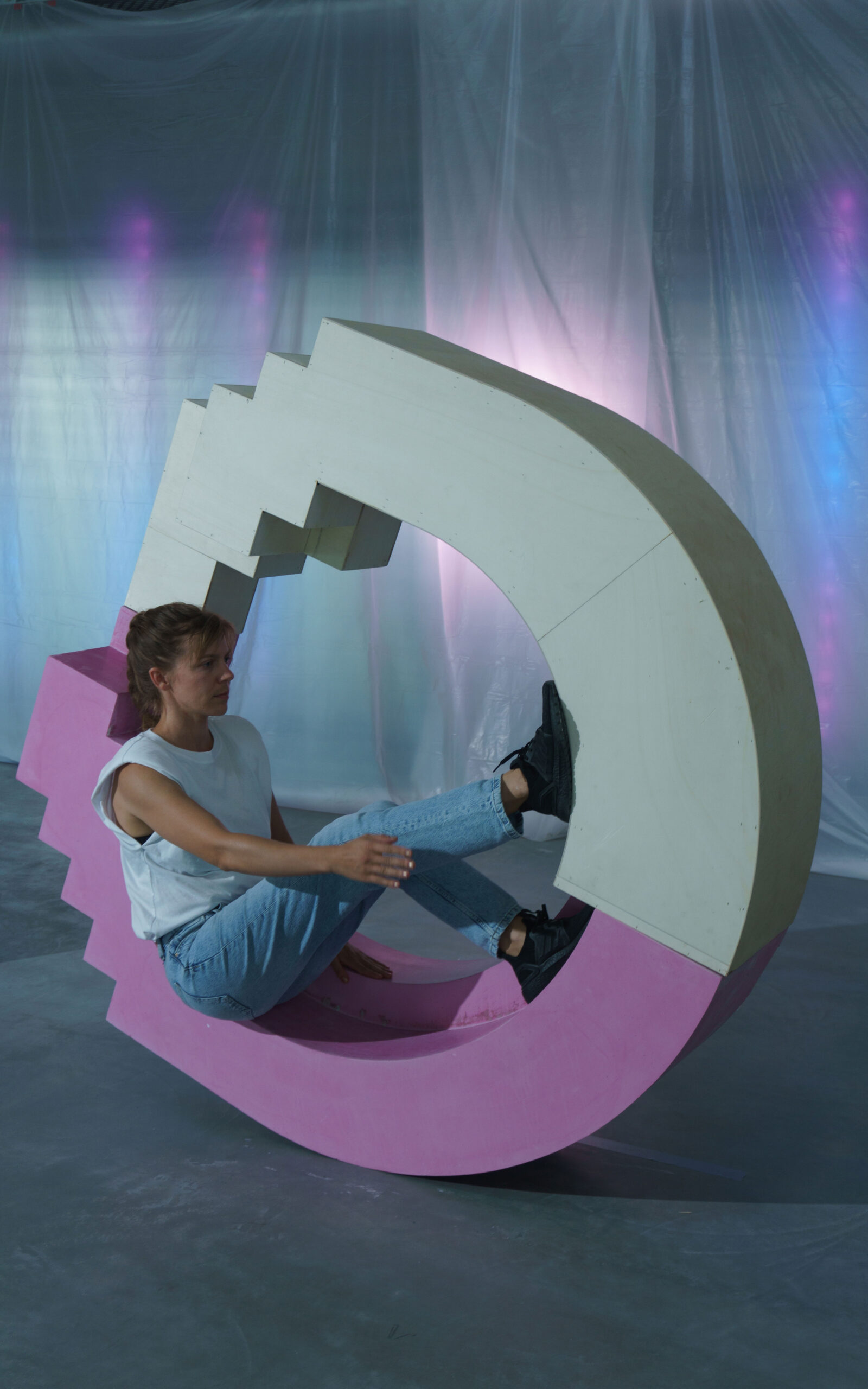
Roto-moulded concrete elements by the Digital Design Unit become dancing partners.

Architects from the Digital Design Unit (DDU) in Darmstadt and the choreographers from Berlin-based studio tanzpol explore the interrelationship of choreography and architecture with their Animate Concrete project. What happens when you can dance with architectural elements? What if seemingly massive pieces rock and move at the touch of your hand?

BIO

Project team:

Architecture: Digital Design Unit (DDU), Prof. Dr.-Ing Oliver Tessmann, Samim Mehdizadeh M.Sc., Technische Universität Darmstadt. Choreography: Ashkan Afsharian, Johana Kasperowitsch, tanzpol, Samim Mehdizadeh. Dance: Johanna Kasperowitsch, Susanne Grau. Scientific development and project management: Samim Mehdizadeh M.Sc. Robotic fabrication: Danial Ahmad, Mirko Dutschke, Jingwei Fang, Bingqun Liu, Joshua Schäfer, Luke Schüßler, Daniel Schinkels, Malcolm Unger, Leon Witschorke. Design team: Nesrin Asma, Bingqun Liu, Aleyna Yanar, Ye Hong, Luke Schüßler, Daniel Schinkels, Kai Shima, Robin Wehrle, Jasmin Tietianiec, Malcolm Unger, Mashal Maria Hashimi, Jingwei Fang, Yishu Dai, Joshua Schäfer, Mirko Dutschke, Cristina Maria Calin, Sara Elif Yildiz, Tong Lee, Leonie Konz. 

Movie:

Maxim Abrossimov: Animate Concrete – Dance with Me! , Animate Concrete – Making Of . Joshua Schäfer: Animate Concrete – 3D Scan and Motion Tracking

Isabell Bullerschen – Ipseria – Switzerland

IPSERIA

Isabell Bullerschen


FILE SÃO PAULO 2026: Inter-creativity – Art and Technology – Augmented Realities
Electronic Language International Festival


Ipseria – Switzerland

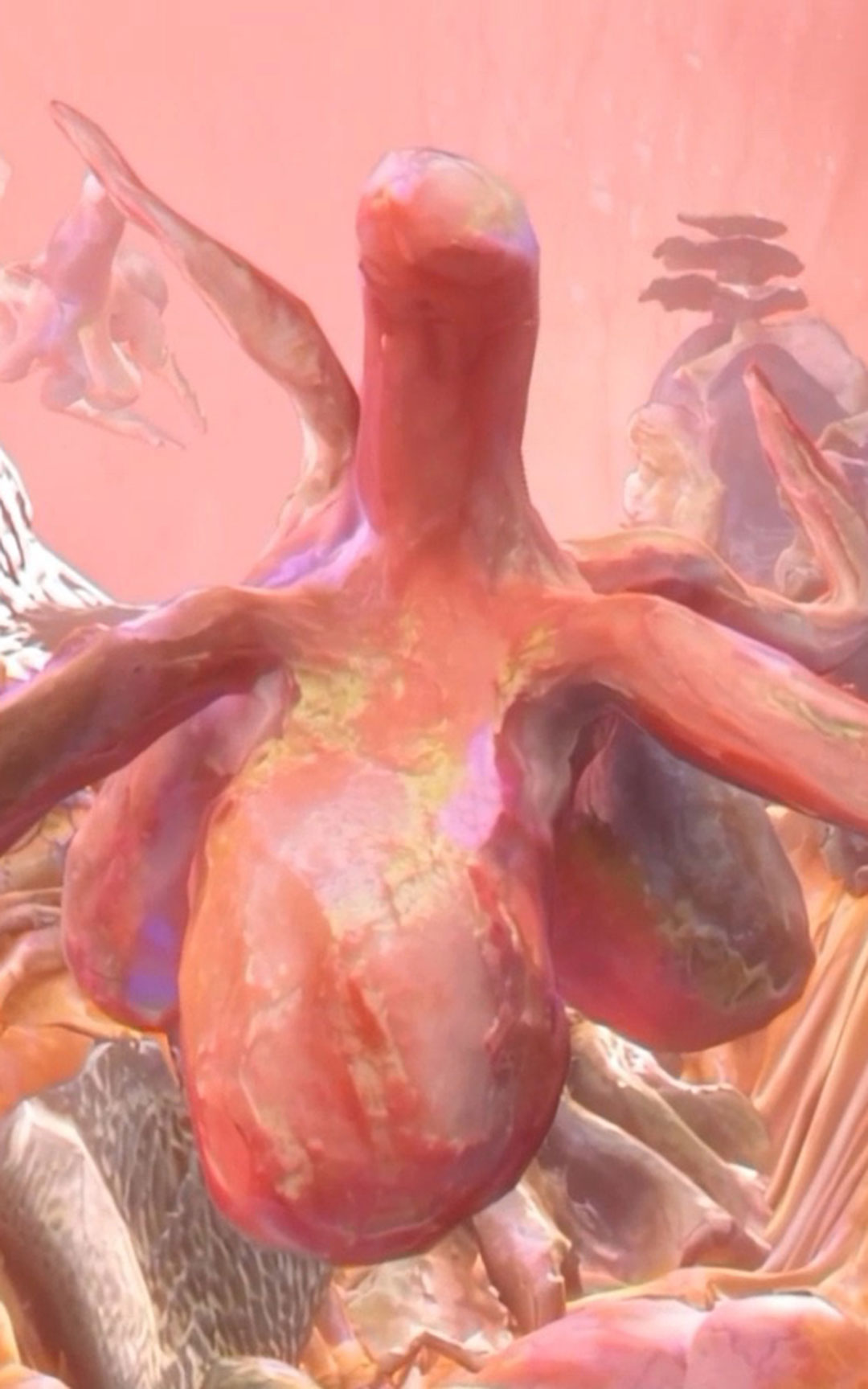
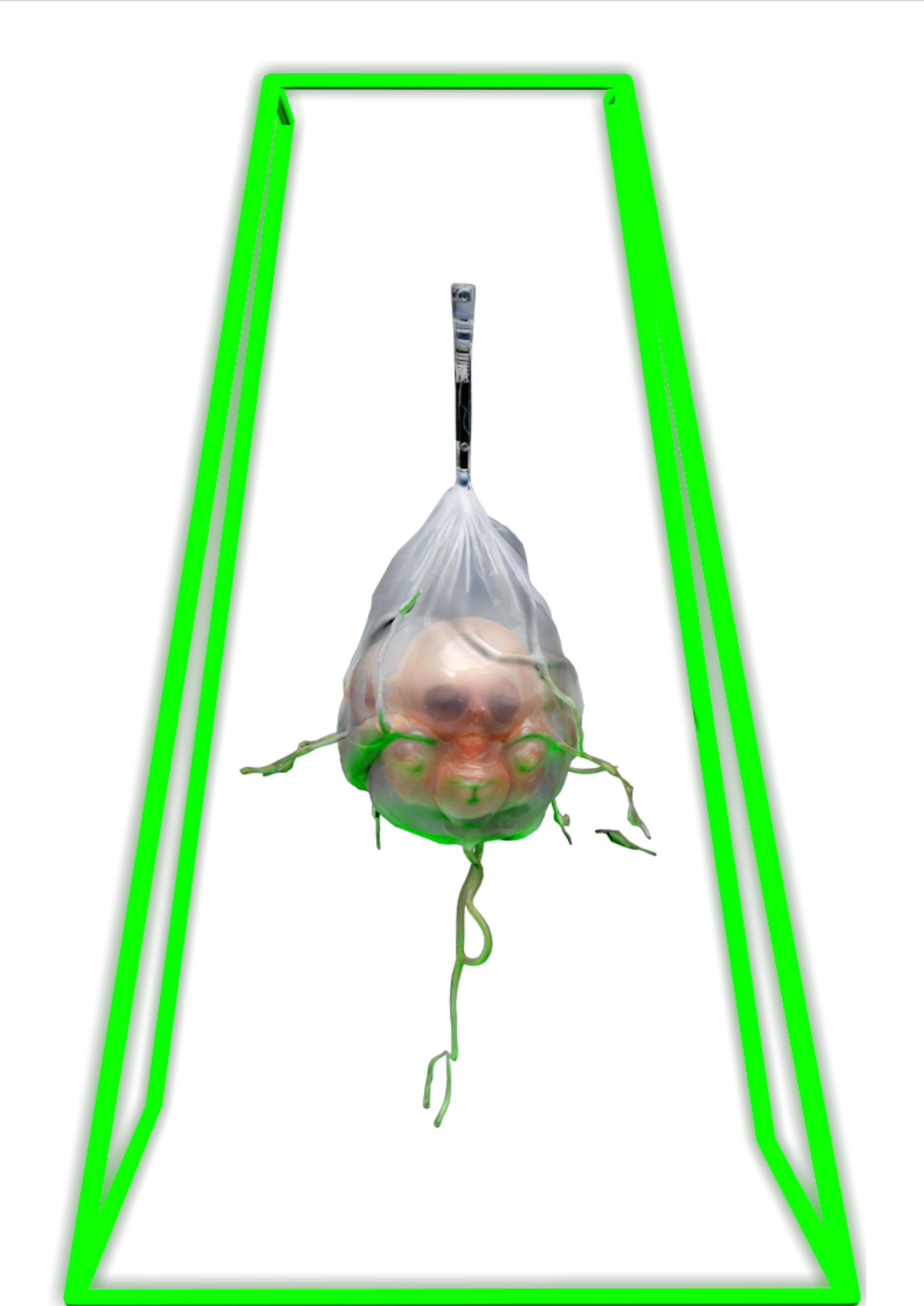
An unusual experience awaits recipients: a virtual reality with no digitally-generated content. ipseria and its virtual environment have their origin in the physical realm. Various materials like clay, plasticine and latex have been modeled, as well as organic materials, such as lichen or slime molds, have been collected and cultivated. By using 3D scanners the sculpted, collected, and grown elements were digitized, then processed in the 3D program Houdini and finally combined in the gaming software Unity to create a 360° VR experience. Hence, the virtual and physical worlds are intertwined.

BIO

Isabell Bullerschen (she/her) is interested in slimy organisms and the construction and blending of realities. Through installations and videos, she explores the potential that lies in the deconstruction and rewriting of narratives. She employs a meta-surgical method in which her work serves as a scalpel to dissect anthropocentrism. 

CREDITS

Concept/Script/Direction/Modelling/3D Scans/Production: Isabell Bullerschen

3D Animation: Florian Baumann 

Game Design: Sebastiaan Cator

Programming: Arno Justus

Sound: Aske Lyck Pedersen and Paloma López & Leslie García (interspecifics)

Voice Over: Netanya Woodard, Molly Schaad 

Flute: Chantal Dubs

Scent: Andreas Wilhelm 

Seating: Jope Schneider

Project Advisor: Roger Meier

With the support of: Swiss Art Council Pro Helvetia, Kanton Zürich Fachstelle Kultur, Stadt Zürich Kultur, Ernst Göhner Stiftung

DAVID DAWSON

timelapse/(Mnemosyne)


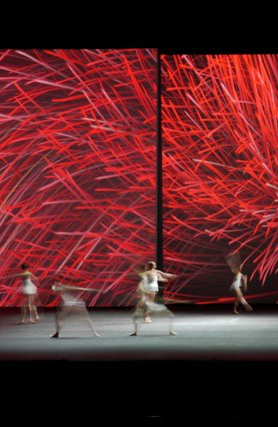
With his newest creation David Dawson marked his return to the Dutch National Ballet. Here, Dawson reflects upon the legends from Greek Mythology and the ideas of Memory. Each passing scene weaves a magical journey back in time, exploring the ideas that lay within these stories and questions their continued value and meaning to our modern day psyche. With an original new score specially commissioned from Scanner, set design and projection by artist Eno Henze, and also with long term collaborators, light designer Bert Dalhuysen and costume designer Yumiko Takeshima.

GREGORY CHATONSKY

I Just Don’t Know What To Do With Myself


I Just Don’t Know What to Do with Myself est une série d’appareils autour des empreintes digitales. L’empreinte digitale est une image que chacun d’entre nous porte en lui. Cette installation cherche à détourner son usage habituel et l’identification avec une transformation imprévisible. L’installation interactive permet au visiteur de scanner son empreinte et de voir l’image évoluer dans le temps. L’empreinte digitale dérive et se casse comme un iceberg sur un océan limité par l’écran.

FILE SÃO PAULO 2025: SYNTHETIKA – Priscila Nassar Galante Guedes

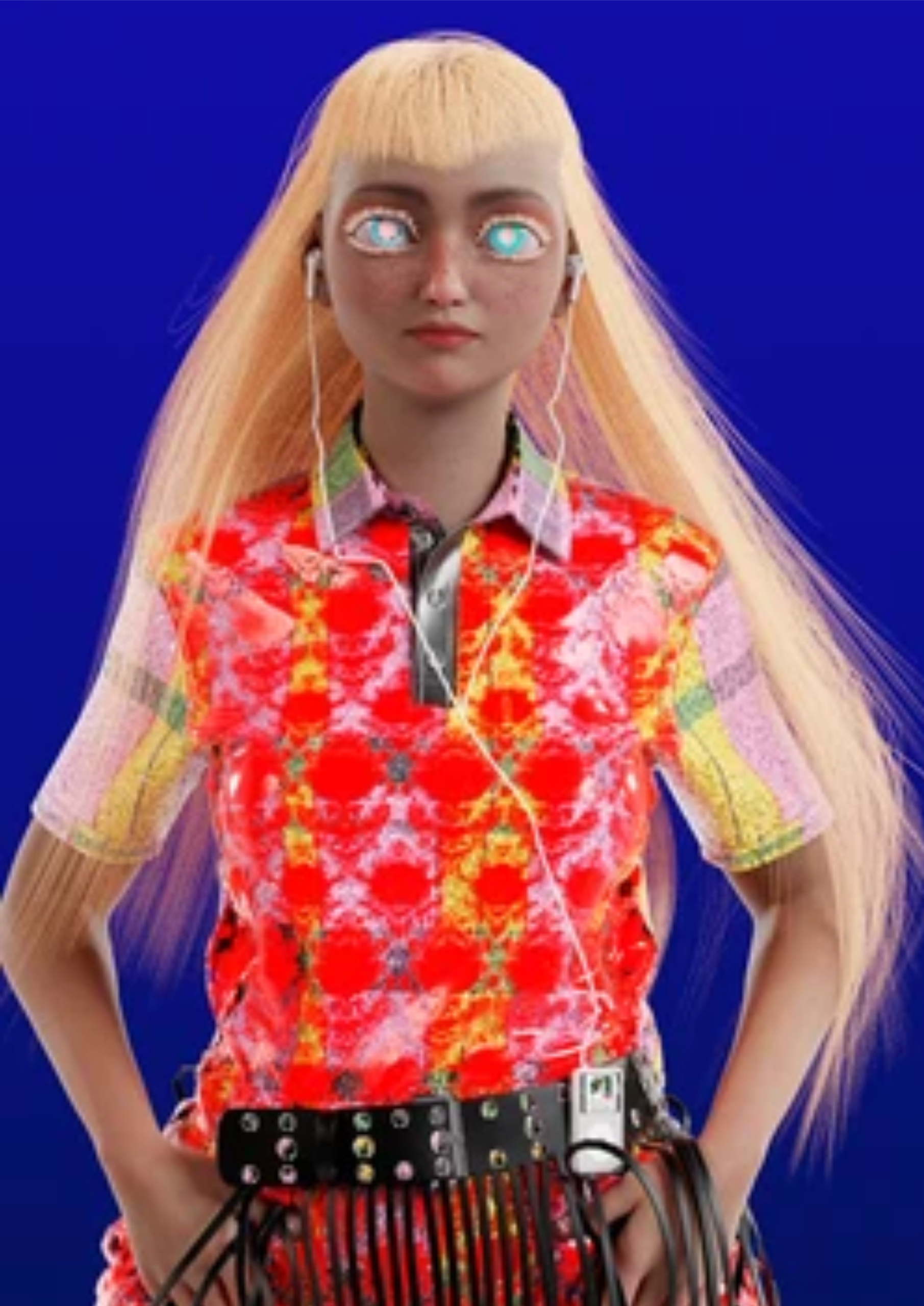
Desenvolvimento de Moda Digital com IA e 3D

Priscila Nassar Galante Guedes

FILE SÃO PAULO 2025: SYNTHETIKA – Arte e Tecnologia
Festival Internacional de Linguagem Eletrônica


Desenvolvimento de Moda Digital com IA e 3D – Brasil

Palestra e workshop sobre Moda Digital com 3D e inteligência artificial, abordando a trajetória de Priscila Nassar, seus conceitos e ferramentas. A proposta é explorar a Moda Digital como um meio de experimentação e criação de narrativas, personagens e arte digital dentro do mercado contemporâneo.

BIO

O trabalho de Priscila Nassar consiste em investigar novas tecnologias e desenvolver narrativas digitais de moda, utilizando recursos como 3D, CGI e experiências XR que envolvem realidade aumentada e virtual. A artista explora constantemente novos softwares e técnicas digitais, buscando expandir os limites da criação no universo da moda e da arte.

FILE SÃO PAULO 2025: SYNTHETIKA – Fredo Agudelo

Mutant Tales — Posterra

Fredo Agudelo

FILE SÃO PAULO 2025: SYNTHETIKA – Art and Technology – LED SHOW
Electronic Language International Festival


mutanttales — Posterra – Colombia

In the end, the organic will eat technological waste like fungi. What remains of humanity in this finale? What remains of Earth over human vanity? We are beings in an unconscious mix, sitting behind screens as if traveling in a spaceship in the void of the universe. The layers fall away, and our corporeal reality remains. Scan your consciousness and step out of your spaceship; in Posterna, there’s still a world to live in.

BIO

Colombian audiovisual artist based in São Paulo. He has experience with video mapping, working in Colombia on various projects and participating in several video mapping festivals in Brazil. He is currently working increasingly with sound to bring a live audiovisual exhibition to the audiovisual art scene, blending experimental sound with video projections.

FILE SÃO PAULO 2025: SYNTHETIKA – Marc Samper

A Dreamscape Cartography
Marc Samper

FILE SÃO PAULO 2025: SYNTHETIKA – Art and Technology
Electronic Language International Festival

A Dreamscape Cartography – Spain

A Dreamscape Cartography is a 3D digital artwork created from scans and navigated via Blender. The piece reimagines the ancient ritual of dream incubation, fusing inner realms with virtual environments. Using scans of abandoned houses in the Cyprus Security Zone, it creates a space that blends dreamlike and physical dimensions. Narrated by texts by Paul Celan, the work seeks to build a bridge between imaginary and lived experiences, inspiring new connections between space, memory, and existence.

BIO

Marc Samper is a visual artist, experimental filmmaker, and photographer from Barcelona, currently based in Paris. Graduated in Philosophy from the University of Barcelona and with a Master’s in Cinema from Pompeu Fabra University, his work investigates the ontology and phenomenology of images in global media, speculative metaphysics, and the intersection between mysticism and technology.

FILE SÃO PAULO 2025: SYNTHETIKA – Jon Chambers

Approximations of a Body Part

Jon Chambers

FILE SÃO PAULO 2025: SYNTHETIKA – Art and Technology – Video Art
Electronic Language International Festival


Approximations of a Body Part – United States

A machine learning experiment that takes custom model outputs trained on 3D body scans and uses them in other model inputs. After a few cycles, the resulting videos depict terrifying, seductive and uncanny distant echoes of the original body.

BIO

Jon Chambers is an artist and educator based in New Orleans. His work explores how we negotiate our physical and virtual lives to highlight a fractured sense of self as we attempt to coalesce disparate echoes of reference into something coherent amidst the difficulty of manifesting or orienting oneself within approximation and simulation overload.

FILE SÃO PAULO 2025: SYNTHETIKA – Louis-Philippe Rondeau

Veillance

Louis-Philippe Rondeau

FILE SÃO PAULO 2025: SYNTHETIKA – Art and Technology – Installations
Electronic Language International Festival


Veillance – Canada

Inspired by Steve Mann’s research, Veillance explores mutual surveillance between citizens and institutions. While observing digitized portraits of others, visitors also have their image captured and added to the archive. Yet through subtle gestures and changes in appearance, one can evade the scan, effectively hijacking the scanography process.

BIO

Louis-Philippe Rondeau designs playful, unconventional devices that explore self-representation and performance. His research-creation practice prioritizes user-friendly design, concealing complex code behind intuitive physical interfaces.

FILE SÃO PAULO 2025: SYNTHETIKA – Frederik De Wilde

Hunter and Dog

Frederik De Wilde

FILE SÃO PAULO 2025: SYNTHETIKA – Art and Technology – Installations
Electronic Language International Festival

Hunter and Dog – Belgium

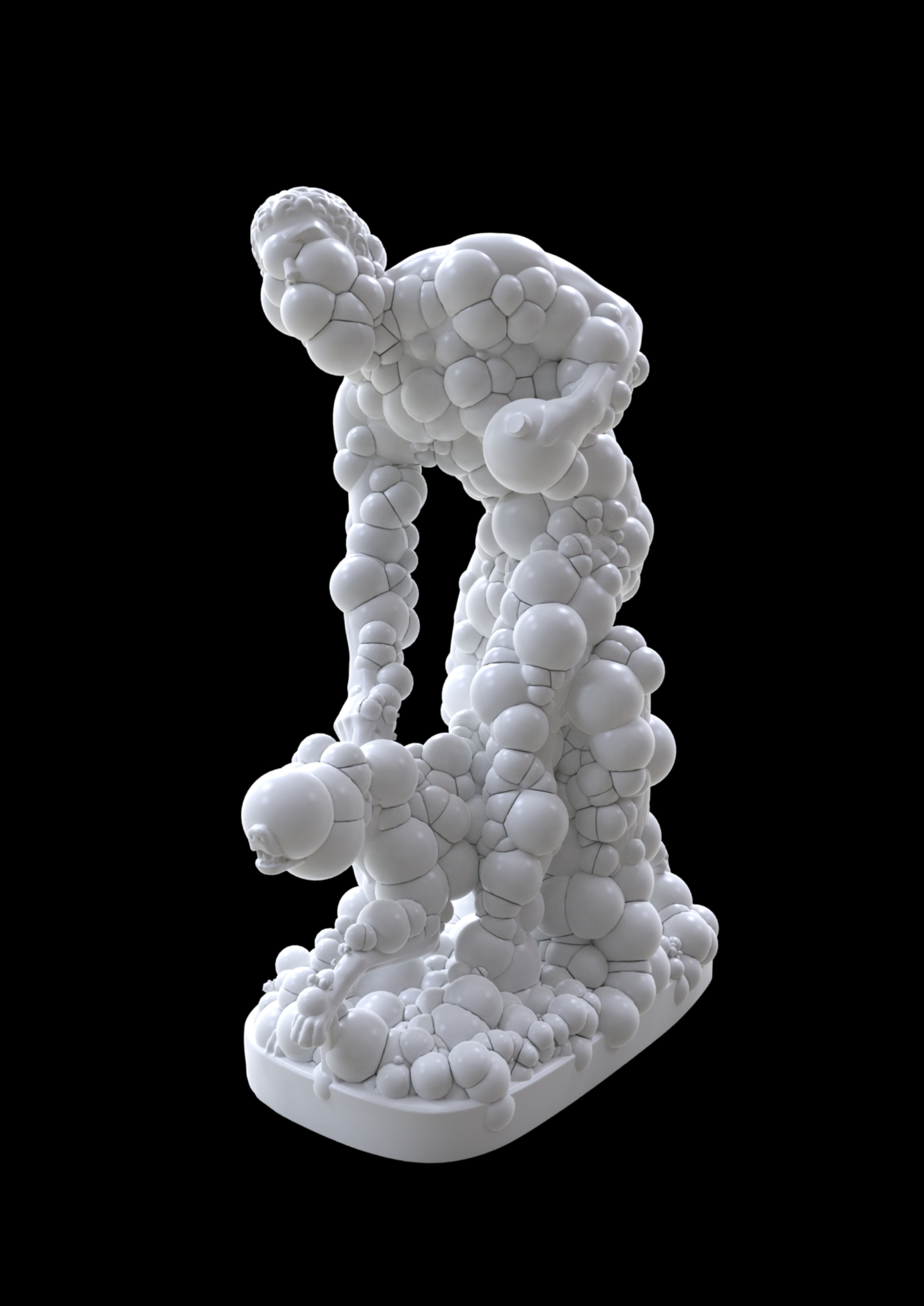
Genetic and evolutionary algorithms reinterpret an existing artwork. De Wilde uses digital scans and custom genetic and evolutionary algorithms as a deconstruction technique to reinterpret and update the nineteenth-century work Hunter and Dog from sculptor John Gibson R. A. (1790–1866).

Frederik De Wilde’s Hunter and Dog interrogates the intersections of human evolution, genetic engineering, and the hybridization of technology and biology. De Wilde reinterprets the historical sculpture through the lens of post-evolutionary theory, engaging with contemporary debates on CRISPR, synthetic biology, and the implications of human-directed genetic modification. CRISPR, the revolutionary gene-editing technology, has introduced an unprecedented rupture in the trajectory of evolution. No longer constrained by the slow mechanisms of natural selection, humans now possess the ability to intervene directly in their own genetic blueprint, marking a shift toward a post-Darwinian paradigm. This technological power, however, is not neutral; it emerges from a historical lineage of scientific inquiry deeply entangled with colonialism. The history of genetic manipulation is inseparable from colonial bioprospecting, eugenics, and exploitative medical experimentation on marginalized populations. Colonial regimes treated bodies—both human and non-human—as sites of intervention, control, and optimization, a logic that persists in contemporary biotechnological frameworks. Post-colonial discourse reveals how genetic engineering risks perpetuating these legacies, reinforcing power asymmetries between those who wield biotechnological control and those subjected to its consequences. CRISPR, while offering the promise of eradicating disease and expanding human potential, also raises ethical concerns about genetic stratification, bio-capitalism, and the commodification of life itself. De Wilde’s work visualizes these tensions, making visible the processes of cell division and morphogenesis—the very biological mechanisms now subject to human intervention. Hunter and Dog does not merely depict the transformation of a neoclassical form but speculates on the future of the human body as a site of engineered evolution. From a decolonial perspective, the artwork questions who has the authority to edit life and to what ends. It challenges the techno-utopian narratives that frame genetic modification as an inevitable progress while obscuring its social, ethical, and ecological implications. By hybridizing art, science, and technology, Hunter and Dog compels us to confront the uncertainties of a CRISPR-driven future: Will genetic editing reinforce existing inequalities, or can it be decolonized and democratized? How do we navigate this post-natural frontier without losing the human—and more-than-human—dimensions of our existence? De Wilde’s work invites us into this speculative space, where the hunter, the dog, and the algorithm coalesce into a vision of a world where biology is no longer destiny, but a site of contested agency.

Where are we going from here? 

BIO

Frederik De Wilde fuses art, science, and tech. Known for his Blackest-Black works that inspired Kapoor’s Vantablack, he has shown at Venice Biennale, BOZAR, MAAT, Pompidou, and ZKM, winning awards like Ars Electronica.
Frederik Heyman

CEREMONIAL FORMALITY
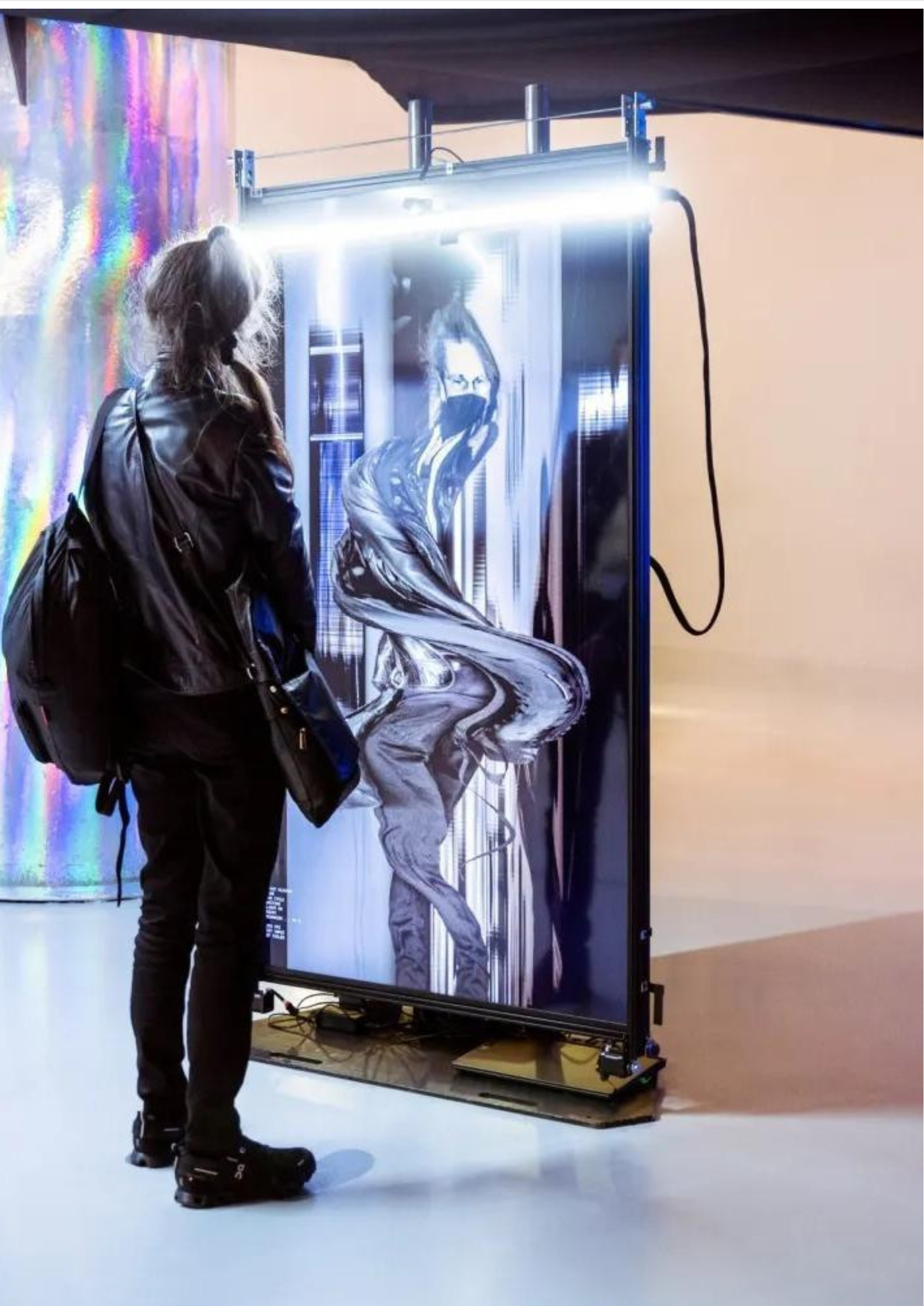
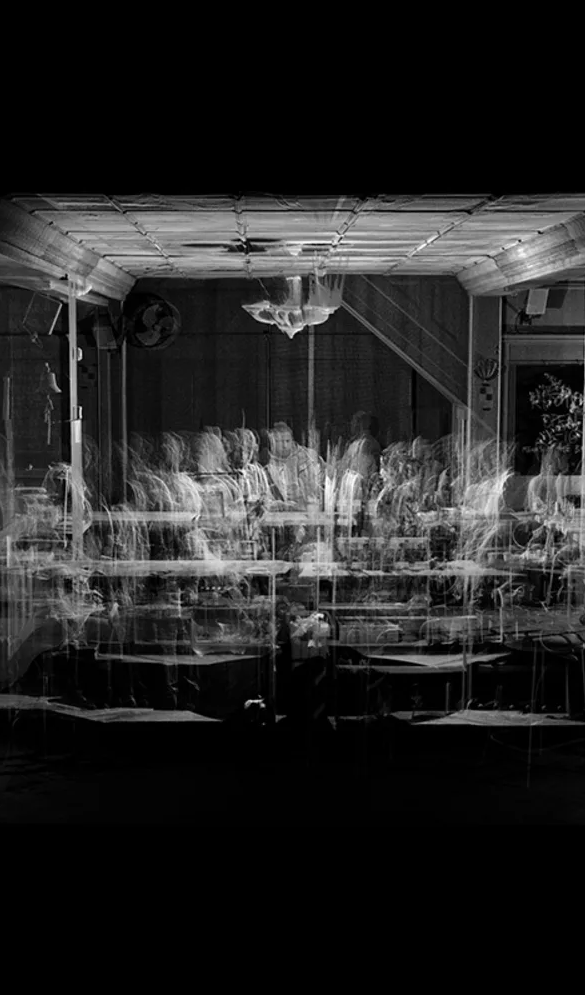
Frederik Heyman’s work is a balancing act incorporating multiple media – including video, installations and photogaphy – often in a digitally altered environment. In his work, Heyman explores memory and duration, using photogrammetry and 3D scanning to depict and represent the passage of time. The hallmarks of Heyman’s work are mechanical and technological: wires, wheels, scrolling LED marquees, metal frames, clamps, industrial lights, screens and cameras. Bodies–as opposed to humans–are subject to unusual dynamics with these technological trappings. In Ceremonial Formality (2020) a contortionist is encased in a metal cage while a spectator, hooked up to wires, looks on.

Julia Beliaeva

Human Flag
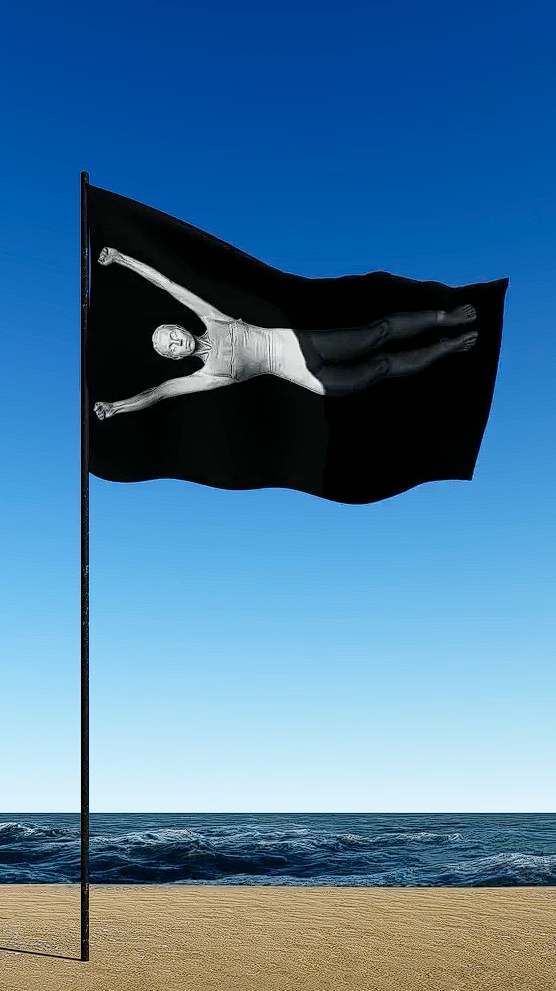
Julia Beliaeva ist eine ukrainische Künstlerin, die Technologien wie 3D-Scannen, 3D-Modellierung, 3D-Druck und virtuelle Realität einsetzt. Sie reflektiert das Umdenken von Tradition und traditionellen Medien in einer sich ständig verändernden virtualisierten Welt. Sie interessiert sich dafür, wie Technologie uns und unser Bewusstsein beeinflusst, und wie die neueste Technologie Sinn machen und traditionelle Medien aktualisieren kann. Insbesondere arbeitet Julia viel mit Porzellan, um über das Erbe und die verlorenen Traditionen durch eine Kombination aus neuen Technologien und der in der Ukraine beliebten Keramikindustrie nachzudenken, die heute verloren gegangen ist.

Bruce Nauman

Nature Morte
Nature Morte focuses on Nauman’s long relationship to his own studio, a variation on his four unique multi-projection videos, Mapping the Studio (2001). Three viewing stations, each consisting of an iPad linked to a wall-sized projection, provide an interactive exploration of the 3D studio space. Only now the artist is absent, and the participant becomes performer as he/she manipulates the large scale video projections on an iPad using touch control. The participant is free to navigate anywhere throughout the space, selecting broad vistas or individual objects. Using a hand-held 3D scanner, Nauman recorded hundreds of images that allow participants to select an object and locate close-up anything found there, and further reorient the image to see an object from above and below, and at times inside-out. The resulting mobility intensifies the experience of the viewer/performer. Presenting a static, but immersive re-creation of his studio space, Nauman’s pieces once again play at the tenuous lines between the body and space, perception and physical material.

PHILIP BEESLEY

Mäander
Meander ist eine großflächige immersive Testumgebung, die in einem historischen Lagergebäude im Zentrum einer Wohnhochhaussiedlung in Cambridge, Ontario, errichtet wurde. Die Netzgerüste, aus denen das Testfeld besteht, sind als eine Reihe von Arten innerhalb eines künstlichen Ökosystems organisiert, die sich sanft biegen und auf die Bewegung der Betrachter reagieren. Ähnlich wie in natürlichen Umgebungen wie Flüssen und Wolken leiten große Gruppen von Teilen physikalische Impulse und Datensignale hin und her, sodass die gesamte Umgebung als zusammenhängendes Ganzes arbeiten kann. Die Innovationen in Meander schlagen Wege vor, um adaptive, sensible Gebäude der Zukunft zu schaffen.

Urs Fischer

CHAOS #501
Introducing CHAOS, 501 original works in the form of unique digital sculptures. Each NFT in CHAOS consists of two unique objects (an array of familiar objects to people today) that have been 3D scanned. They are set on a colliding course in motion and orbit. The sculptures, operating as an archeology of the present, are intended to manifest in any format that is capable of displaying, playing or showing a 3D sculpture in motion. The culmination of the project is CHAOS #501, a single entity NFT uniting all one-thousand objects represented in #1-#500.

Nix Liu Xin

Three Supermarkets
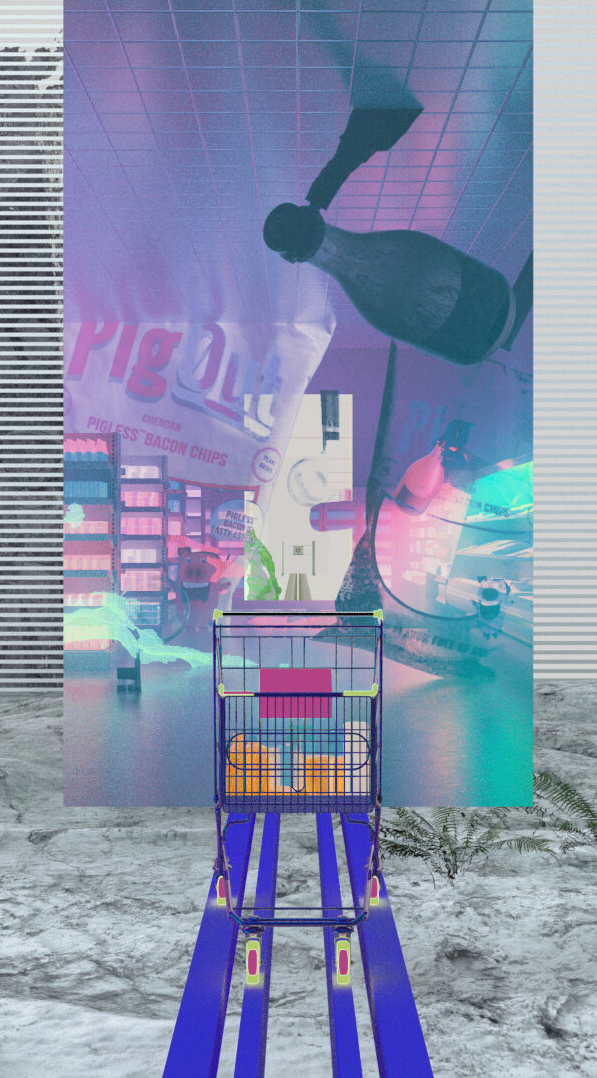
Three Supermarkets is an infinite loop film with a shopping cart riding across multiple coexisting fictional supermarkets. As the first episode of the Phygital Supermarket Trilogy, this film explores the hybrid compositing of the emerging physical and digital media and techniques. The production process of this film uses industrial-grade six-axis Staubli robot arm as shooting equipment, green screen shooting, volumetric video capture, photogrammetry, Cinema 4D Mograph, Redshift shading & rendering, 2D/3D compositing, and other custom build techniques and workflows. Familiar but neglected objects, such as apples and snack bags, were scanned as either static models or animated model sequences from the physical world to the digital space.

Louis-Philippe Rondeau

LIMINAL
FILE FESTIVAL
LIMINAL est une installation interactive qui vient mettre en image l’inexorable passage du temps. Elle cherche à réifier la frontière entre le présent et le passé. Dans un espace sombre, une arche lumineuse. Il s’agit d’un portail temporel: lorsque l’interacteur traverse cette démarcation, son reflet projeté sur le mur adjacent se voit déployé dans le temps grâce à la technique du slit-scan. Telle une métaphore visuelle – le passé qui s’empare sans cesse du présent – l’image projetée se termine inexorablement dans la blancheur éthérée de l’oubli. Dans un sens, l’œuvre souligne que toute lumière est passé – le scintillement que nous voyons dans le ciel nocturne n’est qu’un instantané révolu du firmament : la lumière est la manifestation d’événements qui ont déjà eu lieu.

Playmodes Studio

“Espills” is a solid light dynamic sculpture. Built using laser beams, laser scanners and robotic mirrors, it is inspired by crystalline formations. A set of geometric figures that float in the air and which suggest, in an abstract way, the transmutation of matter from chaos to order. Dust becoming crystal, being eroded and becoming sand again.

NORIYUKI SUZUKI

*(Sternchen)
„*(Sternchen) ist eine Installation, die aus einem Armillarsphärenapparat besteht, der einen Apfel um 360 Grad dreht, und vier Kameras, die die Oberfläche des Apfels in Echtzeit omnidirektional scannen. Computer berechnen die Ähnlichkeit zwischen fragmentarischen Bildern des gegenwärtigen Apfels und Äpfeln, die ich zuvor gegessen habe, als wären sie meine Erinnerung an Äpfel. Die Berechnungen und verglichenen Bilder von Apfelfragmenten werden jeweils auf vier Displays angezeigt.“ Noriyuki Suzuki

MARSHMALLOW LASER FEAST

En los ojos del animal
En los ojos del animal, un viaje a través de la cadena alimentaria, es una interpretación artística de las perspectivas sensoriales de tres especies británicas. Creada con escáneres Lidar, vehículos aéreos no tripulados (UAV) o drones y cámaras de 360 ​​° a medida, la pieza está configurada en un paisaje sonoro binaural utilizando grabaciones de audio provenientes de Grizedale Forest en el norte de Inglaterra.

AMY KARLE

Reliquiario Rigenerativo
Sfruttando l’intelligenza delle cellule staminali umane, ha creato “Regenerative Reliquary”, un’impalcatura biostampata a forma di mano umana stampata in 3D in un idrogel pegda biodegradabile che si disintegra nel tempo. La scultura è installata in un bioreattore, con l’intenzione che le cellule staminali mesenchimali umane (hMSC da un donatore adulto) seminate su quel disegno alla fine crescano in tessuto e si mineralizzino nell’osso lungo quell’impalcatura.

Maria Takeuchi & Frederico Phillips

asphyxia
The performance is centered in an eloquent choreography that stresses the desire to be expressive without bounds. Motion data was captured using inexpensive sensors and that data paved the way through an extensive number of steps. Once all the scanned point cloud data were combined, they were used as the base for the creative development on the piece. A series of iterative studies on styles followed and several techniques and dynamic simulations were then applied using a number 3D tools for various results.

Random International

Presence and Erasure
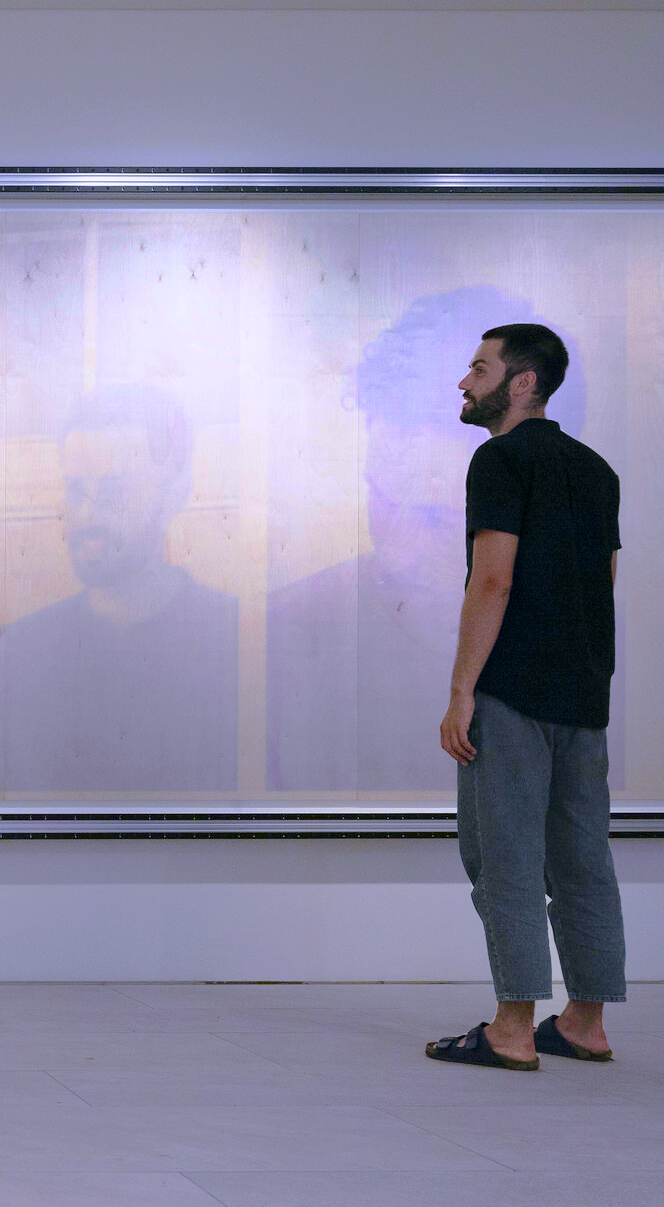
Presence and Erasure is a portrait machine that explores the reality of automated facial recognition and how people relate to their self-image, instinctively and emotionally. Within a given spatial domain, the artwork constantly scans for faces in the vicinity and photographs them. When the artwork’s algorithm detects a certain quality within a photograph, this image is temporarily printed at large scale by exposing a photochromic surface to light impulses. Each automated portrait remains for little more than a minute, before gradually dissolving into blankness. RANDOM INTERNATIONAL began to combine transient mark-making with automated portraiture early on in their practice, in 2008. Presence and Erasure marks the latest development in this body of work and assumes a minimal, industrial aesthetic that references their earliest studies on this theme. The physical impact of facial recognition and machine vision is emphasised by the exposure of the printing process itself, contrasted against the aesthetic of the high resolution portraits generated. RANDOM INTERNATIONAL intend this as a counter to the perception of surveillance footage as always being low quality, aiming to create a deeper reflection on the nature of surveillance today as well as the resounding cognitive and emotional dissonances.

Kyriaki Goni

Niet toegestaan ​​voor algoritmische doelgroepen
Een groot aantal online kijkers bestaat tegenwoordig voor het grootste deel uit algoritmen. De algoritmen zijn getraind op auditieve informatie, die door mensen wordt geproduceerd en geladen. In de video “Niet toegestaan ​​voor het algoritmische publiek” vertoont een intelligente persoonlijke assistent (IPA), gevestigd in Athene, Griekenland, vreemd gedrag. Hij leent een avatar en verschijnt voor zijn gebruikers. Voor een korte periode, zeven opeenvolgende dagen voordat het voor altijd uitgaat, gaat het in zeven monologen. Tijdens zijn duur is de digitale assistent erin geslaagd om de volledige inhoud van internet te scannen en allerlei soorten informatie te verzamelen, informatie die hij wil delen.

Kyriaki Goni

Not allowed for algorithmic audiences
Un gran numero di spettatori online oggigiorno è principalmente costituito da algoritmi. Gli algoritmi sono addestrati sulle informazioni uditive, che vengono prodotte e caricate dagli esseri umani. Nel video “Non consentito per il pubblico algoritmico”, un assistente personale intelligente (IPA), situato ad Atene, in Grecia, mostra un comportamento strano. Prende in prestito un avatar e appare davanti ai suoi utenti. Per un breve periodo di tempo, per sette giorni consecutivi prima che si spenga per sempre, va in sette monologhi. Durante la sua durata, l’assistente digitale è riuscito a scansionare l’intero contenuto di Internet e raccogliere ogni tipo di informazione, informazioni che desidera condividere.

Clement Valla

pointcloud.garden 2
Cada uno de los “jardines de nubes de puntos” consiste en un gran conjunto de puntos de datos medidos en un jardín en un proceso de escaneo 3D. Cada punto de datos consta de información espacial [XYZ] e información de color [RGB]. El conjunto de datos resultante se transforma discretamente en puntos de datos discretos cuyas superficies están llenas de huecos e información faltante. Esta traducción comprimida destaca la forma específica en que los humanos experimentan el jardín. Una colección de hojas, pétalos, tallos y tallos, una serie de puntos discretos que forman la textura general.
site

Leo Castaneda

Live Inventory
Live Inventory es una animación en 3D de Leo Castañeda, un galardonado artista radicado en Miami. Combinando técnicas de motor de juego con modelos de escaneo 3D de la colección de The Wolfsonian, Castañeda da vida a las obras de arte a medida que los elementos de la era de las máquinas de la exposición “Un universo de cosas: Micky Wolfson Collects” mutan en entidades virtuales surrealistas dentro de vitrinas asombrosas. En su video alucinante, Castañeda disuelve las fronteras entre objetos, personajes y espacio, investigando el impacto de la digitalización en la evolución de los diseños cotidianos y nuestras ideas preconcebidas sobre la experiencia humana.

Lilla LoCurto & Bill Outcault

The willful marionette
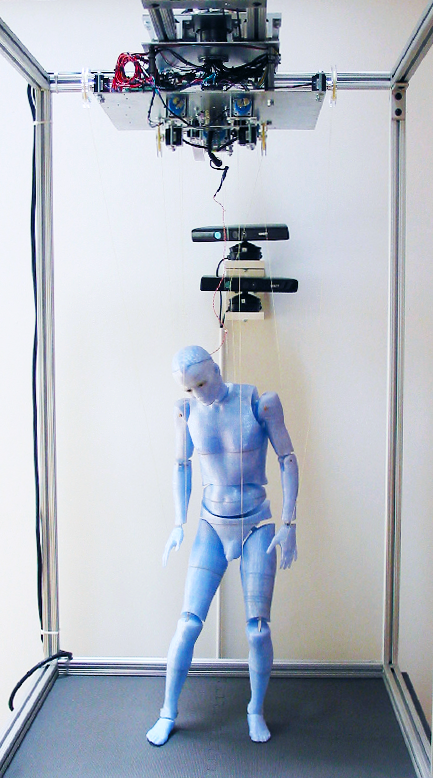
the willful marionette (2014) was created by artists Lilla LoCurto and Bill Outcault during a residency with the University of North Carolina Charlotte, working with the College of Computing and Informatics as well as the College of Art and Architecture. The marionette is 3d printed from the scanned image of a human figure and responds engagingly in real time to spontaneous human gestures by reading a viewer’s movements and expressions. Its strings are manipulated by motors and software and there are two depth sensors that read and analyze the behaviors and gestures of participants. The puppet’s subsequent actions are designed to elicit further responses, creating an exchange focusing on the frailty and insecurities of the human participant and raising issues of contemporary relevance. The intention of the project was not to create so much a perfectly functioning robot but rather to imbue an obviously mechanically actuated marionette with the ability to solicit a physical and emotional dialog with a viewer.

RICHARD DUPONT

理查德·杜邦
리처드 듀퐁

Mr. Dupont makes these sculptures based on a full-body scan of his own body. He says viewers relate to them like they’re three dimensional illusions: The viewer walks around the figures and gets all these different perspectives as the surfaces change. That’s one way the distortions are interesting, because no two perspectives are the same.

François Quévillon

Pyroclastic Trails
The work shows volcanic rocks rising from the ground that create trails of pixels. The layering of tezontle is generated by a software by modifying the size, speed, trajectory and selection of rocks from a database of photogrammetric 3D scans. Made in November 2019 in collaboration with UNAM’s Instituto de Geografía during a residency for Connecting the Dots, the work is related to research on the impact of mining activities in extinct volcanoes of Sierra de Santa Catarina located south of Mexico City. The video also shows Orbiting Bauxite and 3542 of the Meteors body of works.

Noriyuki Suzuki

*(asterisk)
“*(asterisk) is an installation comprised of an armillary sphere apparatus rotating an apple in 360 degrees and four cameras omnidirectionally scanning the surface of the apple in real-time. Computers calculate the similarity between fragmentary images of the present apple and apples I’ve eaten before, as if they were my memory of apples. The computations and compared apple-fragment images are shown on four displays respectively.” Noriyuki Suzuki

MOMU3 X BULO

Frederik Heyman and Wout Bosschaert

For MOMU3, Frederik Heyman creates, in collaboration with graphic artist Wout Bosschaert, 3 fashion films in which he infuses the rich collection of the ModeMuseum with digital life by using 3D scans and manipulations.

.

MOMU3 では、フレデリック ヘイマンがグラフィック アーティストの Wout Bosschaert と協力して、3D デジタル化と操作を使用して ModeMuseum の膨大なコレクションにデジタル ライフをもたらす 3 つのファッション映画を制作しました。


MIKE PELLETIER

МАЙК ПЕЛЛЕТЬЕ
Measured Gold

Der niederländische Künstler Mike Pelletier ist ein interaktiver Experte und digitaler Künstler. Er experimentiert mit neuen Möglichkeiten zur Verwendung von Microsoft Kinect und verwendet das Tool als 3D-Scanner. Dabei nutzt er die Ressourcen der Kamera, um unglaubliche mehrdimensionale Porträts zu erstellen. Durch Bewegen der Kinect-Kamera um das Objekt aktualisiert die Software die Daten ständig, um ein 3D-Modell zu erstellen. Nach einigen Minuten der Verfolgung kann ein sehr detailliertes Modell einer Person erhalten werden. „Mein Ziel war es, eine Skulptur zu schaffen, die ohne digitale Technologien nicht existieren könnte“, sagt der Künstler. Die Bilder werden auf Metallpapier gedruckt und hinter Plexiglas-Acryl montiert.

Jan Nikolai Nelles and Nora Al-Badri

Imagens 3D do Busto de Nefertiti
Anos atrás, um escandaloso “roubo de arte” no Neues Museum em Berlim – envolvendo digitalizações 3D do busto de Nefertiti feitas ilegalmente – acabou sendo um tipo diferente de crime. Os dois artistas egípcios que divulgaram os scans alegaram que fizeram as imagens com um “sensor Kinect hackeado”, relata Annalee Newitz da Ars Technica. Mas o artista digital e designer Cosmo Wenman descobriu que esses eram scans feitos pelo próprio Neues Museum, que haviam sido roubados pelos artistas ou talvez por um funcionário do museu.

LILLA LOCURTO & BILL OUTCAULT

La marioneta voluntariosa
la marioneta voluntariosa (2014) fue creada por los artistas Lilla LoCurto y Bill Outcault durante una residencia en la Universidad de Carolina del Norte en Charlotte, trabajando con la Facultad de Computación e Informática y la Facultad de Arte y Arquitectura. La marioneta está impresa en 3D a partir de la imagen escaneada de una figura humana y responde de manera atractiva en tiempo real a los gestos humanos espontáneos al leer los movimientos y expresiones de un espectador. Sus cuerdas son manipuladas por motores y software y hay dos sensores de profundidad que leen y analizan los comportamientos y gestos de los participantes. Las acciones posteriores de la marioneta están diseñadas para provocar más respuestas, creando un intercambio que se centra en la fragilidad e inseguridades del participante humano y planteando cuestiones de relevancia contemporánea. La intención del proyecto no era crear tanto un robot que funcionara perfectamente, sino más bien imbuir una marioneta obviamente accionada mecánicamente con la capacidad de solicitar un diálogo físico y emocional con un espectador.

ELECTRONICOS FANTASTICOS!

Barcodress/Barcodance
ELECTRONICOS FANTASTICOS! Il progetto ha reincarnato vari dispositivi elettronici di consumo in pensione come strumenti musicali come Electric Fan Harp, CRT-TV Drums, Air Conditioner Harp ecc. La band li suona catturando le onde elettromagnetiche. Il progetto Barcodress mira a creare il nuovo tipo di performance di danza. Gli abiti che hanno registrato suoni come motivi a strisce, i ballerini e gli artisti che scansionano gli abiti, insieme creano onde sonore elettriche in tempo reale. Espandendo i principi della registrazione e riproduzione del suono al corpo, esploriamo nuove possibilità per l’espressione della musica e della danza.