highlike

Matthew Biederman & Pierce Warnecke – Phytomorphic Topologies – Canada / United States / France

PHYTOMORPHIC TOPOLOGIES

Matthew Biederman & Pierce Warnecke


FILE SÃO PAULO 2026: Inter-creativity – Art and Technology – MUSIC
Electronic Language International Festival


Phytomorphic Topologies – Canada / United States / France

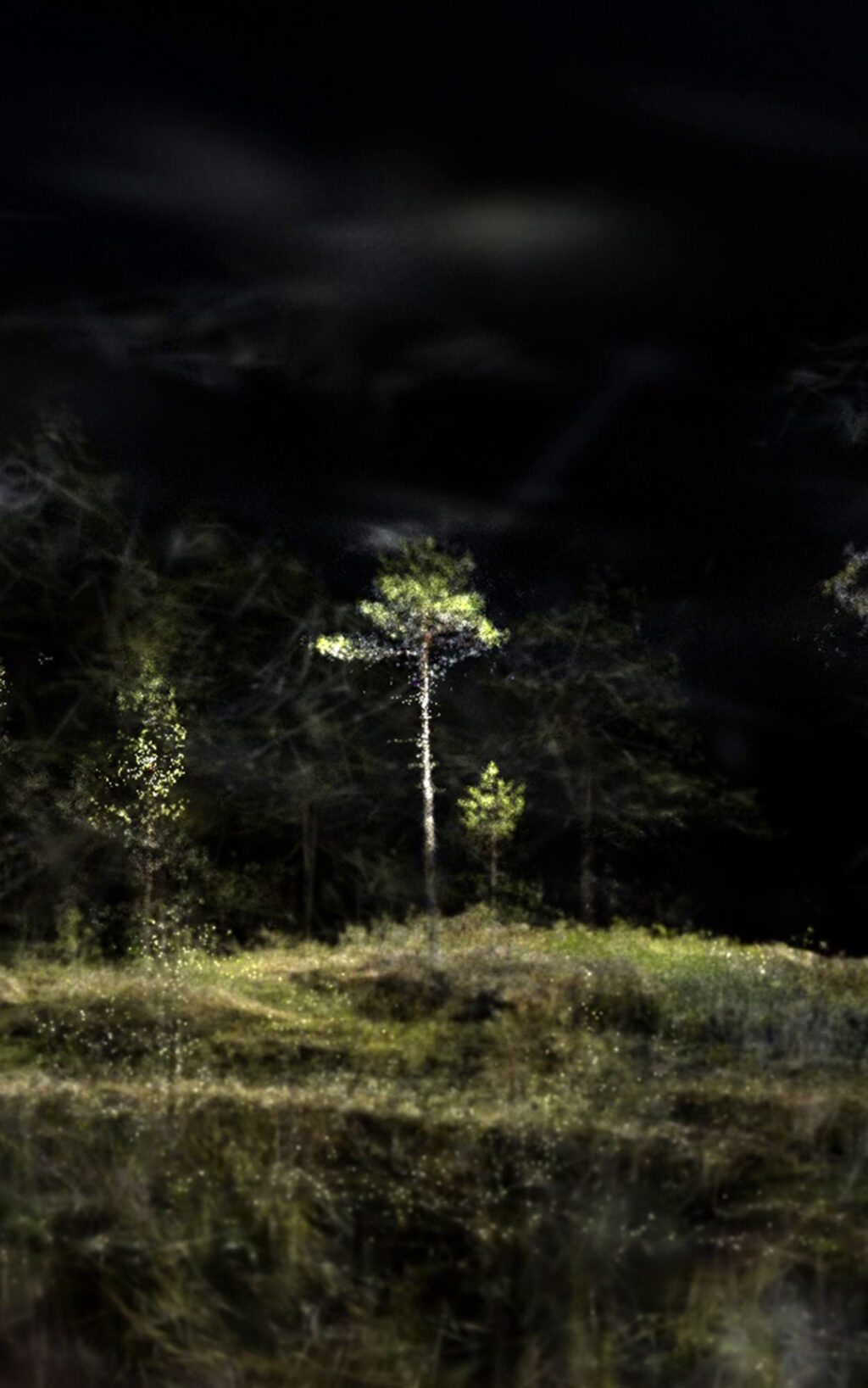
Phytomorphic Topographies is a suite of audiovisual works which investigates fragile ecosystems of protected wilderness spaces through three-dimensional (photogrammetry) visual representations and near-field audio recordings. The work explores these zones’ capacity as a compositional tool in order to foster novel views and reflections rather than simple representations, thereby bringing attention and consideration to both the visible and often overlooked life structures around us.

BIO

Pierce Warnecke is a multidisciplinary digital artist at the intersection of experimental music, digital arts and video art. He has presented his work in the form of performances, concerts and installations at Rewire, Mutek, GRM, ZKM, ManiFeste (IRCAM), CTM, Elektra, KW Institut, La Biennale Nemo, Sonic Acts, Martin Gropius Bau, MAC Montreal, Gray Area SF, Scopitone, LEV Festival, Semibreve, etc. 

Matthew Biederman is an artist exploring perception, media saturation, and data systems since the mid-1990s. He has received major awards and held residencies at institutions including the Center for Experimental Television and CMU’s CREATE Lab. In 2007, he co-founded the Arctic Perspective Initiative. His work has been exhibited internationally at major biennales, festivals, and museums.
FILE SÃO PAULO 2025: SYNTHETIKA – Caspar de Gelmini

Die Kunst ist der nächste Nachbar der Wildnis

Caspar de Gelmini

FILE SÃO PAULO 2025: SYNTHETIKA – Art and Technology – Video Art
Electronic Language International Festival


Die Kunst ist der nächste Nachbar der Wildnis – Germany

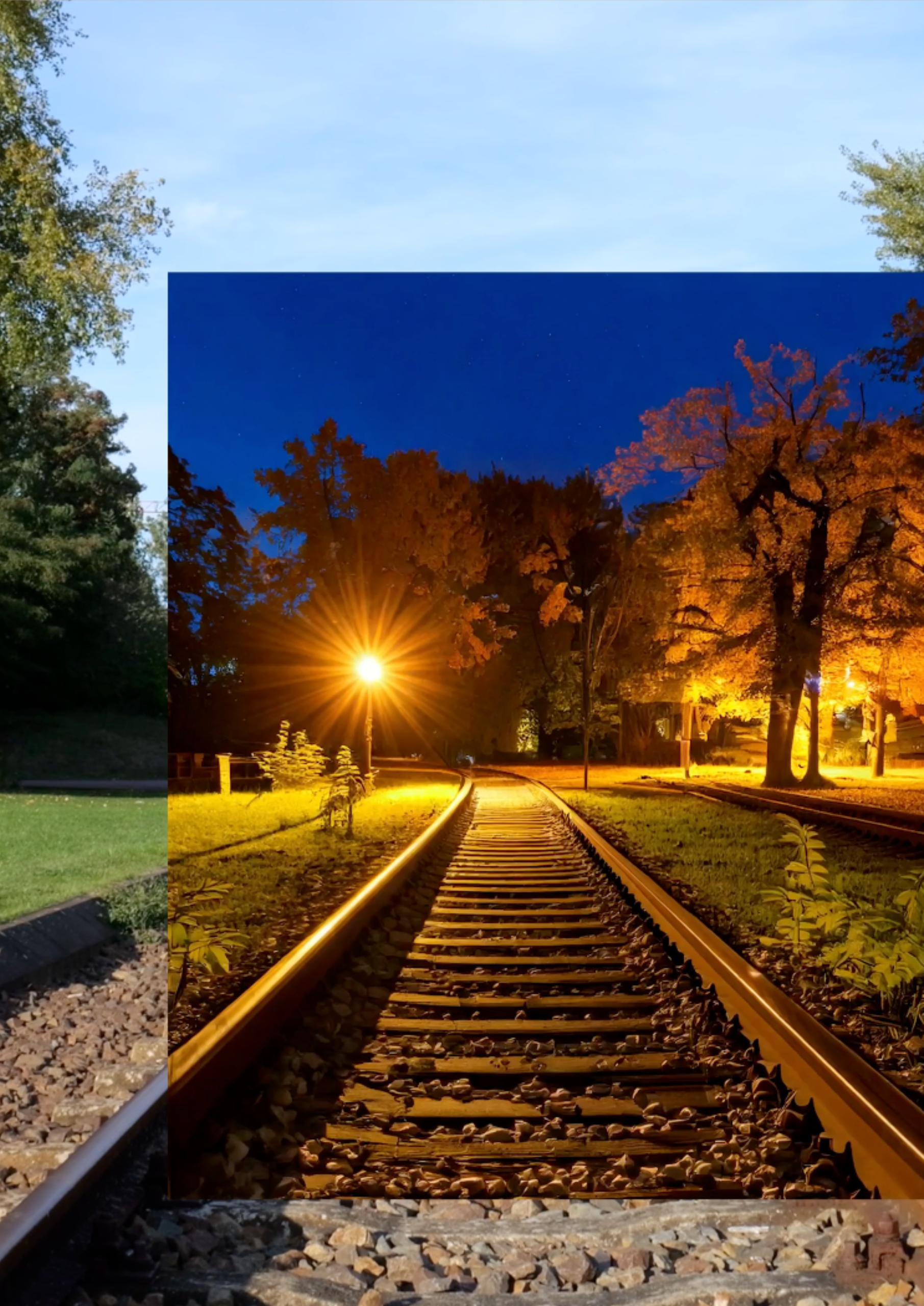
in Art is the Closest Neighbor of the Wilderness, Caspar de Gelmini originally intended to create the entire video using Super8 film, and some pre-release versions were indeed produced in that format. However, he ultimately decided to reshoot the entire work digitally. A distinctive feature of the video is its extensive use of macro lenses—particularly in capturing close-up shots of grasses and in the transformation of real images into AI-generated visuals.

BIO

Caspar de Gelmini studied Music Composition and Video Art at the Music and Art Universities in Rostock, Weimar, Stock holm, Basel, Salzburg, Stuttgart, Paris and Braunschweig (Bachelor and Master both in Music and Art). Now he lives and works as a Media Artist in Berlin, Germany and teaches at a high school.

Liam Young

Planet City

Planet City, by Los Angeles-based film director and architect Liam Young, explores the productive potential of extreme densification, where 10 billion people surrender the rest of the planet to a global wilderness. Although wildly provocative, Planet City eschews the techno-utopian fantasy of designing a new world order. This is not a neo-colonial masterplan to be imposed from a singular seat of power. It is a work of critical architecture – a speculative fiction grounded in statistical analysis, research and traditional knowledge.
It is a collaborative work of multiple voices and cultures supported by an international team of acclaimed environmental scientists, theorists and advisors. In Planet City we see that climate change is no longer a technological problem, but rather an ideological one, rooted in culture and politics.

Nicolas Sassoon and Rick Silva

Signals
SIGNALS is a collaborative project by artists Nicolas Sassoon and Rick Silva that focuses on immersive audio-visual renderings of altered seascapes. Sassoon and Silva share an ongoing theme in their individual practices; the depiction of wilderness and natural forms through computer imaging. Created by merging their respective fields of visual research, SIGNALS features oceanic panoramas inhabited by unnatural substances and enigmatic structures. The project draws from sources such as oceanographic surveys, climate studies and science-fiction to create 3D generated video works and installations that reflect on contamination, mutation and future ecologies.

NICHOLAS CROFT AND MICHAELA MACLEOD

PINK PUNCH
The installation Pink Punch aims to attract visitors by its striking color, off the beaten path, through the shaped garden rooms, and into the forest. The new garden room uses the traditional technique of tree wrapping (used to protect trees from the elements) and the color pink to divide the “wilderness” from the garden, in a non-traditional way.