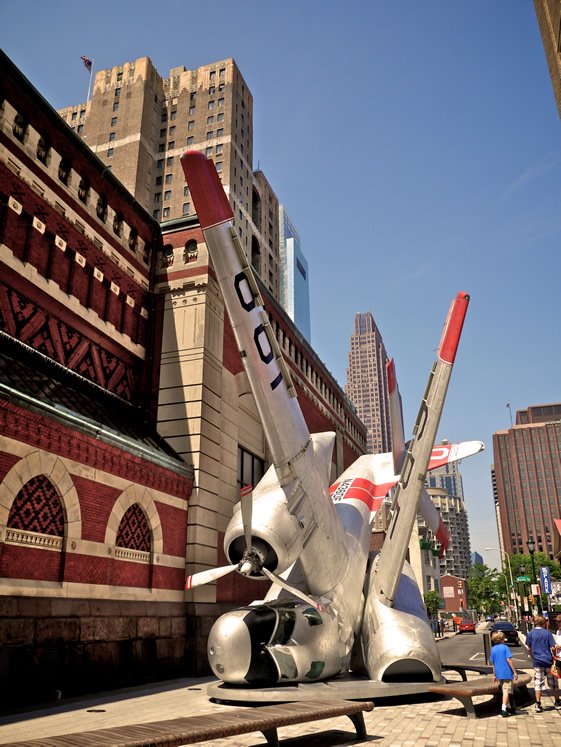
JORDAN GRISKA
Grumman Greenhouse
Grumman Greenhouse

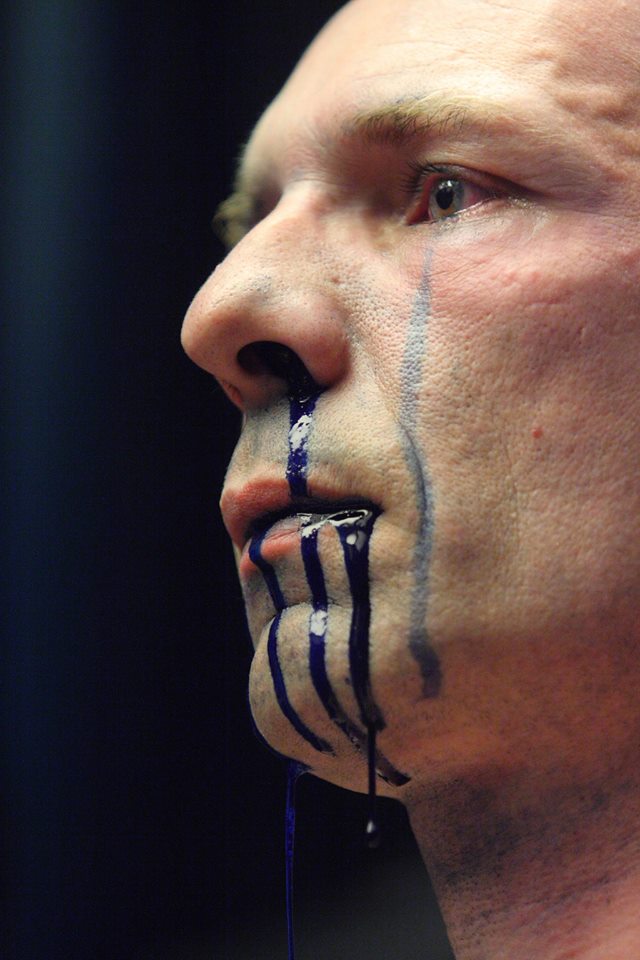
Bleu Remix
In his spectacle-installation Bleu Remix, Yann Marussich returns to a theme originally explored in Bleu Provisoire (2001), a spectacle in which a mysterious blue liquid oozes through the layers of his skin as though it were the final effect or by-product of his body’s inner processes. In Bleu Remix, the artist once more invites the viewer to experience an intimate journey through the corners of his body. Each time the spectacle is performed, a different (local) musician accompanies Marussich. This unique, singular confrontation establishes a new relationship between the sound and image. The meeting of the two artists brings an element of risk and uniqueness to the event, as if the music explores the spectacle repeatedly, resulting in new ways of perception.
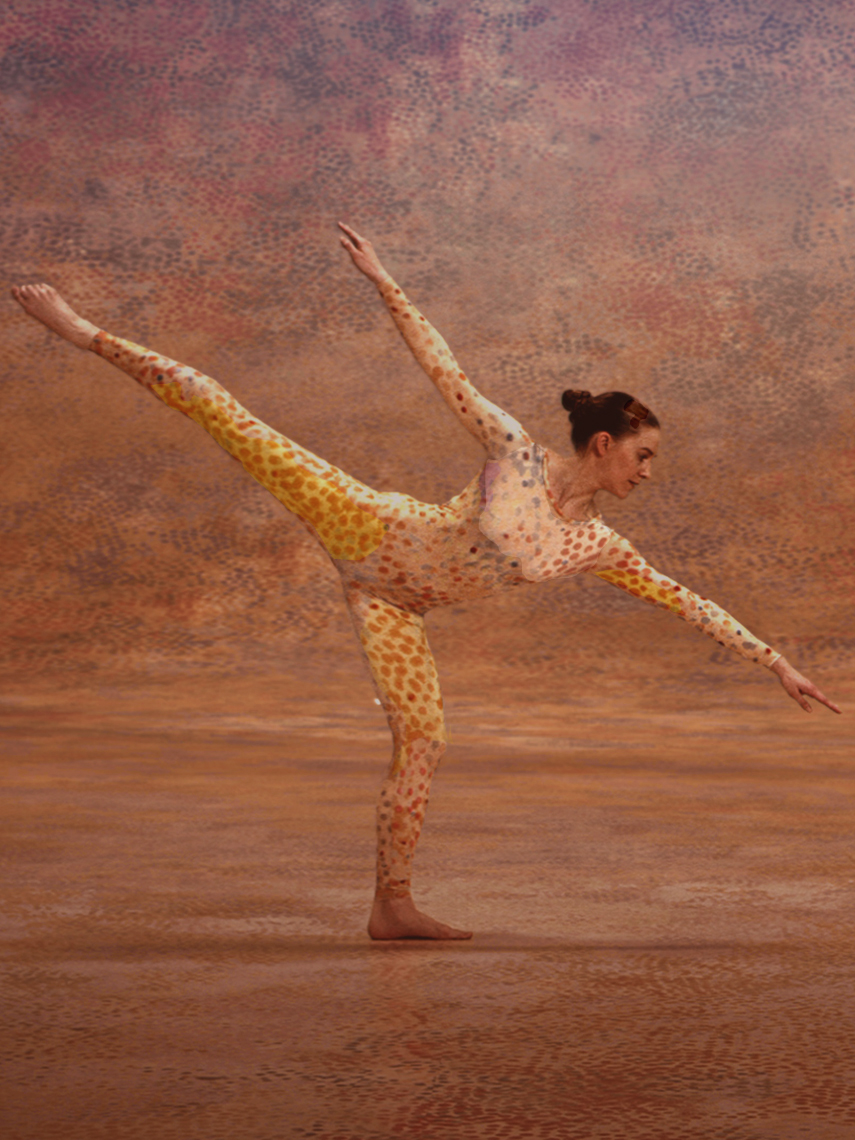
Cunningham Clip -Summerspace
CUNNINGHAM is a 3D cinematic experience about the legendary American choreographer, Merce Cunningham, orchestrated through his iconic works and performed by the last generation of his dancers. This poetic film traces Merce’s artistic evolution over three decades of risk and discovery (1944–1972), from his early years as a struggling dancer in postwar New York to his emergence as one of the most visionary and influential choreographers worldwide. 3D technology weaves together Merce’s philosophies and stories, creating a visceral journey through the choreographer’s world.

The way we were
Not only does Arcangelo Sassolino transform failure into art, but he manages to make the art of failing a profound part of the art of living. He goes even further in the awareness of risk. He is aware that his experiments may not hold up to the forces that he himself puts in place but this possible collateral damage wants to represent an additional value, becoming precisely the existential metaphor of the concepts of risk and failure. His installations explore the behavior and mechanical limits of matter, he forces their characteristics to distort their shape, gravity, pressure, friction, statics, and of each possibility Sassolino contemplates the risks of collapse with its precise timing and programming.

*(asterisk)
“*(asterisk) is an installation comprised of an armillary sphere apparatus rotating an apple in 360 degrees and four cameras omnidirectionally scanning the surface of the apple in real-time. Computers calculate the similarity between fragmentary images of the present apple and apples I’ve eaten before, as if they were my memory of apples. The computations and compared apple-fragment images are shown on four displays respectively.” Noriyuki Suzuki
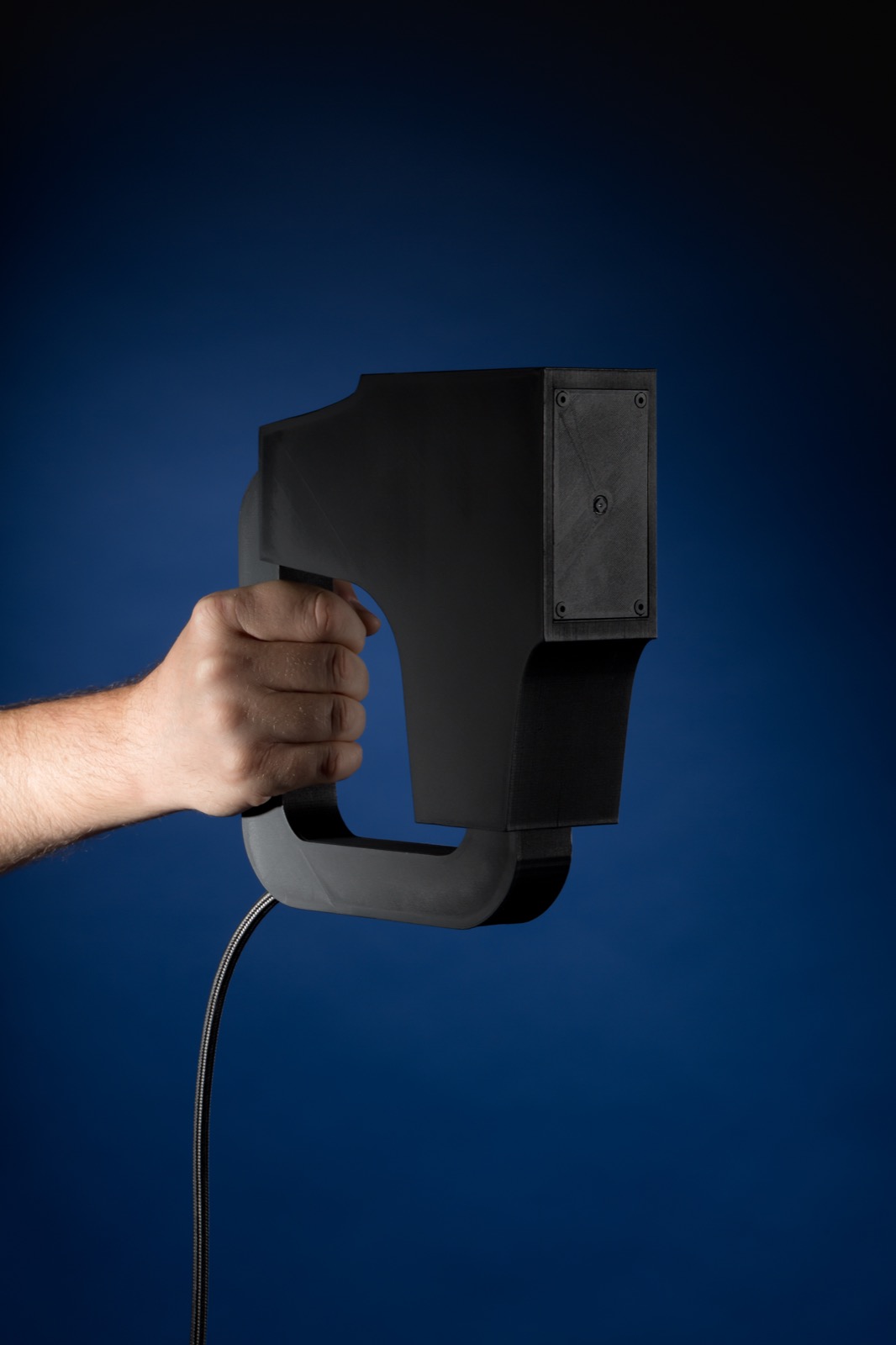
AI Facial Profiling, Levels of Paranoia

Lamberto Teotino ir dzimis Romā, un 2002. gadā absolvēja Venēcijas Mākslas akadēmiju. Viņš ir specializējies vizuālajā mākslā un viņa darbi pārsvarā balstās uz attēlu pētīšanu. Pēta valodas attīstību padziļināšanos, lai to pielāgotu jauniem tehniskajiem instrumentiem. Pēc Teotino uzskatiem, objekta pētīšana piedāvā konceptuālu iznākumu, kura vienā pusē atrodas vēsturiskās un psiholoģiskās īpatnības, bet otrā pusē – zinātne. Tāpat pēta arī cilvēku sociālos un paranormālos aspektus.
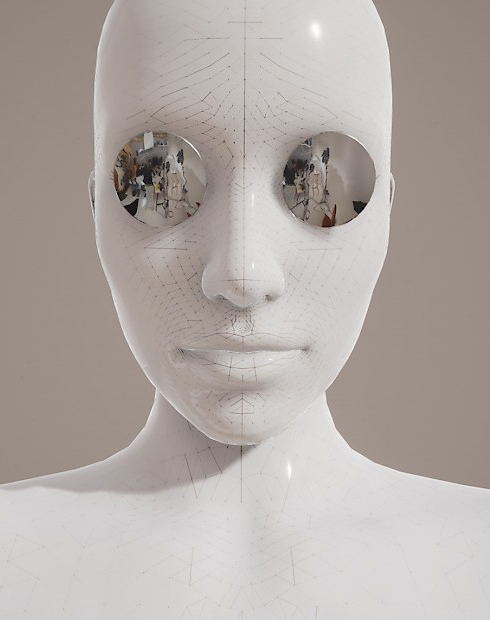
SECOND SEX WAR på Trondheim kunstmuseum er Sidsel Meineche Hansens første soloutstilling i Norge. Tittlen refererer både til den franske filosofen og forfatteren Simone de Beauvoirs bok Det annet kjønn (The Second Sex), og til de såkalte ‘sex wars’ – en debatt om pornografi som sjanger og industri, som splittet feministbevegelsen i henholdsvis anti-pornografi- og anti-sensur-grupper tidlig på 1980-tallet. Langs denne historiske linje vil SECOND SEX WAR utforske en ny cyber-feministisk posisjon rettet mot patriarkatet og den hvite dominansen som ligger til grunn for (re)produksjonen av det binære kjønnssystemet i virtual reality (VR).

Kaash
Inspired by Akram Khan’s early training in the Indian classical dance form Kathak, and the hybrid language that organically emerged when Akram’s kathak training encountered contemporary dance in his teens, a vision began to form, fuelled by a desire to learn and create through collaboration with the very best people across all the disciplines in the arts.
The rules were simple: take risks, think big and daring, explore the unfamiliar, avoid compromise and tell stories through dance that are compelling and relevant, with artistic integrity.
.

Charlotte Gyllenhammar har konsekvent och med stor integritet etablerat sig som en av Sveriges främsta konstnärer. Sårbarhet och makt, identitet och perspektivförskjutningar är några teman som följt henne genom åren. I flera av hennes verk möter vi det utsatta och upproriska barnet, i förhållande till en hotfull omvärld.

L’ultimo Dio
Lamberto Teotino ir dzimis Romā, un 2002. gadā absolvēja Venēcijas Mākslas akadēmiju. Viņš ir specializējies vizuālajā mākslā un viņa darbi pārsvarā balstās uz attēlu pētīšanu. Pēta valodas attīstību padziļināšanos, lai to pielāgotu jauniem tehniskajiem instrumentiem. Pēc Teotino uzskatiem, objekta pētīšana piedāvā konceptuālu iznākumu, kura vienā pusē atrodas vēsturiskās un psiholoģiskās īpatnības, bet otrā pusē – zinātne.

تاكاهيرو ماتسو
松尾高弘
타카히로 마츠오
Такахиро Мацуо
Noctiluca
Swimming in a glowing, underwater sea of jellyfish would be a really beautiful experience. But, with limited access to the deep sea, this interactive installation by artist Takahiro Matsuo could be considered a backup to that kind of actual encounter. The dark blue room, a reminder of the oceanic abyss, is a seamlessly flowing design in which viewers can appreciate the beauty of these fascinating creatures without having to actually run the risk of a jellyfish sting.

РЕЙНАЛЬД ДРУХИН
LANDSCAPE MONOLITH
MONOLITH is the title of French multimedia artist Reynald Drouhin’s latest art project which consists of a series of digitally manipulated images of stunning natural landscapes. In the middle of picturesque sunsets and serene Arctic landscapes, Drouhin pastes a mysterious prismatic shape and then flips it, thus creating a mind-boggling visual effect of an otherworldly transparent object hovering in desolate locations. The entire project is an ingenious appropriation of the famous monolith from Stanley Kubrick’s film ”2001: A Space Odyssey” where mysterious dark rectangular objects (dubbed as monoliths) were scattered across the solar system by an unknown alien civilisation which seemed to guide humans along a risky interplanetary journey. Reynald Drouhin’s MONOLITH series captures exactly the double nature of Kubrick’s monoliths: the inverted shapes in the photographs seem to be a window to another dimension, a physical anomaly which distorts the nature around it, and is both menacing and inviting.
