highlike

Chang Gi Lee – Artificial Emotion – South Korea

ARTIFICIAL EMOTION

Chang Gi Lee


FILE SÃO PAULO 2026: Inter-creativity – Art and Technology – VIDEO ART SHORT
Electronic Language International Festival


Artificial Emotion – South Korea

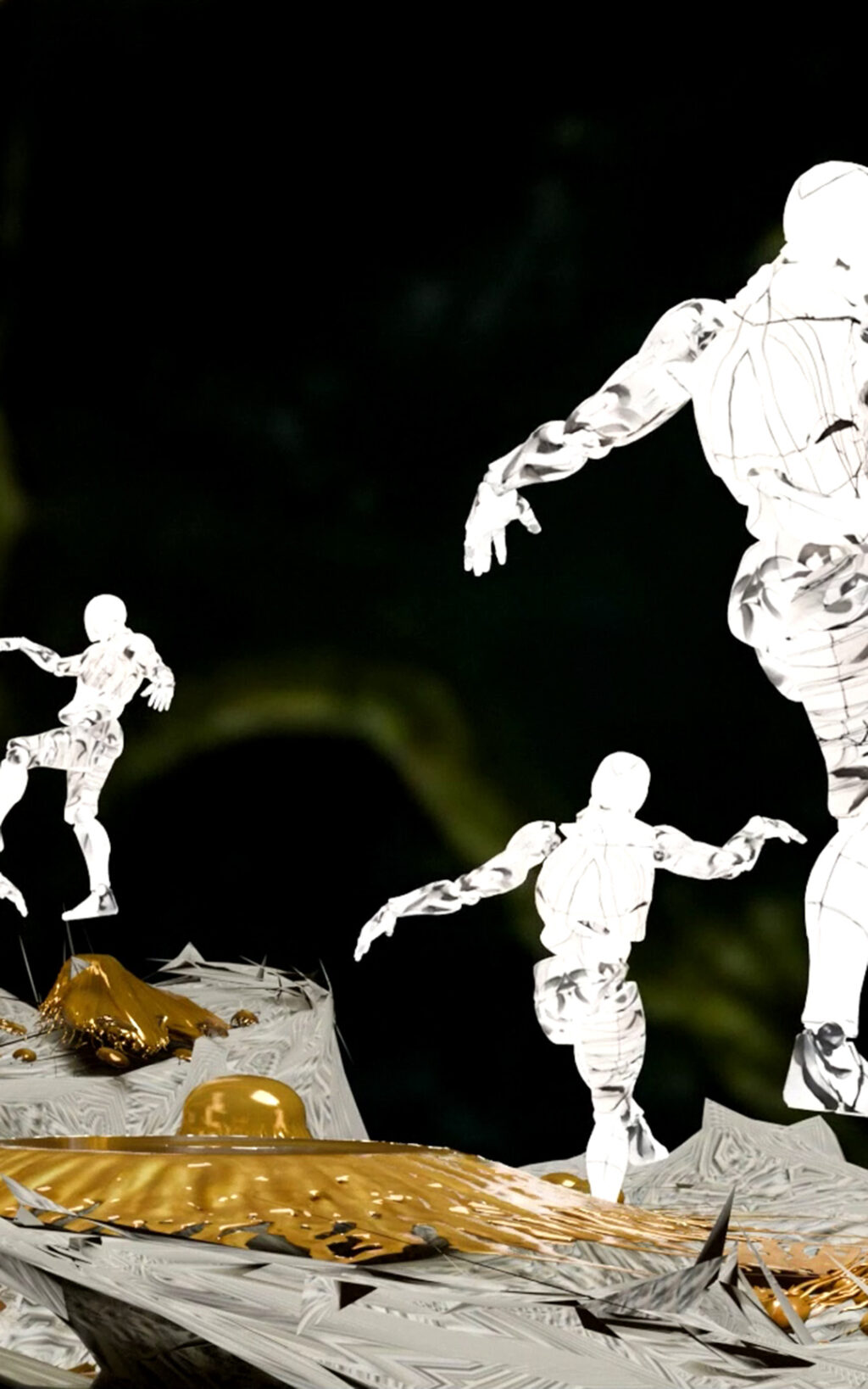
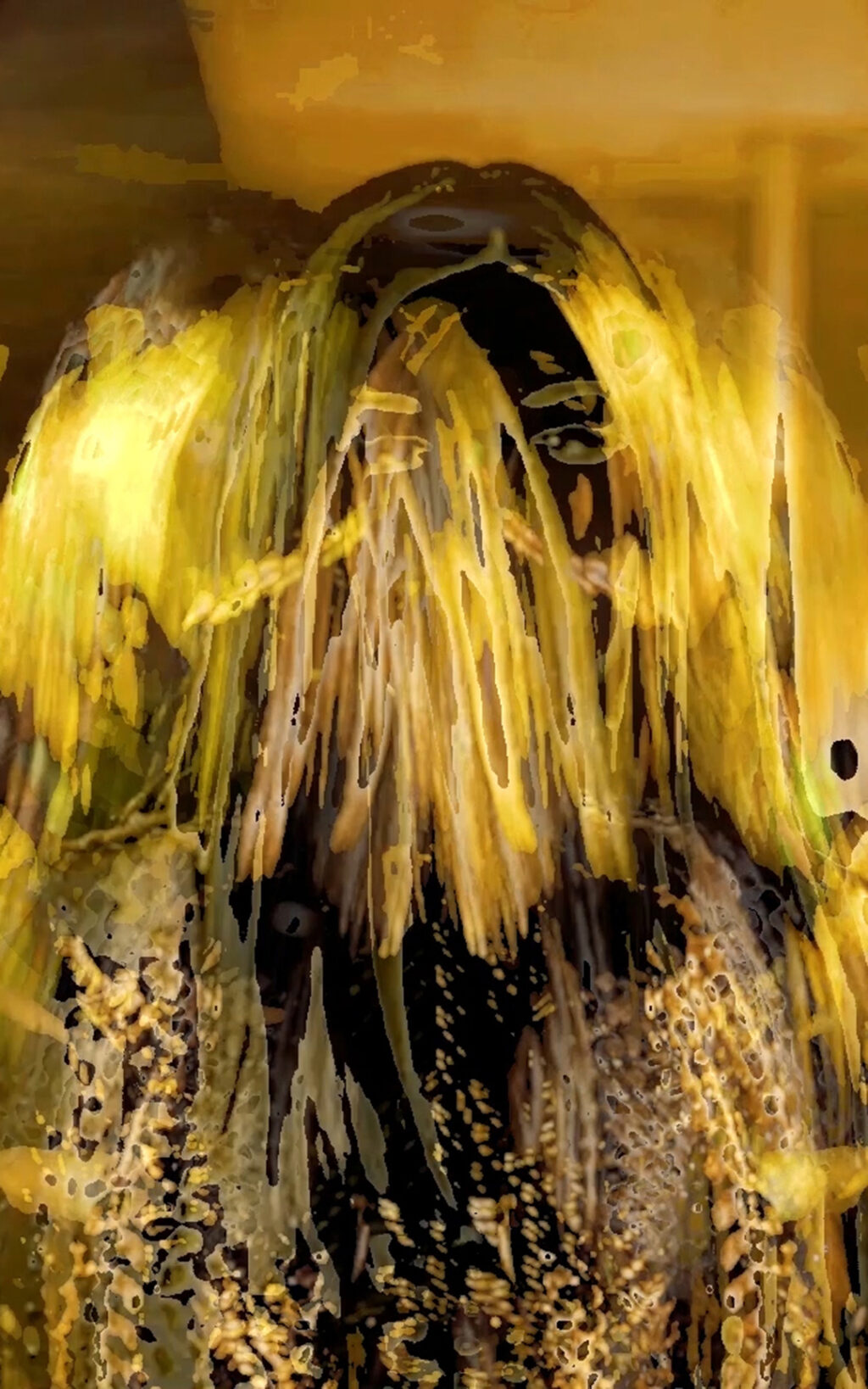
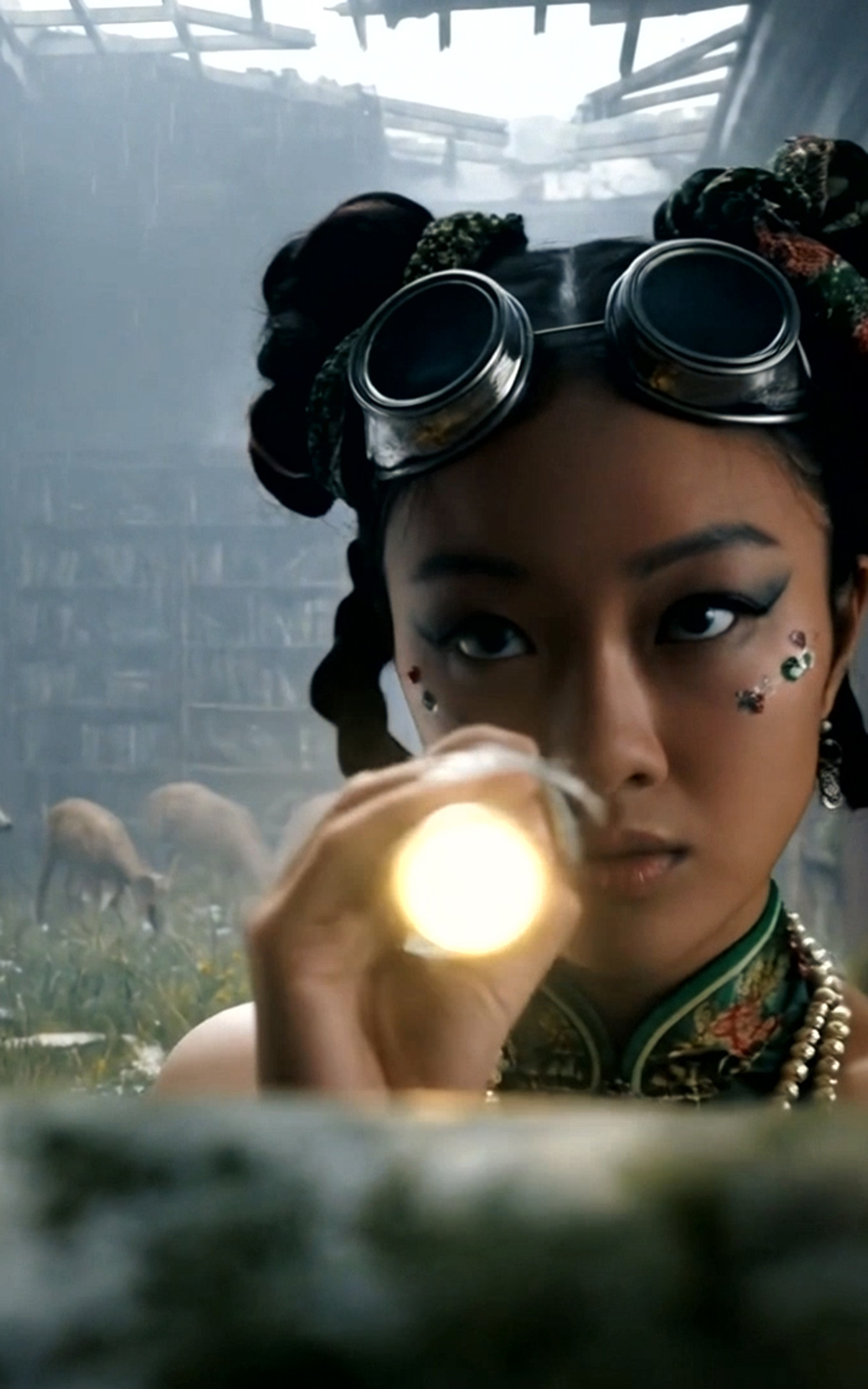
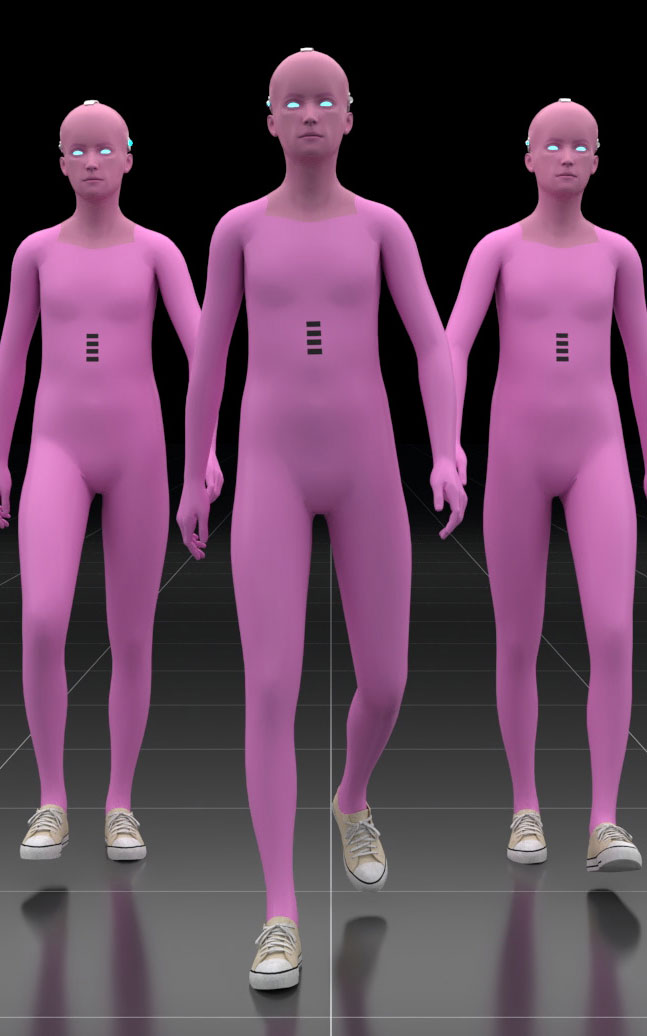
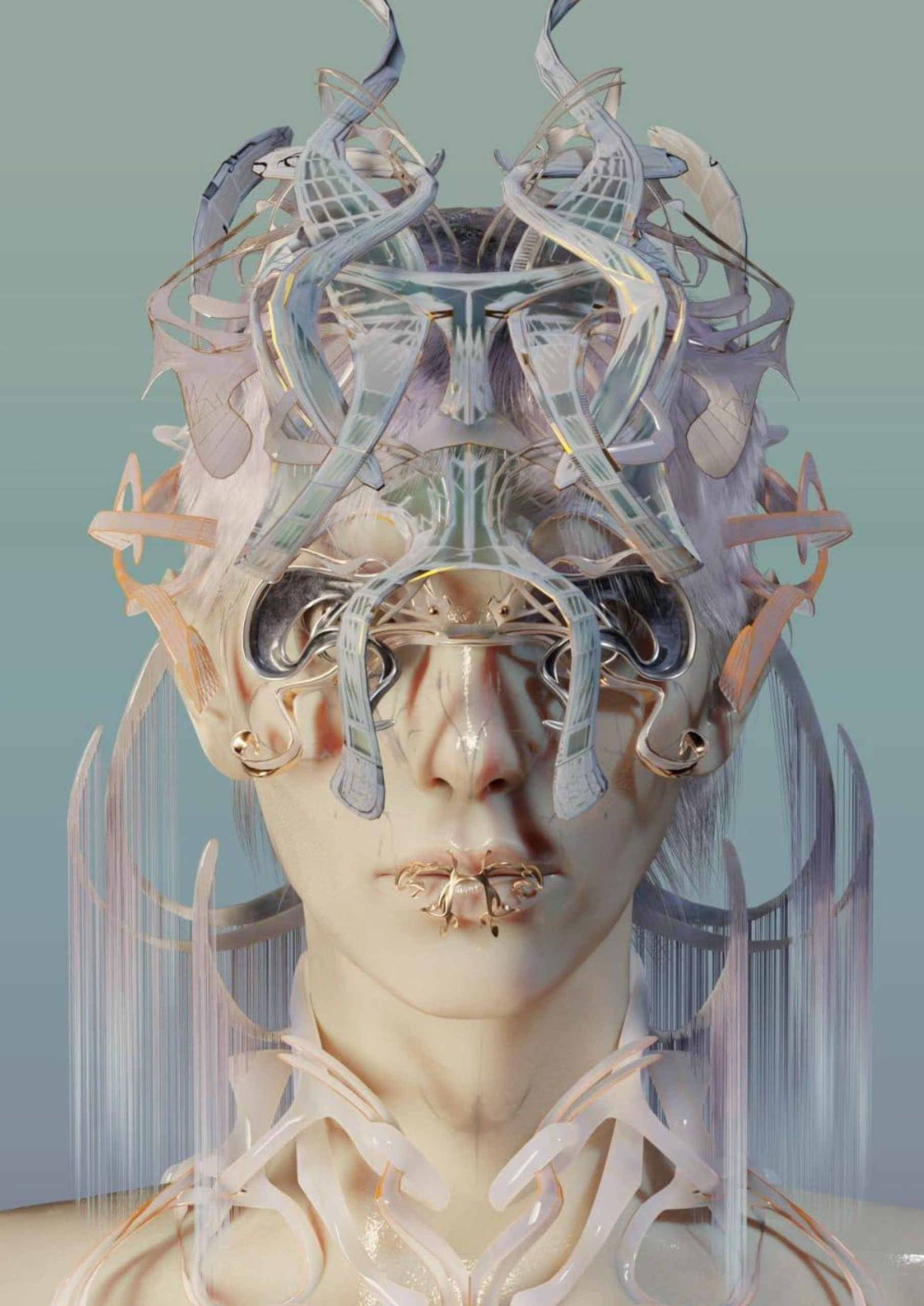
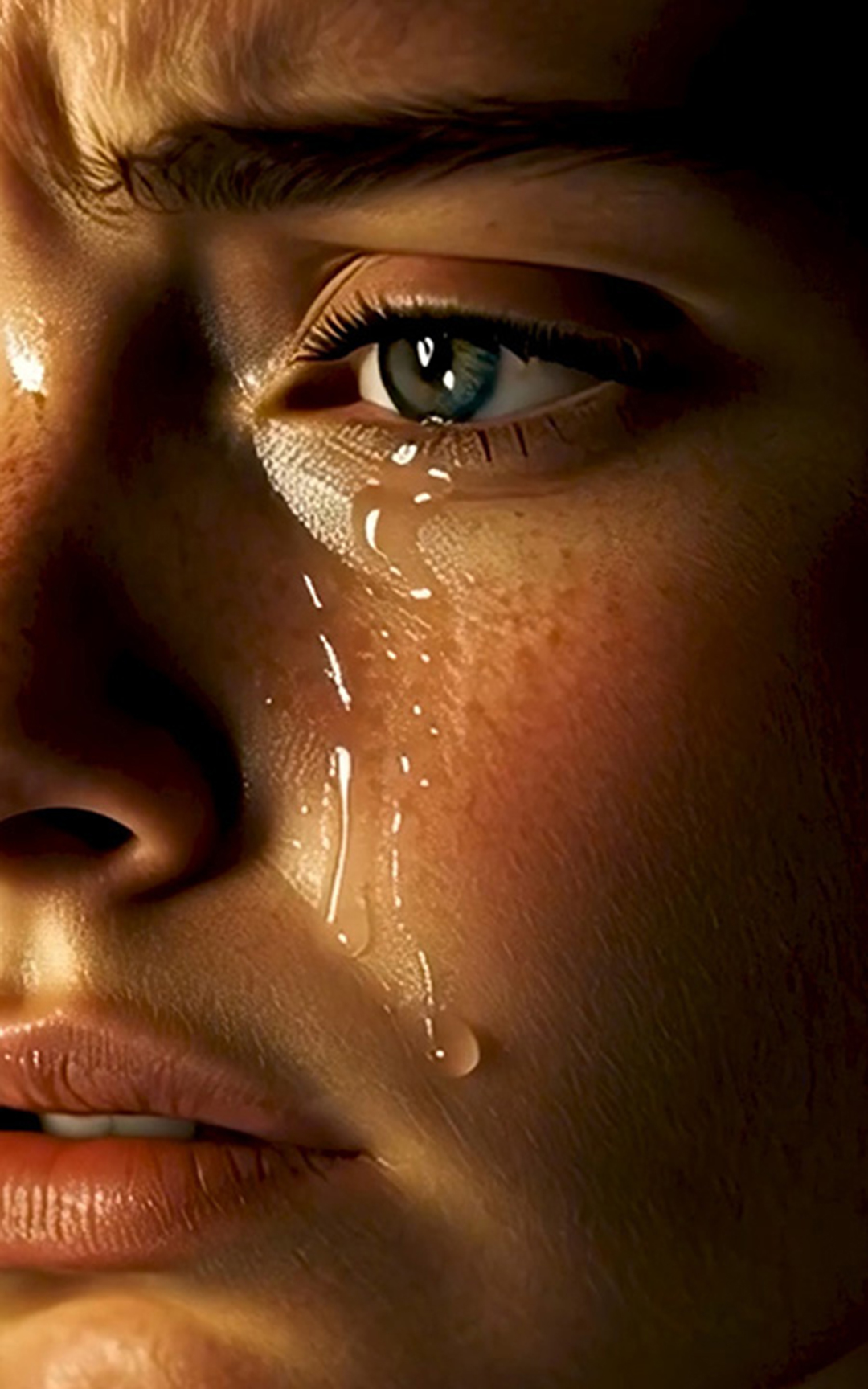
Can artificial intelligence replace human emotion as well as intellect? This work originates from this fundamental inquiry. The creative process involves presenting photographs to an AI and prompting it to visualize the perceived emotions as humanoid figures. Through this experience, the audience is confronted with the profound gap between their own intuitive feelings and the machine’s algorithmic interpretation and expression.

BIO

Chang Gi Lee is a media artist investigating the boundaries between nature, humanity, and AI. Holding an MS from KAIST and an MFA in Media Art, he combines technical precision with philosophical inquiry. Winner of the Alan Turing Award in Chicago and ISEA presenter, his work is showcased globally in New York and Paris.
QUBIT AI: Anna Vasof & VRinMotion Team

The Cage of Time

FILE 2024 | Installations
International Electronic Language Festival
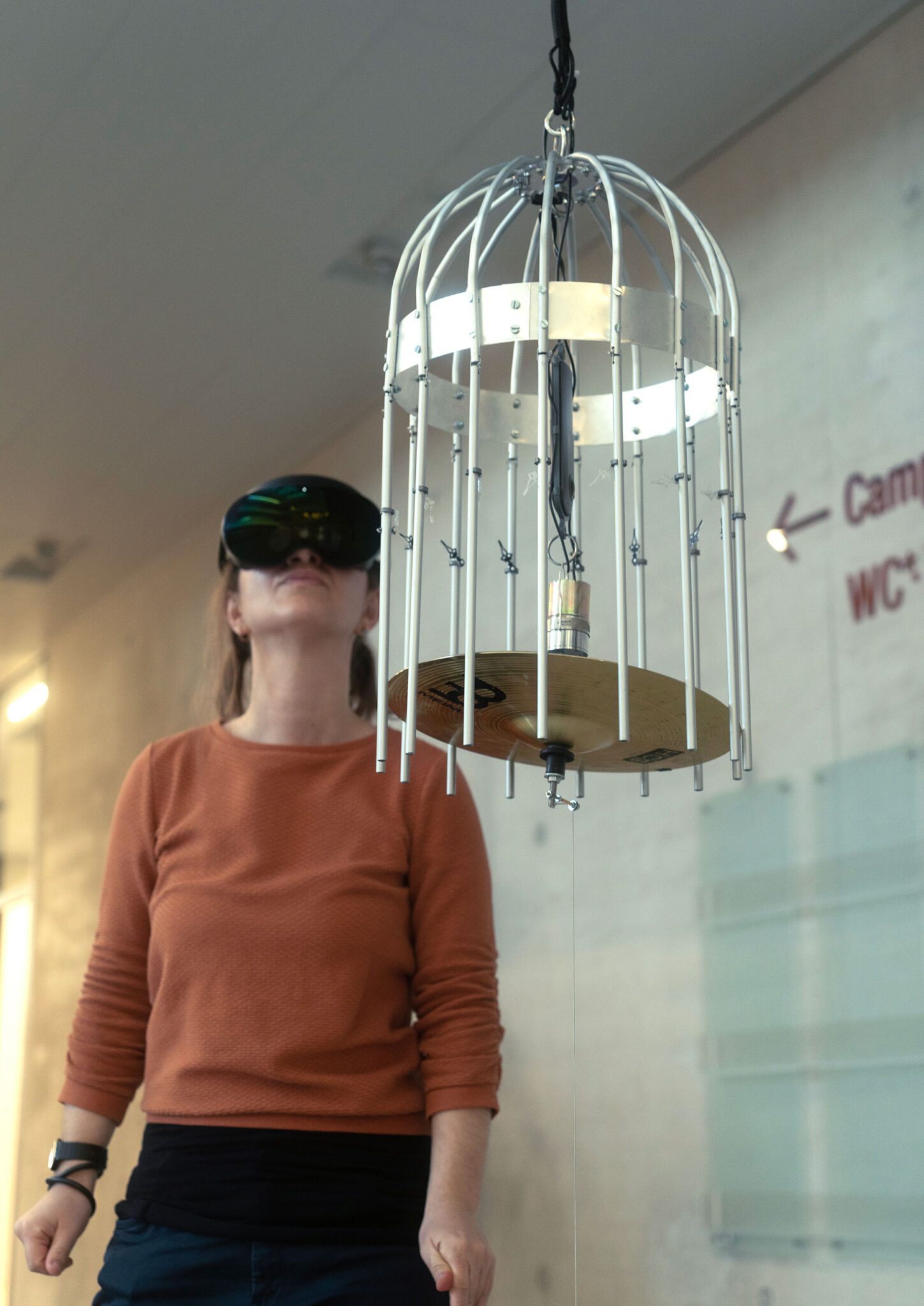
Interactive installation that presents a kinetic instrument object and virtual reality glasses, functioning as a device that animates the illusion of the passage of time in virtual space. In the fabric of existence, time weaves a cage around our ephemeral moments, limiting our perceptions of the past, present and future. By embracing this paradox, we may discover that the cage of time becomes the crucible where the alchemy of experience transforms our understanding of existence.

Bio

Anna Vasof is a multi-award-winning artist who focuses on filmmaking, short videos, and time-based sculptures. VRinMotion is an artistic research project based at St. Pölten University of Applied Sciences in Austria that investigates how features of stop-motion animation and motion capture can be combined with virtual reality to enrich current artistic discourse.

Credits

VRinMotion Team: Franziska Bruckner, Christoph Schmid, Clemens Gürtler, Matthias Husinsky, Christian Munk, Julian Salhofer, Stefan Nebel, Vrääth Öhner.
Concept by: Anna Vasof.

CyberMotion Simulator

Max-Planck-Institut

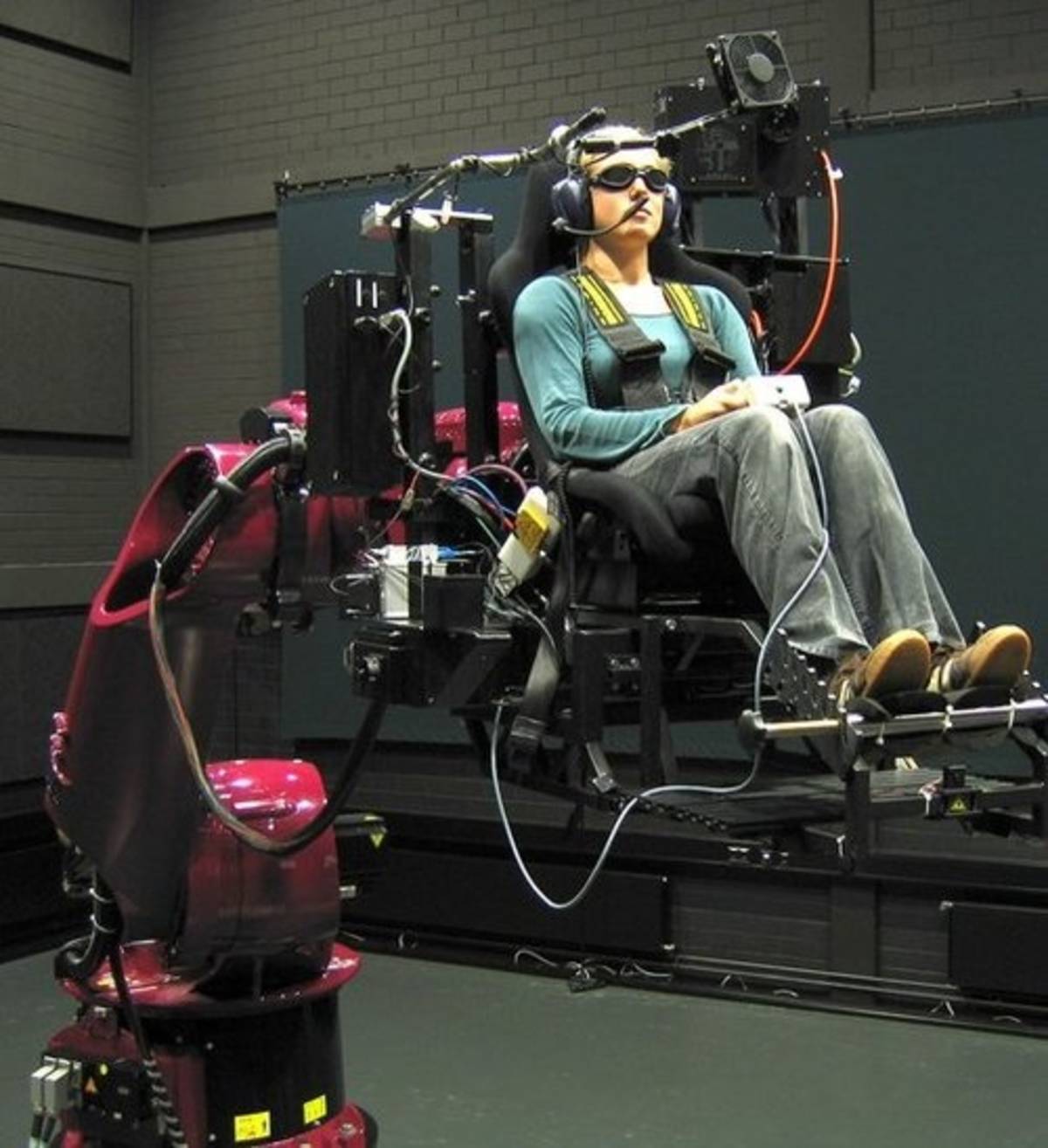
The CMS consists of an industrial robot arm with six independent axes, extended with an L-shaped cabin axis. The seventh axis allows for varying the orientation of the cabin with respect to the robot arm by changing the location of the cabin’s attachment point from behind the seat to under the seat, or any intermediate position. Recently, the CMS has been further extended with a linear axis of ten meters. The resulting eight degrees-of-freedom (DOF) provide an exceptionally large workspace. Several extreme motions and positions can be achieved, such as large lateral/longitudinal motions, sustained centrifugal motions, infinite head-centered rotation, and up-side-down motions.
Anabela Costa – Burning – France

BURNING

Anabela Costa


FILE SÃO PAULO 2026: Inter-creativity – Art and Technology – LED SHOW
Electronic Language International Festival


Burning – France 

Gently burning.

BIO

Anabela Costa is a visual artist; her work was subject of several solo exhibitions. 

From the eighties she becomes interested in digital image and moves progressively towards it. 

Since 2000 she is conducting research in the field of experimental film, based on two axes: the moving image—the aesthetics of representation of movement—, and the formalization of thematic and scientific concepts. 

She made a few experimental animation combining these two research areas: Web, TIME, LIQST_liquid state, and Landscape, In Motion, which were programmed and awarded in international festivals devoted to avant-garde cinema, animation, media arts and video-arts.

BASICODE – Histerese – Brazil

HISTERESE

BASICODE


FILE SÃO PAULO 2026: Inter-creativity – Art and Technology – LED SHOW
Electronic Language International Festival


Histerese – Brazil

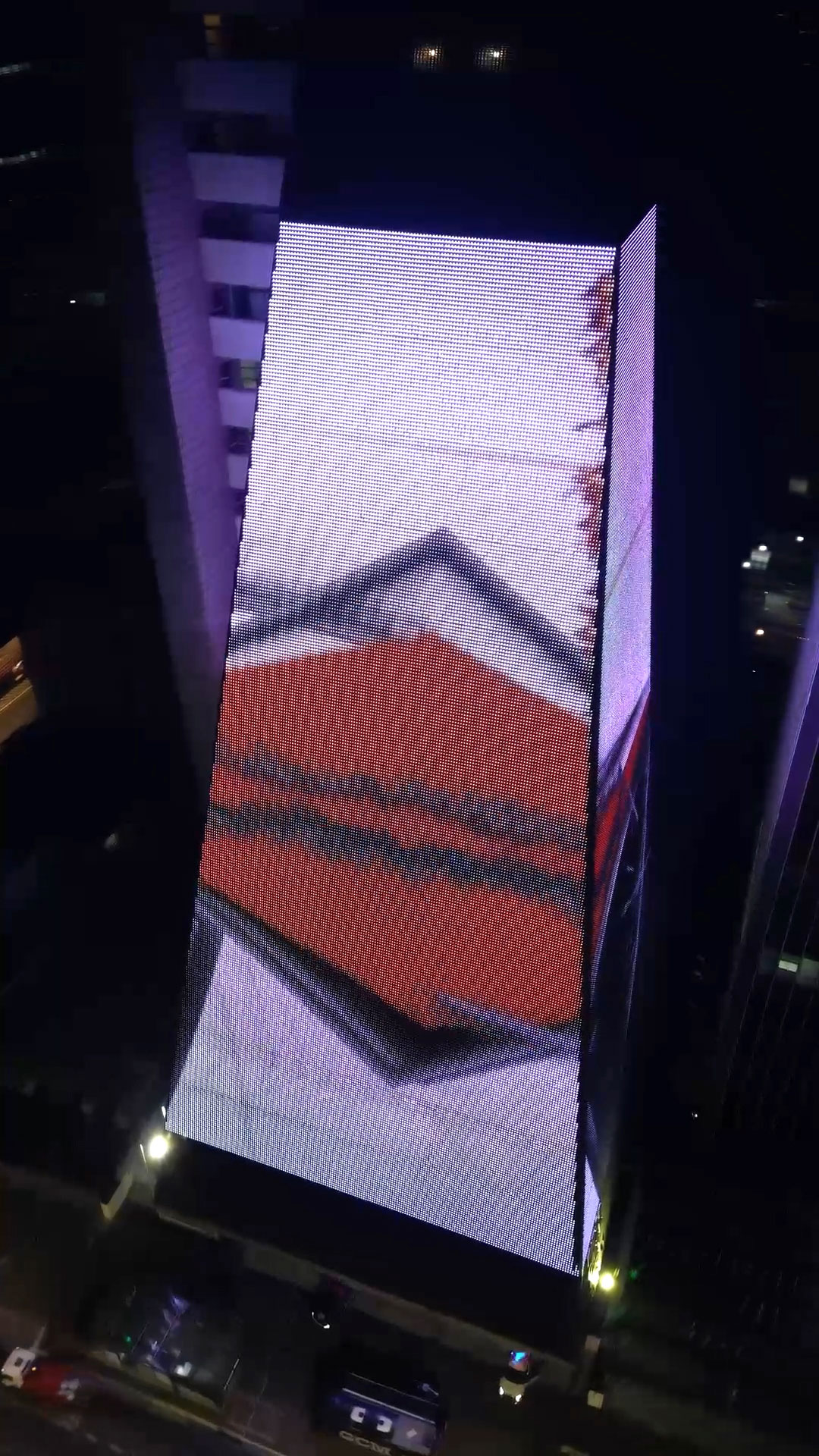
Histerese is a generative video in which a vector map controls the displacement of pixels in an image. Through a feedback loop, the movements accumulate in the system; the image becomes an accumulation of drifts, an overlay of memory itself in motion.

The work invites thinking about advective processes as movements that carry information: vectors of influence that displace ideas and shape the information flows through which contemporary culture itself operates.

BIO

BASICODE is an experimental research and creation project in art and technology. It operates in the expanded field of audiovisuals, dedicating itself to the study and production of real-time audiovisual performances. Starting in 2018 as an academic research project at the State University of Paraná, the project explores the fields of expanded audiovisual, visual music, and intermedia.

Daniel Samama – Dusk – Netherlands

DUSK

Daniel Samama


FILE SÃO PAULO 2026: Inter-creativity – Art and Technology – LED SHOW
Electronic Language International Festival


Dusk – Netherlands

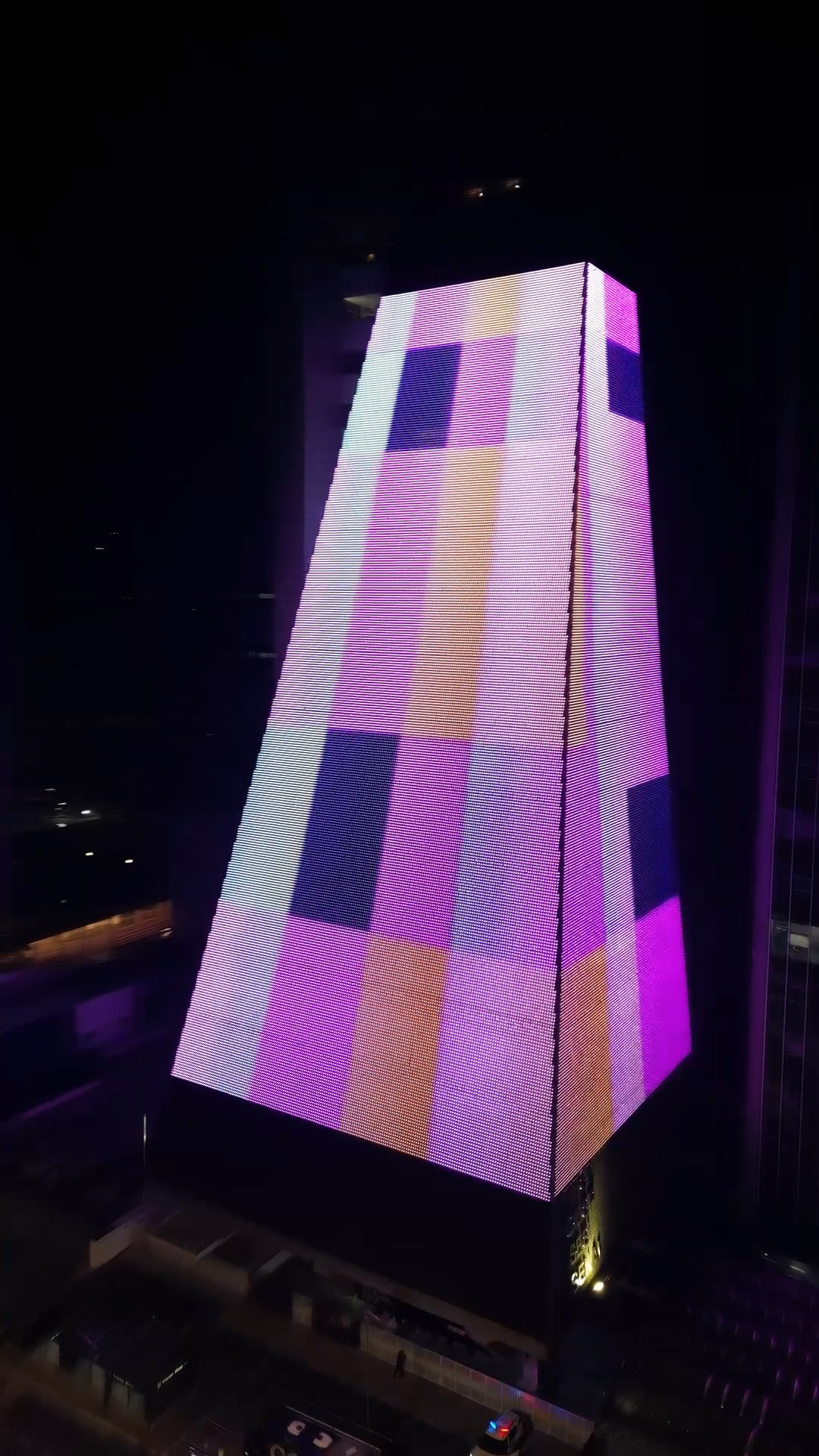
DUSK is an exploration of chaos and cohesiveness. The work randomly generates a never ending stream of new compositions and colors, which are both smooth and unexpected. DUSK is the result of a carefully coded series of feedback loops and modulators.

BIO

Daniel Samama creates generative art that shapes light and time with code and chaos. His work shows how code and chaos can form a perfect symbiosis, revealing endless beauty in unpredictability. It reflects a fascination with the unexpected and with creating playgrounds in which the digital is always in motion, with an infinite variety of shapes and colours.

Daniel Samama – Jairo’s Garden – Netherlands

JAIRO’S GARDEN

Daniel Samama


FILE SÃO PAULO 2026: Inter-creativity – Art and Technology – LED SHOW
Electronic Language International Festival


Jairo’s Garden – Netherlands

JAIRO’S GARDEN is a generative animation, coded while in Jairo’s Garden in Guatapé, Colombia. The animation tries to encapsulate the colors and movement of nature. It is both smooth and unexpected, both chaotic and in harmony. The work is crafted from a carefully coded series of feedback loops and chaos generators. Together, the animation creates itself: pixels push pixels, that push pixels who push pixels. Colors are semi-randomly inserted and being formed to streams, planes, clouds, mountains.

BIO

Daniel Samama creates generative art that shapes light and time with code and chaos. His work shows how code and chaos can form a perfect symbiosis, revealing endless beauty in unpredictability. It reflects a fascination with the unexpected and with creating playgrounds in which the digital is always in motion, with an infinite variety of shapes and colours.

La Boom Studio – Fluid Matters – Serbia

FLUID MATTERS

La Boom Studio


FILE SÃO PAULO 2026: Inter-creativity – Art and Technology – LED SHOW
Electronic Language International Festival


Fluid Matters – Serbia

Fluid Matters explores how liquid and light can materialize sensations without stable form. Organic references are reimagined through digital processes and merge with fluid motion to create a hybrid entity that exists between recognition and the artificial. The work reveals what lies beyond direct perception and allows the invisible to surface for a moment.

BIO

La Boom is a boutique art studio based in Europe, creating multimedia experiences worldwide. We turn ideas into full audiovisual projects and craft show concepts for events and artists. Every project is carefully chosen and developed with hands-on creativity by Elizabeth Mamonova (Art Director) and Almira Zakieva (Creative Director).

Alfonso Pretelt – LUX OSCILLANS – Colombia

LUX OSCILLANS

Alfonso Pretelt


FILE SÃO PAULO 2026: Inter-creativity – Art and Technology – MUSIC
Electronic Language International Festival


LUX OSCILLANS – Colombia

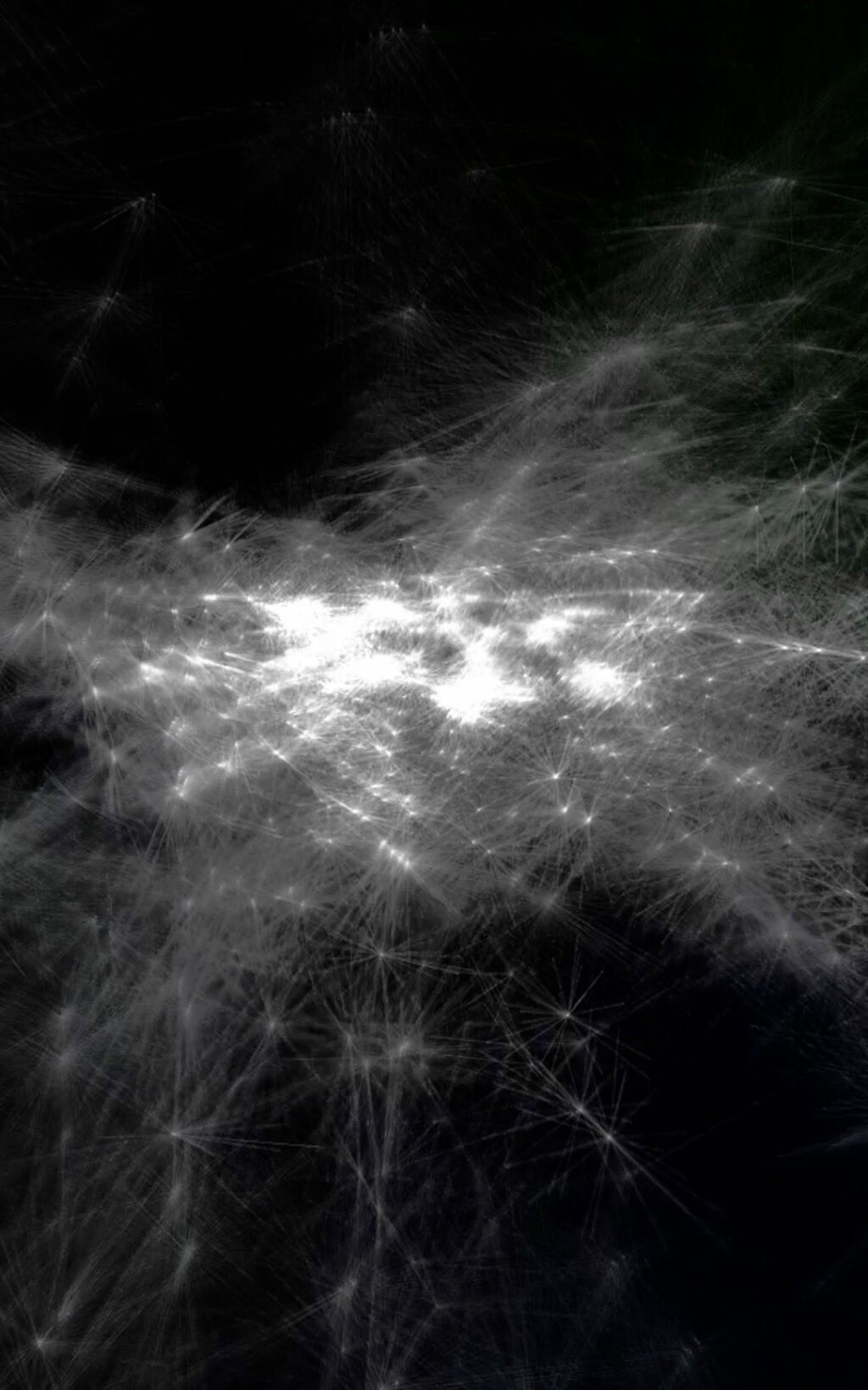
It is an audiovisual suite in four movements where sound, analyzed in real time, governs the light emission of an anisotropic field: grain, halo, matter and radiance are organized and dialogue, composing generative systems of a poetic physics.

Audio generated using SuperCollider, free software.

Moving image generated using C++ and JavaScript. 

BIO

Poet, interdisciplinary artist, composer, and psychologist. Alfonso questions the interface and the cyborg’s stance in its contemporary condition, transforming techno-spiritual and techno-emotional contexts in interaction with the machine. He conceives of sound as an entity, a material to be sculpted like stone. 

Simone Bosco – REbirth – Italy

REBIRTH

Simone Bosco


FILE SÃO PAULO 2026: Inter-creativity – Art and Technology – MUSIC VIDEO PERFORMANCE
Electronic Language International Festival


REbirth – Italy

REbirth is an Audio Video live show in which images react in real time to sound, shaping an incredibly emotional experience. “Nothing is destroyed, everything is transformed”, inspires the artist who explores the infinite life spiral of every living being: a process of regeneration that gives new life. An invitation to sustainability and personal renewal, REbirth explores a territory straddling different sound and visual languages in a synaesthetic process between them.

BIO

Simone Bosco is an Italian composer, producer, sound designer and musician.

From 2000 to 2026 he released 17 record works (4 of which were voted among the 10 best European albums of the year).

He has written music for 18 dramas.

He has collaborated with internationally renowned artists and has a concert activity that has led him to perform in prestigious theatres and festivals in over 20 countries.

Zack Nguyen – The Space Between Becomes Us – United States / Vietnam

THE SPACE BETWEEN BECOMES US

Zack Nguyen


FILE SÃO PAULO 2026: Inter-creativity – Art and Technology – VIDEO ART SHORT
Electronic Language International Festival


The Space Between Becomes Us – United States / Vietnam

The Space Between Becomes Us is a meditation on how the artist believes we come into being through one another—how the unseen space between us might carry memory, feeling, and healing. This work reflects a desire not for answers, but for mutual understanding. For the kind of peace that emerges when we let ourselves listen and become, together.

BIO

Zack Nguyen is a hybrid artist and independent curator based in Dallas and active in Berlin. Working across moving image, performance, sound, and new media installation, his practice explores nowness, identity, and the lived body as sites of healing and connection. His work balances minimal form with emotional intensity and has been exhibited internationally across Europe, Asia, and the U.S. 

Michael Lyons – Circles and Squares – United Kingdom/Japan

CIRCLES AND SQUARES

Michael Lyons


FILE SÃO PAULO 2026: Inter-creativity – Art and Technology – VIDEO ART SHORT
Electronic Language International Festival


Circles and Squares – United Kingdom/Japan

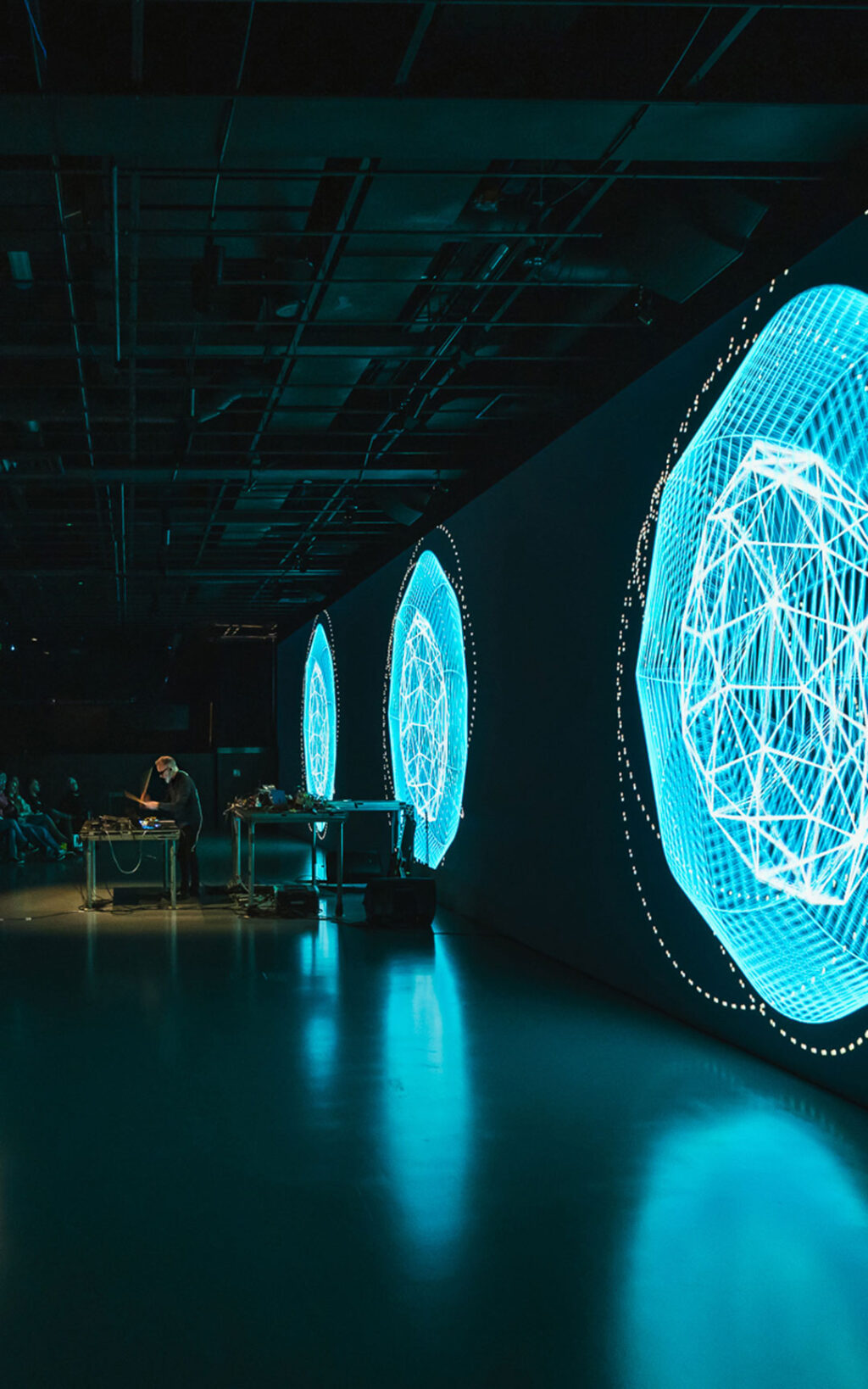
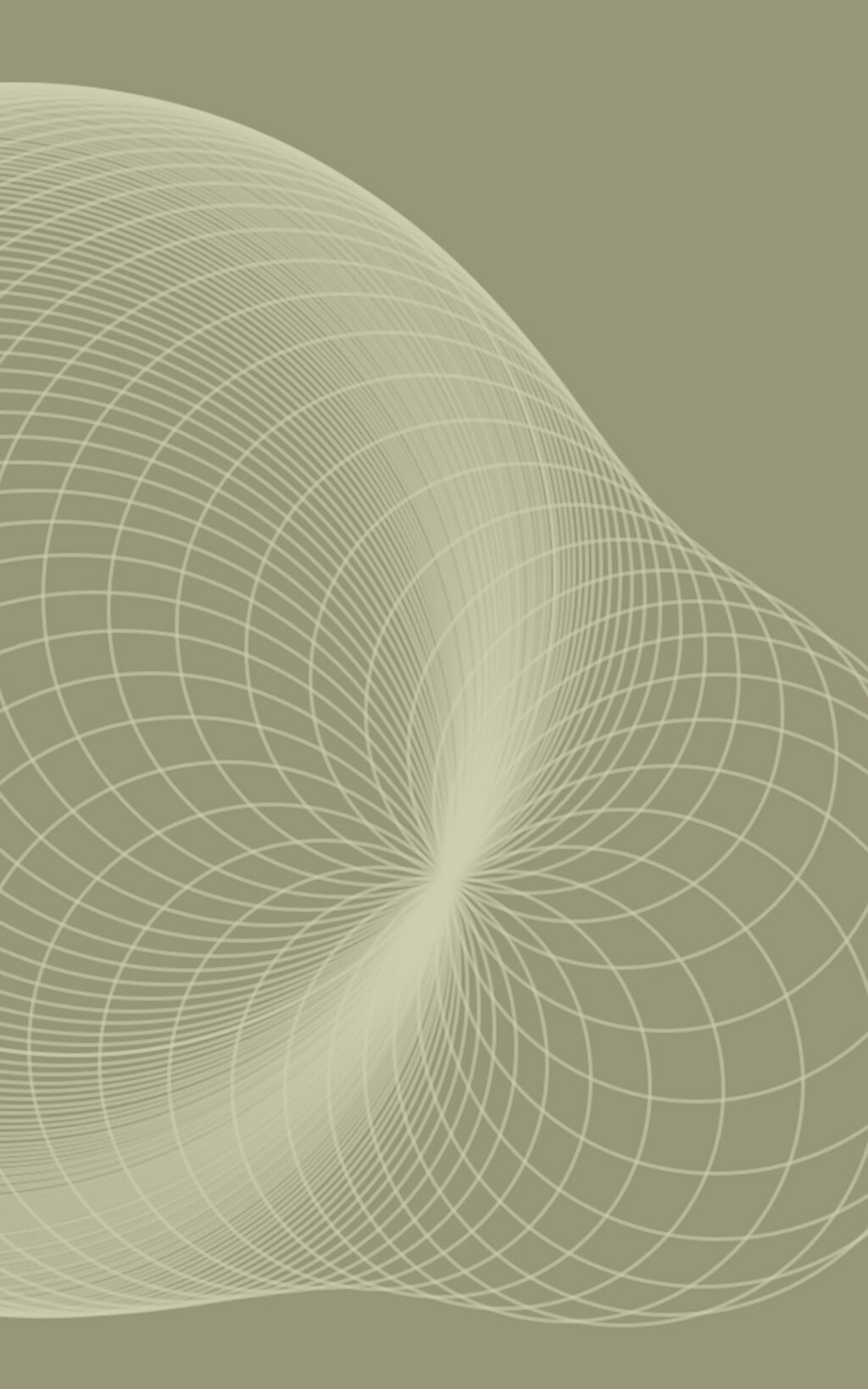
Circles & Squares is an audiovisual work structured around the interaction of geometric motion and sound. Circular forms intersect and recede in continuously shifting configurations, generating patterns of (a)symmetry, interference, and temporal tension. The animation operates as a visual score, organizing the square-wave tones of the soundtrack through evolving spatial relations. Free of narrative or representation, the work foregrounds rhythm, recurrence, and perceptual transformation.

BIO

Michael Lyons (UK, Canada) is an artist and researcher based in Kyoto, Japan. He is currently Professor of Image Arts and Sciences at Ritsumeikan University.

Jean-Michel Rolland – Amours perdues : la culpabilité – France

AMOURS PERDUES : LA CULPABILITÉ

Jean-Michel Rolland


FILE SÃO PAULO 2026: Inter-creativity – Art and Technology – VIDEO ART SHORT
Electronic Language International Festival


Amours perdues : la culpabilité – France

Amours Perdues (Lost Loves) is a series of videos produced a few months after the passing of the artist’s wife. This tormented period was filled with numerous emotions and questions that gave birth to these videos. Whether art therapy or simply a form of catharsis, this work helped him to accept a painful reality.

BIO

Jean-Michel Rolland is a French artist. A long time a musician and a painter, he brings together his two passions—the sound and the image—in digital arts since 2010. Through video artworks, he questions temporality, a genuine fourth dimension inherent to moving image, as well as the duality between his two favorite mediums, the sound and the visual.

Cho Juyoun – Unfaded – South Korea

UNFADED

Cho Juyoun


FILE SÃO PAULO 2026: Inter-creativity – Art and Technology – VIDEO ART SHORT
Electronic Language International Festival


Unfaded – South Korea

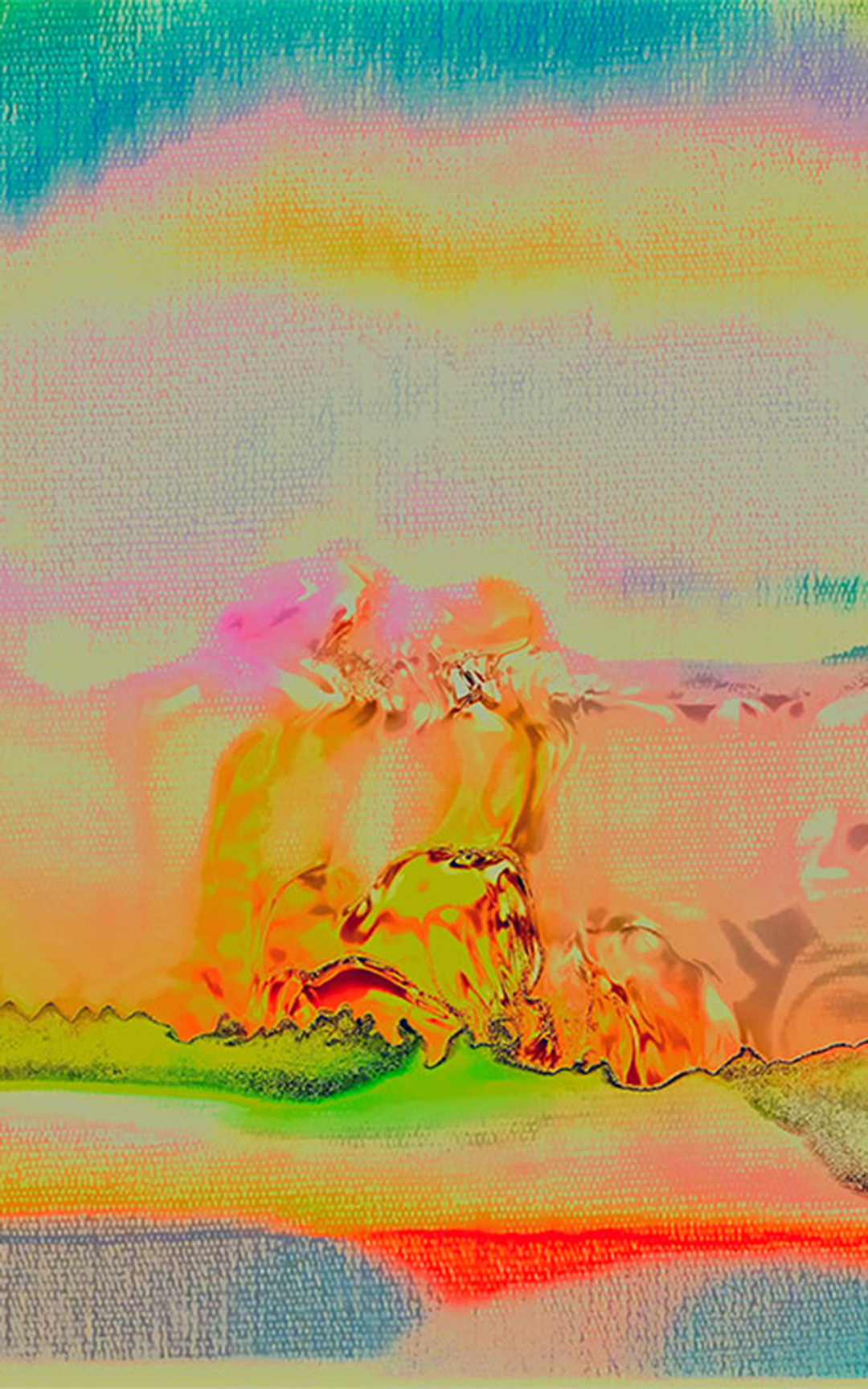
We carry memories that flow and expand like contour lines, forming emotional landscapes of warmth and coldness. Not only people, but objects, history, and even ancient trees hold these flowing memories. Every experience, whether joyful or painful, accumulates like layers of sediment, eventually hardening into rock and drawing unique ridges. The artist wishes to speak to all beings that gather and transform these memories into shape—especially to you, a small yet precious existence, still flowing and growing.

BIO

Born in Seoul (1982), she debuted in 2008. Her early works explored loss and isolation through canvas deconstruction. Since 2019, she has integrated digital animation, culminating in her Borderline series (2023–), which examines the intersection of painterly depth and digital immateriality. Her current practice spans media art and animation, reflecting a focus on cross-genre experimentation.

Alan Bogana – Restless Glows – Switzerland

RESTLESS GLOWS

Alan Bogana


FILE SÃO PAULO 2026: Inter-creativity – Art and Technology – VIDEO ART SHORT
Electronic Language International Festival


Restless Glows – Switzerland

Restless Glows is an experimental video essay exploring how luminous technologies shape perception, embodiment, and desire. Filmed across East Asia and Europe, and interwoven with CGI, motion-capture studies, and AI-generated imagery, the work examines light as both a technology of care and an urban infrastructure, oscillating between utopia and control.

BIO

Alan Bogana is a Swiss artist based in Geneva, Switzerland.

His practice spans installations, sculptures, time-based media, holography, and virtual environments. Across these formats, he investigates light as both material and speculative agent, focusing on how technoscientific cultures shape perception, knowledge, and imaginaries of nature.

Tianyun Yu – Project: Salvation – United Kingdom

PROJECT: SALVATION

Tianyun Yu


FILE SÃO PAULO 2026: Inter-creativity – Art and Technology – CINEFILE | Short
Electronic Language International Festival


Project: Salvation – United Kingdom

This cinematic short demonstrates the power of multi-modal AI storytelling, utilizing Gemini, Google Nano Banana, Veo3, Kling O1, and Suno to blend high-fidelity visuals with emotional sound, redefining the future of digital production. The work explores survival in a world halted by energy shortages. Following her mother’s lost research, a lone survivor reactivates an ancient station, transforming a barren wasteland into a symbol of hope.

BIO

Tianyun Yu is a multidisciplinary designer and creative technologist operating at the intersection of visual communication and computational arts. With an MFA from Computational Arts, Goldsmiths and a BA background from the China Academy of Art, she synthesizes artistic intuition with rigorous algorithmic thinking.

Mirage Bureau & Rene Cardillo – Shifting – Brazil

SHIFTING

Mirage Bureau & Rene Cardillo


FILE SÃO PAULO 2026: Inter-creativity – Art and Technology – CINEFILE | Short
Electronic Language International Festival


Shifting – Brazil

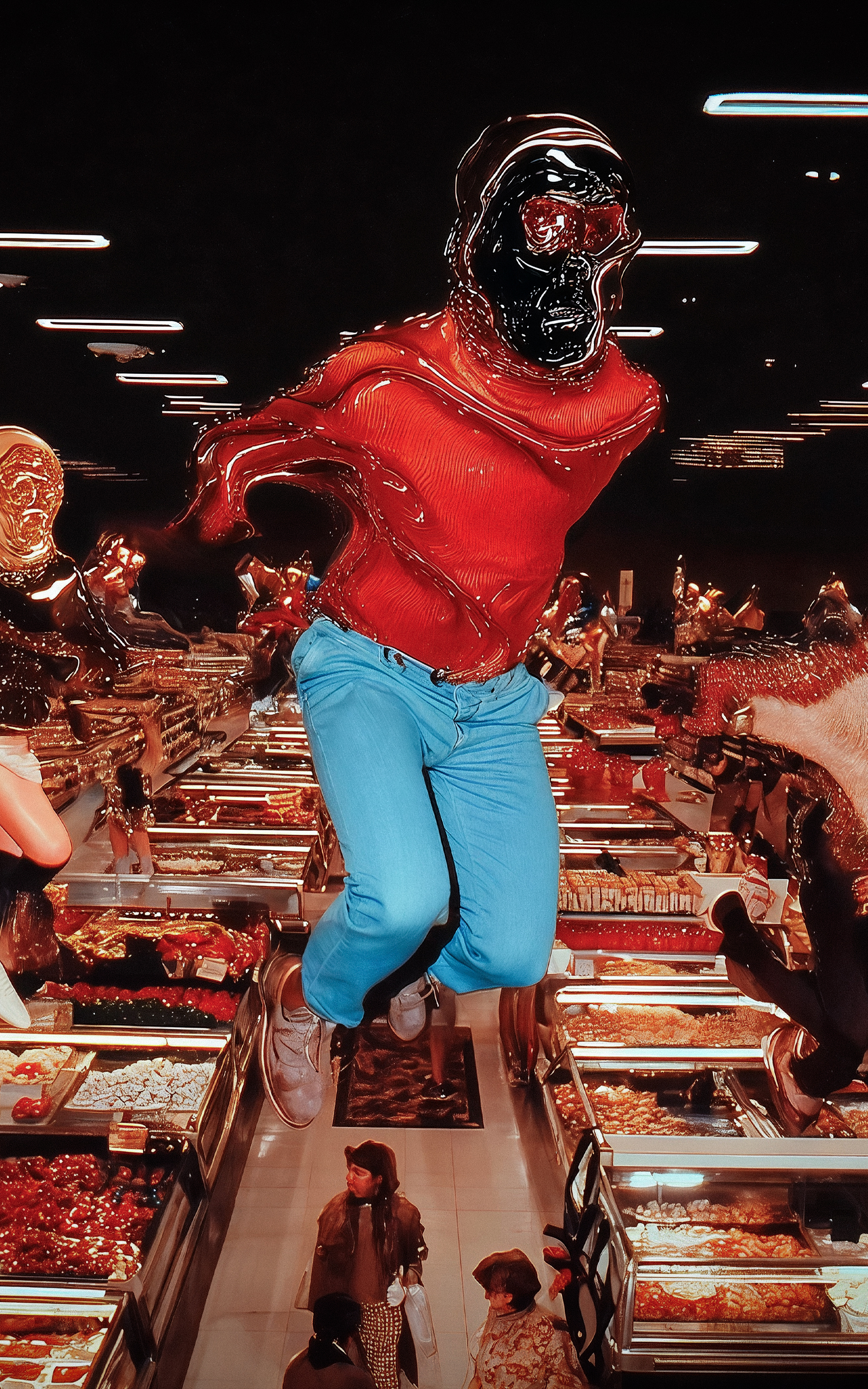
In seemingly ordinary supermarkets, everything stands on the verge of transformation. The everyday environment along with everyone undergoes a transition into an unstable spatial condition.

Shifting traces this process: people and objects appear to traverse invisible layers of reality following the emergence of an extradimensional presence. What was once familiar becomes indeterminate, as if space itself were recalibrating according to an unfamiliar logic.

BIO

Mirage Bureau is an artist working at the intersection of artificial intelligence, poetics, and visual storytelling. His practice explores emerging frontiers of AI-generated image-making, treating the body and language as delicate instruments of connection, continually disrupted by noise, projection, and emotional overflow.

Christopher Knowlton – Deus Ex Machina Doctrina: The AI Dances – United States

DEUS EX MACHINA DOCTRINA: THE AI DANCES

Christopher Knowlton


FILE SÃO PAULO 2026: Inter-creativity – Art and Technology – CINEFILE | Short
Electronic Language International Festival


Deus Ex Machina Doctrina: The AI Dances – United States

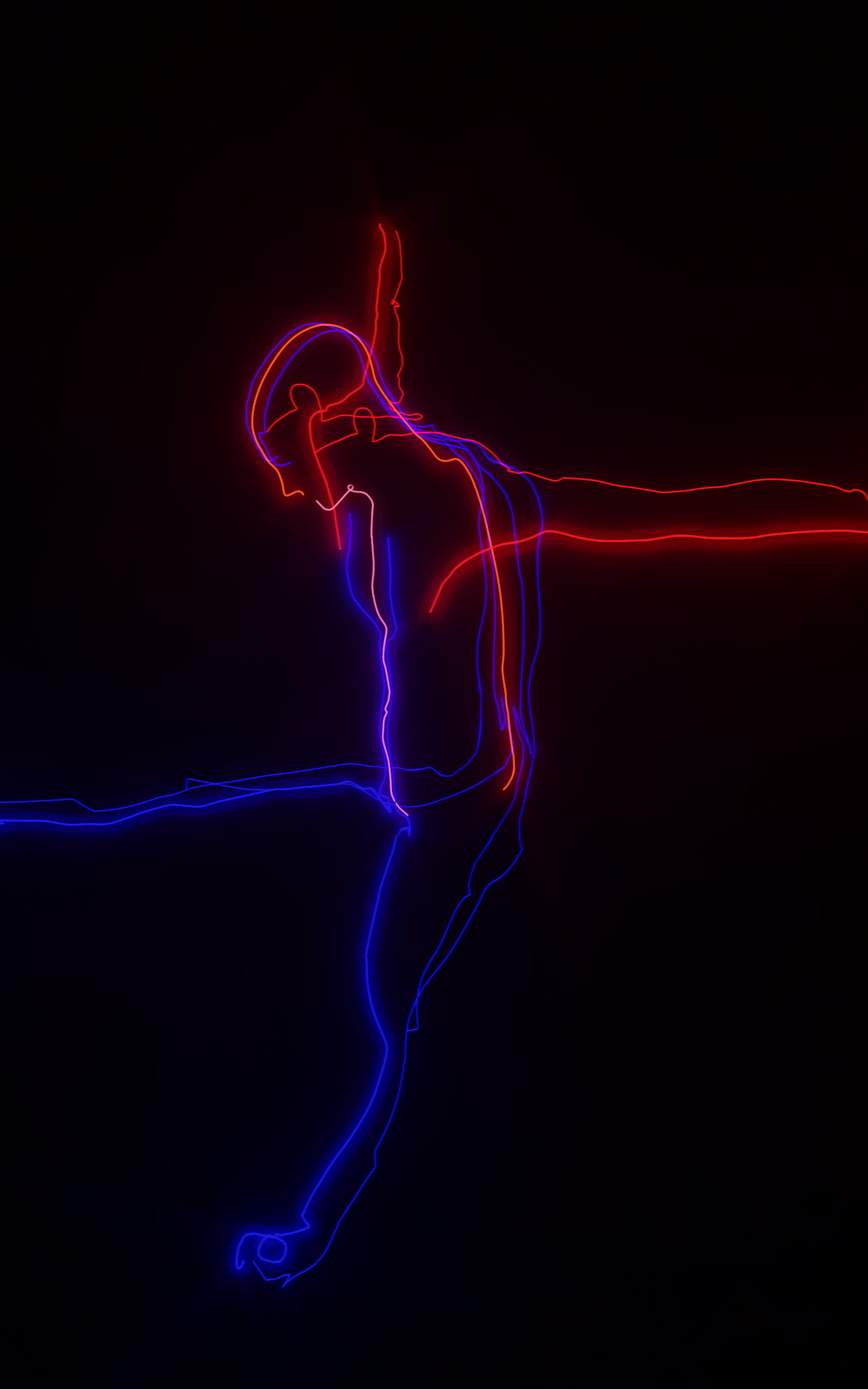
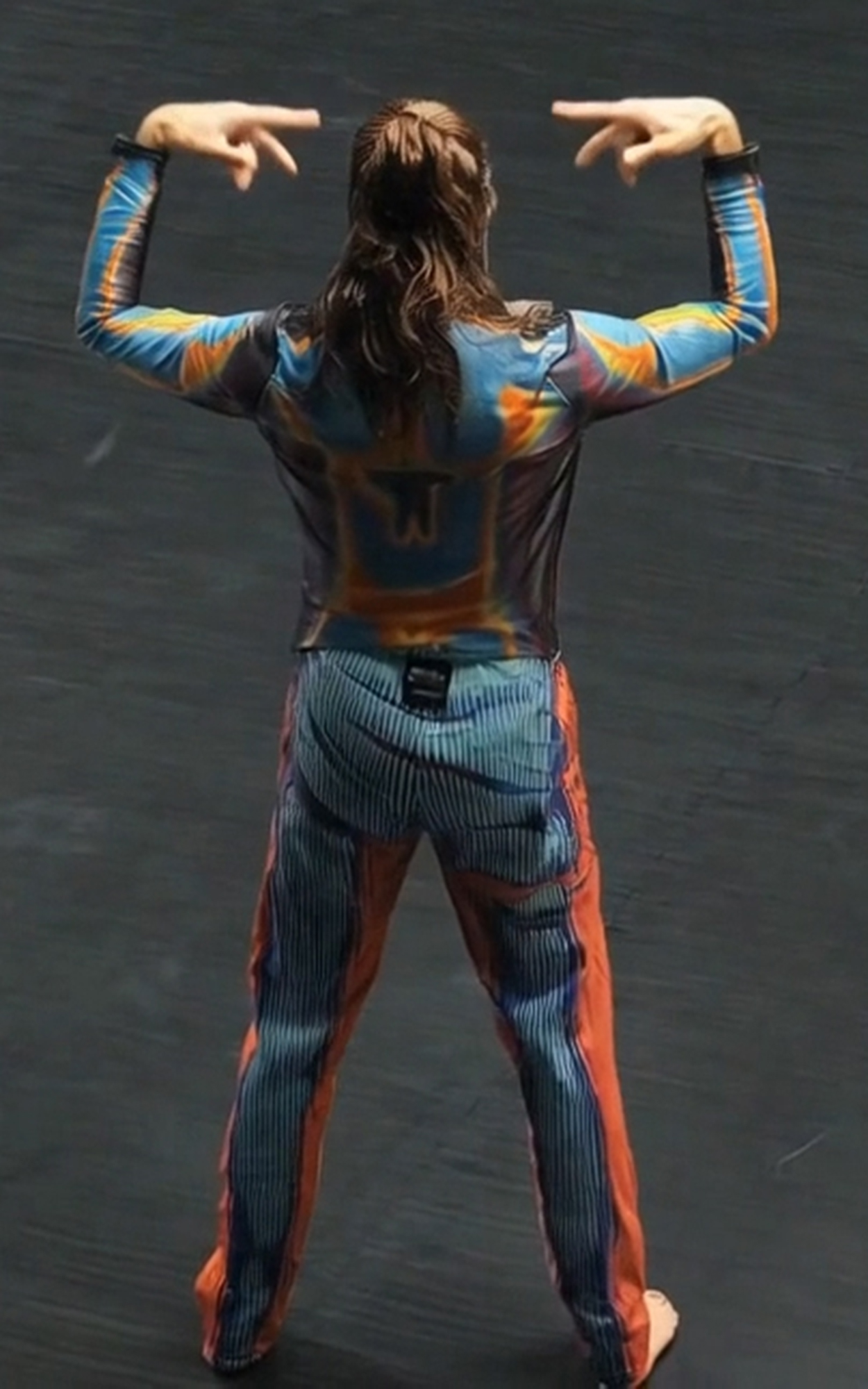
Deus Ex Machina Doctrina: The AI Dances is an experimental dance film that examines the deification of new technologies, the implications of artificial intelligence (AI) for dance, and the extractive forces underpinning generative AI. Images of the artist in motion feed commercial AI video generators to hallucinate impossible choreographies. In doing so, movement prompting as a new mode of interaction with AI reveals emergent aesthetics and treatments of the body embedded in these systems. 

BIO

Christopher Knowlton, Ph.D., is a queer transdisciplinary movement artist and research scientist who uses emerging technologies to create augmented performance work. Based in Chicago, he has created many solo and collaborative dance works that have been featured locally and internationally, spanning dance, film, new media, puppetry and storytelling.

John Butler – The Magic Robot – England

THE MAGIC ROBOT

John Butler


FILE SÃO PAULO 2026: Inter-creativity – Art and Technology – Full-length
Electronic Language International Festival


The Magic Robot – England

A tale of technological unemployment, only this time it’s the robots who are losing their jobs.

Loosely based on Upton Sinclair’s ‘The Jungle’, the Magic Robot traverses the worlds of bonded labour, industrial espionage, fine art and spirituality in his search for ‘Self‘. The Magic Robot is a work of Bureaucratic Science Fiction, confirming that we are living in a spreadsheet, not a simulation.

BIO

Studied Drawing & Painting and Electronic Imaging at Duncan of Jordanstone College of art, Dundee.

Lives and works in Glasgow as 3D animator. His personal work makes extensive use of CGI, motion capture, and, lately, ‘Interrogative Fashion’.

Has exhibited and screened media art work extensively in the UK and abroad, and has produced work for broadcast in UK for BBC2 and Channel 4.

Sandrine Deumier – DEEP-SKIN – à fleur de peau – France

DEEP-SKIN – À FLEUR DE PEAU

Sandrine Deumier


FILE SÃO PAULO 2026: Inter-creativity – Art and Technology – Animation
Electronic Language International Festival


DEEP-SKIN – à fleur de peau – France

DEEP-SKIN – à fleur de peau is a speculative fiction in which two characters engaged in an online dialogue have the opportunity to explore a new form of intimacy where touch would no longer have a reason to exist, but where other modes of relationship would be put in place through another skin, more capable of emotionally and psychologically touching the human spirit: a kind of even more tactile skin, connected to new emotional depths.

With the support of Absolute Art AIR (Taiwan)

BIO

Sandrine Deumier is a multidisciplinary artist working in the fields of performance, poetry and video art whose work investigates post-futurist themes through the development of aesthetic forms related to digital imaginaries.

Peter Burr & Mark Fingerhut – DESCENT – United States

DESCENT

Peter Burr & Mark Fingerhut


FILE SÃO PAULO 2026: Inter-creativity – Art and Technology – Animation
Electronic Language International Festival


DESCENT – United States

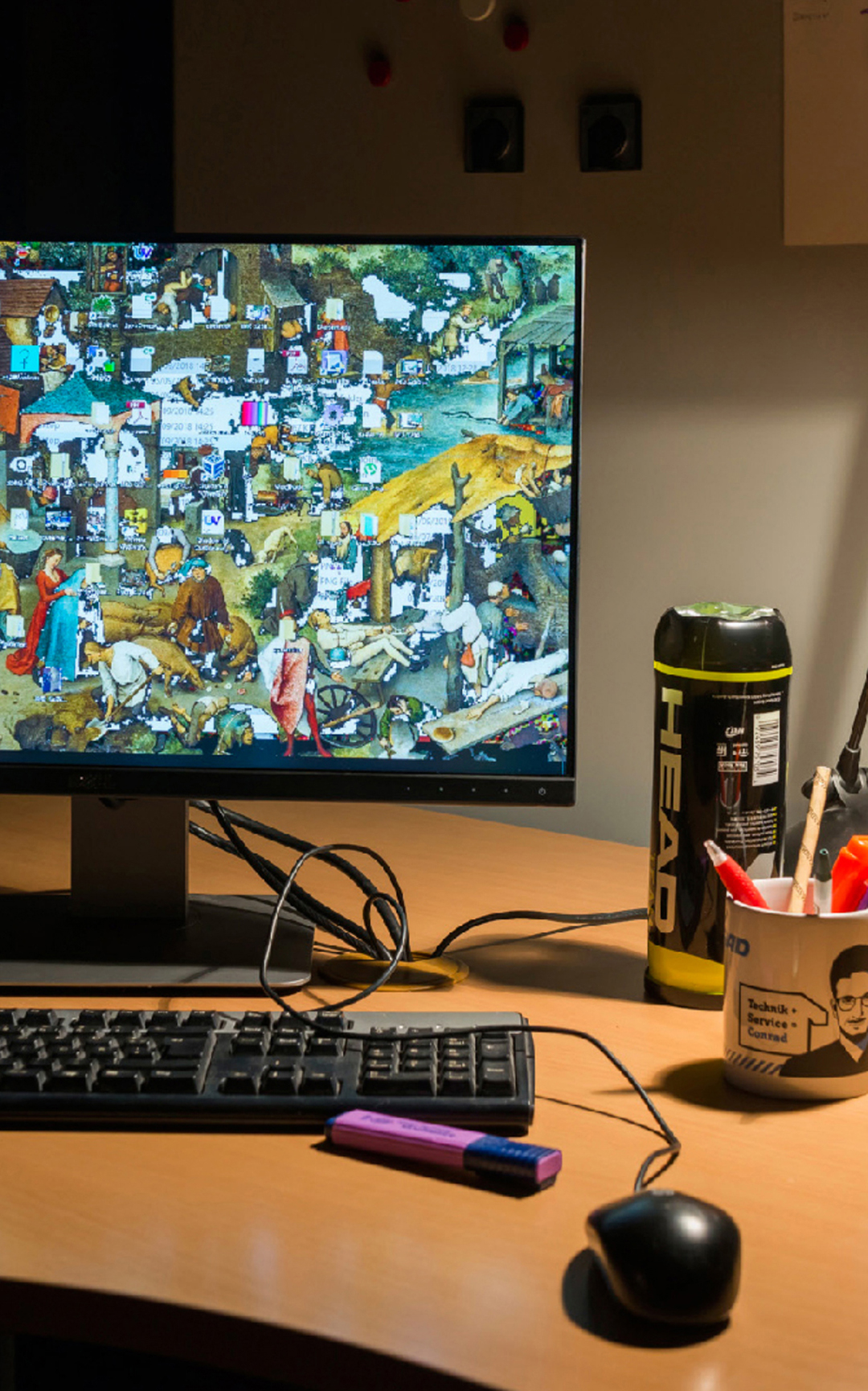
In 1562, Pieter Bruegel the Elder completed The Triumph Of Death, a panorama where black smoke blots out the sky, dead fish litter the shore, and skeletons test a myriad of death techniques. Over 200 years earlier, the Black Death wiped out half of Europe’s population, triggering upheavals that shaped medieval history. Alongside Mark Fingerhut and Forma, Burr created DESCENT, a desktop application that meditates on this darkness through a spiraling digital plague—ending with a single eye watching the rats destroy themselves.

BIO

Peter Burr is a Brooklyn-based artist whose immersive environments transform computational systems into emotional, sensory experiences. Working across video, software, and installation, he explores the relationship between human-machine interfaces and the systems that shape them. A Guggenheim Fellow and Creative Capital grantee, his work has been exhibited internationally at institutions including MoMA, the Whitney, and Centre Pompidou.

Mark Fingerhut is a New York-based artist, programmer, performer, and writer whose work spans software art, video, installation, and live digital performance. Using code, choreography, humor, and experimental storytelling, he creates works that explore network culture, computer interfaces, and the poetics of everyday digital experience.

Pedro Pisco – A Herança – Brazil / Portugal

A HERANÇA

Pedro Pisco


FILE SÃO PAULO 2026: Inter-creativity – Art and Technology – Animation
Electronic Language International Festival


A Herança – Brazil / Portugal

In a world where light symbolizes faith, the main character sees his relationship with his father crumble due to an incurable disease. Years later, facing the same fate with his own son, he learns to transform the trauma into love and acceptance, as it is the only legacy left by his father.

BIO

Pedro Jacob Pisco is a 3D artist and filmmaker born in Lisbon, passionate about creating and telling stories through animation. With a background in Multimedia Arts, he has worked on advertising, film, and game projects, always exploring striking visuals and emotional narratives.

Milton Montenegro – Hallucination – Brazil

HALLUCINATION

Milton Montenegro


FILE SÃO PAULO 2026: Inter-creativity – Art and Technology – Animation
Electronic Language International Festival


Hallucination – Brazil

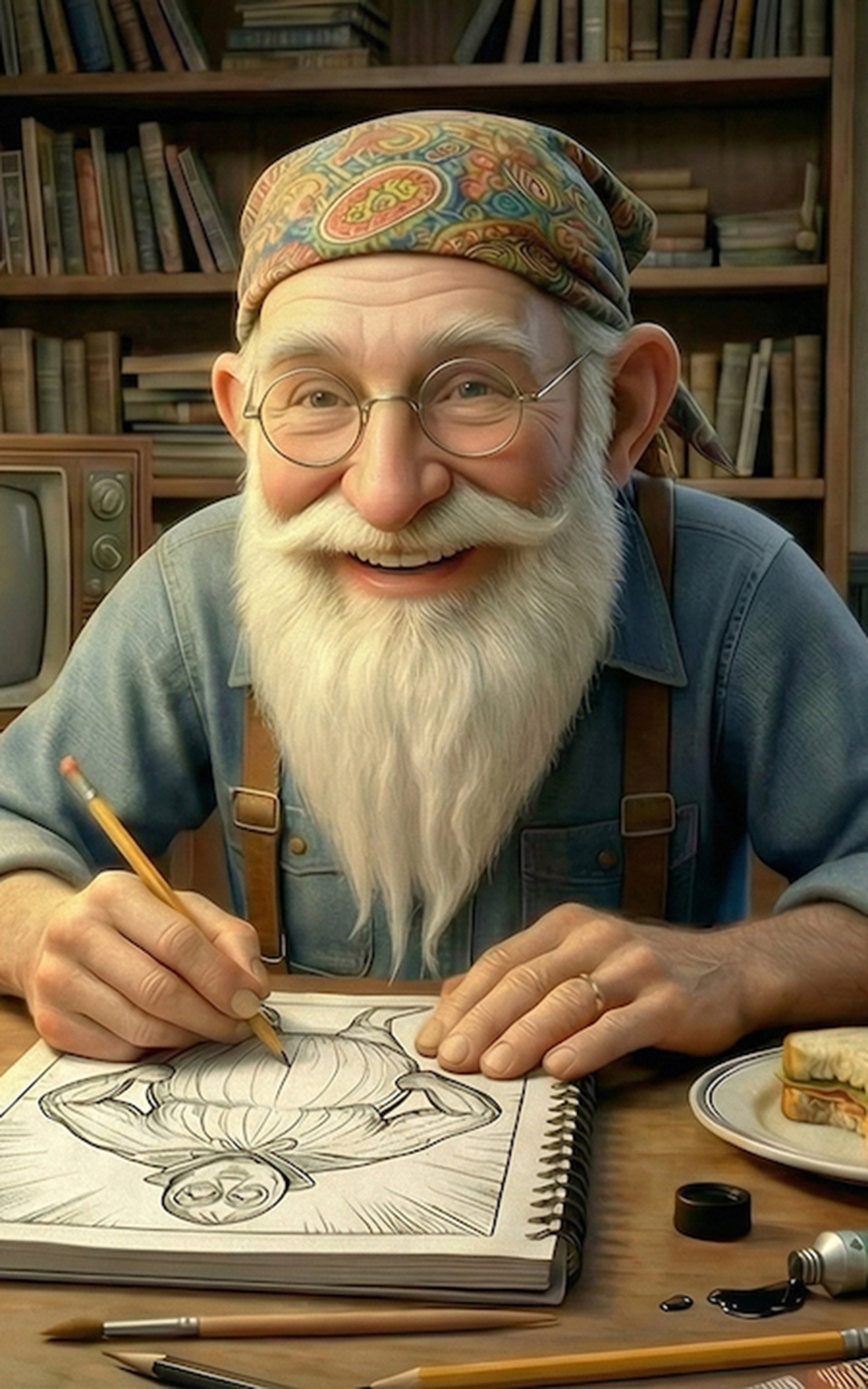
When veteran cartoonist Joe K. is falsely accused of plagiarism, his life turns into a Kafkaesque nightmare.

His only hope is Onion-Man, the odd superhero he has been drawing for decades, who magically escapes from the comic books into the real world.

Together, they must outwit an authoritarian AI and unleash the deadliest of superpowers to avoid prison.

BIO

Michael Betancourt is a distinguished Cuban-American (Latinx) critical theorist, moviemaker, and research artist known for his work in the fields of digital capitalism, motion graphics, and Glitch Art; a pioneer of Glitch Art, he has made visually seductive digital art since 1990 that brings the visionary tradition into the present by glitching still and moving images. 

Michael Betancourt – Zersetzung – United States

ZERSETZUNG

Michael Betancourt


FILE SÃO PAULO 2026: Inter-creativity – Art and Technology – Animation
Electronic Language International Festival


Zersetzung – United States

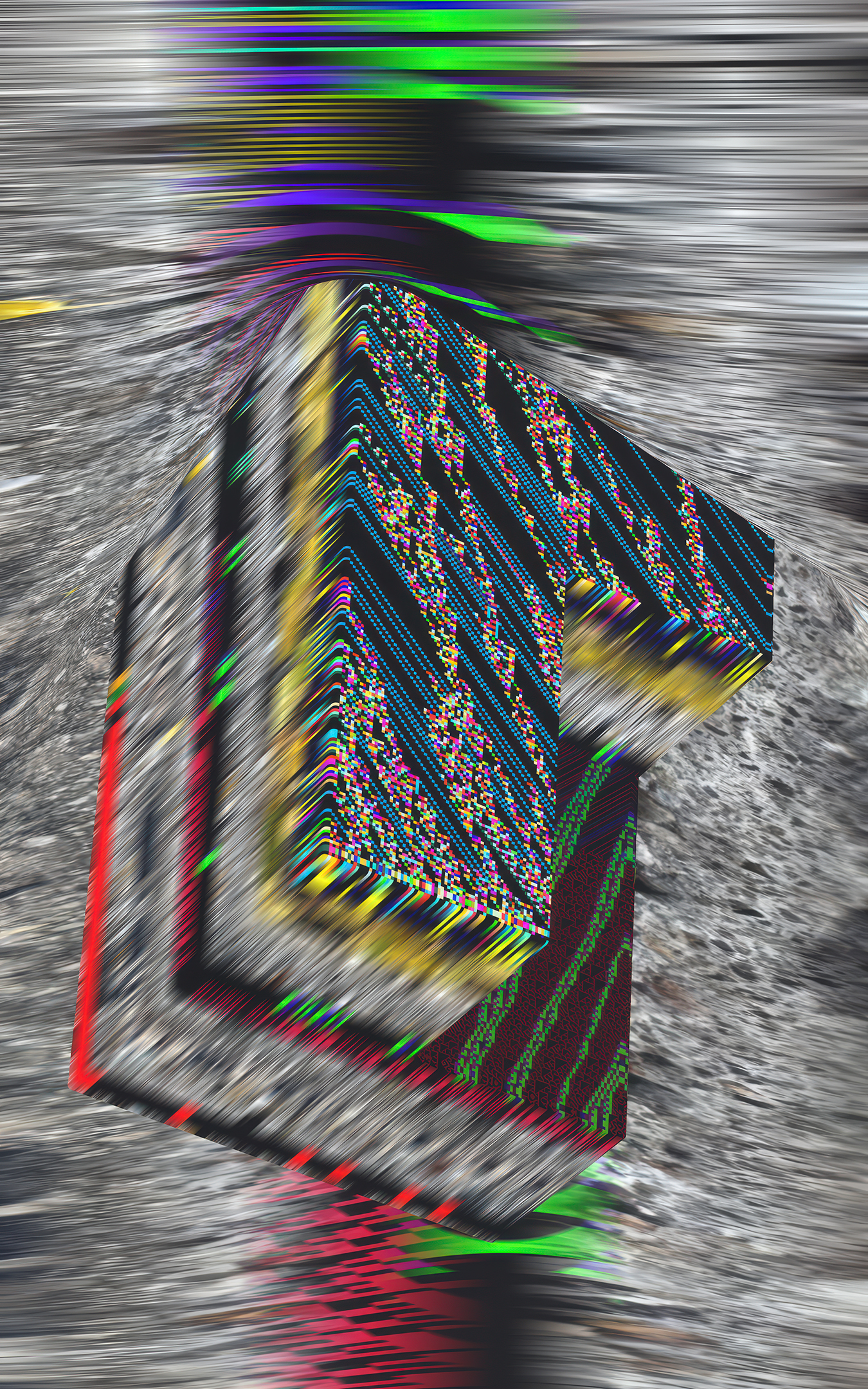
The term “Zersetzung” [decomposition] identifies the psychological repression employed by the Stasi in the DDR that attacked their victims’ self-perception, confidence, and capacity for resistance through deliberate alienation and paranoia. Victims found themselves isolated, doubting their own memories and relationships, as the secret police manipulated their social environment to create chronic uncertainty about what is real, true, authentic; precisely the same instabilities created by AI.

BIO

Michael Betancourt is a distinguished Cuban-American (Latinx) critical theorist, moviemaker, and research artist known for his work in the fields of digital capitalism, motion graphics, and Glitch Art; a pioneer of Glitch Art, he has made visually seductive digital art since 1990 that brings the visionary tradition into the present by glitching still and moving images. 

Samim Mehdizadeh & Oliver Tessmann – Animate Concrete – Iran / Germany

ANIMATE CONCRETE

Samim Mehdizadeh & Oliver Tessmann


FILE SÃO PAULO 2026: Inter-creativity – Art and Technology – Discrete Architecture
Electronic Language International Festival


Animate Concrete – Iran / Germany

Roto-moulded concrete elements by the Digital Design Unit become dancing partners.

Architects from the Digital Design Unit (DDU) in Darmstadt and the choreographers from Berlin-based studio tanzpol explore the interrelationship of choreography and architecture with their Animate Concrete project. What happens when you can dance with architectural elements? What if seemingly massive pieces rock and move at the touch of your hand?

BIO

Project team:

Architecture: Digital Design Unit (DDU), Prof. Dr.-Ing Oliver Tessmann, Samim Mehdizadeh M.Sc., Technische Universität Darmstadt. Choreography: Ashkan Afsharian, Johana Kasperowitsch, tanzpol, Samim Mehdizadeh. Dance: Johanna Kasperowitsch, Susanne Grau. Scientific development and project management: Samim Mehdizadeh M.Sc. Robotic fabrication: Danial Ahmad, Mirko Dutschke, Jingwei Fang, Bingqun Liu, Joshua Schäfer, Luke Schüßler, Daniel Schinkels, Malcolm Unger, Leon Witschorke. Design team: Nesrin Asma, Bingqun Liu, Aleyna Yanar, Ye Hong, Luke Schüßler, Daniel Schinkels, Kai Shima, Robin Wehrle, Jasmin Tietianiec, Malcolm Unger, Mashal Maria Hashimi, Jingwei Fang, Yishu Dai, Joshua Schäfer, Mirko Dutschke, Cristina Maria Calin, Sara Elif Yildiz, Tong Lee, Leonie Konz. 

Movie:

Maxim Abrossimov: Animate Concrete – Dance with Me! , Animate Concrete – Making Of . Joshua Schäfer: Animate Concrete – 3D Scan and Motion Tracking

Mengyu Huang, Dafni Katrakalidi, Martha Masli, Nguyễn Xuân Mẫn & Wenji Wang – PizzaBot – Vietnam

PIZZABOT

Mengyu Huang, Dafni Katrakalidi, Martha Masli, Nguyễn Xuân Mẫn & Wenji Wang


FILE SÃO PAULO 2026: Inter-creativity – Art and Technology – Discrete Architecture
Electronic Language International Festival


PizzaBot – Vietnam

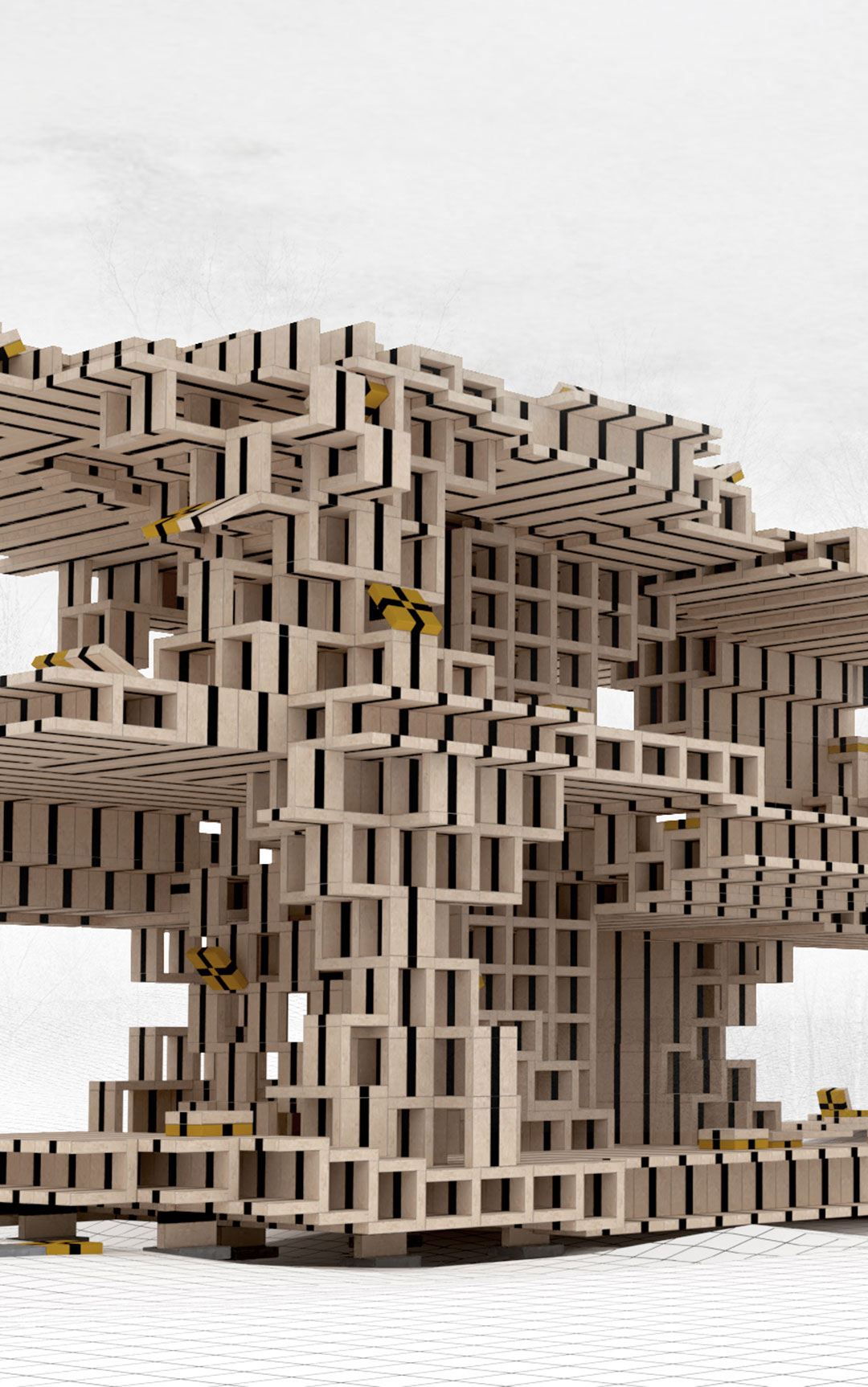
PizzaBot explores architectural automation using identical geometries for building blocks and assembly robots. By utilizing digital materials and discrete assembly, the project redefines construction through part-to-whole relationships. Shaped like a box, this “relative robot” moves along its own structure using one-axis motion to manipulate matching passive elements. Coordination of numerous bots is managed via a BIM application for task planning and collision avoidance, while machine learning aids navigation. Prototypical habitats show how this system creates site-specific assemblies that adapt to terrain and achieve large spans.

BIO

Nguyễn Xuân Mẫn is an architect, computational designer, and founder of XMArchitect. With a Master’s from The Bartlett, UCL, his practice bridges advanced computational research, seen in projects like PizzaBot, with sustainable architecture. Guided by Digital Regionalism, he currently focuses on developing green modular homes in Vietnam using upcycled materials and local heritage. 

Credits: Mengyu Huang, Martha Masli, Wenji Wang, Dafni Kalatradi

Karl Sims – Seven Experiments in Procedural Animation – United States

SEVEN EXPERIMENTS IN PROCEDURAL ANIMATION

Karl Sims


FILE SÃO PAULO 2026: Inter-creativity – Art and Technology – Randomic Dimension
Electronic Language International Festival


Seven Experiments in Procedural Animation – United States

Animated textures and patterns created from custom computer code employing various fractal algorithms, procedural noise, and reaction-diffusion techniques. The moving images are purely defined by mathematics, but are meant to evoke a biological aesthetic by resembling sea creatures, neurons, or other microscopic structures that transform from one emergent pattern to another.

BIO

Digital media artist and visual effects software developer. He founded GenArts Inc., which created special effects software tools for the motion picture industry. Karl studied computer graphics at the MIT Media Lab, and Life Sciences as an undergraduate at MIT. He is the recipient of various awards including two Ars Electronica Golden Nicas, a MacArthur Genius Grant, and an Emmy Award.

Chris Barber – Confetti – United States

CONFETTI

Chris Barber


FILE SÃO PAULO 2026: Inter-creativity – Art and Technology – Randomic Dimension
Electronic Language International Festival


Confetti – United States

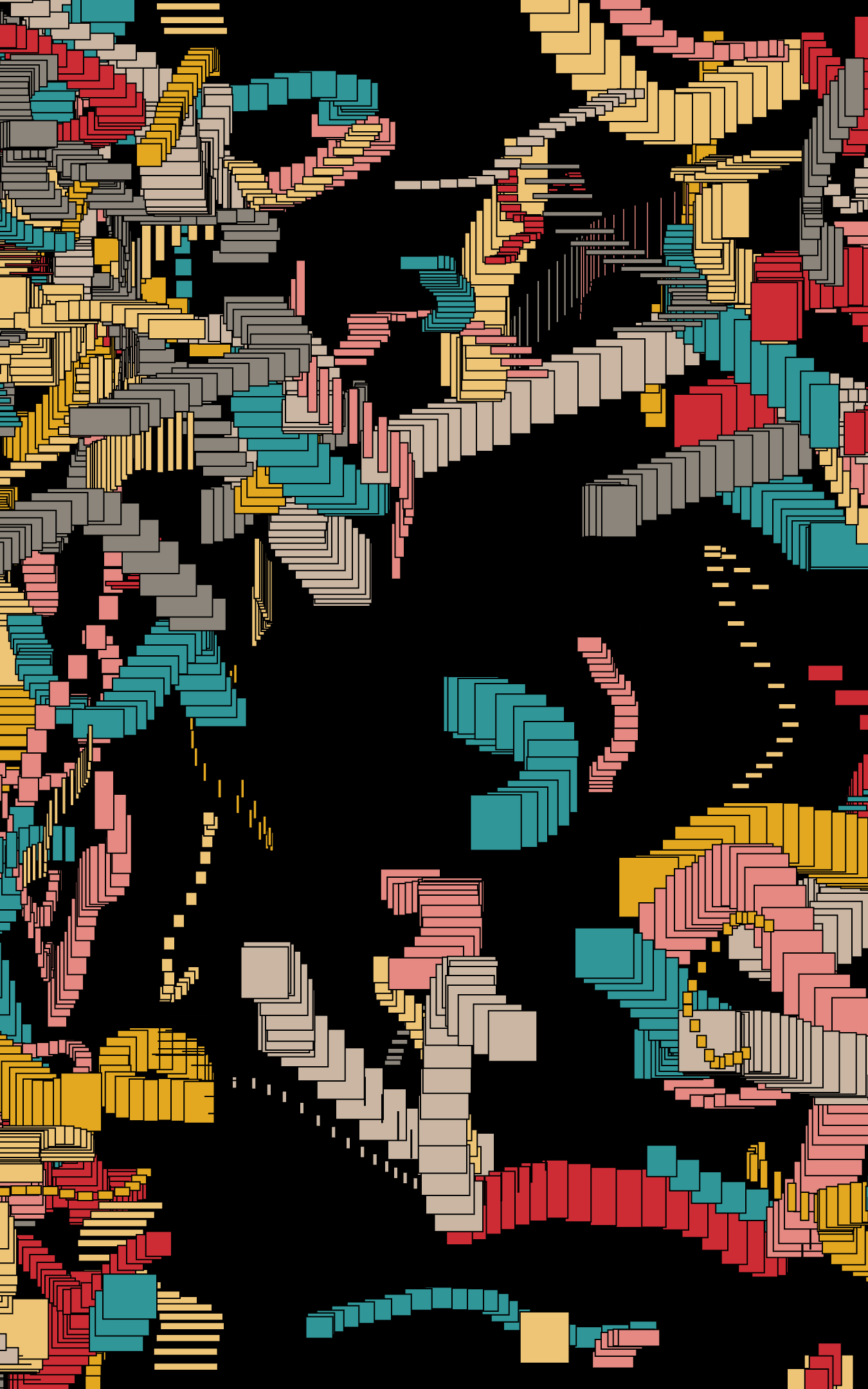
Confetti is a generative composition built from a swarm of random walkers, particles that move step by step in unpredictable directions, each trailing a ribbon of bright, saturated squares. Their motion is shaped by Perlin noise, a smooth, natural-feeling randomness often used to simulate organic phenomena, pairing fluid movement with crisp geometric form. With every refresh the field reorganizes itself, never repeating, never still: a celebration of color and structured chance.

BIO

Chris Barber is a generative artist working at the intersection of code and creativity. Using tools like p5.js and openFrameworks, he brings algorithms to life as dynamic, animated digital art. By combining technology, randomness, and a sharp visual sensibility, his work generates unique compositions with every refresh—known for its vibrant palettes, fluid motion, and mesmerizing patterns.

Che-Yu Wu – 240507: Reality Lens – Taiwan

240507: REALITY LENS

Che-Yu Wu


FILE SÃO PAULO 2026: Inter-creativity – Art and Technology – Randomic Dimension
Electronic Language International Festival


240507: Reality Lens – Taiwan

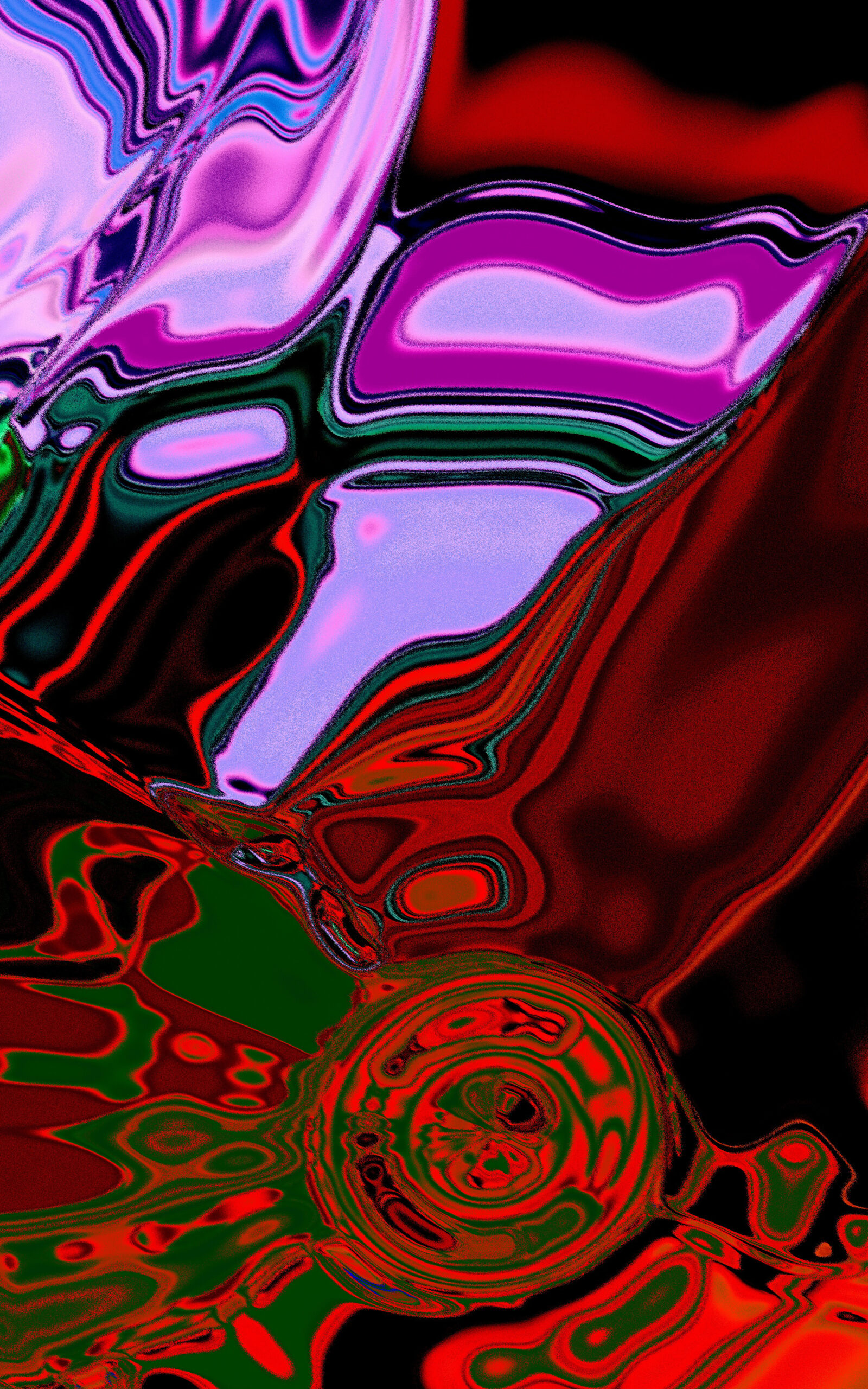
Real-time WebGL meditation where fifteen vortex points distort every pixel through layers of noise, angle, and time. The work makes algorithmic perception visible: there is no unmediated image—every color and edge arrives already refracted. Like liquid marble between order and chaos, it asks how mathematics becomes felt aesthetics, and whether any perception of “the real” is not itself a lens of computation.

BIO

Founder of MonoLab, dedicated to “casting eternal life and emotion in the digital world.” His practice is staked on creating “living artworks”—emergent digital entities that develop, respond, and persist through an improvisational loop between algorithm, audience, and author. By exploring “Digital Holobionts”—co-evolving systems of humans, AI, and code—Wu cultivates semantic lifeforms as a new category of contemporary art, bridging engineering with poetic philosophy.

Brandon Eversole – Strange Projectors #448 Dreaming – United States

STRANGE PROJECTORS #448 DREAMING

Brandon Eversole


FILE SÃO PAULO 2026: Inter-creativity – Art and Technology – Randomic Dimension
Electronic Language International Festival


Strange Projectors #448 Dreaming – United States

Video is treated as a physical material. Frames are stacked and remapped into volumetric space, allowing time to be cut into and reshaped. Dreaming introduces a fluid, current-like motion in which forms move through a stream of images. Recorded footage is transformed into spatial structures that exist between moments.

BIO

Brandon Eversole is a visual artist based in San Francisco, working with moving images, treating time as something that can be shaped. He stacks frames, remaps footage into volumetric space, and cuts through time to shape moving images as form. His work has been exhibited on the Salesforce Tower in San Francisco and presented internationally through exhibitions and collaborative projects.

Yves Peitzner – BIOVOLT – Germany

BIOVOLT

Yves Peitzner


FILE SÃO PAULO 2026: Inter-creativity – Art and Technology – Installations
Electronic Language International Festival


BIOVOLT – Germany

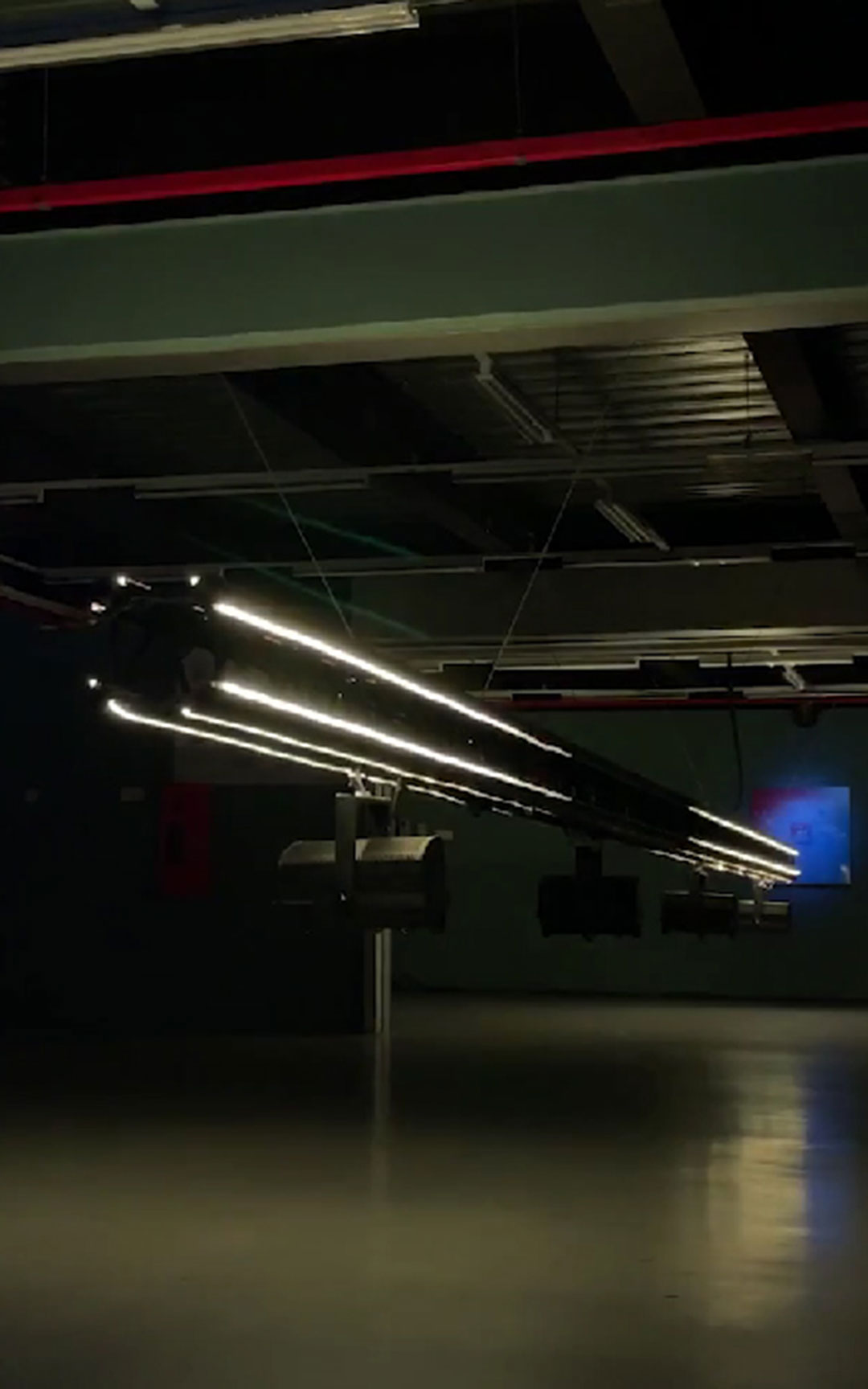
BIOVOLT is an interactive light installation that explores the relationship between human interaction, technology, and electricity. The 15-meter structure, composed of LED strips, responds to touch and movement, symbolizing the connection between human energy and electrical power. Participants influence the installation through motion sensors, highlighting the synergy between human intention and technology.

BIO

Munich-based artist, creative director, and educator. His practice explores how data, human interaction, and environmental conditions take spatial form in responsive installations and sculptural environments. He works across exhibitions and spatial experiences, often collaborating with studios, brands, and cultural institutions. Using light, sound, moving image, and computational media, he creates works that explore how we perceive and experience the world.

Parse/error – FEATHERS – France

FEATHERS

Parse/error


FILE SÃO PAULO 2026: Inter-creativity – Art and Technology – Installations
Electronic Language International Festival


FEATHERS – France

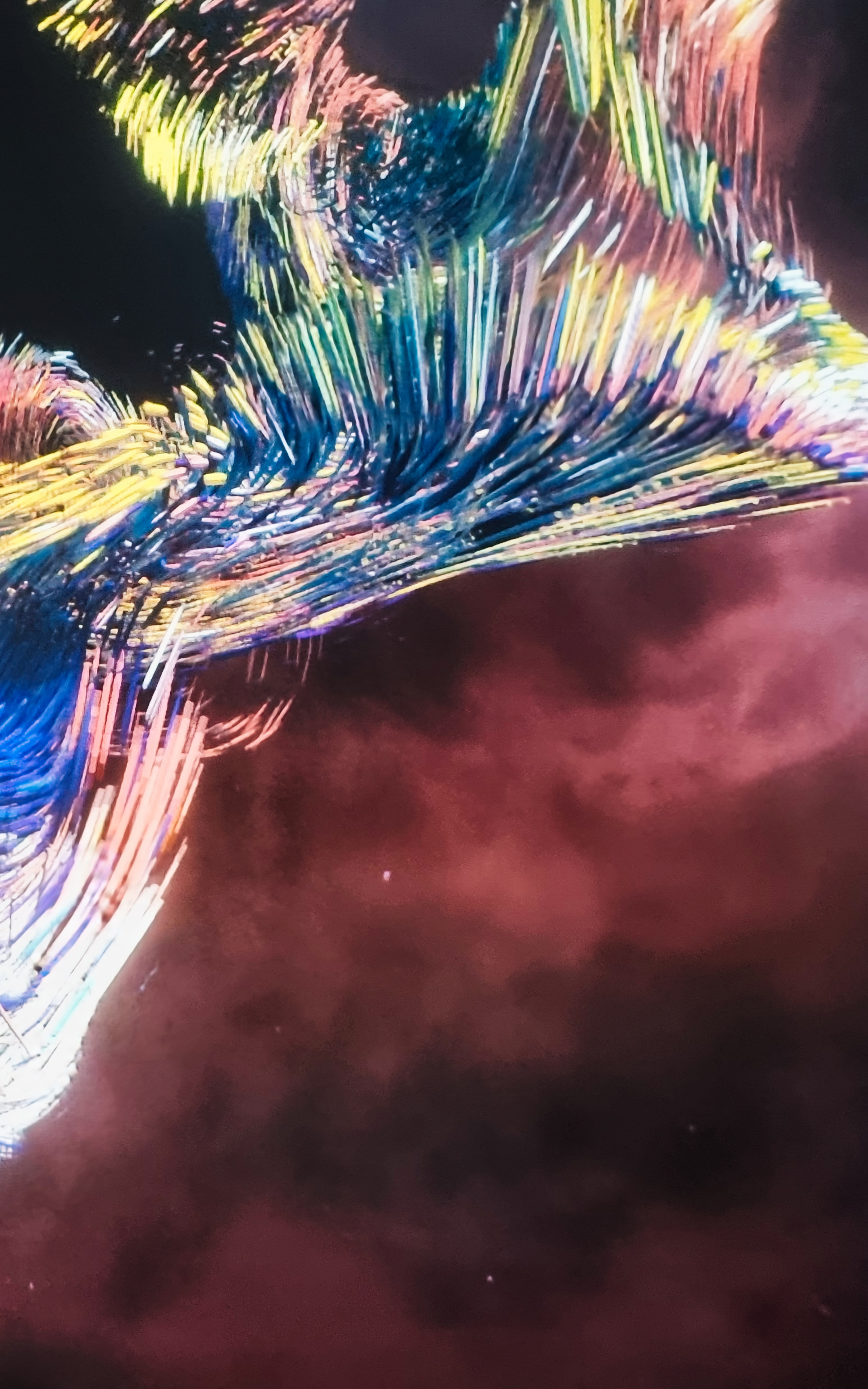
FEATHERS is a delicate encounter between human and digital, entering into dialogue with the viewer by reacting to their hand movements, modulating shape, rhythm, and colors. A gentle and immersive sensory pause, inspired by organic movements of nature, like schools of fish, bringing to life thousands of simple shapes evolving in symbiosis. It questions the place of the individual within a collective whole, how trajectories intersect, leave a trace, and influence one another.

BIO
Parse/Error (Fabien Bouchard) explores the boundary between art, design, and technology, recreating emotions from omnipresent data flows. With a background in biology and information technology, he works at the interface between technology and human sensitivity, questioning our relationship with the digital world through immersive installations, generative art, light sculptures, and real-time data.

Frederik Duerinck – Algorithmic Perfumery by EveryHuman – Netherlands

ALGORITHMIC PERFUMERY BY EVERYHUMAN

Frederik Duerinck


FILE SÃO PAULO 2026: Inter-creativity – Art and Technology – Installations
Electronic Language International Festival


Algorithmic Perfumery by EveryHuman – Netherlands

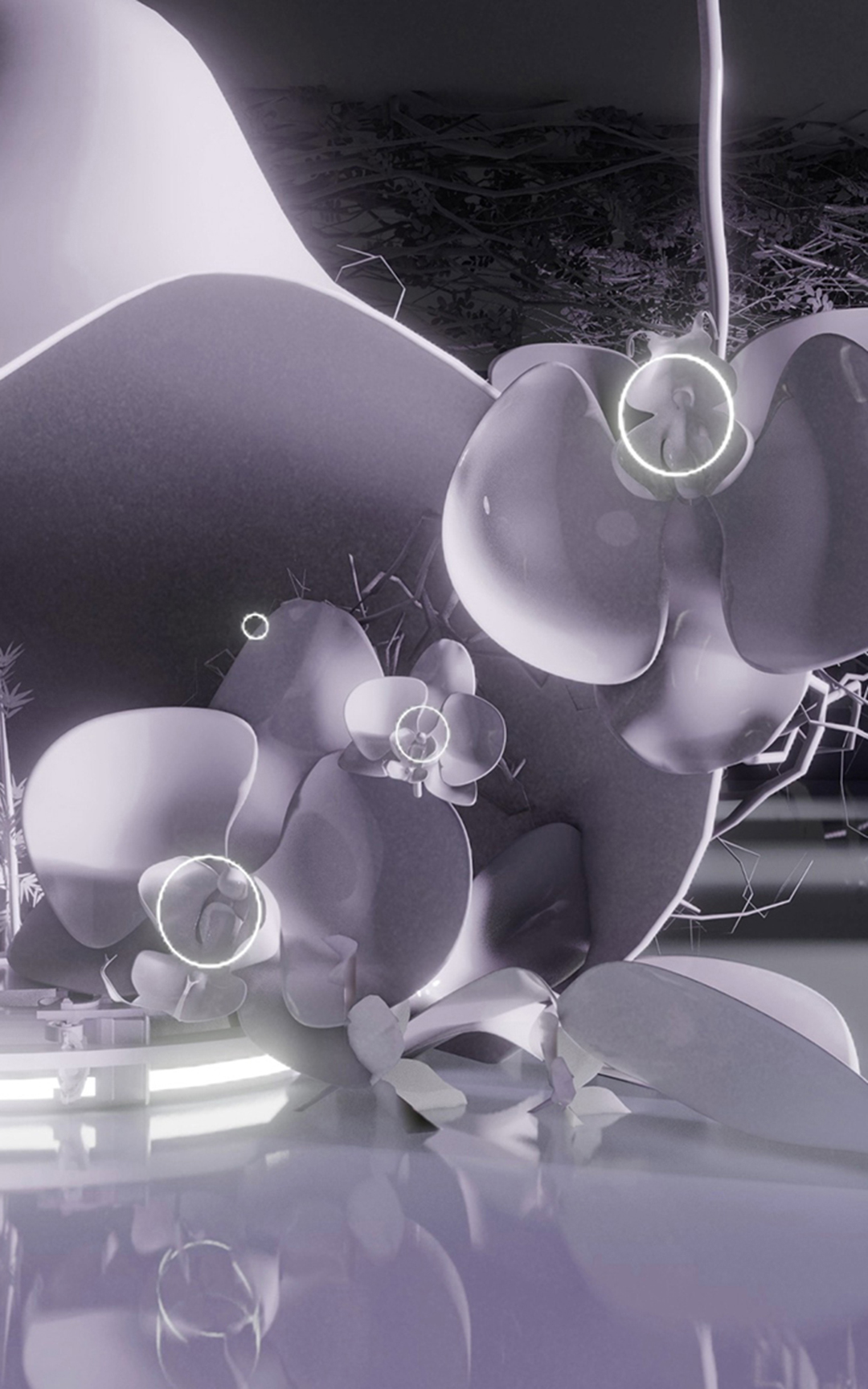
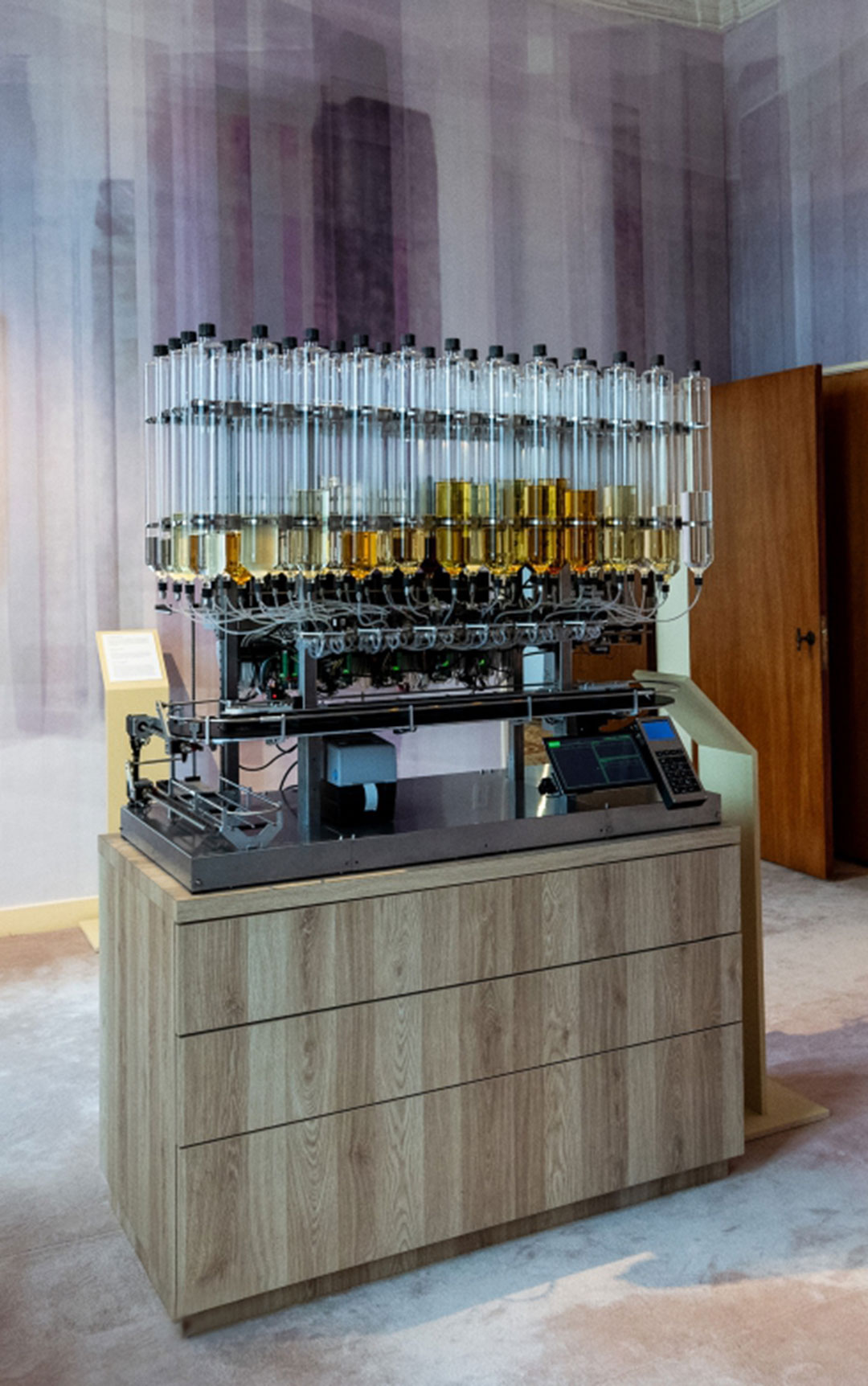
Algorithmic Perfumery began with a simple question: what if every human could create their own scent? Designed as an object of curiosity, the installation invites people into a dialogue with themselves. Through interaction with an AI, visitors explore memory, imagination, preference and identity, creating a unique fragrance along the way. Scent is one of our most profound senses. It shapes emotion, evokes memory, and influences us long before we become conscious of it. By combining technology and perfumery, Algorithmic Perfumery creates a space for curiosity, reflection, and self-discovery.

BIO
Amir Admoni and Fabito Rychter have collaborated for over 10 years, creating films, TV shows, and theatrical works marked by a distinctive visual style and singular storytelling. The duo has gained international recognition, earning 71 awards and presenting their work at more than 120 festivals. Gravity VR is their first joint venture into virtual reality, followed in 2021 by Lavrynthos, their second VR project.

EMMANUELLE MOUREAUX

ايمانويل مورو
toki

“toki” (which means “time” in Japanese) project investigates the universal element of time, expressed through the work composed of an array of sticks presented in various hues.
Each stick moves in circular motion through the implementation of magnets, which is an abstract representation of time.

DEV HARLAN

Parmenides I


The work continues to build on a visual language rooted in ideal geometries, and a prismatic interplay of light and pattern. The cascading faceted surface carries an implied motion, rolling away from the spectator with meditative ease. This energy potential is given breath by luminescent washes which crash, ebb and flow with internal symmetry.

While best understood directly and perceptually, Dev’s work presents an infinitely reproducible formal structure and lucid logic that can be known universally without empirical knowledge. Light and projection become representative of perceptual knowledge by directly invoking temporal optical phenomenon, but a pure idealized form remains intact. It is this interplay that reproduces the sublime conflict in the viewer, who must choose to ride this crest uncertainly and find exhilaration in the balance.

CHARLES SOWERS

Illuminated Fog
Device for viewing the complex motions and patterns in fog.

A mesmerizing and gently turbulent movement of fog is revealed in stark visual contrast to a plain black background. The structure and motion of the fog make visible the complex interactions of ambient air currents and viewer movement.

EVAN ROTH

GRAFFITI ANALYSIS
SCULPTURES


Graffiti Analysis is an extensive ongoing study into the motion of graffiti. Custom software designed for graffiti writers creates visualizations of the often unseen motion involved in the creation of a tag. Motion data is recorded, analyzed and archived in a free and open database, 000000book.com, where writers can share analytical representations of their hand styles. Influential graffiti artist such as SEEN, TWIST, AMAZE, KETONE, JONONE, and KATSU have had their tags motion captured using the Graffiti Analysis software. All tags created in Graffiti Analysis are saved as Graffiti Markup Language (GML) files, a new digital standard used by other popular graffiti applications such as Laser Tag and EyeWriter. Graffiti Analysis 3.0 is an open source project that is available online for free in OSX, Windows and Linux. Graffiti writers are invited to capture and share their own tags, and computer programmers are invited to create new applications and visualizations of the resulting data. What Martha Cooper did for archiving graffiti on film, and Chalfant/Silver did for archiving graffiti in video, Graffiti Analysis intends to do for archiving graffiti in code. The project aims to build the worlds largest archive of graffiti motion, and bring together two seemingly disparate communities that share an interest hacking systems, whether found in code or in the city.

KOLLISION

Spine


Spine is an interactive installation based on twenty glowing cubes and an atmospheric sound composition. Each cube is moved precisely in fluid motions by two computer-controlled motors. The movements of the cubes as well as the sound composition react to nearby visitors by working together as one coherent expression in dialogue with the surroundings – a fifty meter long spine floating in space continually displaying new movements, light scenes and sounds. Spine is moody: sometimes shy and avoidant at other times more curious and almost aggressive.

BERNIE LUBELL

Conservation of Intimacy

Made of pine, latex, music wire, copper, nylon line, paper, pens and video surveillance. It measured 20′ x 35′ x 26′ at Southern Exposdure.
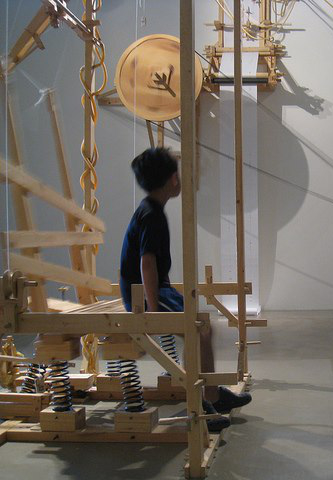
A couple rocking on the bench sends air pulses to another room causing balls to move and pens to transcribe their motions onto paper. The paper is moved by a third person on a stationary bike. The couple on the bench can watch the balls on a video monitor before them where the balls appear to bounce into the air. The motion is delayed and languid as though under water. Action is best when the couple is moving slowly together. As visitors work together to animate the mechanisms, they create a theatre for themselves and each other. By encouraging participation, and touch the pieces coax visitors to engage their bodies as well as their minds. The way that pieces move and feel and sound as you rock them, pedal, crank and press against them applies the kinesthetic comprehension’s of childhood to the tasks of philosophy. Bernie Lubell’s interactive installations have evolved from his studies in both psychology and engineering. As participants play with his whimsical wood machines, they become actors in a theater of their own imagining.

JURG LEHNI

moving picture show


The current migration from analogue to digital film projection in cinemas across the globe is slowly rendering the medium of 35mm motion picture film obsolete, along with the technical equipment used to produce and screen such films.

In Moving Picture Show, a scenario of animated drawing and text production is created by reappropriating a process normally used by the film industry to etch subtitles into the emulsion layer of 35mm film using a high-powered precision laser. By etching away the emulsion, only the clear base of the film remains. Projected onto the screen, the lines appear bright and clear.

Changing the working range of the laser and replacing the software interface for such a machine leads to new possibilities: animations and full-frame drawings can be realised on top of film. The film can either consist of existing material, film created purely for this purpose, or black, non-developed film.

During the 23rd International Poster and Graphic Design Festival in Chaumont, the Jesuit chapel was transformed into a workshop, a scenario of conception, production and projection of a series of short films produced in this way.

Several contributing designers have been invited to engage with the production facility and collaborate on the contents of the show, producing films that were projected repeatedly during the festival. Meanwhile the laser machine, also present in the chapel, is slowly producing new films for future screenings.

KAZUHIRO KOJIMA LABORATORY

MOOM TENSEGRITIC MEMBRANCE STRUCTURE


This pavilion was created with a grant from the Nommura Foundation for the Promotion of Membrane Structure Technology in search of new possibilities for membrane structures. The tent membrane is Taiyo Kogyo’s Shadeasur. The membrane acts as a tensile material, creating unevenness, so that the aluminum pipes, which are compressive materials, do not touch each other and form a tensegrity structure.

THILO FRANK

Тило Франк
the phonenix is closer than it appears


Thilo Frank (* 1978) lives and works in Berlin. His installations, sculptures and photo series lead the viewer into situations creating interactive physical dialogues. Physical phenomena and environments of our daily life are interpreted in a new context emphasizing our perception of light, space and motion in a poetic and playful way.

His works ask of a visitor to question one‘s relation to action in space and the consequences of one‘s action – an intimate experience.

The viewer functions as a coproducer of the work, perceiving his or her relational aspect as a instrument of measurement. The cognitive aspect in its work is enacted by the viewer, who through his physical reaction to the work, reflects himself to it. Through his physical interaction – the viewer completes the work.

Through the use of everyday technologies Thilo Frank explores the conventions of sight and movement and their visualization. Examination produces a type of measuring standard through which even seemingly random events are viewed equally. Through his works, an attempt is made to illustrate the optical coefficient and with this to analyse the space.

SHANSHAN ZHOU, ADAM BEN-DROR AND JOSS DOGGETT

Pinokio Lamp


Pinokio is an exploration into the expressive and behavioural potentials of robotic computing. Customized computer code and electronic circuit design imbues Pinokio with the ability to be aware of its environment, especially people, and to expresses a dynamic range of behaviour. As it negotiates its world, we the human audience can see that Lamp shares many traits possessed by animals, generating a range of emotional sympathies. In the end we may ask: Is Pinokio only a lamp? – a useful machine? Perhaps we should put the book aside and meet a new friend.

FILE SÃO PAULO 2025: SYNTHETIKA – WOW Studio by D2D

UnBoxing the Infinite

WOW Studio by D2D

FILE SÃO PAULO 2025: SYNTHETIKA – Art and Technology – LED SHOW
Electronic Language International Festival


UnBoxing the Infinite – Egypt

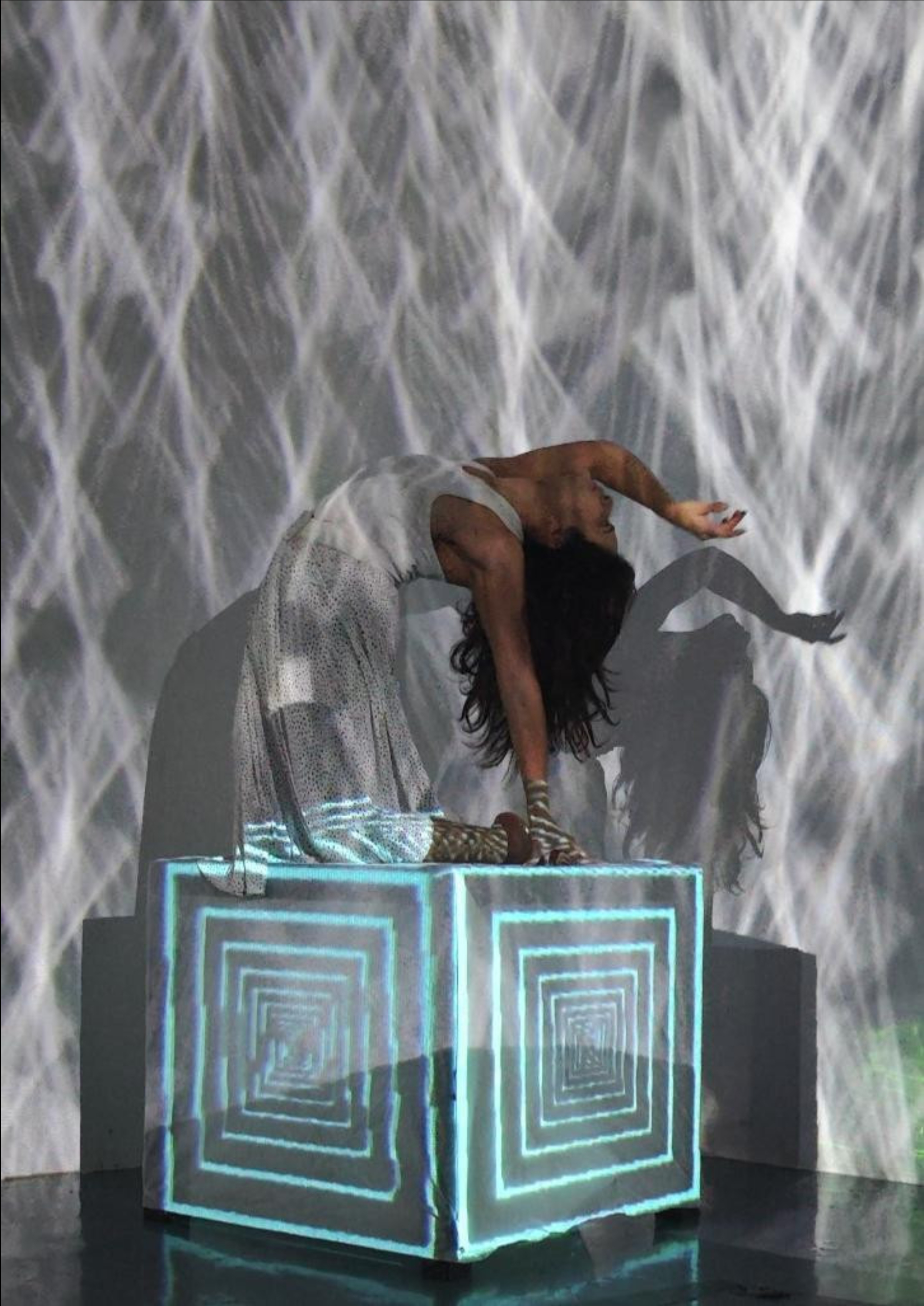
The work explores the intersection between reality and hyperreality. As a dancer traverses confined spaces, discovers portals, and creates magical worlds with the audience. Using dynamic motion tracking and live visuals, the performance inspires transformation, creativity, and self-liberation, breaking down boundaries of perception.

BIO

Elena Kauffmann is the founder and creative director of WOW Studio (Egypt), focused on media arts, XR, and AI. She created WOW Zone, an experimental space powered by immersive technologies, and is a co-founder of VR developer UBR. She works as a creative producer, immersive experience designer, and art director. Carolina Assis is a Colombian contemporary dancer based in Egypt. Amr Ali is one of WOW Studio’s lead tech artists.

FILE SÃO PAULO 2025: SYNTHETIKA – Yvette Granata

Exo Gestus #2

Yvette Granata

FILE SÃO PAULO 2025: SYNTHETIKA – Arte e Tecnologia
Festival Internacional de Linguagem Eletrônica


Exo Gestus #2 – Estados Unidos

Exo Gestus #2 é uma animação experimental que investiga a forma como sensores de captura de movimento (motion capture) rastreiam incorretamente o corpo da artista. A obra constrói um mundo virtual a partir da amalgamação dos glitches gerados durante o rastreamento de seus movimentos com um traje de MOCAP que é grande demais para seu corpo. O traje foi projetado para corpos maiores, e nem mesmo o menor tamanho disponível pela empresa se ajusta a ela — como resultado, o tamanho de seu corpo provoca distorções nos dados capturados pelo sistema.

BIO

Iván Abreu é um artista mexicano-cubano que cruza ciência, design e tecnologia para questionar a interação humana e os sistemas sociais. Vencedor do Lumen Prize, expôs no ZKM, Ars Electronica e MAB. Malitzin Cortés (CNDSD) é artista mexicana que explora som, tecnologia e arquitetura especulativa, combinando codificação ao vivo, audiovisual e crítica narrativa.

FILE SÃO PAULO 2025: SYNTHETIKA – Pan

Towards a New Nature

Pan

FILE SÃO PAULO 2025: SYNTHETIKA – Art and Technology – CGI VIDEOS
Electronic Language International Festival


Towards a New Nature – China

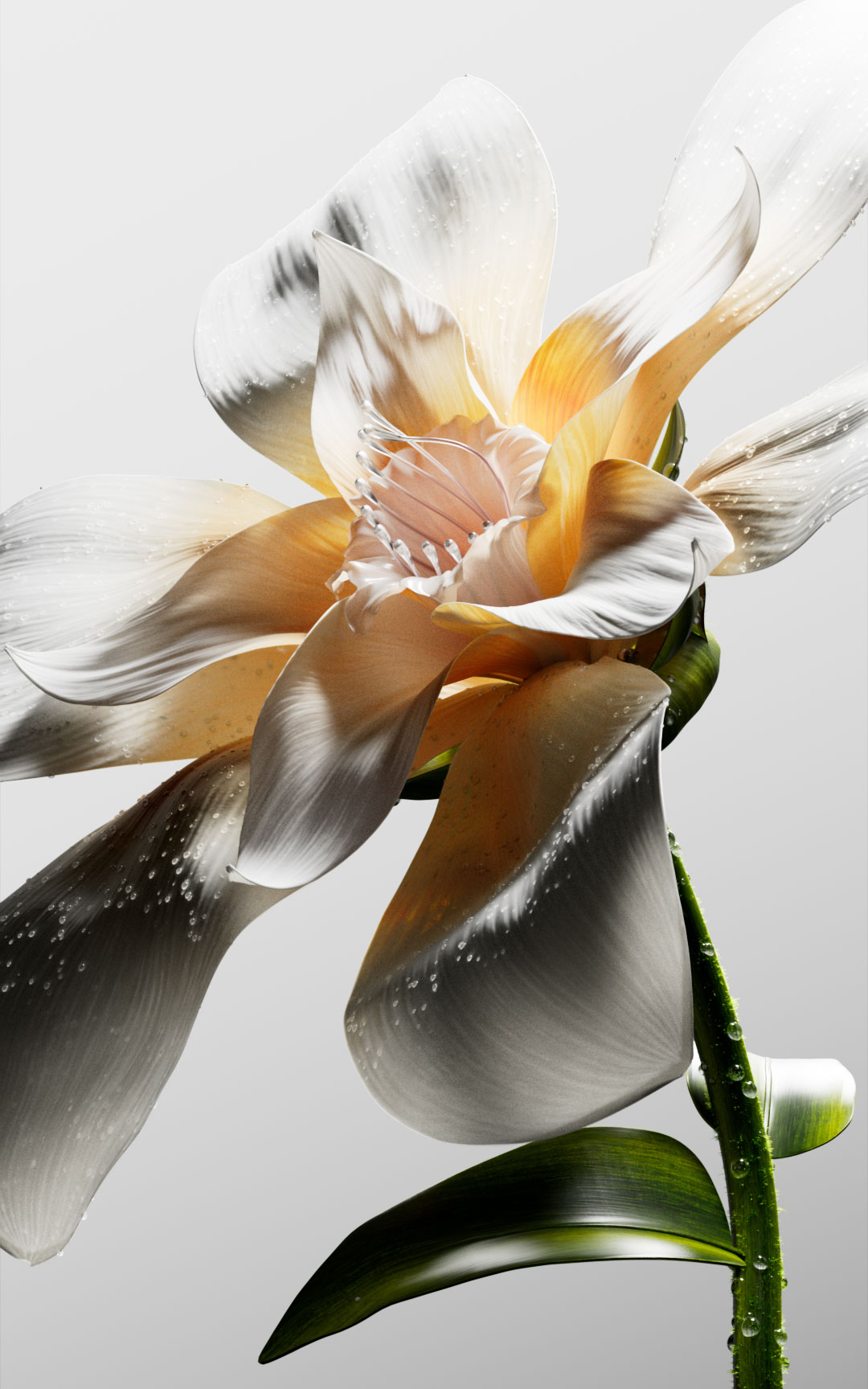
Residents of the Metaverse might have hairstyles where the boundary between the person and the hair blurs, making the hair almost like an “organ.” These hairstyles could “grow” branches or flowers, have a dynamic motion similar to plants swaying in the wind, and feature geometric shapes, colors, and effects that surpass the physical world’s limitations.

BIO

Pan Qianqian is currently studying Digital Media and Mixed Reality at the China Academy of Art. She is good at 3D design and production, and new media art. She is involved in 3D imaging, interactive installations, virtual clothing and other fields. Her works have been exhibited at the First Digital Art Exhibition and Tianwen 2023: Mutual Learning among Civilizations.

FILE SÃO PAULO 2025: SYNTHETIKA – Michael Betancourt

Garden

Michael Betancourt

FILE SÃO PAULO 2025: SYNTHETIKA – Art and Technology – CGI VIDEOS
Electronic Language International Festival


Garden – United States

Garden is a generative glitches animation created by deliberately conflicting AI (LoRA) models. Using multiple LoRA models to generate images that evoke flowers in a garden, the work transforms traditional representations of plant life into a fluid and hallucinatory exploration of growth, decay, and metamorphosis. These transformations suggest alternative ways of understanding organic growth, where the boundaries between individual organisms become fluid and permeable.

BIO

Michael Betancourt is a contemporary Cuban-American critical theorist, filmmaker, and artist-researcher known for his pioneering work in the fields of Digital Capitalism, Motion Graphics , and Glitch Art . Since 1990, he has explored the intersection of technology, culture, and aesthetics in a diverse practice unified by a constant concern with the poetic potential of images generated by errors.

FILE SÃO PAULO 2025: SYNTHETIKA – Cornelis Clement

AI Created a Sci-Fi World You Won’t Believe!

Cornelis Clement

FILE SÃO PAULO 2025: SYNTHETIKA – Art and Technology – Shorts Films AI
Electronic Language International Festival

AI Created a Sci-Fi World You Won’t Believe! – Germany

AI Created a Sci-Fi World You Won’t Believe! is a science fiction universe generated by artificial intelligence. Custom-created images for this world were brought to life with motion and an original soundtrack, resulting in an immersive experience. The work invites the audi ence to explore breathtaking alien landscapes, futuristic cities, and cosmic phenomena reminiscent of Dune and No Man’s Sky. This AI-generated video transports viewers into a realm of visual marvels and hypnotic atmospheres.

BIO

Cornelis is a Berlin-based artist specializing in AI-generated art. He views technology as the dawn of a new era in artistic creation and seeks to be an active part of this movement. His work aims to push creative boundaries, offering audiences new ways to experience imagined worlds.

FILE SÃO PAULO 2025: SYNTHETIKA – ChrisLee

Robot Journey: Part 1, 2 & 3

ChrisLee

FILE SÃO PAULO 2025: SYNTHETIKA – Art and Technology – Cine SYN
Electronic Language International Festival


Robot Journey: Part 1, 2 & 3 – China

In a future where Earth’s environment has become uninhabitable, a lone robot sets out in search of a new home for humanity. After decades of travel, it discovers a planet strikingly similar to Earth — but it’s not alone. In The Last Explorer, the robot encounters mysterious presences and begins to develop emotions while exploring the unfamiliar world. Confronted with challenges, it must make choices that reflect its growing sense of awareness.

BIO

Chris Lee is a visual artist and independent creator from China. Trained in industrial design, he worked as a visual designer before turning to independent filmmaking. A lifelong passion for drawing now drives his ambition to develop an original series that blends animation with live action, showing that small teams and independent creators can produce powerful, high-quality stories.

Música: Karol Skowronek