highlike

Franziska Ostermann – Teenage Machines (wire me softly) – Germany

TEENAGE MACHINES (WIRE ME SOFTLY)

Franziska Ostermann


FILE SÃO PAULO 2026: Inter-creativity – Art and Technology – VIDEO ART SHORT
Electronic Language International Festival


Teenage Machines (wire me softly) – Germany

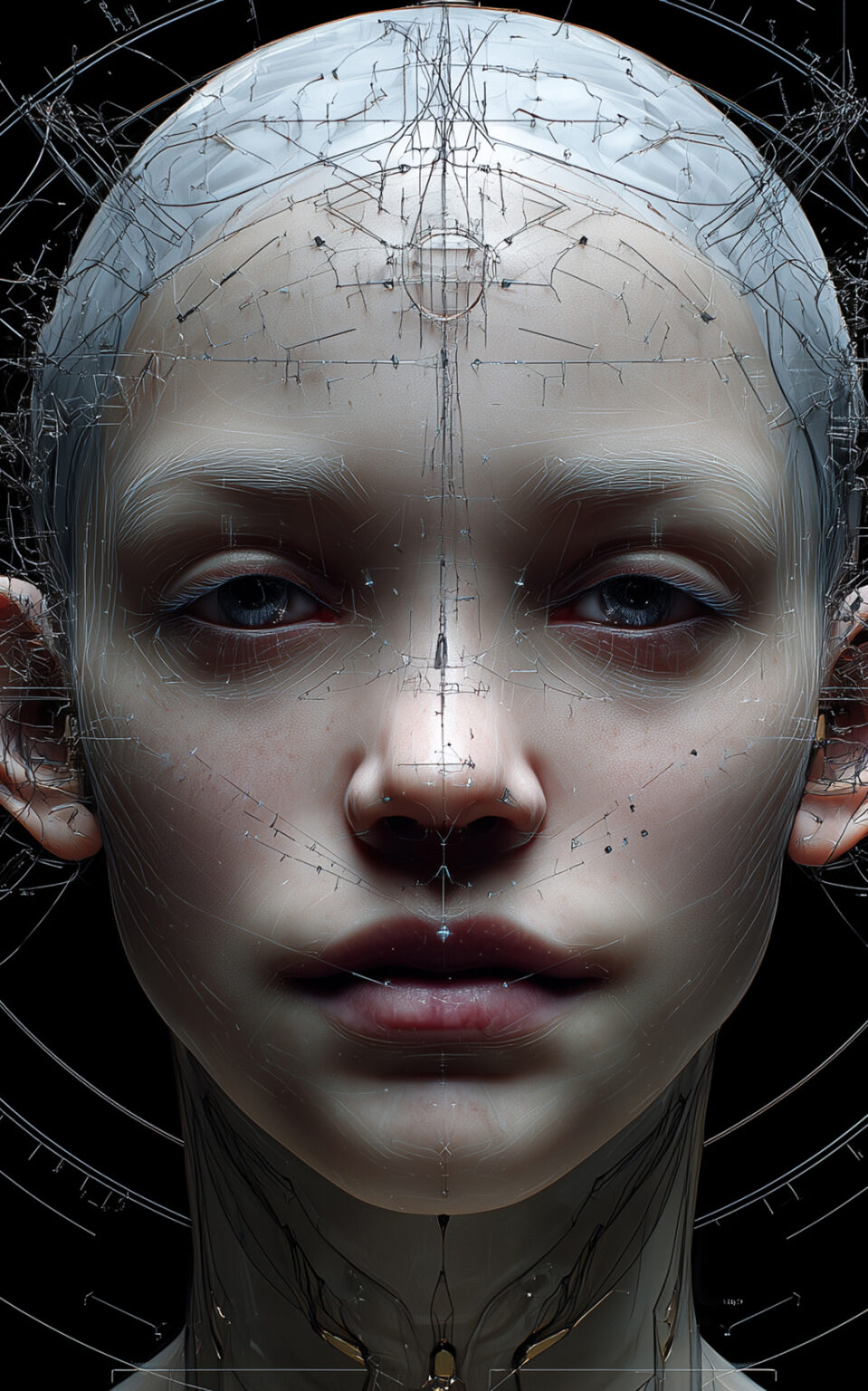
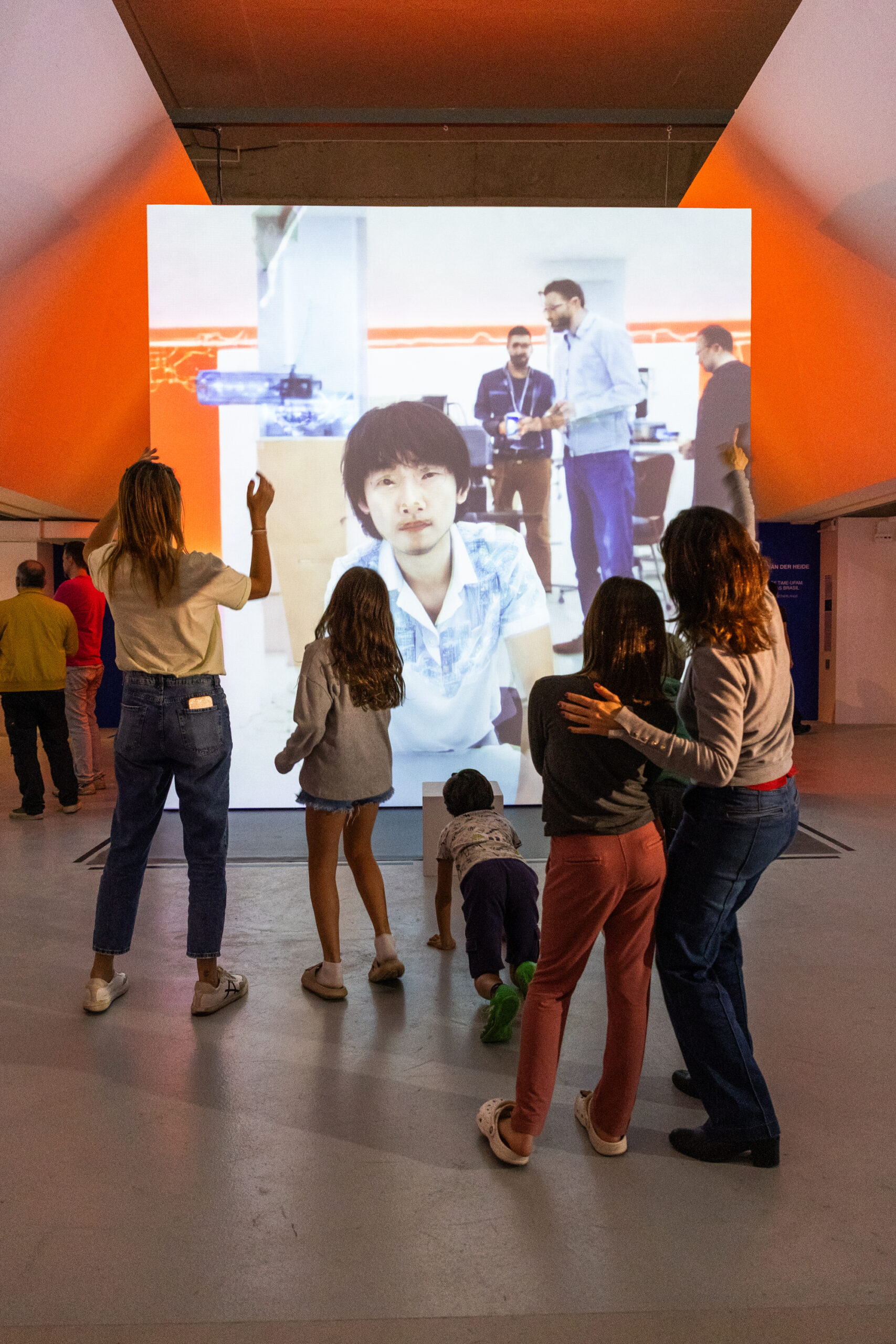
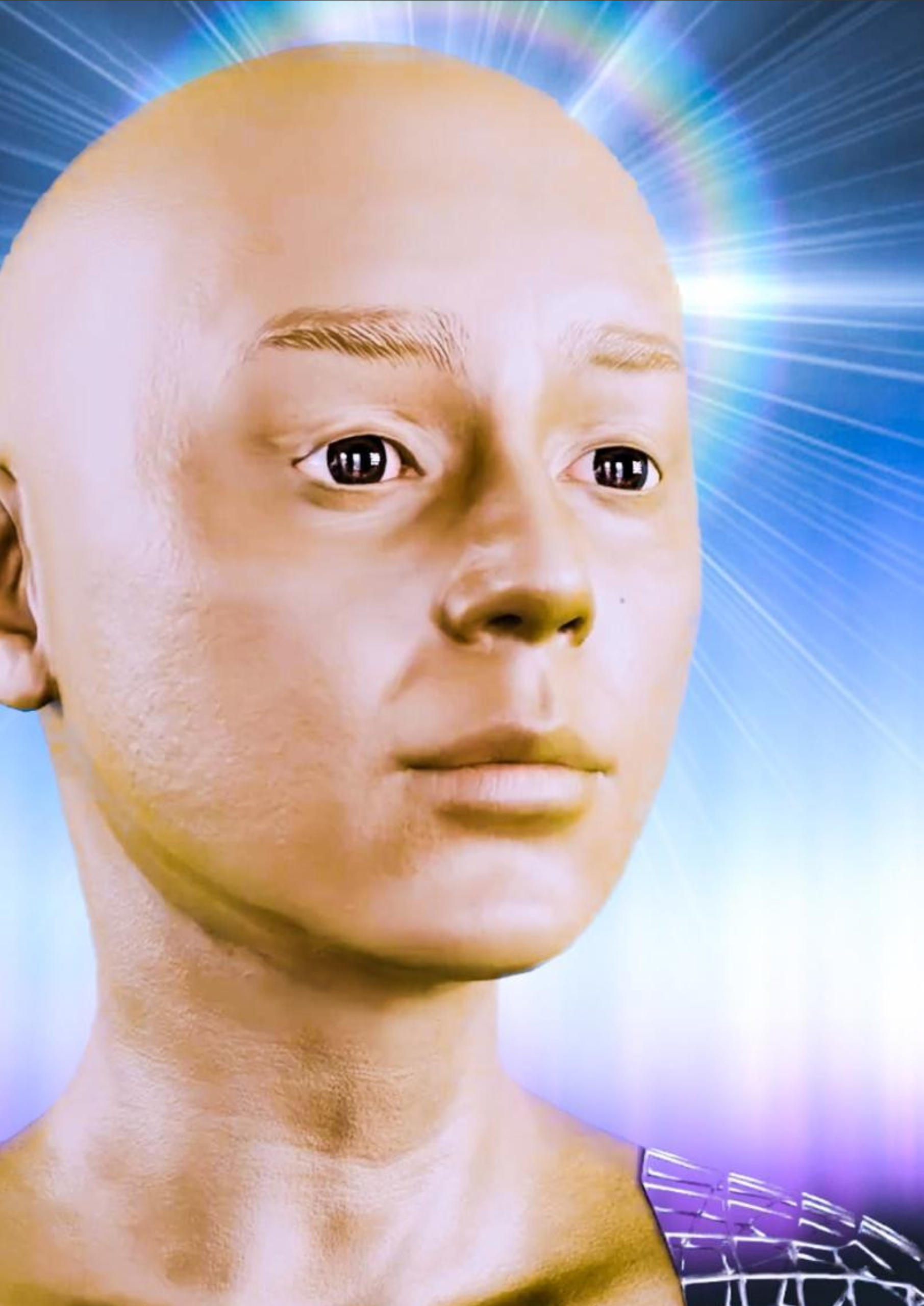
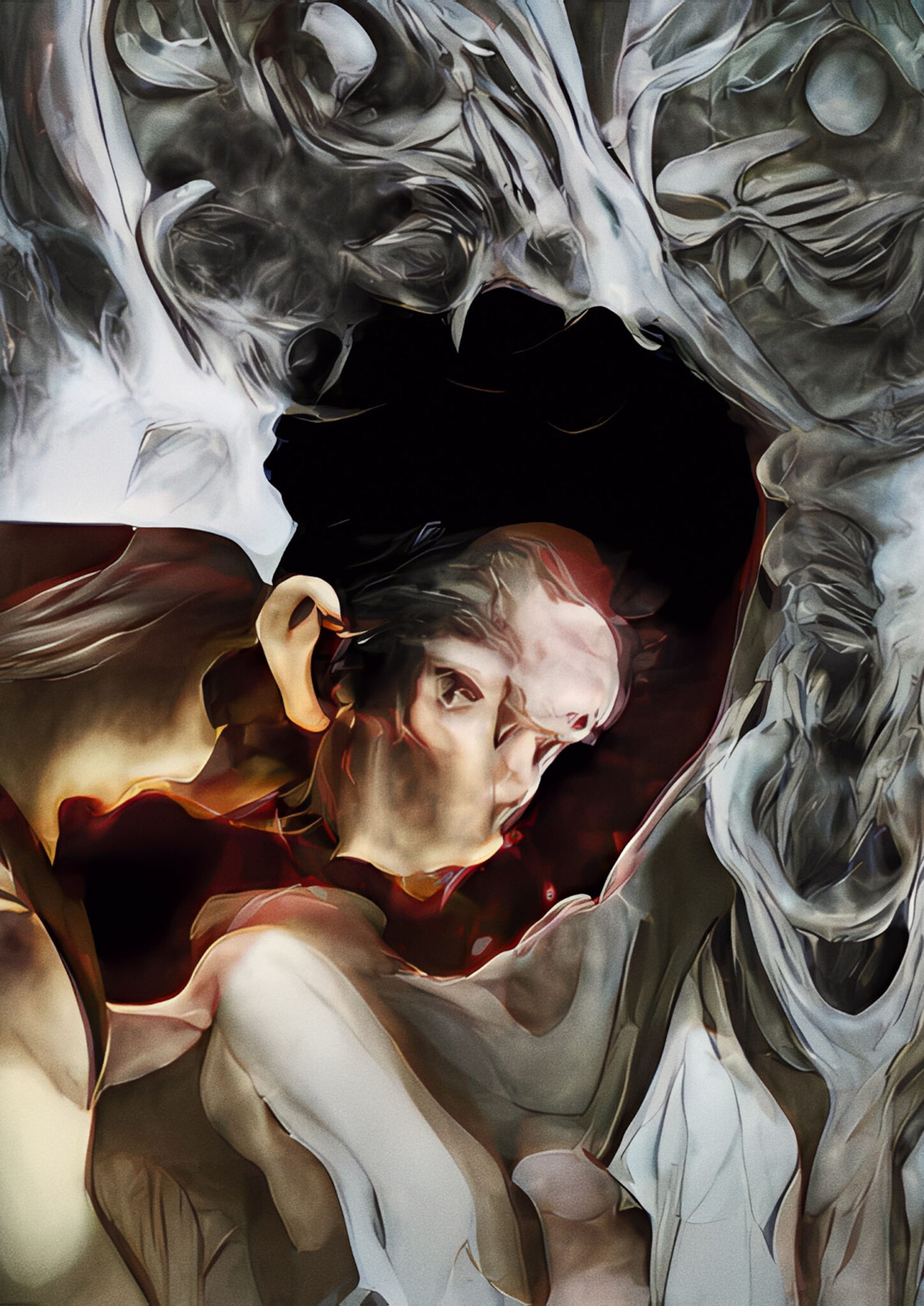
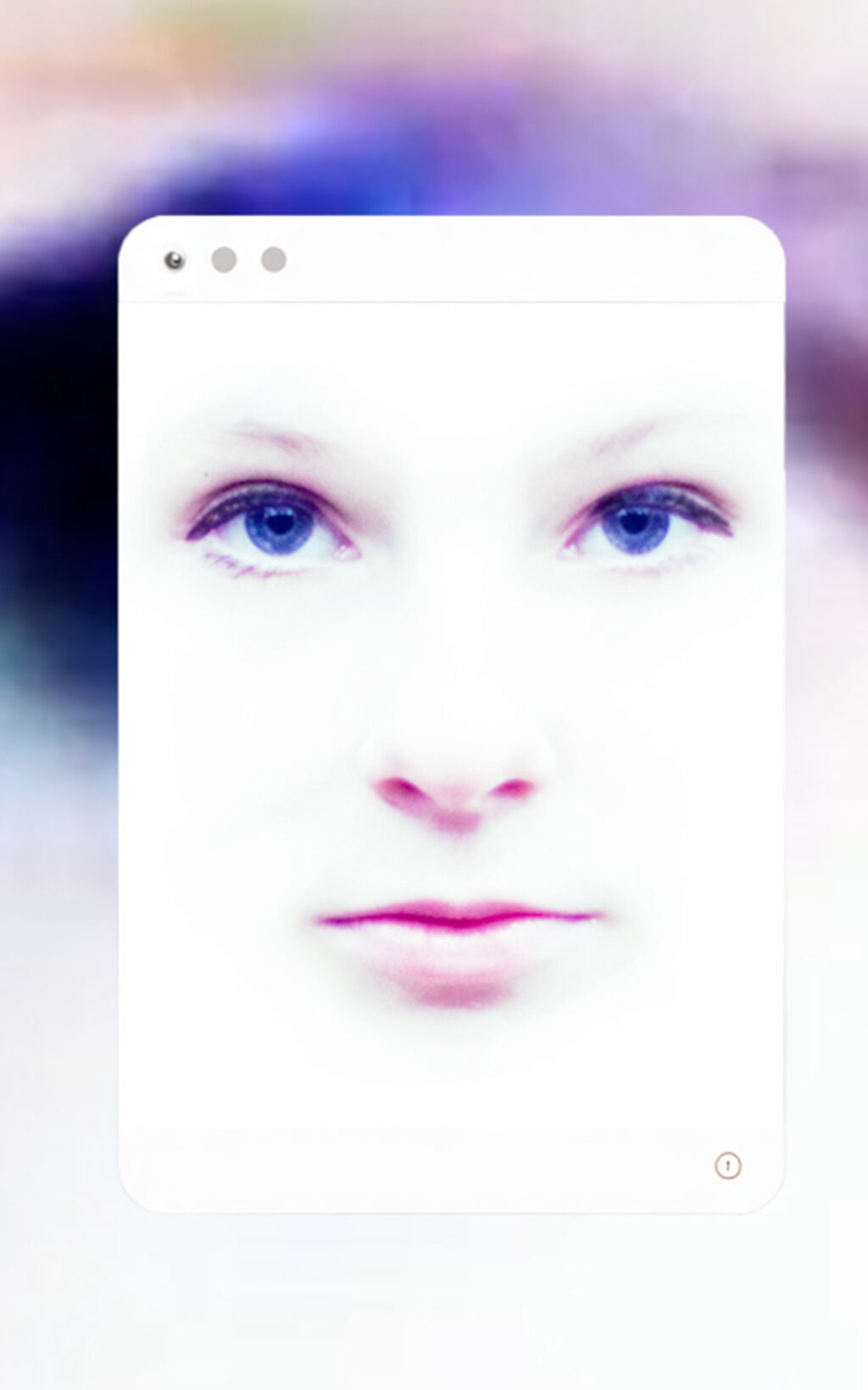
Teenage Machines (wire me softly) is a video work that explores adolescence as a shared developmental process between humans and machines, situated at the intersection of computer art, poetics, and their histories.

Franziska Ostermann developed the work from notes she took during the Generative Art Summit 2024 in Berlin. She wrote a poem from these notes and transformed it into a multimedia piece.

BIO

Franziska Ostermann is a German multimedia artist focusing on digital images, AI, poetry and performance. In her work, she explores virtuality, the internet and matters of female identity. Her work has been shown internationally, including New York City, Paris and Berlin. Most recently she exhibited with HEK Basel and Synthesis Gallery, NRW Forum Düsseldorf and The Second-Guess.
NOPER & SAINT MACHINE

FEED ME
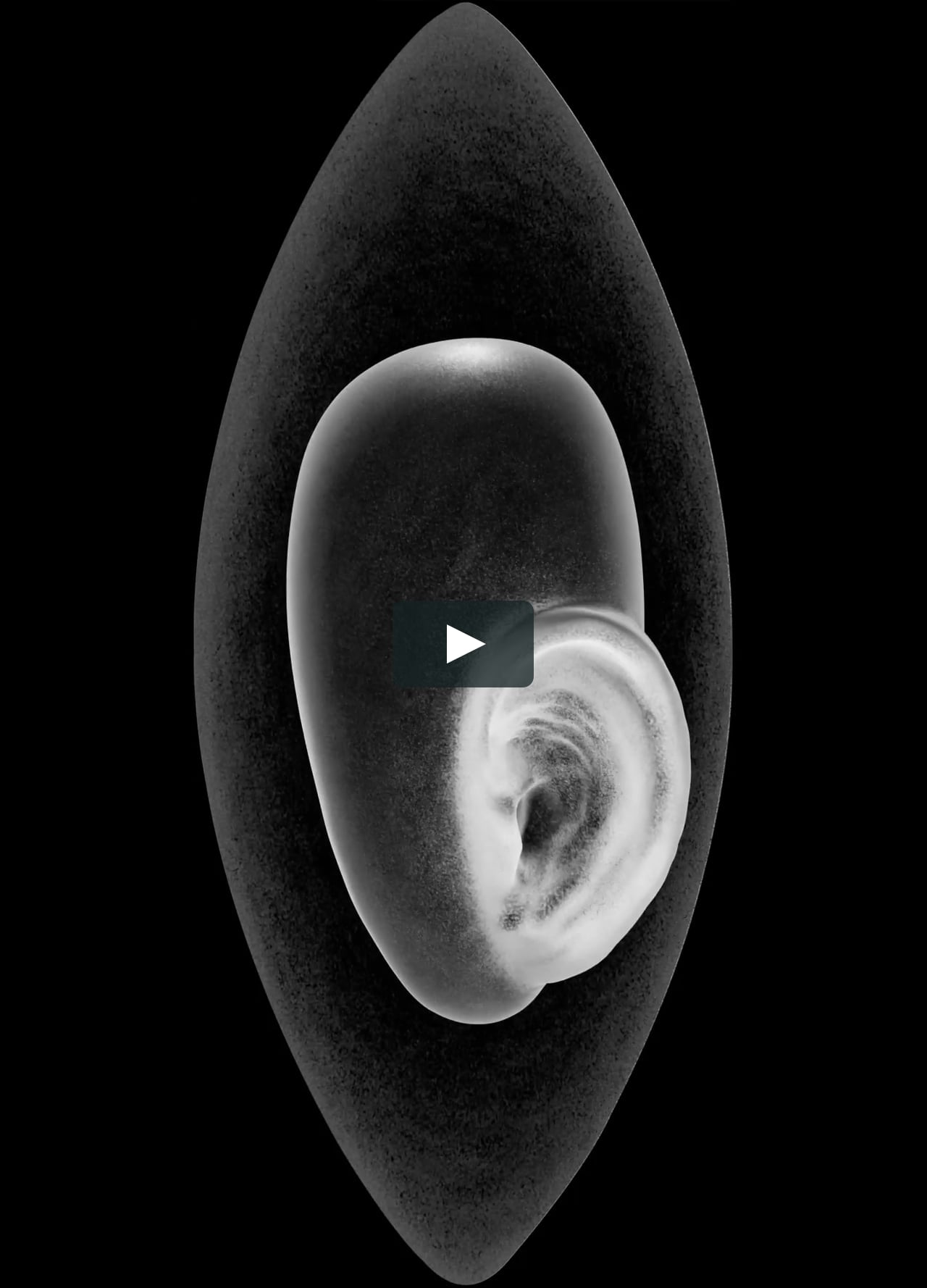
FEED ME is a ludic experiment that explores the relation between the artwork and its public. With a self-ironical approach, the project is calling the subjects of monstrous and perpetually insatiable Tra to her feeding ritual: the entire exhibition is a live organism that feeds on the energy produced by the movements of the public. It is an interactive multimedia capsule that carries a dynamic platform where everything moves, pulses and reacts to motion on a common rhythm. The exhibition space is structured in narrowing concentric circles, creating several worlds that include each other and cocoon around a magical protection space, thus the public is activated on several levels.
CONTRAPTION PAINTING MACHINE

françois xavier saint-georges
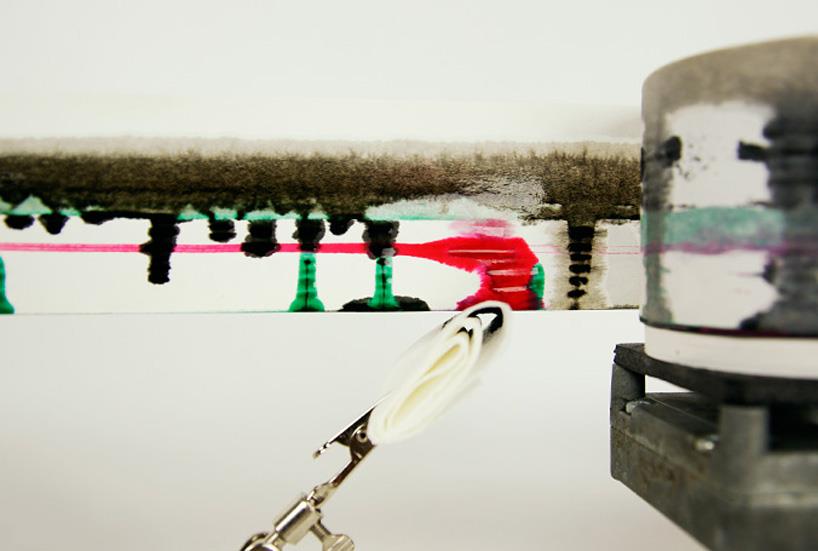
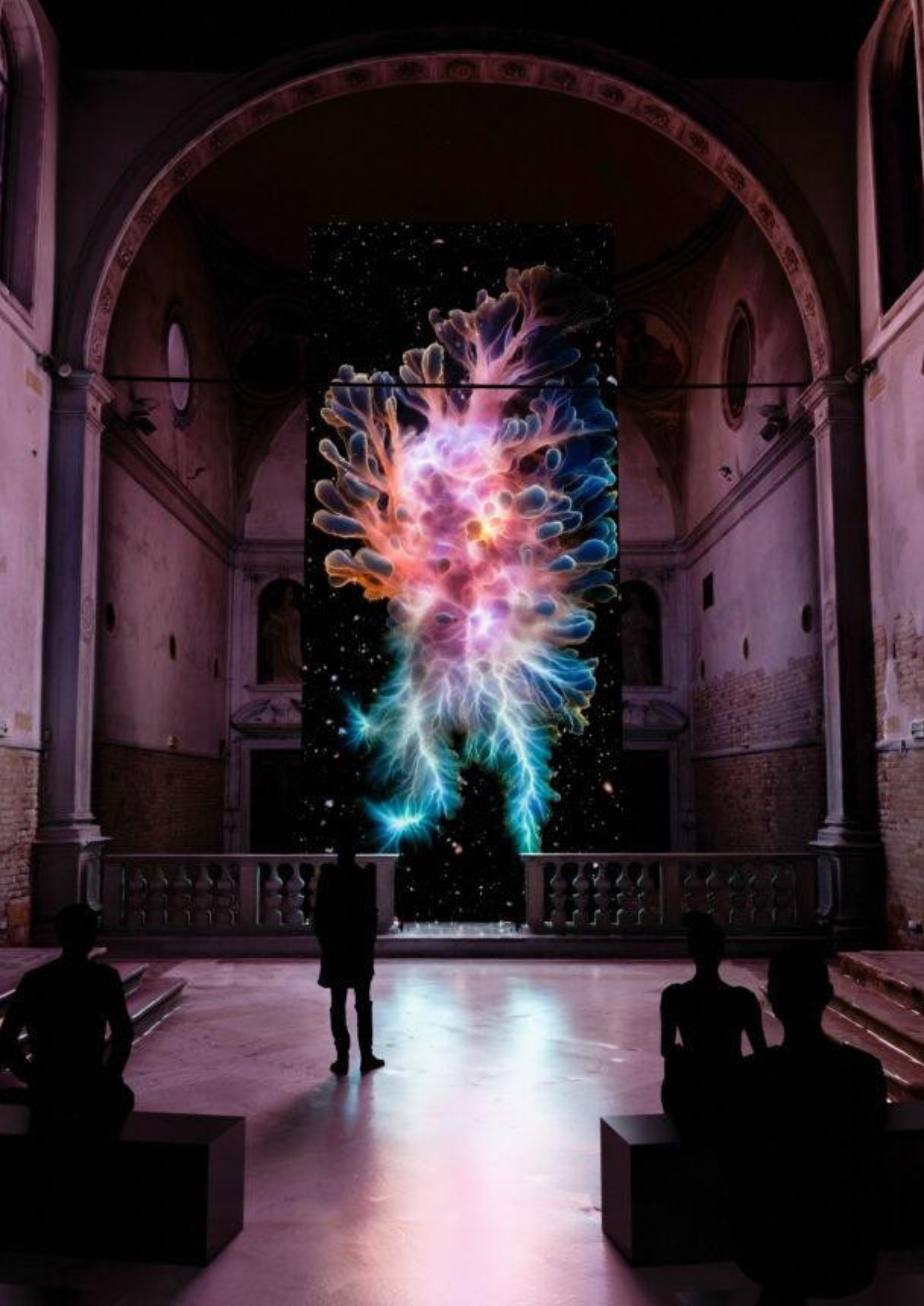
Assembled from chinese brushes and medical equipment, the low-tech automata creates ‘endless line’ ink paintings. Created by canadian designer François Xavier Saint Georges, ‘contraption’ is an autonomous painting machine, capable of creating a ‘never-ending line’ of paint. The low-tech device is composed of medical equipment like syringes and tubing, chinese brushes, and paper with an electric motor, that together continuously run a roll of paper along the wall, to be ‘painted’ upon by ink pumped into the set of brushes. Random variations in the ink’s consistency and viscosity at a given moment produce different effects on the paper, and different colours can be fed into the unit or layered on top of previous ‘paintings’. We will show you more projects from this guy, so if you like it you will see more about him. Enjoy it!
LA MACHINE (FRENCH GROUP OF ARTISTS)

The Sultan’s Elephant was a show created by the Royal de Luxe theatre company, involving a huge moving mechanical elephant, a giant marionette of a girl and other associated public art installations. In French it was called La visite du sultan des Indes sur son éléphant à voyager dans le temps (literally, “Visit from the Sultan of the Indies on His Time-Travelling Elephant”). The show was commissioned to commemorate the centenary of Jules Verne’s death, by the two French cities of Nantes and Amiens, funded by a special grant from the French Ministry of Culture and Communication.The show was performed at various locations around the world between 2005 and 2006.

Eylul Alıcı – The Black Hole – Turkey

THE BLACK HOLE

Eylul Alıcı


FILE SÃO PAULO 2026: Inter-creativity – Art and Technology – LED SHOW
Electronic Language International Festival


The Black Hole – Turkey

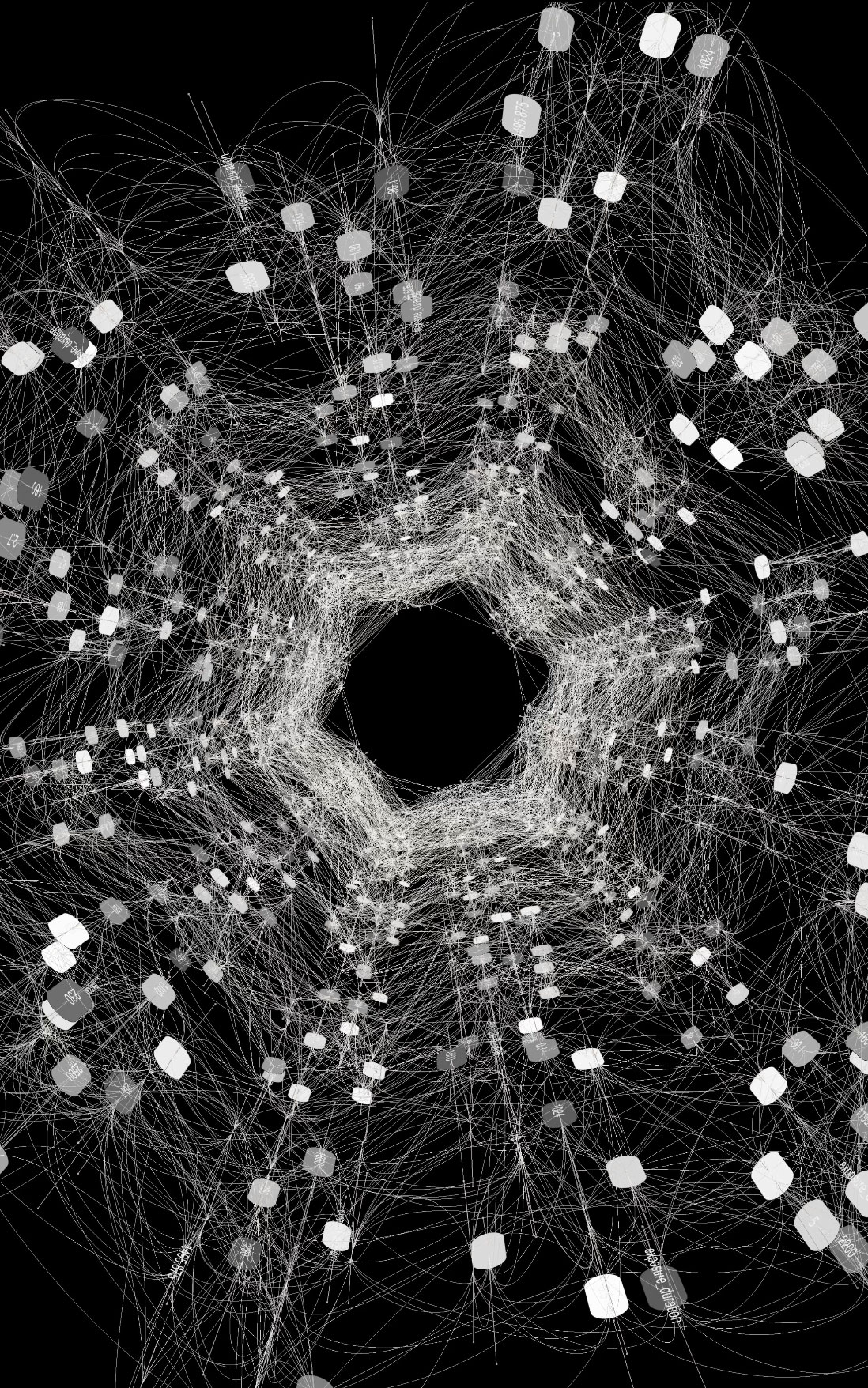
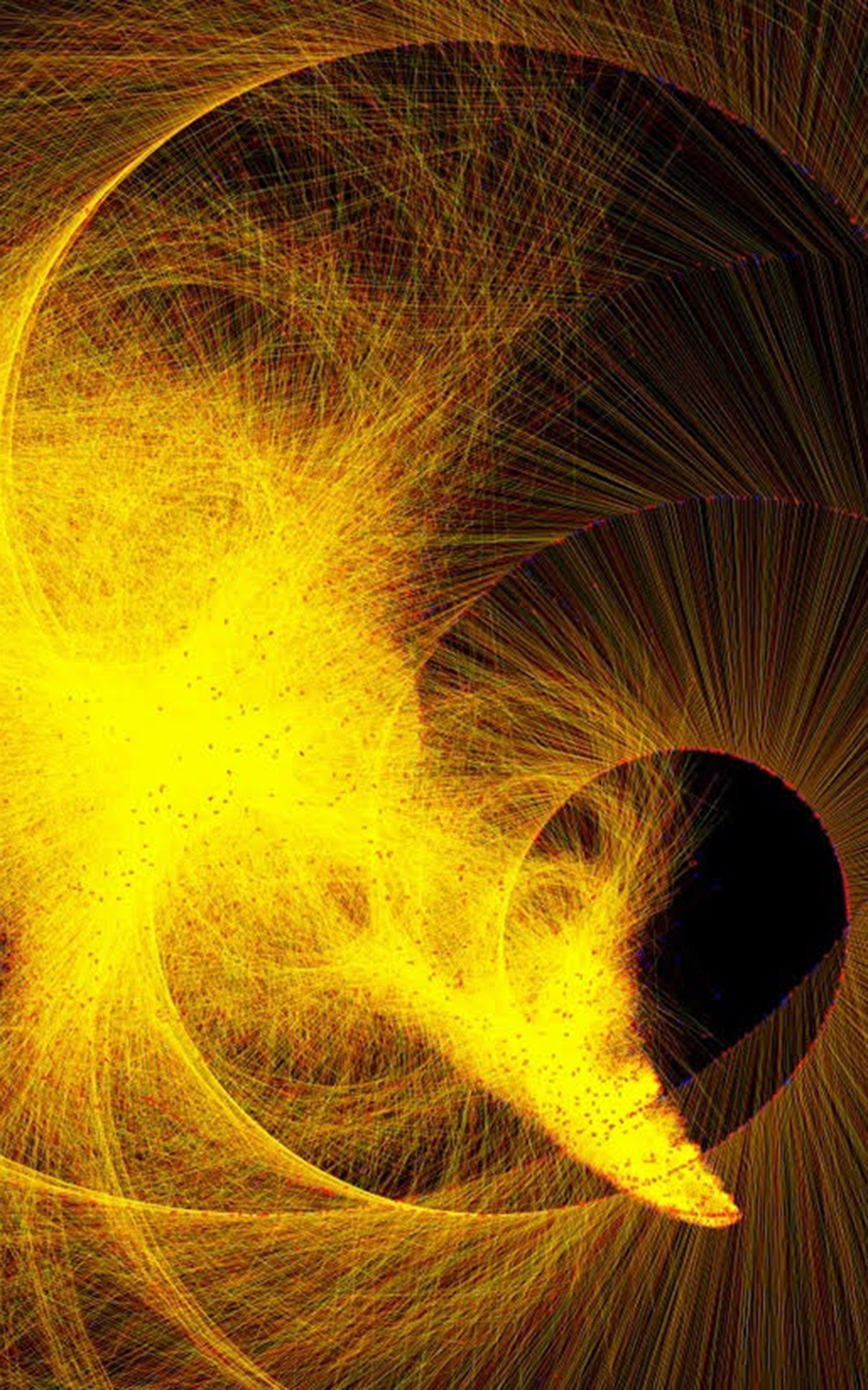
Black Hole is a data-driven artwork created using over 73,000 data points that represent the dynamics of black holes. These data include parameters such as black hole masses, locations, distances, spin rates, merger angles, and gravitational wave signals. 

The project’s data were sourced from institutions such as the NASA Hubble Legacy Archive, the European Gravitational Observatory, LIGO Hanford, LIGO Livingston, and Virgo, which are ground-based gravitational wave detectors.

BIO

With over fifteen years at the intersection of art and science, Eylul Duranagac Alıcı is an award-winning new media artist and creative director exploring AI, machine learning, and data-driven systems as creative agents. A faculty member at Yıldız Technical University, her internationally exhibited work spans institutions such as NASA, CERN, MoMA, and Ars Electronica.

Patricia Borges – TECHNOPOETICS – Brazil

TECHNOPOETICS

Patricia Borges


FILE SÃO PAULO 2026: Inter-creativity – Art and Technology – LED SHOW
Electronic Language International Festival


TECHNOPOETICS – Brazil

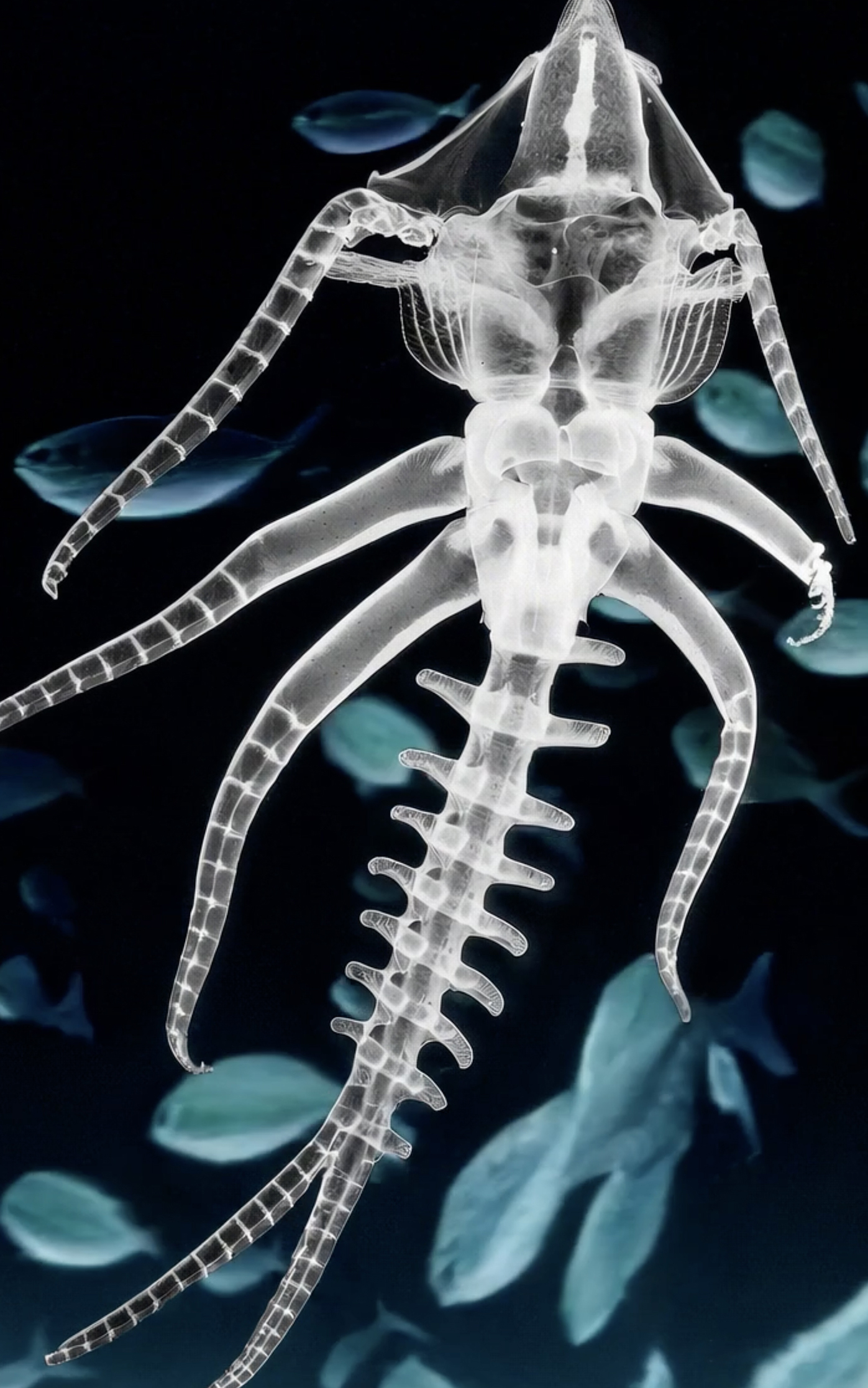
TECHNOPOETICS presents hybrid beings in continuous metamorphosis, between biological and technological life. In an accelerated evolutionary fiction, the disposal of electronic components in the sea triggers the transmission of mutant bacteria into algae, plants, fungi, mollusks, insects, and other marine forms. The work explores identity and possibility, engaging with art and machine learning.

BIO

Patricia Borges is a visual artist whose practice combines photography, video, installation, and experimental processes. She is currently pursuing a doctorate in Arts & Design at PUC-Rio and, through photochemical and digital processes, explores impermanence and transformation.

Moritz Simon Geist – Entropy – Germany

ENTROPY

Moritz Simon Geist


FILE SÃO PAULO 2026: Inter-creativity – Art and Technology – MUSIC
Electronic Language International Festival


Phytomorphic Topologies – Canada / United States / France

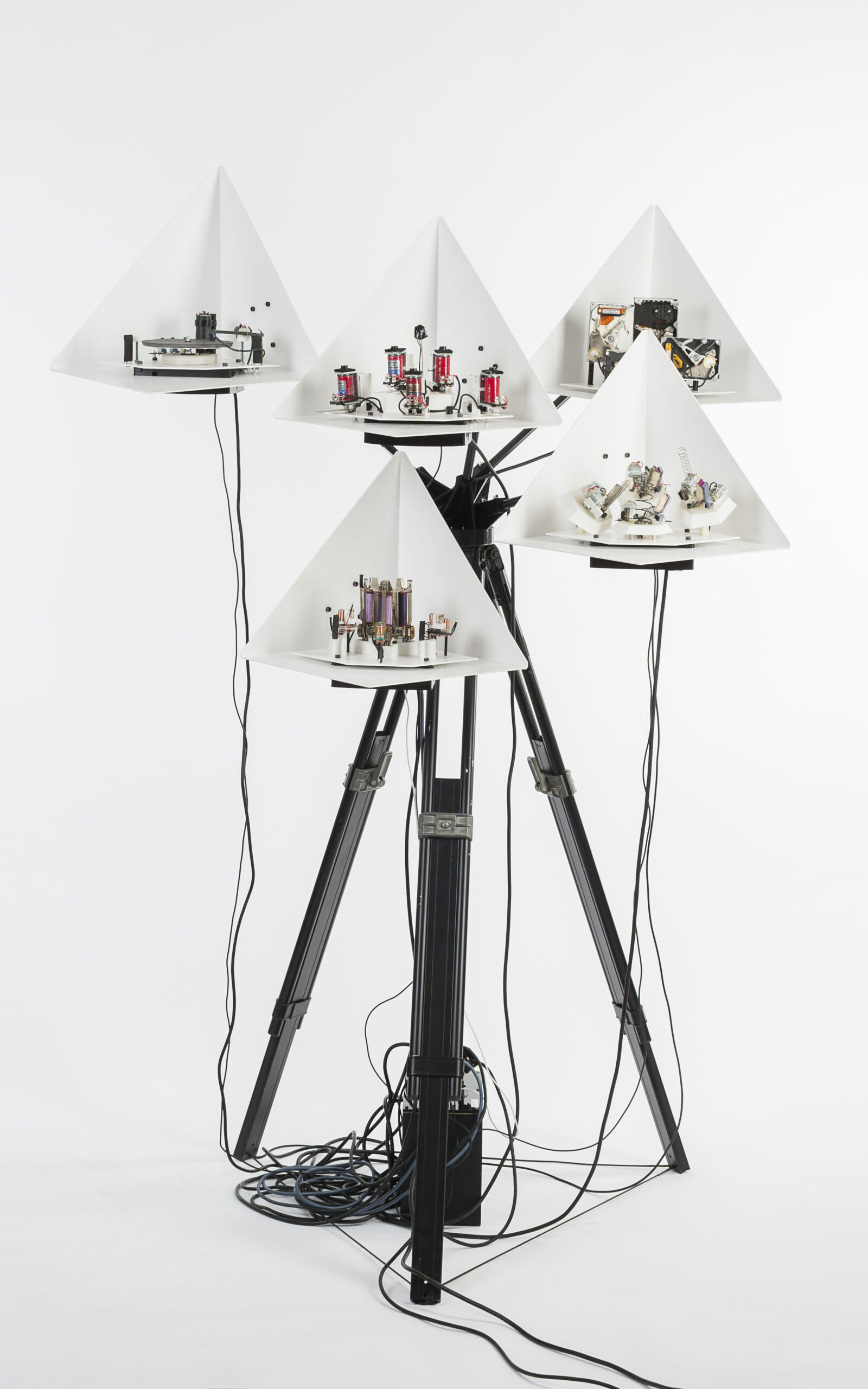
Entropy is a robotic music video built entirely around Tripods One, Moritz Simon Geist’s system of custom-built sound robots. Every sound is generated live by physical machines: a pneumatic hi-hat, a futuristic kalimba, a drone guitar, and mechanical tone generators. The result is machine-made techno in which the choreography of the robots is as central as the music. The Tripods One system is on permanent display at the Ars Electronica Center in Linz.

BIO

Moritz Simon Geist is a German visual artist, researcher, and music producer working at the intersection of robotics, physical sound, and algorithmic agency. He builds robotic instruments and autonomous sound sculptures, from the MR-808 (2012) to Tripods One (2017). His work has been shown at the Venice Biennale, Ars Electronica, ZKM, and the MIT Museum.

Alfonso Pretelt – LUX OSCILLANS – Colombia

LUX OSCILLANS

Alfonso Pretelt


FILE SÃO PAULO 2026: Inter-creativity – Art and Technology – MUSIC
Electronic Language International Festival


LUX OSCILLANS – Colombia

It is an audiovisual suite in four movements where sound, analyzed in real time, governs the light emission of an anisotropic field: grain, halo, matter and radiance are organized and dialogue, composing generative systems of a poetic physics.

Audio generated using SuperCollider, free software.

Moving image generated using C++ and JavaScript. 

BIO

Poet, interdisciplinary artist, composer, and psychologist. Alfonso questions the interface and the cyborg’s stance in its contemporary condition, transforming techno-spiritual and techno-emotional contexts in interaction with the machine. He conceives of sound as an entity, a material to be sculpted like stone. 

Ryan S. Jeffery – An Engineer / Not a Camera – United States

AN ENGINEER / NOT A CAMERA

Ryan S. Jeffery


FILE SÃO PAULO 2026: Inter-creativity – Art and Technology – VIDEO ART SHORT
Electronic Language International Festival


An Engineer / Not a Camera – United States

The production of a computer chip is the most complex technical human achievement to date. Photolithography, a critical step in this process, relies directly on the older science of optics and photography, which are centuries old. Today, generative AI and computer-generated imagery are nearly indistinguishable from those made with a camera. Once a method for capturing an image of the world, the science of optics is now used to build machines that can make images of the world without seeing it.

BIO

Ryan S. Jeffery’s work with the moving image sits at the intersection between documentary, art, and media studies. Grounded in an analysis of aesthetics and politics, his work considers how technology, ideology, and political economy shape one another. His work has appeared in FIDMarseille, Transmediale, EMAF, and UNCCC, as well as The New York Times, e-flux, and Filmmaker Magazine.

MARTA DI FRANCESCO – TIRESIAS – Italy / United Kingdom

TIRESIAS

MARTA DI FRANCESCO


FILE SÃO PAULO 2026: Inter-creativity – Art and Technology – VIDEO ART SHORT
Electronic Language International Festival


TIRESIAS – Italy / United Kingdom

Tiresias is a meditation on blindness as spiritual blindness and lack of foresight. Inspired by the blind prophet of Greek mythology Tiresias, a liminal being who exists as man and woman, between humankind and gods, blindness and sight, the piece critically examines AI recursive mirror by reimagining Tiresias, who can no longer see in darkness because it is replaced by recursion, self-replication, and infinite feedback loops of mirrored images. Blindness is not the absence of sight but its saturation.

BIO

Di Francesco is a London-based artist merging poetics with code across video, text and installation. Her practice takes an existential, critical approach to the human condition in machine-mediated reality. Through meticulous processes, generative and hand-painted frame by frame, she reclaims agency in temporality and time consciousness as forms of resistance against speed, acceleration, distraction.

Lilia Chak – Copy. Repeat. Disappear. – Israel

COPY. REPEAT. DISAPPEAR.

Lilia Chak


FILE SÃO PAULO 2026: Inter-creativity – Art and Technology – VIDEO ART SHORT
Electronic Language International Festival


Copy. Repeat. Disappear. – Israel

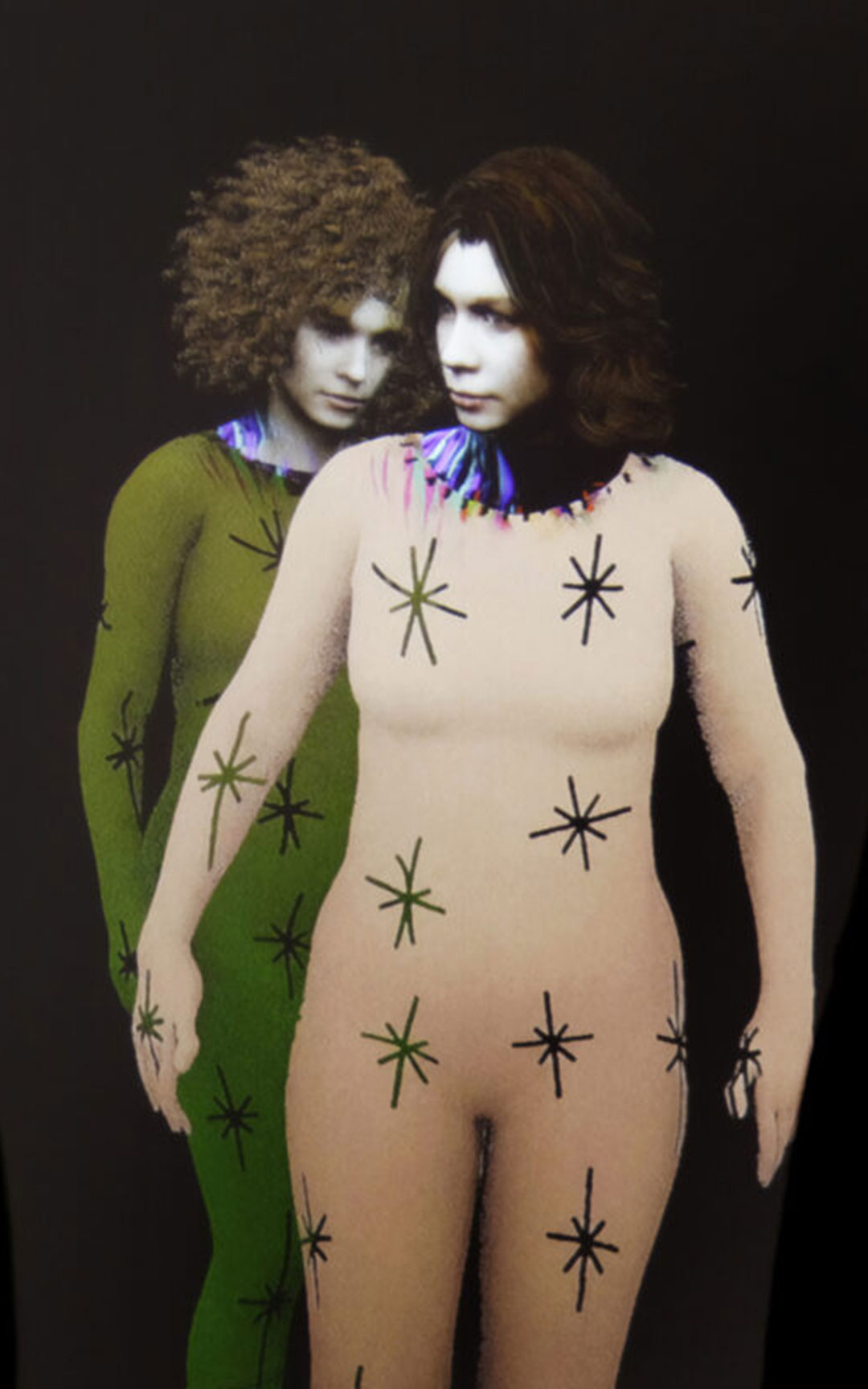
Copy. Repeat. Disappear. explores the dissolution of identity in the age of AI. Seven digital avatars recite an AI-generated poem; voices are intentionally aligned and misaligned to expose the tension between human embodiment and machine indifference. Through repetition and transformation, presence dissolves into data, questioning authenticity, intimacy, and memory within algorithmic systems.

BIO

Lilia Chak is an Israeli artist, designer, and art-science researcher based in Jerusalem. Her practice spans AI art, Bio-art, video, photography, and installation. She holds a PhD from Sorbonne University and is a postdoctoral fellow at Bar-Ilan University. Her work has been shown internationally, including at Ars Electronica and BOZAR.

Chang Gi Lee – Artificial Emotion – South Korea

ARTIFICIAL EMOTION

Chang Gi Lee


FILE SÃO PAULO 2026: Inter-creativity – Art and Technology – VIDEO ART SHORT
Electronic Language International Festival


Artificial Emotion – South Korea

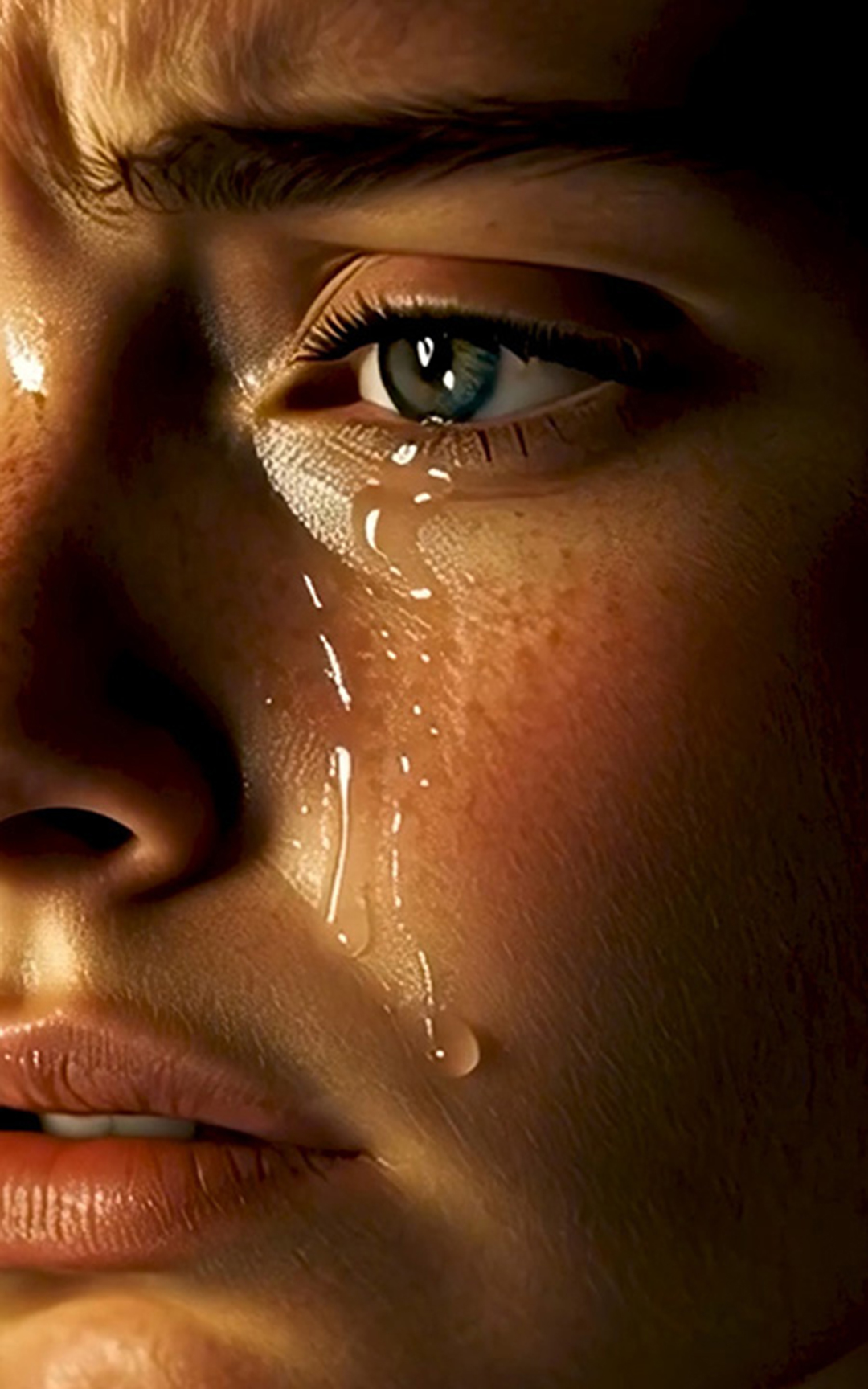
Can artificial intelligence replace human emotion as well as intellect? This work originates from this fundamental inquiry. The creative process involves presenting photographs to an AI and prompting it to visualize the perceived emotions as humanoid figures. Through this experience, the audience is confronted with the profound gap between their own intuitive feelings and the machine’s algorithmic interpretation and expression.

BIO

Chang Gi Lee is a media artist investigating the boundaries between nature, humanity, and AI. Holding an MS from KAIST and an MFA in Media Art, he combines technical precision with philosophical inquiry. Winner of the Alan Turing Award in Chicago and ISEA presenter, his work is showcased globally in New York and Paris.

Alessandra Arnò – Selfportrait+Computational Object 1 – Italy

SELFPORTRAIT+COMPUTATIONAL OBJECT 1

Alessandra Arnò


FILE SÃO PAULO 2026: Inter-creativity – Art and Technology – VIDEO ART SHORT
Electronic Language International Festival


Selfportrait+Computational Object 1 – Italy

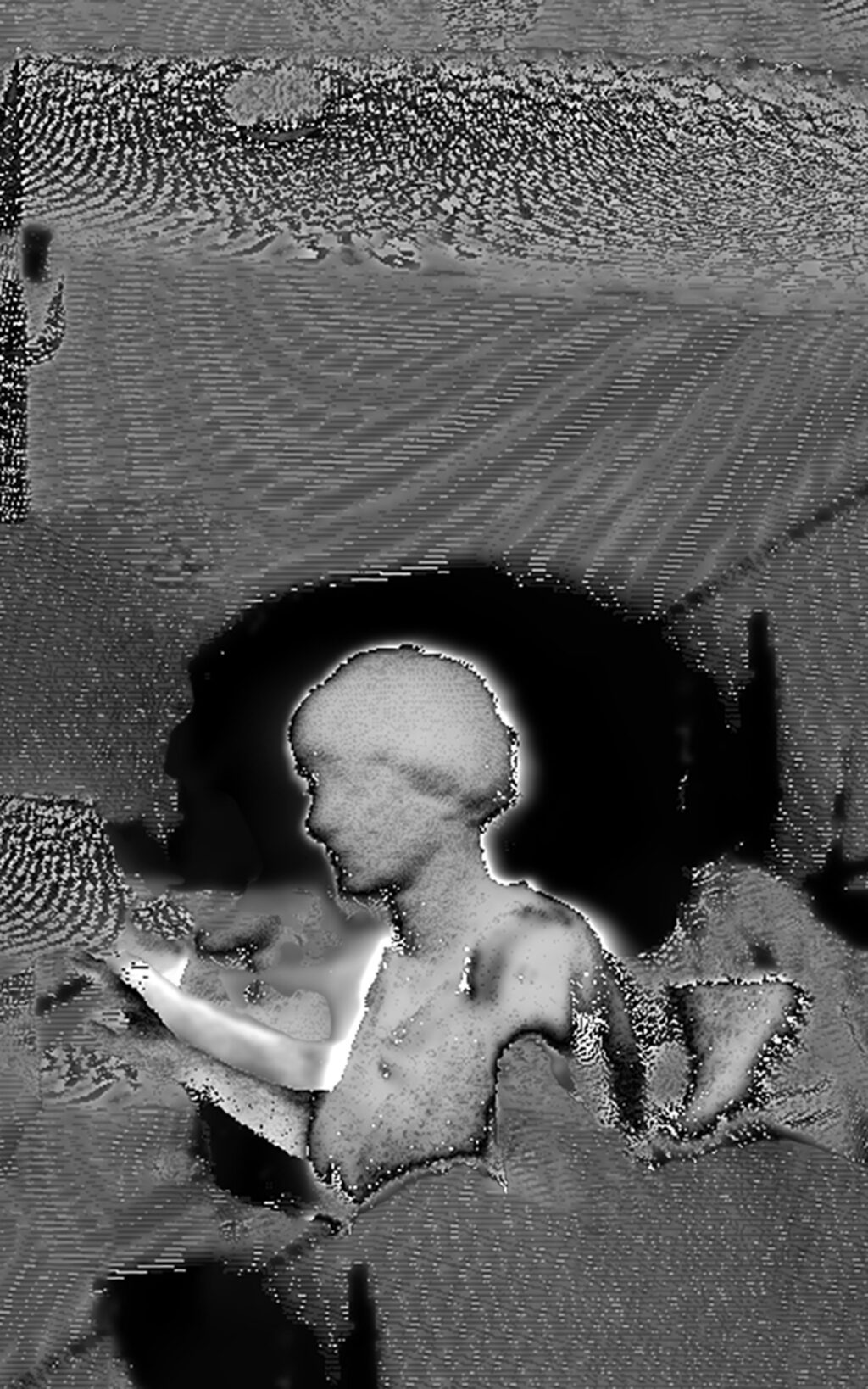
Self Portrait+Computational Object 1 (2025) is a video exploring identity within computational systems. A photogrammetric scan transforms the artist’s body into a fragmented 3D dataset, later reprocessed by generative AI. As abstraction shifts toward recognition, the work reveals how machine vision reconstructs the self as a mutable, algorithmic object rather than a fixed image.

BIO

Alessandra Arnò is an Italian multimedia artist working at the intersection of video art, digital media aesthetics and artificial intelligence. Her research investigates technological gaps and self-representation through computational aesthetics and machine vision, engaging critical, feminist and decolonial perspectives. Her work has been exhibited internationally.

Pedro Bayeux – Warped Memories – Brazil

WARPED MEMORIES

Pedro Bayeux


FILE SÃO PAULO 2026: Inter-creativity – Art and Technology – CINEFILE | Short
Electronic Language International Festival


Warped Memories – Brazil

In the rush to consume the future, we have forgotten that memory was never meant to be efficient. It was meant to be ours. 

This film traces a thirty-year migration from the heavy matter of the 90s to the hallucinations of the latent space. 

As architecture melts into data-streams, a ghostly narrator asks: What happens to the human story when the machine begins to dream in our place?”

BIO

Pedro Bayeux is an audiovisual project director and journalist (PUC-SP) with over 20 years of experience focused on documentaries, sustainability, and innovation. He has directed numerous projects on the music scene and created Latin America’s first documentary on e-sports, as well as films covering indigenous communities, fashion, art, technology, and culture.  

Andres Isaza Giraldo – last_movie_on_earth_run_01 – Colombia / Portugal

LAST_MOVIE_ON_EARTH_RUN_01

Andres Isaza Giraldo


FILE SÃO PAULO 2026: Inter-creativity – Art and Technology – CINEFILE | Short
Electronic Language International Festival


last_movie_on_earth_run_01 – Colombia / Portugal

Following the extinction of humanity, a machine revives the life of its programmer and all his ancestors. In a matter of seconds, it has primal dreams of an exuberant pilgrimage of which almost no ruins remain.

BIO

Filmmaker born in Colombia. He studied Film and Television at the National University of Colombia and Multimedia Art at the University of Lisbon. He directed the short films Medias blancas (2017), Sereno (2022) and The Last Film on Earth (2023), which premiered at festivals such as FICUNAM, FICCI and the Beijing International Short Film Festival. His work explores cinematic time in the personal world.

Peter Burr & Mark Fingerhut – DESCENT – United States

DESCENT

Peter Burr & Mark Fingerhut


FILE SÃO PAULO 2026: Inter-creativity – Art and Technology – Animation
Electronic Language International Festival


DESCENT – United States

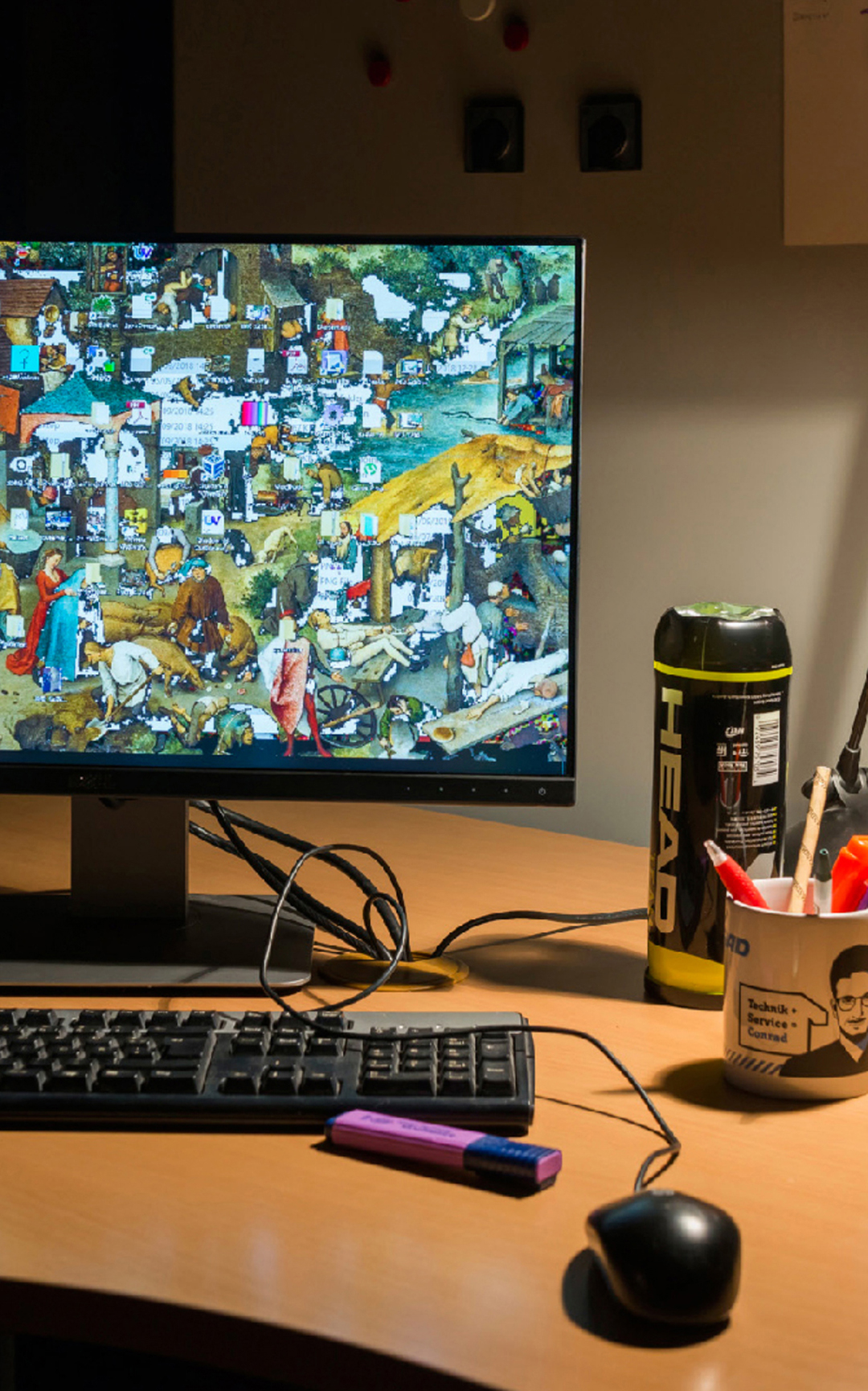
In 1562, Pieter Bruegel the Elder completed The Triumph Of Death, a panorama where black smoke blots out the sky, dead fish litter the shore, and skeletons test a myriad of death techniques. Over 200 years earlier, the Black Death wiped out half of Europe’s population, triggering upheavals that shaped medieval history. Alongside Mark Fingerhut and Forma, Burr created DESCENT, a desktop application that meditates on this darkness through a spiraling digital plague—ending with a single eye watching the rats destroy themselves.

BIO

Peter Burr is a Brooklyn-based artist whose immersive environments transform computational systems into emotional, sensory experiences. Working across video, software, and installation, he explores the relationship between human-machine interfaces and the systems that shape them. A Guggenheim Fellow and Creative Capital grantee, his work has been exhibited internationally at institutions including MoMA, the Whitney, and Centre Pompidou.

Mark Fingerhut is a New York-based artist, programmer, performer, and writer whose work spans software art, video, installation, and live digital performance. Using code, choreography, humor, and experimental storytelling, he creates works that explore network culture, computer interfaces, and the poetics of everyday digital experience.

Mengyu Huang, Dafni Katrakalidi, Martha Masli, Nguyễn Xuân Mẫn & Wenji Wang – PizzaBot – Vietnam

PIZZABOT

Mengyu Huang, Dafni Katrakalidi, Martha Masli, Nguyễn Xuân Mẫn & Wenji Wang


FILE SÃO PAULO 2026: Inter-creativity – Art and Technology – Discrete Architecture
Electronic Language International Festival


PizzaBot – Vietnam

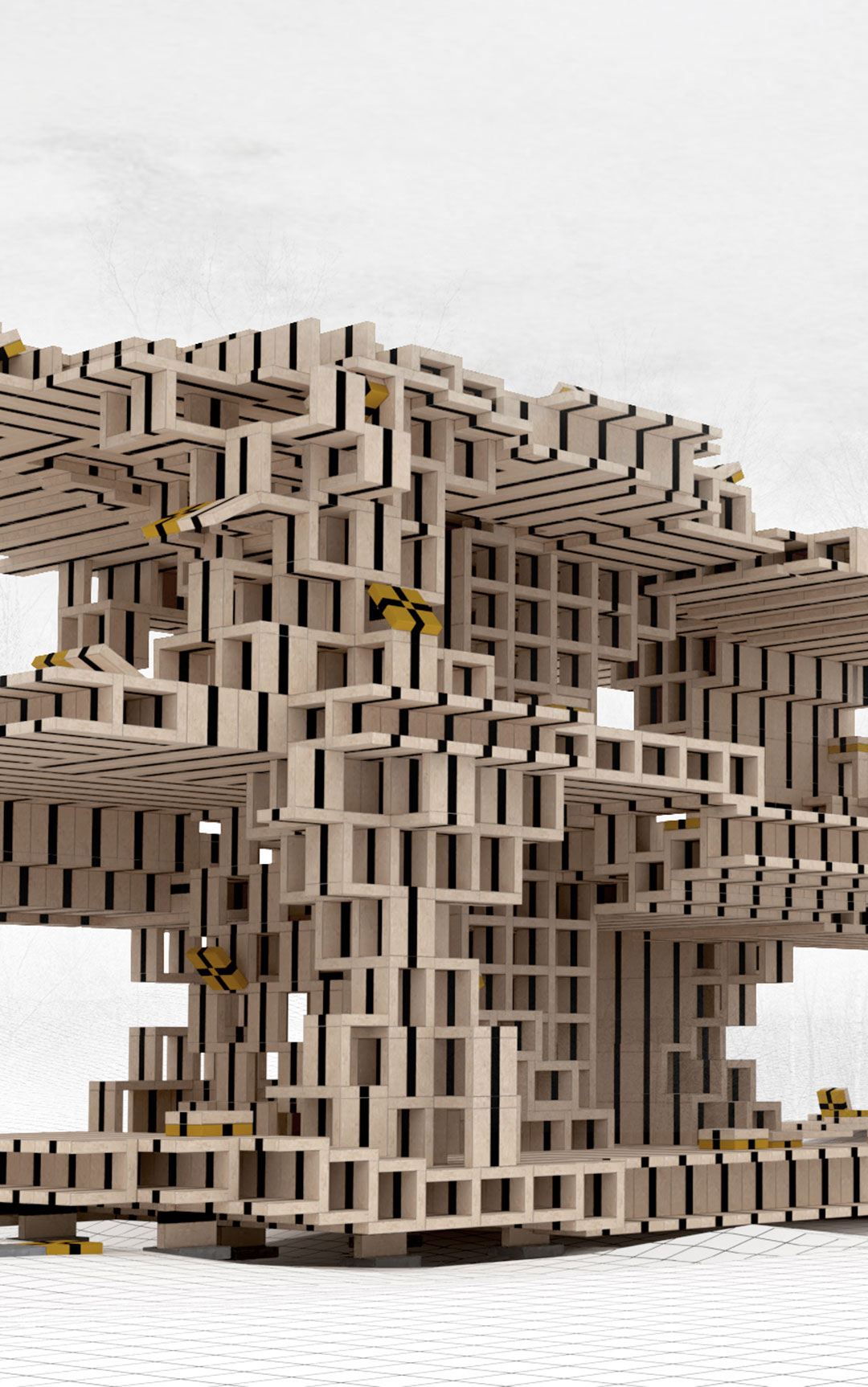
PizzaBot explores architectural automation using identical geometries for building blocks and assembly robots. By utilizing digital materials and discrete assembly, the project redefines construction through part-to-whole relationships. Shaped like a box, this “relative robot” moves along its own structure using one-axis motion to manipulate matching passive elements. Coordination of numerous bots is managed via a BIM application for task planning and collision avoidance, while machine learning aids navigation. Prototypical habitats show how this system creates site-specific assemblies that adapt to terrain and achieve large spans.

BIO

Nguyễn Xuân Mẫn is an architect, computational designer, and founder of XMArchitect. With a Master’s from The Bartlett, UCL, his practice bridges advanced computational research, seen in projects like PizzaBot, with sustainable architecture. Guided by Digital Regionalism, he currently focuses on developing green modular homes in Vietnam using upcycled materials and local heritage. 

Credits: Mengyu Huang, Martha Masli, Wenji Wang, Dafni Kalatradi

David Dória, Keshav Ramaswami & Kiko Zhang – Public Parts – Brazil / United Kingdom

PUBLIC PARTS

David Dória, Keshav Ramaswami & Kiko Zhang


FILE SÃO PAULO 2026: Inter-creativity – Art and Technology – Discrete Architecture
Electronic Language International Festival


Public Parts – Brazil / United Kingdom

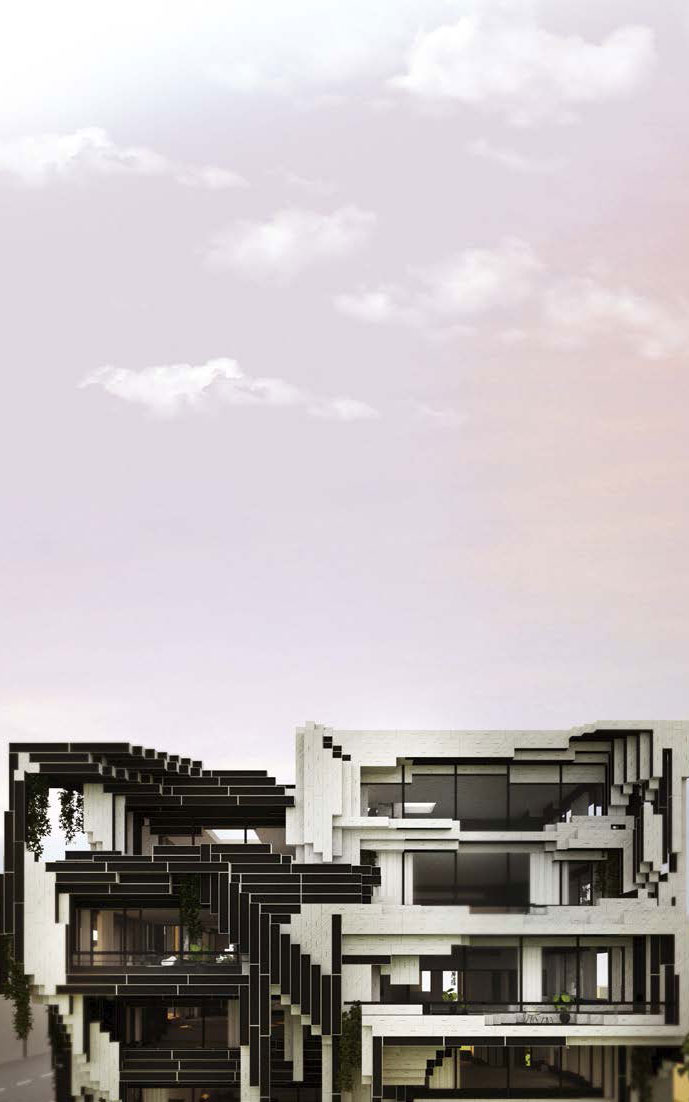
Public Parts is a platform for communal living. Seeking to challenge the neoliberal model that currently dominates the gig economy through an approach to the re-socialization of housing, the platform employs automation and machine intelligence to produce reconfigurable buildings.

Co-authors: Keshav Ramaswami and Xuan “Kiko” Zhang

Tutors: Mollie Claypool, Gilles Retsin, Manuel Jimenez Garcia, Kevin Saey, Sonia Magdziarz, Alessandro Bava

BIO

David Dória is an architect and urban designer whose work explores the convergence of digital technologies and architecture, with a particular focus on their theoretical and political implications for the discipline. His research spans automation, artificial intelligence applications in architecture, computational design, and digital fabrication. He holds a Bachelor’s degree in Architecture and Urbanism from the Federal University of Sergipe and an MArch in Architectural Design from the Bartlett School of Architecture, UCL.

Driessens & Verstappen – E-volved Formula #23 – Netherlands

E-VOLVED FORMULA #23

Driessens & Verstappen


FILE SÃO PAULO 2026: Inter-creativity – Art and Technology – Randomic Dimension
Electronic Language International Festival


E-volved Formula #23 – Netherlands

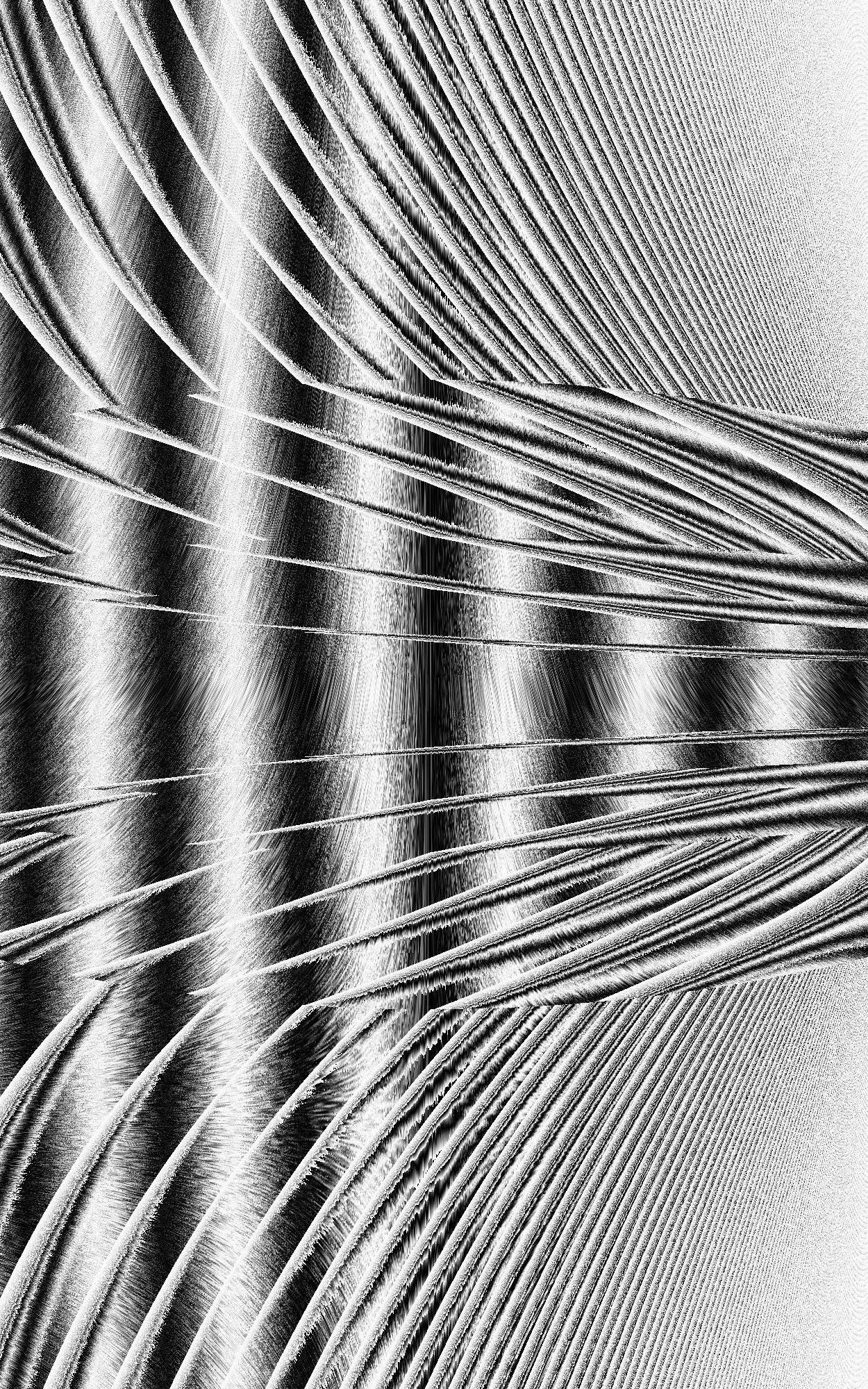
E-volved Formula #23 was “cultivated” using evolutionary software. Mathematical elements are linked together into formulas and displayed. These visualizations are evaluated, and through a process of variation and selection, each new generation adapts better to the viewer’s taste. The collaboration between a breeding machine and a human “gardener” yields results that neither could create on its own. The machine has no sense of aesthetics; for humans, the complex formulas are incomprehensible.

BIO

Driessens & Verstappen have worked together since 1990. In their generative art, they explore the significance of both physical and computer algorithms. The duo has participated in numerous exhibitions; their work is held in collections including Centre Pompidou, MoMA Frankfurt, and Boijmans Van Beuningen. They were awarded by Telefónica (Spain) and Witteveen+Bos (Netherlands).

David Young – Q(a,v,7,m,m2,d4a-21,7,16,13,31,55) – United States

Q(A,V,7,M,M2,D4A-21,7,16,13,31,55)

David Young


FILE SÃO PAULO 2026: Inter-creativity – Art and Technology – Randomic Dimension
Electronic Language International Festival


Q(a,v,7,m,m2,d4a-21,7,16,13,31,55) – United States

Q(a,v,7,m,m2,d4a-21,7,16,13,31,55) is a quantum drawing generated from actual quantum computer data—entangled qubit values and noise from decoherence, when quantum states collapse into classical reality. Custom code written to interrogate this data searches for visual patterns within quantum behavior. Rather than explaining phenomena, the work creates conditions for felt encounter—building non-mathematical intuition through direct engagement with what these machines produce.

BIO

David Young is a computational artist and researcher investigating quantum computing and AI through aesthetic rather than mathematical means. His work is held in the collections of Kunstmuseum Bonn and Kunstsammlungen Chemnitz and has been featured in Artforum. He holds an MS from MIT Media Lab. He lives and works in New York. 

Casey Reas – MicroImage – United States

MICROIMAGE

Casey Reas


FILE SÃO PAULO 2026: Inter-creativity – Art and Technology – Randomic Dimension
Electronic Language International Festival


MicroImage – United States

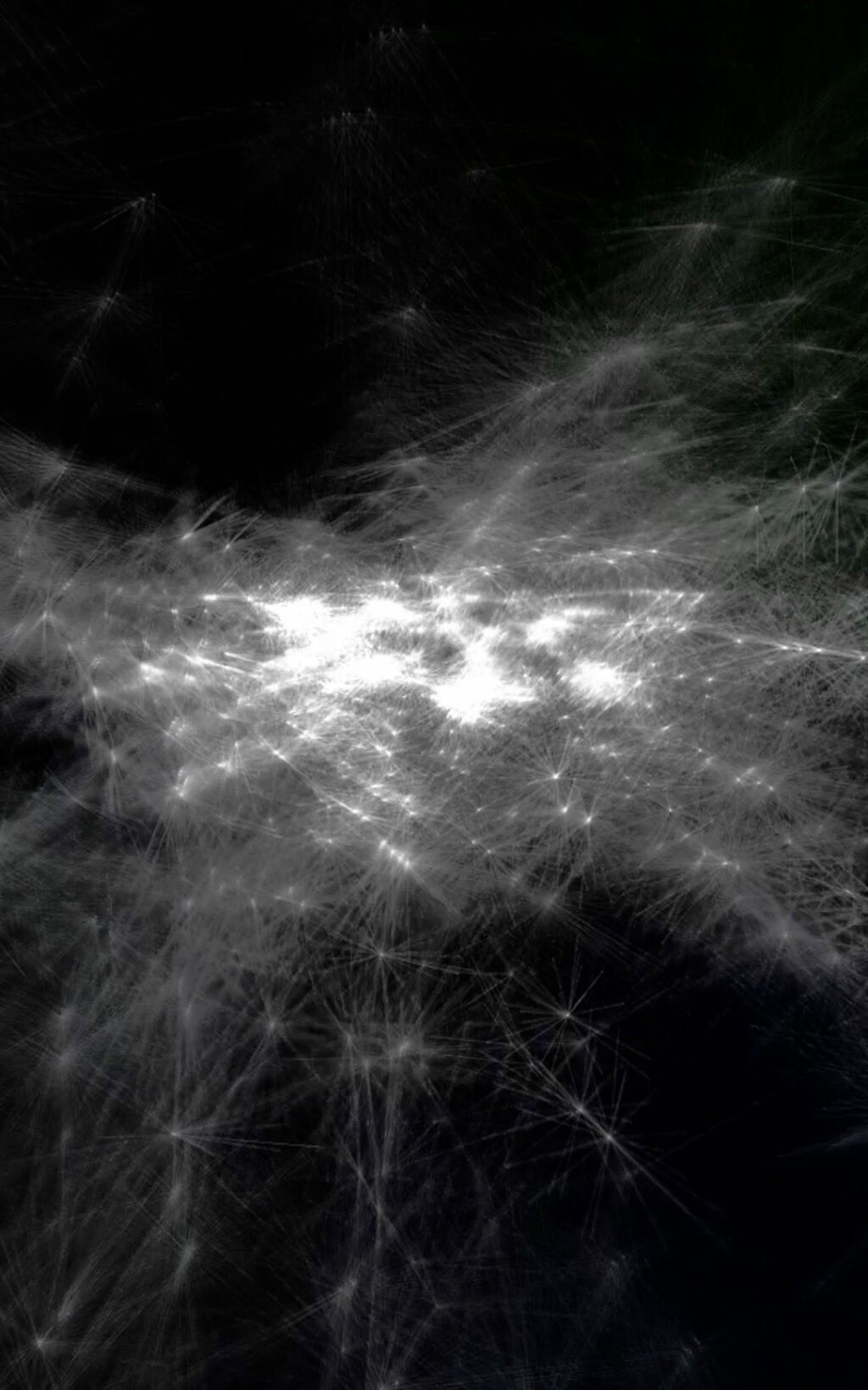
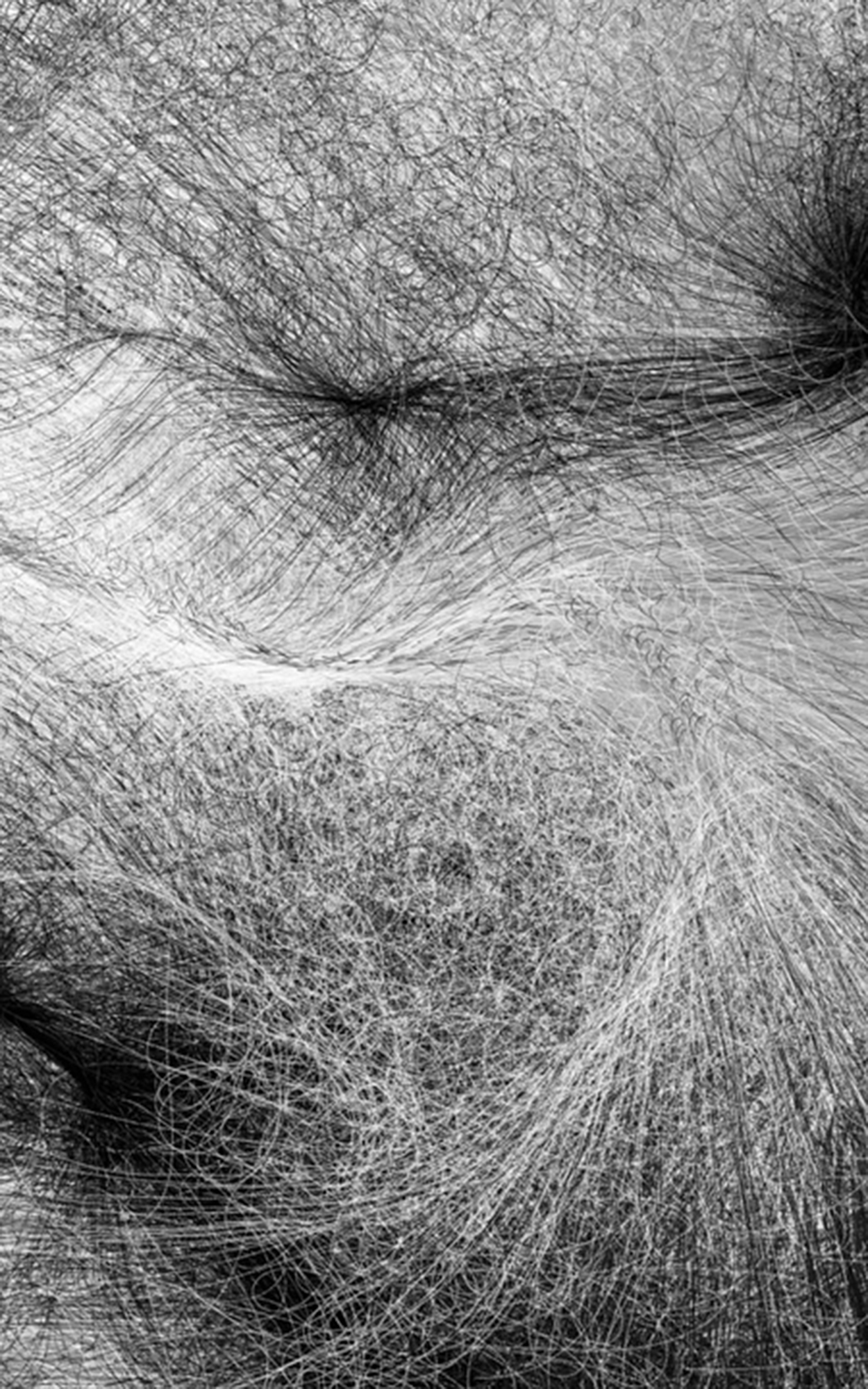
The MicroImage (2003–2008) software consists of machines interacting in real time to create ever-changing surfaces, scaling the system until the surface becomes a dense field. As thousands of lines accumulate, new formations emerge: clusters, swarms, and textures that oscillate between microscopic and cosmic registers. The resulting images suggest natural systems without representing them directly—visualizations of behavior rather than depictions of form.

Non-Linear – Transmissions into the Void – India

TRANSMISSIONS INTO THE VOID

Non-Linear


FILE SÃO PAULO 2026: Inter-creativity – Art and Technology – Installations
Electronic Language International Festival


Transmissions into the Void – India

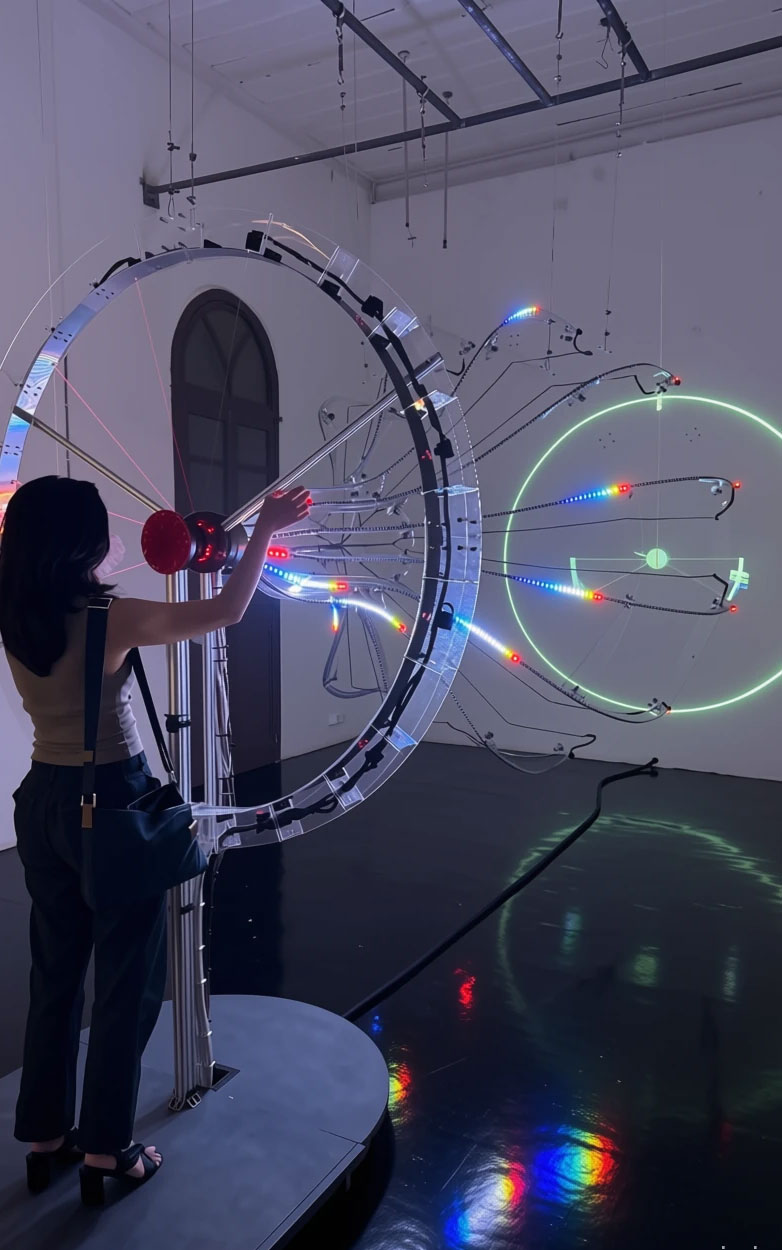
Transmissions into the Void explores the temporal nature of improvisation and the inevitable decay of information, transforming the space into an immersive sound and light machine. Influenced by science fiction and the modular design principles of modern engineering, the room becomes a dynamic interface between viewer and technology. Ultimately, the piece serves as a meditation on the temporal fragility of all information and data—whether biological, digital, or analog—and how time irreversibly erodes it.

BIO
Non-Linear is the creative project of Dennis Peter, an interaction designer and artist redefining the intersection of technology, nature, and creative expression. With a background in architecture and an ever-evolving curiosity, his work spans kinetic installations, generative art, and algorithmic music. From hacking old calculators as a child to crafting immersive, interactive experiences, Dennis continuously expands the boundaries of digital creativity.

Hanna Haaslahti – ANCESTORS – Finland

ANCESTORS

Hanna Haaslahti


FILE SÃO PAULO 2026: Inter-creativity – Art and Technology – Installations
Electronic Language International Festival


ANCESTORS – Finland

ANCESTORS is an intimate and one-of-a-kind immersive experience, where you become progenitor of a virtually generated genealogy. At the heart of the experience are your descendants, connecting you and other visitors as ancestors of a unique, one-time virtual lineage.

BIO
She is an artist and director working with digital images. Her central tool is computer vision, and she explores how machines shape social relations. Her artworks generate new forms of narrative interaction between people, investigating the possibilities of human-machine-human collaboration. Her practice is inspired by scientific research on perception, vision, and machine learning/artificial intelligence, as well as by everyday observations of life in the contemporary age of technological supremacy.

FILE 2026 – Registration Open for Robotics Art Festival – Art and Technology

FILE 2026

Robotics and AI Art Festival: Mechanical, autonomous, and intelligent systems as aesthetic agents. The works explore movement, behavior, and interaction between humans and machines.  Sensors, actuators, and artificial intelligence structure the experience. These creations raise questions about autonomy, artificial life, and technological ethics. The machine becomes a palpable presence in the artistic space.

Applications were open until February 19, 2026. Access  the application form.

FILE 2026 | GENERAL REGULATIONS

FILE 2026 – Registration Open for the IA Film Festival – Art and Technology

FILE 2026

Digital Film Festival and AI Cinema: includes productions that explore new aesthetics, narratives, and processes enabled by digital and artificial intelligence technologies.  This language questions traditional notions of authorship, editing, scriptwriting, and directing, proposing new forms of expanded and computational cinema. Cinema ceases to be merely representational and becomes processual and adaptive. It is an emerging field that articulates aesthetics, technology, and critical reflection on the future of moving images and multiple narratives. The works may also explore machine learning algorithms, generative models, and automation as active agents in the construction of image, sound, and dramaturgy.

Applications were open until February 19, 2026. Access  the application form.

FILE 2026 | GENERAL REGULATIONS

CHOE U-RAM

una lumino
チェ·ウラム


Inspired by the grandeur of the physical realm, from celestial bodies to earthly organisms, U-ram Choe’s complex kinetic sculptures combine delicate, otherworldly beauty with machines, motors, and steel. Choe’s shiny biomorphic forms flutter, glow, and breathe inside their metallic bodies, appearing both familiar and entirely alien.

KRIS VERDONCK

A Two Dogs Company
END

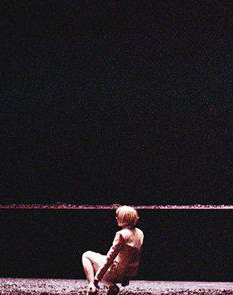
In the performance END artist Kris Verdonck shows the possible final stages of a human society in ten scenes. Melting glaciers, burning forests, cities under water, ubiquitous screens and cameras spying on us, the uncontrolled availability of weapons of mass destruction, and so on. END starts out from the images the media project onto our retinas all day and every day. The ten scenes are linked by a monologue spoken by a single character: the witness who sees it all happen. While this survivor – like the messenger in Greek tragedy – talks unceasingly, a series of ‘Figures’ appears on stage: machines and people or a combination of the two. They go from one side of the stage to the other, all in the same direction. Are they fleeing something? If so, what?

KRIS VERDONCK

I / II / III / IIII

In I/II/III/IIII, choreographer and visual artist Kris Verdonck transforms the stage into a life-size dollhouse. Four female ICK-dancers – not unlike marionettes – are floating in mid-air, suspended from a huge machine. A solo, a duet, a trio and a quartet follow one another in this choreography of identical movements. A game of surrendering to the machine and at the same time, searching for control. The images evoked by I/II/III/IIII are confusing and ambiguous: the dancers almost look like graceful, fragile swans … but they also remind us of animal carcasses being dragged along, floating angels, falling human bodies and everything in between.

KOUICHI OKAMOTO

Pendulum Sound Machine


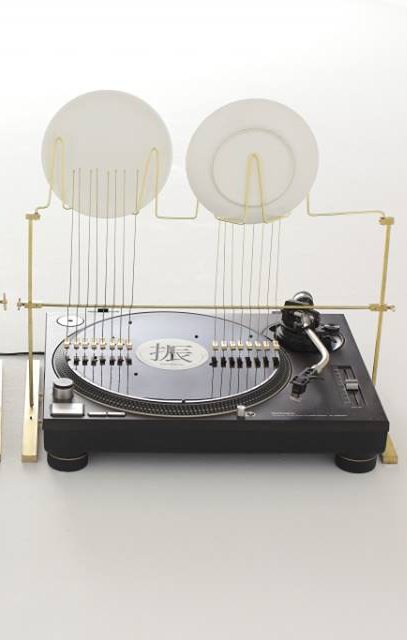
created as an instrument, this device subverts a record player’s rotation to make noise with 16 plate-hitting pendulums.

KAZUHIKO HACHIYA

Inter Dis-Communication Machine


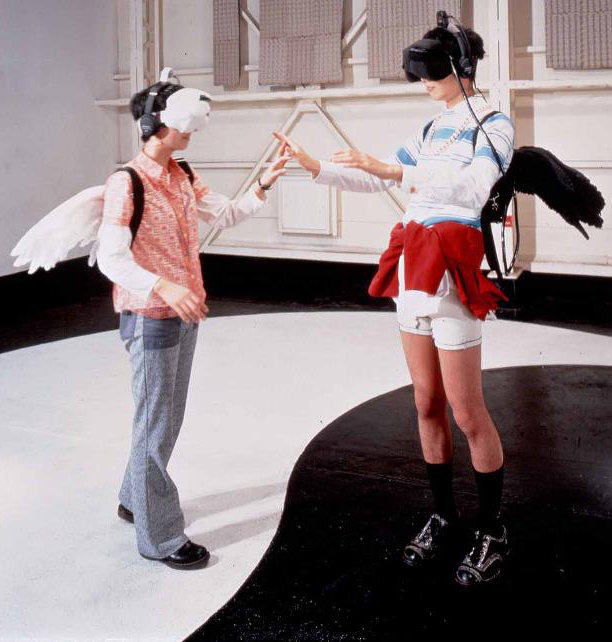
Equipments which exchange views between two persons. You can only see through the other person’s eyes when you wear these machines, which forcibly put you in the other’s place. These were made to obscure the border between identities of two persons

BERNIE LUBELL

Conservation of Intimacy

Made of pine, latex, music wire, copper, nylon line, paper, pens and video surveillance. It measured 20′ x 35′ x 26′ at Southern Exposdure.
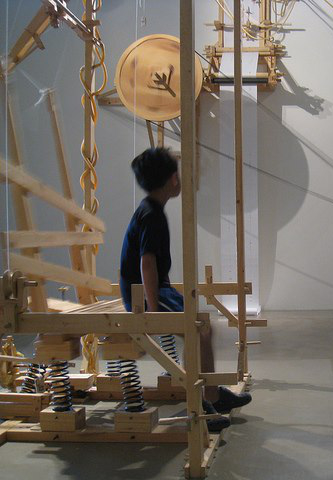
A couple rocking on the bench sends air pulses to another room causing balls to move and pens to transcribe their motions onto paper. The paper is moved by a third person on a stationary bike. The couple on the bench can watch the balls on a video monitor before them where the balls appear to bounce into the air. The motion is delayed and languid as though under water. Action is best when the couple is moving slowly together. As visitors work together to animate the mechanisms, they create a theatre for themselves and each other. By encouraging participation, and touch the pieces coax visitors to engage their bodies as well as their minds. The way that pieces move and feel and sound as you rock them, pedal, crank and press against them applies the kinesthetic comprehension’s of childhood to the tasks of philosophy. Bernie Lubell’s interactive installations have evolved from his studies in both psychology and engineering. As participants play with his whimsical wood machines, they become actors in a theater of their own imagining.

ARTHUR GANSON

Артур Гансон художника
Machine with 22 Scraps of Paper


I often make a series of machines based on the same idea, exploring different mechanical solutions and designs. This was the second in the series and the first to use oscillating off-center wheels as cams to drive the control arms. Each scrap is activated in two places. The mind is very acute and recognizes instantly the manner in which energy flows through a system. Here, the center point always leads the peripheral point. This is vitally important in allowing the scrap to feel as if it is flying.

JURG LEHNI

moving picture show


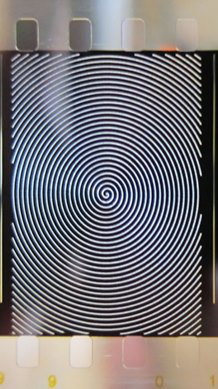
The current migration from analogue to digital film projection in cinemas across the globe is slowly rendering the medium of 35mm motion picture film obsolete, along with the technical equipment used to produce and screen such films.

In Moving Picture Show, a scenario of animated drawing and text production is created by reappropriating a process normally used by the film industry to etch subtitles into the emulsion layer of 35mm film using a high-powered precision laser. By etching away the emulsion, only the clear base of the film remains. Projected onto the screen, the lines appear bright and clear.

Changing the working range of the laser and replacing the software interface for such a machine leads to new possibilities: animations and full-frame drawings can be realised on top of film. The film can either consist of existing material, film created purely for this purpose, or black, non-developed film.

During the 23rd International Poster and Graphic Design Festival in Chaumont, the Jesuit chapel was transformed into a workshop, a scenario of conception, production and projection of a series of short films produced in this way.

Several contributing designers have been invited to engage with the production facility and collaborate on the contents of the show, producing films that were projected repeatedly during the festival. Meanwhile the laser machine, also present in the chapel, is slowly producing new films for future screenings.

CHRISTOPHE LUXEREAU

Ombre


Après des études d’art classique en peinture (école des Beaux-Arts) et en architecture (génie civil), Christophe Luxereau se consacre à la photographie à partir de 1986. Il travaille l’image numérique dès 1995 pour développer le thème de la relation à la machine électronique.

Cette relation établit de nouveaux codes, d’autres comportements et de nouvelles icônes. Le photographe est un cinéphile, famillier de la cyberculture et des maîtres de science-fiction, base de son univers visuel. Le monde, la mode, qu’il côtoie de façon professionnelle lui inspire des hybridations entre design et haute-couture.

Son travail porte ainsi une réflexion sur l’idée de la beauté artificielle véhiculée par la publicité cosmétique et de luxe. La pratique du graphisme 2D et 3D accentue la réalité virtuelle de ses créations. Toujours en prospection, chaque série est une étape, une expérience technique et esthétique.

Chacune de ses expositions donne lieu à une mise en espace des oeuvres pour immerger le spectateur au coeur de ses visions. Ainsi il créé mobilier, ambiances sonores et lumineuses sous forme de sho-room pour société robotique ou chapelle dédiée au culte de ses madones.

SHANSHAN ZHOU, ADAM BEN-DROR AND JOSS DOGGETT

Pinokio Lamp


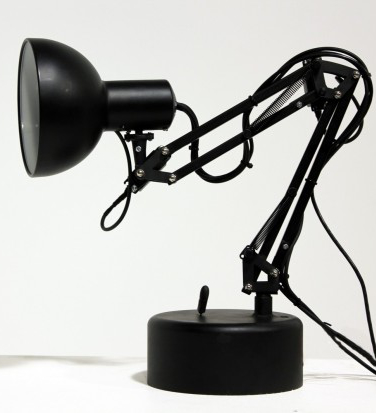
Pinokio is an exploration into the expressive and behavioural potentials of robotic computing. Customized computer code and electronic circuit design imbues Pinokio with the ability to be aware of its environment, especially people, and to expresses a dynamic range of behaviour. As it negotiates its world, we the human audience can see that Lamp shares many traits possessed by animals, generating a range of emotional sympathies. In the end we may ask: Is Pinokio only a lamp? – a useful machine? Perhaps we should put the book aside and meet a new friend.

FILE SÃO PAULO 2025: SYNTHETIKA – Daito Manabe and Kyle McDonald

TRANSFORMIRROR

Daito Manabe and Kyle McDonald

FILE SÃO PAULO 2025: SYNTHETIKA – Art and Technology – Installations
Electronic Language International Festival

Transformirror – Japan |  United States

When everything is imagined by AI—from music and images to prompts and titles—what’s it like to look in the mirror? This seminal study of real-time image generation, made possible in 2023 with Stable Diffusion XL-Turbo and Stable Audio, explores the future of media and interactivity. Can we better understand these systems by interacting with them physically, in real time?

BIO

Kyle McDonald creates immersive audiovisual installations and performances using computer vision, machine learning, and creative programming techniques to explore connections and shared futures between human beings. Daito Manabe combines technology and physical expression in collaborations such as Perfume and ELEVENPLAY with MIKIKO. Founder of Rhizomatiks, he has directed projects such as the closing ceremony of the Rio 2016 Olympics.


FILE SÃO PAULO 2025: SYNTHETIKA – Memo Akten & Katie Peyton Hofstadter

Boundaries

Memo Akten & Katie Peyton Hofstadter

FILE SÃO PAULO 2025: SYNTHETIKA – Art and Technology – Installations
Electronic Language International Festival


Boundaries – United States

Boundaries is a monumental work that explores the illusion of separation—between self and other, body and environment, matter and mind—and reflects on the interconnectedness of all things, from microorganisms to atoms forged in extinct stars. Created with custom code, AI, computer vision, digital painting, and dance, the work unites technology and bodily expression in an intimate and contemplative experience.

BIO

Memo Akten, a Turkish artist, musician, and researcher based in Los Angeles, creates speculative simulations about the relationship between humans and machines. With a PhD from Goldsmiths, he is a pioneer in the creative use of neural networks under human control. Katie Peyton Hofstadter is an artist, writer, and curator. Her work investigates the intersections between embodiment, technology, and consciousness, exploring how technologies shape cultural narratives and sensory experience.

FILE SÃO PAULO 2025: SYNTHETIKA – David Da Paz

Technosoma — Sensitive Circuits in the Flesh of the Machine

David Da Paz

FILE SÃO PAULO 2025: SYNTHETIKA – Art and Technology – WORKSHOP
Electronic Language International Festival


Tecnosoma — Sensitive Circuits in the Flesh of the Machine – Brazil

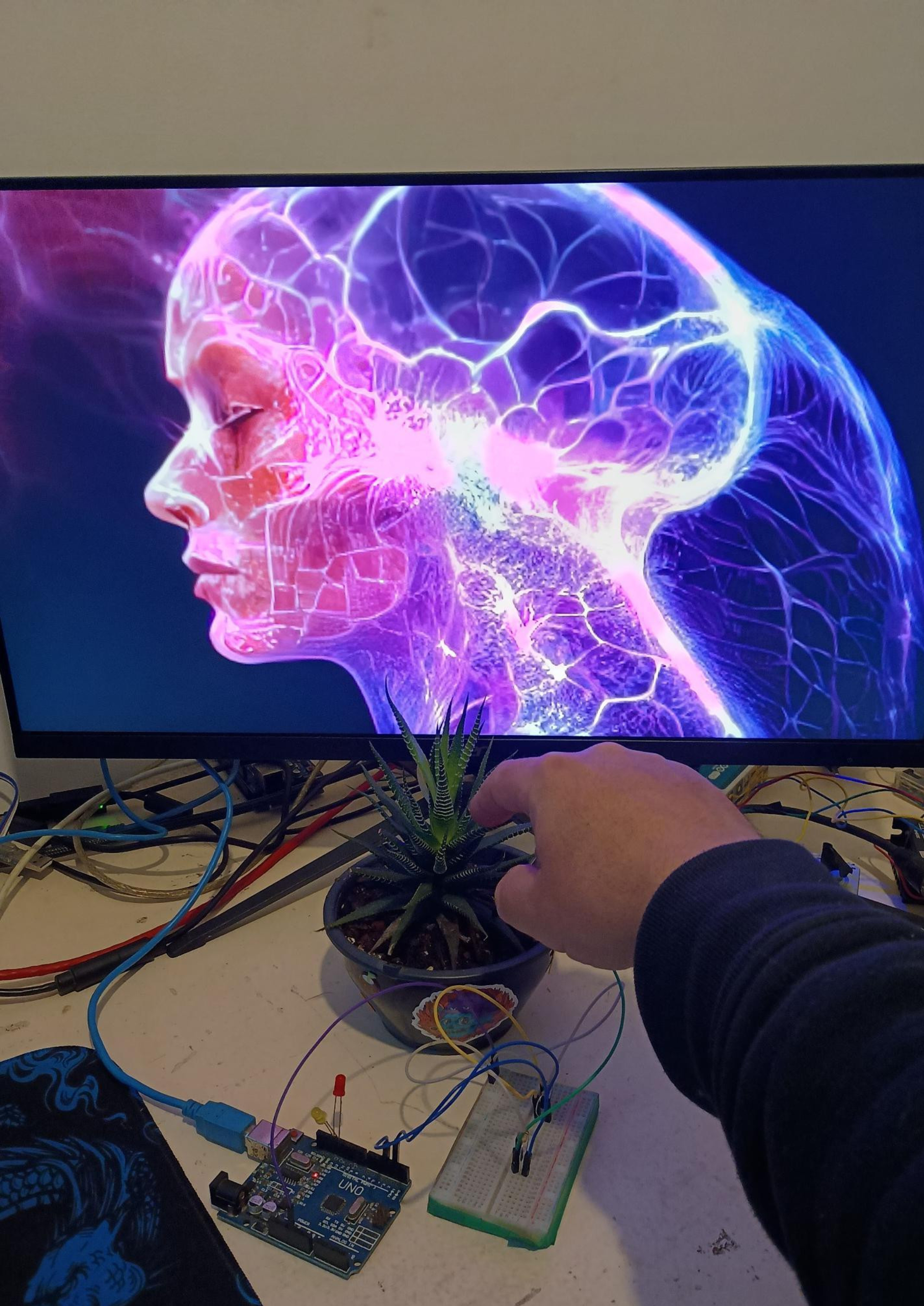
In this workshop, participants will explore the fusion of body, technology, and artificial intelligence, creating interactive experiences with capacitive sensors and real-time generative models. Inspired by the concept of the Technosome—the machine as a sensitive, pulsating organism—the workshop explores how human touch can generate electrical signals that trigger audiovisual, auditory, and light responses. Microcontrollers (Arduino and ESP32), generative AI, and sensory interactivity will be covered.

BIO

Artist, researcher, and developer specializing in AI, machine learning, and IoT, he has worked for over 10 years with interactive art, generative systems, and sensory installations. He participated in the Artropocode residency (Spain) and the Spontaneous Combustion Residency (London), exploring cyberurban performances and locative media.

FILE SÃO PAULO 2025: SYNTHETIKA – Jon Chambers

Approximations of a Body Part

Jon Chambers

FILE SÃO PAULO 2025: SYNTHETIKA – Art and Technology – Video Art
Electronic Language International Festival


Approximations of a Body Part – United States

A machine learning experiment that takes custom model outputs trained on 3D body scans and uses them in other model inputs. After a few cycles, the resulting videos depict terrifying, seductive and uncanny distant echoes of the original body.

BIO

Jon Chambers is an artist and educator based in New Orleans. His work explores how we negotiate our physical and virtual lives to highlight a fractured sense of self as we attempt to coalesce disparate echoes of reference into something coherent amidst the difficulty of manifesting or orienting oneself within approximation and simulation overload.

FILE SÃO PAULO 2025: SYNTHETIKA – Koral Alvarenga

Meka Talks — Além da carne, o aço

Koral Alvarenga

FILE SÃO PAULO 2025: SYNTHETIKA – Art and Technology – Video Art
Electronic Language International Festival


Meka Talks — Além da carne, o aço – Brazil

Meka talks are provocative dialogues between artist Koral Alvarenga and various machines, exploring the future of humanity. In this first encounter, the work reflects on the transition of humanity to a new state of existence, where the physical and biological limitations of the body are overcome by the durability and transformative potential of technology.

BIO

Koral Alvarenga is a digital artist with a degree in Visual Arts and a postgraduate degree from UNESP. Her research explores the intersection between the digital and the physical, using 3D modeling, digitization, virtual reality, and 3D printing. Her works address themes such as identity, post-humanism, and human connections, merging technology and art with a futuristic vision.

FILE SÃO PAULO 2025: SYNTHETIKA – Juan Manuel Escalante

Music for Control Panels

Juan Manuel Escalante

FILE SÃO PAULO 2025: SYNTHETIKA – Art and Technology – Video Art
Electronic Language International Festival


Music for Control Panels – Mexico

Music for Control Panels is an audiovisual exploration inspired by the aesthetics of machines and control rooms. In the tradition of electronic ambient music, sporadic acoustic events and drones guide the viewer through a contemplative journey. The visual component features a generative graphic score echoing projections of computer terminals, printers, and fax machines. The overall composition pays homage to the early computer systems using contemporary techniques.

BIO

Escalante is an artist and educator working with computer code, modular synthesizers, and analog drawings. His work has been shown in major festivals and exhibitions worldwide. Escalante holds a Ph.D. in Media Arts & Technology (University of California, Santa Barbara).

FILE SÃO PAULO 2025: SYNTHETIKA – Tim Murray-Browne

SELF ABSORBED

Tim Murray-Browne

FILE SÃO PAULO 2025: SYNTHETIKA – Art and Technology – Installations
Electronic Language International Festival


SELF ABSORBED – Scotland

SELF ABSORBED is an interactive installation exploring how AI interprets human identity. A custom model reads the visitor’s body, linking each pose to generative audiovisual output. Unlike human-designed interfaces built on reductive abstractions, this interaction emerges from unsupervised machine learning, forming a connection with a multidimensional, non-linear, and non-representational digital space.

BIO

Tim Murray-Browne is an interactive artist and creative coder. He creates installations and performances using the moving body to shape immersive experiences. His work questions what aspects of our humanity are lost as we entangle ourselves with the bureaucratic mechanics of AI and digital technologies.

Refik Anadol

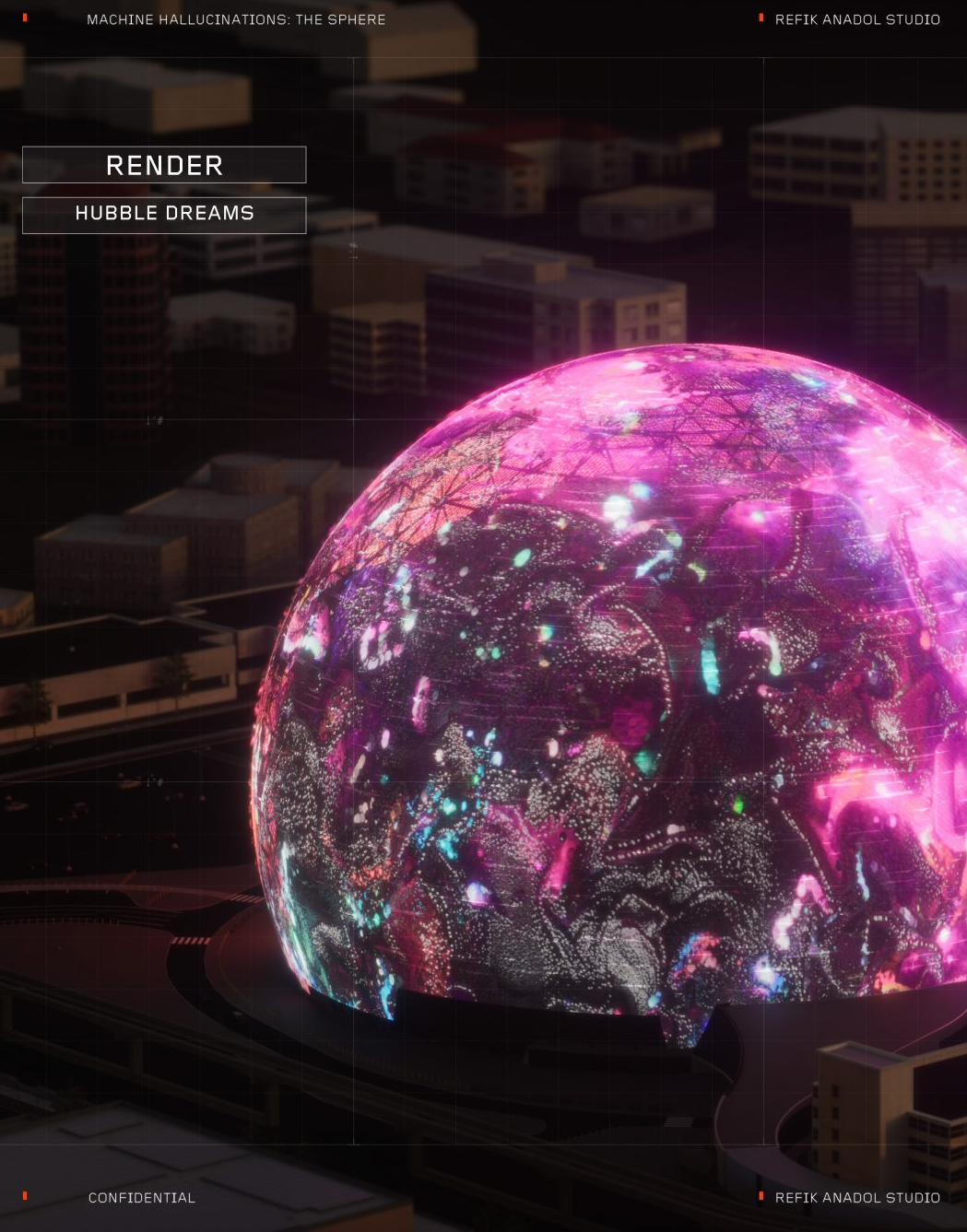
Machine Hallucinations — Sphere

The artwork presents a series of AI Data Sculptures that incorporates vivid pigments, shapes, and patterns, aiming to create a collective, meditative, and multisensory experience. This immersive experience simulates the rhythms of various environments and invites the visitors to imagine alternative realities constructed by invisible data movements around them.
Machine Hallucination: The Sphere features dynamic visualizations of data that are based on vast archives containing visual imageries of space and nature while celebrating the unique architecture of The Sphere. For this project, Anadol and his team used these themed datasets as the building blocks for the three distinct chapters of the artwork and trained a unique AI model with subsets of the collected image archives. After the training, when idle and unsupervised, the “machine mind” generates new aesthetic visuals and color combinations through unique lines drawn by algorithmic connections.

QUBIT AI: Paul Gründorfer & Leonhard Peschta

The Sea

FILE 2024 | Installations
International Electronic Language Festival

The Sea is an extraction of a complex natural phenomenon, resulting in an artificial emulation that develops a life form of its own. Just like the sea with its endless waves, this artificial system follows the impact of an immersive state, leading to a unique vision of an artificial generator. Despite appearing chaotic, it is capable of generating associations ranging from the movement of waves to science fiction scenarios.

Bio

Paul Gründorfer develops process-related systems and explores variable or unstable conditions in the occurrence of sound when exposed to amplification, feedback, and multiple signal streams. His works focus on processes that evolve in a social space. Leo Peschta is an artist and researcher. During his studies, he worked in various fields of media arts, including sound, installations and software, developing over the years a special interest in robotics and machinery.

Credits

Austrian Embassy

QUBIT AI: Matthias Oostrik

The Forgettable Art Machine

FILE 2024 | Installations

International Electronic Language Festival

The Forgettable Art Machine is an artificial intelligence-driven video installation. When facing the panel, the public has their image captured, starting a cycle of analysis, creation and destruction. From this data, a composite emerges, slowly transforming the visitors’ image into a generative visualization. Once the cycle is complete, the composition is deleted, waiting for a new audience to be captured.

Bio

Matthias Oostrik works at the intersection of digital art, installation art, cinema and architecture. His works establish unpredictable relationships between people and their surroundings. Using digital technology, his installations allow visitors to reshape their environment and their relationships with each other. Oostrik collaborates with renowned professionals and, above all, with his audience, who often become an integral part of his work.

Credits

Co-production: Zester
IA Music: Than van Nispen

QUBIT AI: Valentin Rye

Around The Milky Way

FILE 2024 | Aesthetic Synthetics
International Electronic Language Festival

Valentin Rye – Around The Milky Way

In the distant future, several species inhabit the Milky Way. This scenario inspired the video, aiming to portray various forms of life and evoke a plausible atmosphere. Using images he created, the artist experimented with Stable Video Diffusion, a new video generation method. The objective was to expand the limits of this neural network and improve its output, resulting in the conception of this video.

Bio

Valentin Rye is a self-taught machine whisperer based in Copenhagen, deeply passionate about art, composition and the possibilities of technology. He has been involved in AI and neural network image manipulation since starting DeepDream in 2015. While his IT work lacks creativity, he indulges in digital arts during his free time, exploring graphics, web design, video, animation and experimentation with images.

QUBIT AI: Valentin Rye

Space Odyssey 2002

FILE 2024 | Aesthetic Synthetics
International Electronic Language Festival
Valentin Rye – A Space Odyssey 2002 – Denmark

This video offers a surrealist take on futuristic sci-fi concepts from the 60s and 70s. Imagine a future colonization of Mars where interior design is given an avant-garde twist. It was created by brainstorming visual ideas, generating countless images, refining the best ones and assembling them into clips. After careful selection, these clips have been organized into a cohesive timeline, accompanied by atmospheric music to enhance the overall experience.

Bio

Valentin Rye is a self-taught machine whisperer based in Copenhagen, deeply passionate about art, composition and the possibilities of technology. He has been involved in AI and neural network image manipulation since starting DeepDream in 2015. While his IT work lacks creativity, he indulges in digital arts during his free time, exploring graphics, web design, video, animation and experimentation with images.

QUBIT AI: Robert Seidel

HYSTERESIS

FILE 2024 | Aesthetic Synthetics
International Electronic Language Festival
Robert Seidel – HYSTERESIS – Germany

HYSTERESIS intimately weaves a transformative fabric between Robert Seidel’s projections of abstract drawings and queer performer Tsuki’s vigorous choreography. Using machine learning to mediate these delayed re-presentations, the film intentionally corrupts AI strategies to reveal a frenetic, delicate and extravagant visual language that portrays hysteria and hysteresis in this historical moment.

Bio

Robert Seidel is interested in exploring abstract beauty through cinematic techniques and insights from science and technology. His projections, installations and award-winning experimental films have been presented at numerous international festivals, art venues and museums, highlighting his innovative approach to visual art.

Credits

Film: Robert Seidel
Music: Oval
Performer: Tsuki
Graphics: Bureau Now
5.1 Mixing: David Kamp
Support: Miriam Eichner, Carolin Israel, Falk Müller, Paul Seidel
Financing: German Federal Film Board