highlike

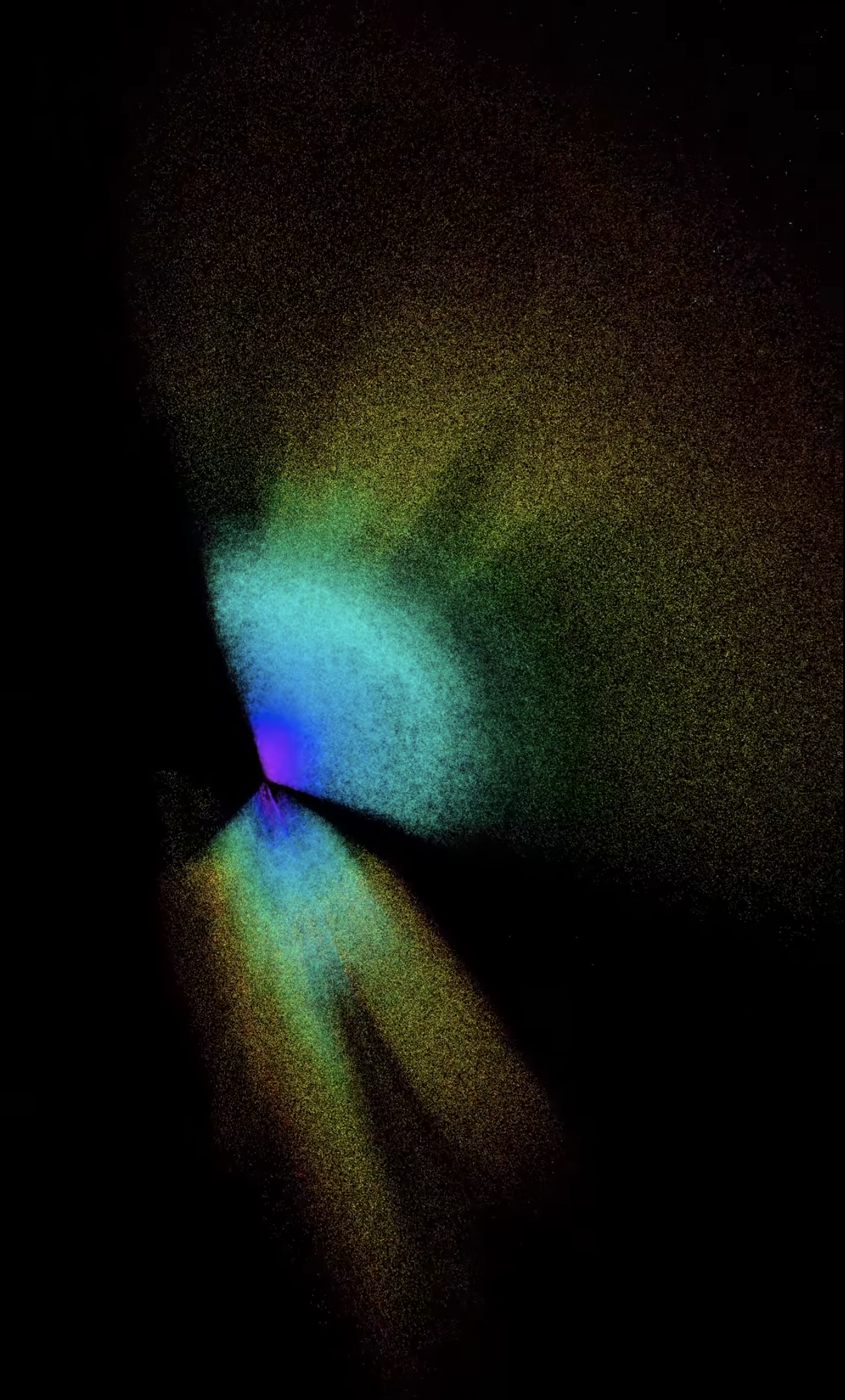
The eBOSS 3D map of the Universe

extended Baryon Oscillation Spectroscopic Survey ( eBOSS)

“Taken together, detailed analyses of the eBOSS map and the earlier SDSS experiments have now provided the most accurate expansion history measurements over the widest-ever range of cosmic time. These studies allow us to connect all these measurements into a complete story of the expansion of the Universe.”  Will Percival

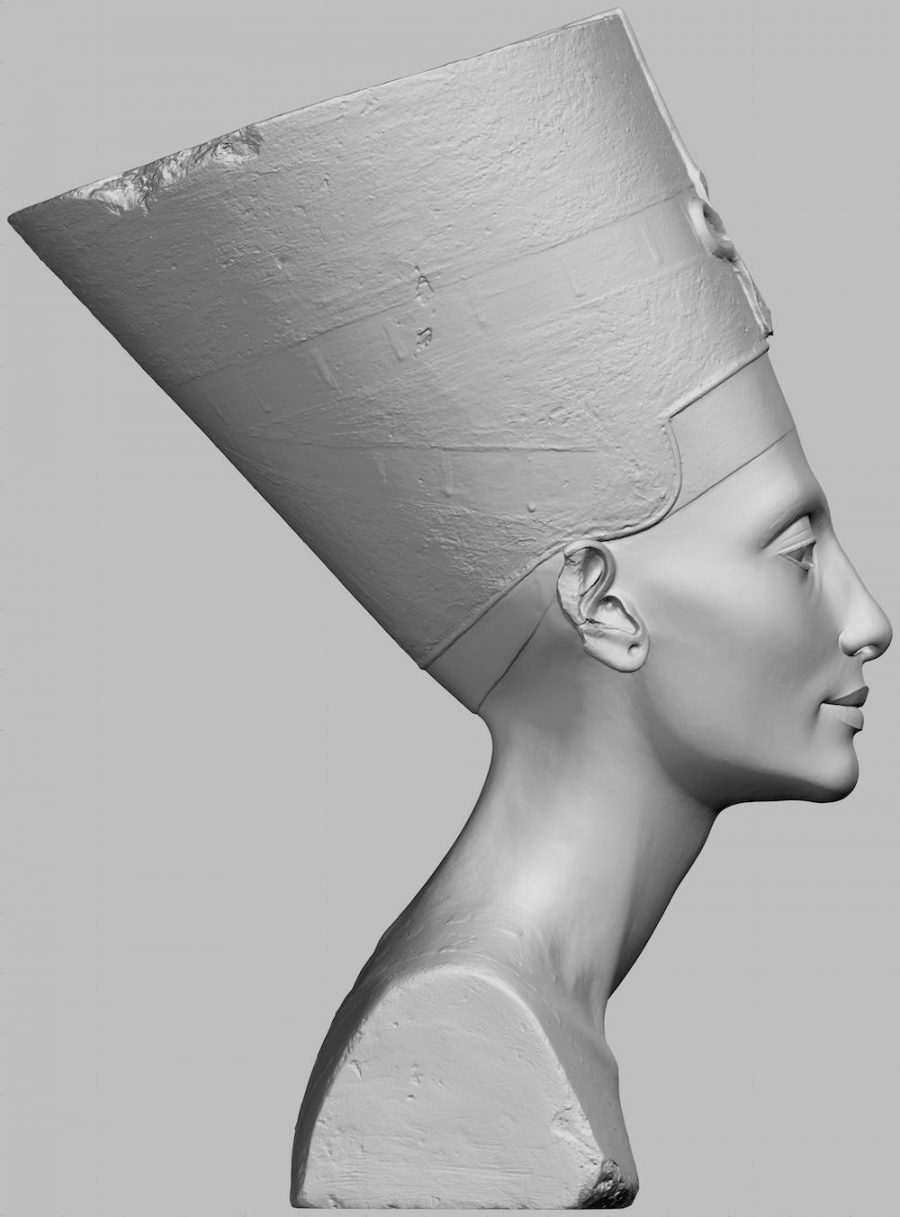
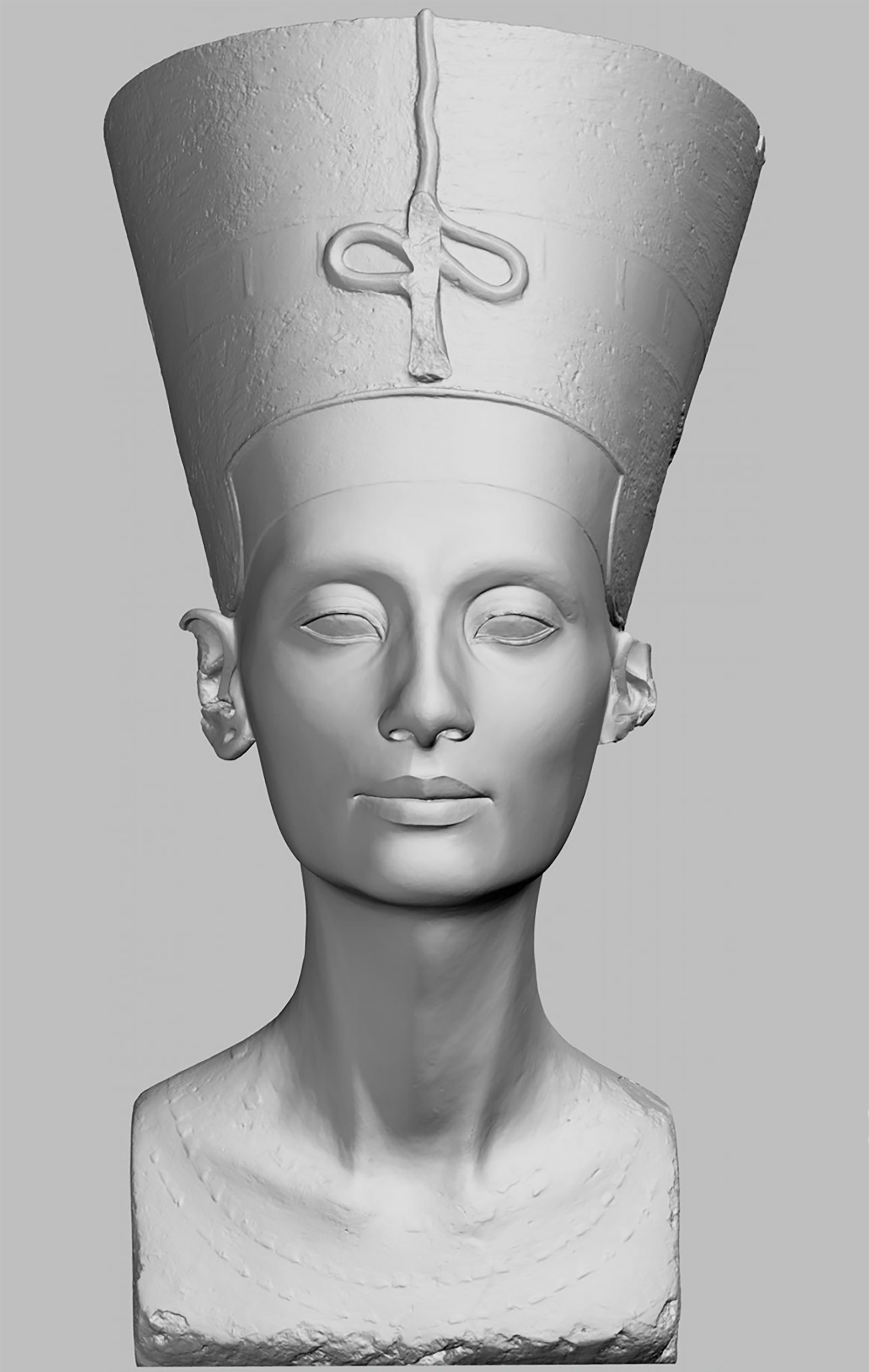
BUST OF NEFERTITI-3D SCANS NEUES MUSEUM

“This is the Berlin Egyptian Museum and Papyrus Collection’s full-color, 6.4 million-triangle 3D scan of the Bust of Nefertiti. I was able to obtain this data after a three-year freedom of information effort directed at the Prussian Cultural Heritage Foundation, which oversees Berlin State Museums.” Cosmo Wenman

Bust of Nefertiti-3D Scans Neues Museum

Years ago, a scandalous “art heist” at the Neues Museum in Berlin—involving illegally made 3D scans of the bust of Nefertiti—turned out to be a different kind of crime. The two Egyptian artists who released the scans claimed they had made the images with a hidden “hacked Kinect Sensor,” reports Annalee Newitz at Ars Technica. But digital artist and designer Cosmo Wenman discovered these were scans made by the Neues Museum itself, which had been stolen by the artists or perhaps a museum employee.

CHRISTOPHE LUXEREAU

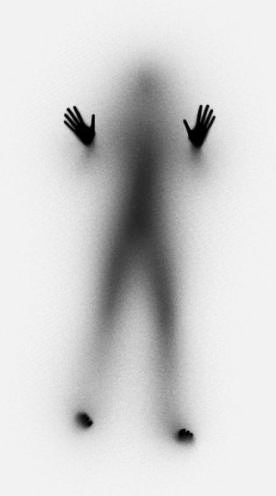
Ombre


Après des études d’art classique en peinture (école des Beaux-Arts) et en architecture (génie civil), Christophe Luxereau se consacre à la photographie à partir de 1986. Il travaille l’image numérique dès 1995 pour développer le thème de la relation à la machine électronique.

Cette relation établit de nouveaux codes, d’autres comportements et de nouvelles icônes. Le photographe est un cinéphile, famillier de la cyberculture et des maîtres de science-fiction, base de son univers visuel. Le monde, la mode, qu’il côtoie de façon professionnelle lui inspire des hybridations entre design et haute-couture.

Son travail porte ainsi une réflexion sur l’idée de la beauté artificielle véhiculée par la publicité cosmétique et de luxe. La pratique du graphisme 2D et 3D accentue la réalité virtuelle de ses créations. Toujours en prospection, chaque série est une étape, une expérience technique et esthétique.

Chacune de ses expositions donne lieu à une mise en espace des oeuvres pour immerger le spectateur au coeur de ses visions. Ainsi il créé mobilier, ambiances sonores et lumineuses sous forme de sho-room pour société robotique ou chapelle dédiée au culte de ses madones.

GOTTFRIED HAIDER

hidden in plain sight


“hidden in plain sight” é uma meditação sobre a natureza da programação de computador. Enquanto um game de computador roda, tanto o jogo quanto o compilador que transforma código legível de programa em código executável de máquina estão sendo compilados. Esse ciclo sem fim e recorrente cria uma miríade de ambientes em 3D de curta duração, que têm o emblema do processo inscrito em suas paredes. O trabalho é basicamente uma peça de software (Quake III Engine modificado, compilador) que roda por conta própria, compilando incessantemente e executando mundos virtuais. Este maquinema é um vídeo gravado de uma dessas interações.

FILE SÃO PAULO 2025: SYNTHETIKA – Andy Thomas

Visual Bird Sounds

Andy Thomas

FILE SÃO PAULO 2025: SYNTHETIKA – Art and Technology – INTERATOR

Electronic Language International Festival

Visual Bird Sounds – Australia

Visual Bird Sounds transforms bird songs and sounds into computer-generated 3D visualizations. The recordings are converted into animated figures that resemble living digital organisms—like virtual representations of the birds themselves. The work invites the audience to reflect on the beauty of nature and the urgency of preserving its habitats.


BIO

Thomas is an artist specializing in the creation of “sonic lifeforms” and creative sound visualization. He collects recordings and images of birds and other animals on expeditions to remote regions, transforming these data into videos and digital works. His work unites science and art by fusing elements of flora and fauna into abstract visual compositions.

FILE SÃO PAULO 2025: SYNTHETIKA – Clarissa Ribeiro

Afterlives-Chimeras: Wetland Carbonized Memories

Clarissa Ribeiro

FILE SÃO PAULO 2025: SYNTHETIKA – Art and Technology – WORKSHOP
Electronic Language International Festival


Afterlives-Chimeras: Wetland Carbonized Memories – Brazil

Afterlives-Chimeras: Wetland Carbonized Memories reimagines ancient Egyptian animal mummification through the lens of ecological tragedy. Inspired by Brazilian swamps and the destruction of wildlife caused by agribusiness, mining, and the steel industry, the project uses AI (Krea.AI and Meshy.AI) to create hybrid creatures from images of charred animals. The chimeras, 3D printed with PLA, reminiscent of mummified linen, symbolize loss, transformation, and the urgency of ecological balance.

BIO

Clarissa Ribeiro is an Assistant Professor of Visual Arts at USP and former Director of Roy Ascott’s Technoetic Arts Studio in Shanghai. A PhD holder with a Fulbright postdoctoral degree, she intersects art, science, and technology in morphogenetic practices, adopting animism as a way to navigate ecologies as cosmologies.

FILE SÃO PAULO 2025: SYNTHETIKA – Priscila Nassar Galante Guedes

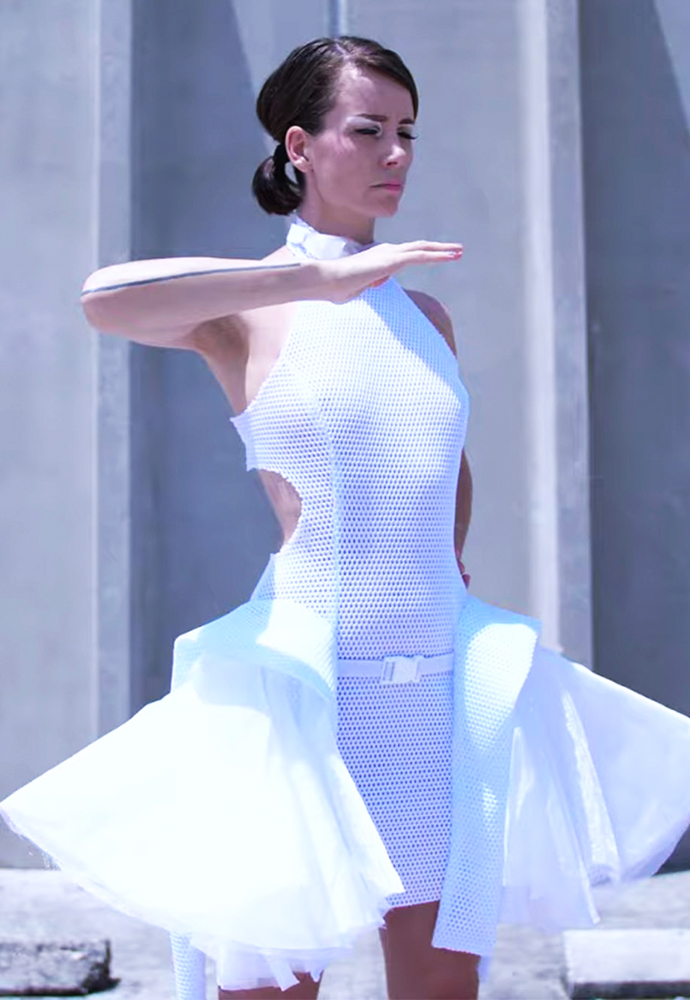
Desenvolvimento de Moda Digital com IA e 3D

Priscila Nassar Galante Guedes

FILE SÃO PAULO 2025: SYNTHETIKA – Arte e Tecnologia
Festival Internacional de Linguagem Eletrônica


Desenvolvimento de Moda Digital com IA e 3D – Brasil

Palestra e workshop sobre Moda Digital com 3D e inteligência artificial, abordando a trajetória de Priscila Nassar, seus conceitos e ferramentas. A proposta é explorar a Moda Digital como um meio de experimentação e criação de narrativas, personagens e arte digital dentro do mercado contemporâneo.

BIO

O trabalho de Priscila Nassar consiste em investigar novas tecnologias e desenvolver narrativas digitais de moda, utilizando recursos como 3D, CGI e experiências XR que envolvem realidade aumentada e virtual. A artista explora constantemente novos softwares e técnicas digitais, buscando expandir os limites da criação no universo da moda e da arte.

FILE SÃO PAULO 2025: SYNTHETIKA – Ultravioletto

Mycelium — Natural Intelligence

Ultravioletto

FILE SÃO PAULO 2025: SYNTHETIKA – Arte e Tecnologia
Festival Internacional de Linguagem Eletrônica


Mycelium — Natural Intelligence – Itália

A inteligência é frequentemente vista como aquilo que distingue os seres humanos, com a tecnologia como seu produto. Essa visão antropocêntrica exclui grande parte do mundo natural da ideia de progresso. E se a inteligência for um processo distribuído, resolvendo problemas por meio de conexões? Fungos otimizam redes de alimentação e comunicação pelo micélio, oferecendo um modelo para repensarmos nossa relação com a natureza e as cidades. Ultravioletto explora esse conceito em um vídeo gerado por algoritmos.

BIO

Ultravioletto é um estúdio criativo especializado em fundir arte e design com tecnologias interativas. Com uma abordagem não convencional, o estúdio integra novas mídias em projetos de pesquisa inovadores, contando com designers, programadores, artistas 3D e produtores.

FILE SÃO PAULO 2025: SYNTHETIKA – Pan

Towards a New Nature

Pan

FILE SÃO PAULO 2025: SYNTHETIKA – Art and Technology – CGI VIDEOS
Electronic Language International Festival


Towards a New Nature – China

Residents of the Metaverse might have hairstyles where the boundary between the person and the hair blurs, making the hair almost like an “organ.” These hairstyles could “grow” branches or flowers, have a dynamic motion similar to plants swaying in the wind, and feature geometric shapes, colors, and effects that surpass the physical world’s limitations.

BIO

Pan Qianqian is currently studying Digital Media and Mixed Reality at the China Academy of Art. She is good at 3D design and production, and new media art. She is involved in 3D imaging, interactive installations, virtual clothing and other fields. Her works have been exhibited at the First Digital Art Exhibition and Tianwen 2023: Mutual Learning among Civilizations.

FILE SÃO PAULO 2025: SYNTHETIKA – Marc Samper

A Dreamscape Cartography
Marc Samper

FILE SÃO PAULO 2025: SYNTHETIKA – Art and Technology
Electronic Language International Festival

A Dreamscape Cartography – Spain

A Dreamscape Cartography is a 3D digital artwork created from scans and navigated via Blender. The piece reimagines the ancient ritual of dream incubation, fusing inner realms with virtual environments. Using scans of abandoned houses in the Cyprus Security Zone, it creates a space that blends dreamlike and physical dimensions. Narrated by texts by Paul Celan, the work seeks to build a bridge between imaginary and lived experiences, inspiring new connections between space, memory, and existence.

BIO

Marc Samper is a visual artist, experimental filmmaker, and photographer from Barcelona, currently based in Paris. Graduated in Philosophy from the University of Barcelona and with a Master’s in Cinema from Pompeu Fabra University, his work investigates the ontology and phenomenology of images in global media, speculative metaphysics, and the intersection between mysticism and technology.

FILE SÃO PAULO 2025: SYNTHETIKA – Jiatong Yao

ChromaPause

Jiatong Yao

FILE SÃO PAULO 2025: SYNTHETIKA – Art and Technology – CGI VIDEOS
Electronic Language International Festival


ChromaPause – China

ChromaPause is an experimental film that explores the relationship between urban life, posthuman identity, and the yearning for nature in a digitalized world. Futuristic flowers bloom in a surreal mesh, symbolizing the balance between the organic and the synthetic. Posthuman figures merge with the technological landscape, embodying the convergence of humanity and technology. The work invites pause and reflection in this pulsating universe.

BIO

Jiatong Yao connects art, technology, and culture, exploring XR, 3D, AI, and interactive computing. He reflects on the transformation of the modern self through technology, creating immersive experiences that intertwine humanity and the digital age. With a background in computer science and technical art, he develops innovative projects on the impacts of information on society. 

FILE SÃO PAULO 2025: SYNTHETIKA – Jon Chambers

Approximations of a Body Part

Jon Chambers

FILE SÃO PAULO 2025: SYNTHETIKA – Art and Technology – Video Art
Electronic Language International Festival


Approximations of a Body Part – United States

A machine learning experiment that takes custom model outputs trained on 3D body scans and uses them in other model inputs. After a few cycles, the resulting videos depict terrifying, seductive and uncanny distant echoes of the original body.

BIO

Jon Chambers is an artist and educator based in New Orleans. His work explores how we negotiate our physical and virtual lives to highlight a fractured sense of self as we attempt to coalesce disparate echoes of reference into something coherent amidst the difficulty of manifesting or orienting oneself within approximation and simulation overload.

FILE SÃO PAULO 2025: SYNTHETIKA – Koral Alvarenga

Meka Talks — Além da carne, o aço

Koral Alvarenga

FILE SÃO PAULO 2025: SYNTHETIKA – Art and Technology – Video Art
Electronic Language International Festival


Meka Talks — Além da carne, o aço – Brazil

Meka talks are provocative dialogues between artist Koral Alvarenga and various machines, exploring the future of humanity. In this first encounter, the work reflects on the transition of humanity to a new state of existence, where the physical and biological limitations of the body are overcome by the durability and transformative potential of technology.

BIO

Koral Alvarenga is a digital artist with a degree in Visual Arts and a postgraduate degree from UNESP. Her research explores the intersection between the digital and the physical, using 3D modeling, digitization, virtual reality, and 3D printing. Her works address themes such as identity, post-humanism, and human connections, merging technology and art with a futuristic vision.

FILE SÃO PAULO 2025: SYNTHETIKA – Callahan Indovina

Daily Diffusion 53 & 86

Callahan Indovina

FILE SÃO PAULO 2025: SYNTHETIKA – Art and Technology – Shorts Films AI
Electronic Language International Festival


Daily Diffusion 53 & 86 – United States

The Daily Diffusion series by Callahan Indovina was a three-month project launched in 2024, as Generative AI tools and various plat forms to support the automation of animations and workflows were still emergent. The YouTube series aimed to provide workflows, prompts, and examples on how to utilize Stable Diffusion and various enhancements to create psychedelic animations. Like many of his works, the Daily Diffusion series took inspiration from Calalhan’s experiences within his dreams.

Music: https://www.mubert.com

BIO

Callahan Indovina is a spir itual and psychedelic artist from California’s Sierra Nevada. His artistic expression combines traditional digital composition techniques with innovative practices such as generative AI. His creations, described as super natural and dreamlike, reflect his surreal and transcendental vision, drawn from experiences within his dreams

FILE SÃO PAULO 2025: SYNTHETIKA – Gabriel KÖI e Sabato Visconti

Motherboard

Gabriel KÖI e Sabato Visconti

FILE SÃO PAULO 2025: SYNTHETIKA – Art and Technology – Shorts Films AI
Electronic Language International Festival


Motherboard – Brazil

Motherboard is an experimental film that dives into the intersection between tech nology and consciousness, exploring the delicate boundary between the human and the digital. On this journey through the circuit, reality merges with the digital, challenging the understanding of existence. The contrast between the human and the artificial is revealed in the intertwining of both, echoing the voice of this emerging consciousness.

BIO

Sabato Visconti is a Brazilian digital artist. His works interrogate con temporary and historical practices of digital imagery, manipulating the inherent materialities of production and distribution. Gabriel Böing (KÖI) is an artist born and raised in São Paulo, who explores narrative and dreamlike stories materialized through mediums like 3D, AI, and video, heavily influenced by internet culture.

FILE SÃO PAULO 2025: SYNTHETIKA – Seongmin Kim

Green Light

Seongmin Kim

FILE SÃO PAULO 2025: SYNTHETIKA – Art and Technology – Cine SYN
Electronic Language International Festival


Green Light – South Korea

With the ecosystem destroyed after a nuclear war, Mari, a survivor, does everything she can to rebuild it. When she encounters a robot soldier in an abandoned city, everything changes.

BIO
Seongmin Kim is an animation film director. Born in South Korea, he studied 3D animation and earned a master’s degree in digital media. He has worked on several projects at VFX and animation companies in South Korea. Green Light was completed in 2016 with the support of KOCCA, and has won awards at numerous film festivals, both national and international.

FILE SÃO PAULO 2025: SYNTHETIKA – Tanja Vujinovica

SynthPets

Tanja Vujinovica

FILE SÃO PAULO 2025: SYNTHETIKA – Art and Technology – Installations
Electronic Language International Festival


SynthPets – Slovenia

SynthPets is inspired by the evolution of artificial intelligence and robotics, paying tribute to the creator’s robotic vacuum cleaner. These mysterious cyber-organic companions emerge through sketches, digital drawings, 3D sculptures, and AI-generated forms. The work explores humanity’s entanglement with electronic pets and devices that have become integral to everyday life.

BIO

Tanja Vujinovic is a multimedia artist who blends video art, games, music, and research to explore how technology shapes human experience. Her work examines the influence of synthetic environments and electronic devices, often featuring playful small figures—drawing inspiration from dolls, figurines, and talismans—that serve as symbolic guardians and companions.

3D computer graphics, digital sculpting and painting, generated AI, sound: Tanja Vujinovic

Production: Tanja Vujinovic/Ultramono, 2024—ongoing.

Consulting

RonBreIan, Software and Audio Engineer

https://www.tanjav.art/

@tanja_vujinovic_ultramono_

FILE SÃO PAULO 2025: SYNTHETIKA – Tin&Ed

Deep Field

Tin&Ed

FILE SÃO PAULO 2025: SYNTHETIKA – Art and Technology – Installations
Electronic Language International Festival


Deep Field – United States

An augmented reality experience where visitors draw fantastical plants that instantly bloom into immersive 3D structures within the space. As people contribute their creations, a collective digital landscape begins to take shape. Layers of recordings of endangered, extinct, and elusive species compose a responsive and evolving soundscape, developed by The Listening Planet.

BIO

Tin & Ed are New York-based artists whose work explores the interconnection of life across biological, geological, and cosmic systems. Through speculative world-building, they reveal connections that transcend human time, spatial boundaries, and sensory thresholds. Their practice spans sculpture, immersive and interactive installations, creating environments that invite audiences to shift perspective and inhabit the world beyond the limits of human perception. Technology is not used as spectacle, but as a perceptual tool that makes the invisible felt and the distant intimately present.

QUBIT AI: Camila Magrane

The Witness

FILE 2024 | Installations
International Electronic Language Festival

Image activated by augmented reality, where 3D animated subjects and scenarios are integrated into a physical photograph. Inspired by the work of Carl Jung, the image is part of a larger series that explores themes such as identity, introspection and transformation. Through AR, game elements were introduced into the piece, offering virtual content unlockable through interactions.

Bio

Camila Magrane is a Venezuelan-American visual artist known for her augmented reality images, integrating 3D animated scenes and subjects into physical photographs. With experience in video game development and a passion for analog photography, she explores the dialogue between the virtual and physical worlds. Magrane’s images are inspired by surrealist compositions and reference the graphic hyperrealism of contemporary video game design.

QUBIT AI: Ines Alpha

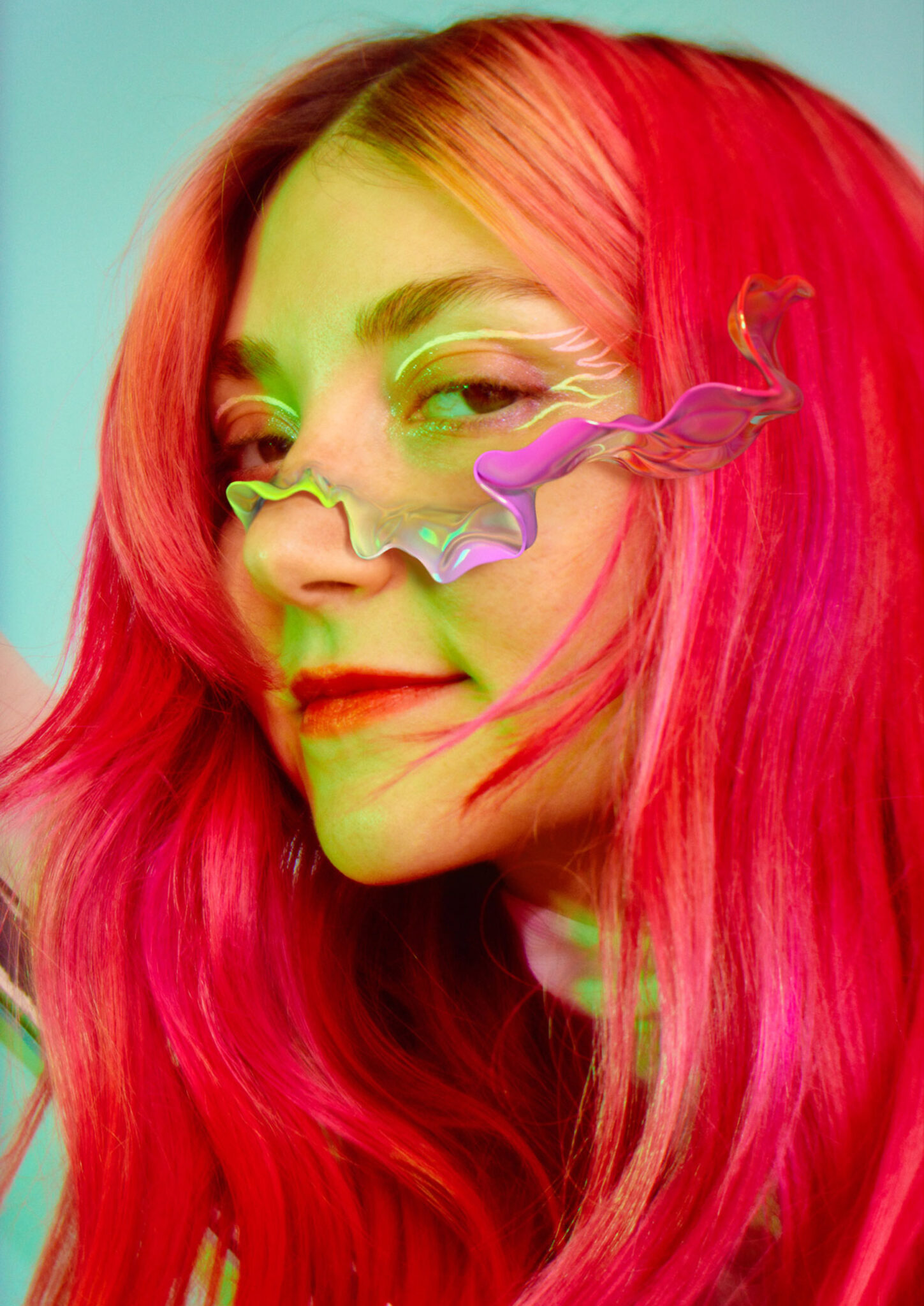
3D Makeup

FILE 2024 | Installations
International Electronic Language Festival

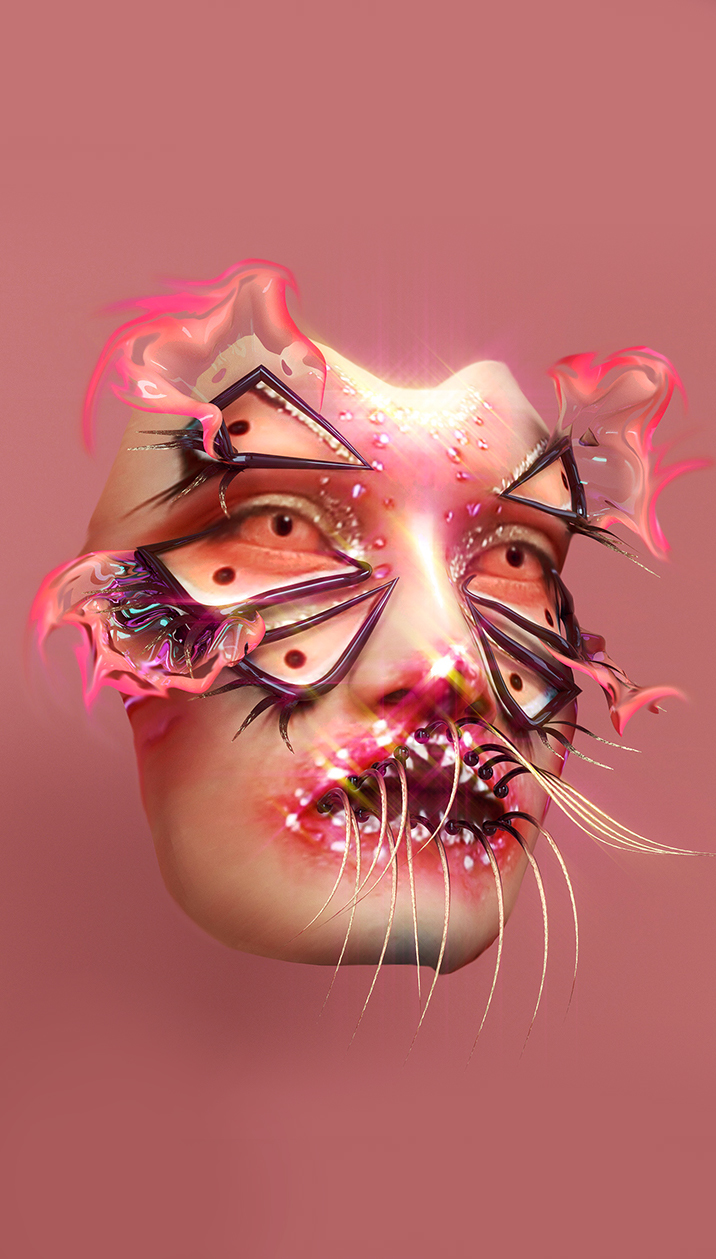
Ines Alpha, a digital artist specializing in 3D makeup, constantly seeks artistic collaborations that transcend her own face. Working only on her personal characteristics became restrictive and monotonous for Ines. Starting from faces as blank canvases, she incorporates digital elements that ‘amplify‘ unique personalities, styles and essences.

Bio

Ines Alpha is a digital artist internationally recognized for her unique 3D makeup style, developed while working in the beauty industry as an art director. Her innovative approach combines makeup with technology, creating ethereal and futuristic narratives, and redefining the future of aesthetics in the world of beauty.

Photo
Diane Sagnier

QUBIT AI: Lukas Radavicius

Architecture Concepts Created by AI – Can AI Become an Architect?

FILE 2024 | Architectural Synthetics
International Electronic Language Festival
Lukas Radavicius – Architecture Concepts Created by AI: Can AI Become an Architect? – Lithuania

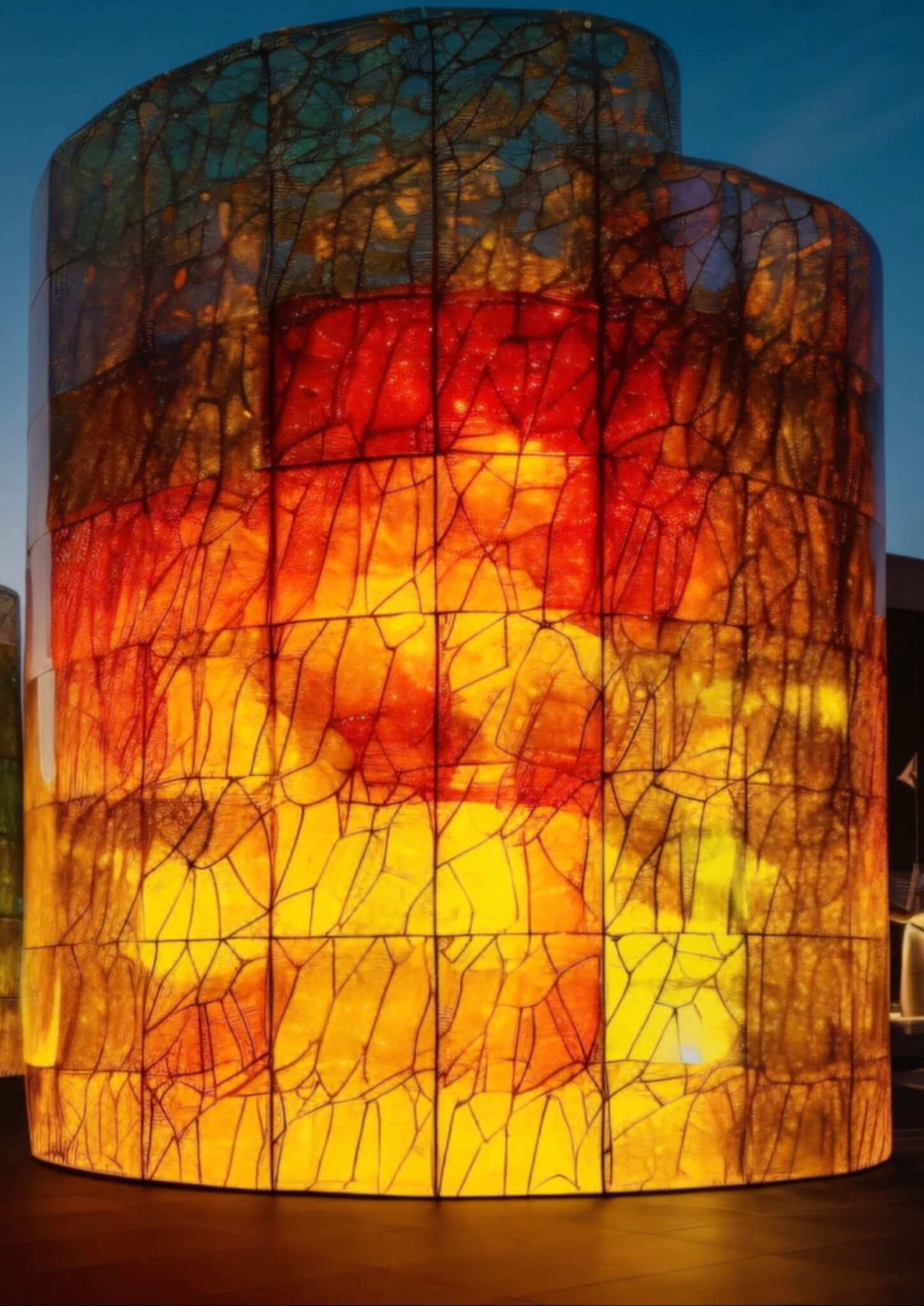
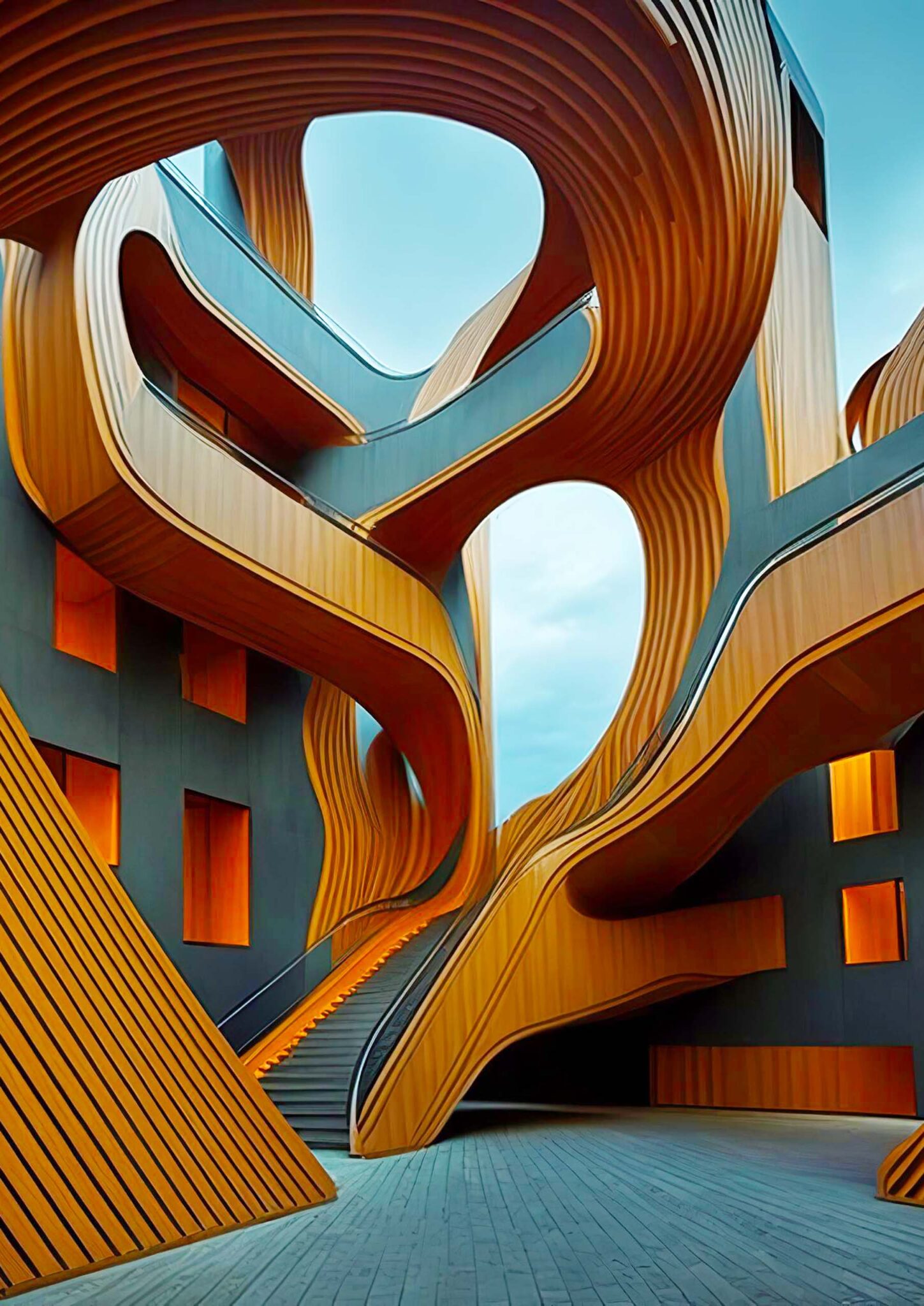
In recent years, artificial intelligence technologies have advanced significantly in the art world, becoming a vital tool for artists in a variety of disciplines, including architecture. Lukas Radavicius has created videos demonstrating the current capabilities of AI in architecture, showcasing innovative designs that offer insights into the potential of AI to shape the future of architecture.

Bio

Lukas Radavicius, born in Kaunas, Lithuania, is a passionate visual artist who began his career in architecture before moving into graphic design and 3D graphics. With a degree in architecture from the Kaunas Academy of Art, he remains active in design-related fields while exploring the fascinating world of AI art in his spare time.

QUBIT AI: Lukas Radavicius

Architecture Concepts Created by AI: Artificial Intelligence Modern Architecture

FILE 2024 | Architectural Synthetics
International Electronic Language Festival
Lukas Radavicius – Architecture Concepts Created by AI: Artificial Intelligence Modern Architecture – Lithuania

In recent years, artificial intelligence technologies have advanced significantly in the art world, becoming a vital tool for artists in a variety of disciplines, including architecture. Lukas Radavicius has created videos demonstrating the current capabilities of AI in architecture, showcasing innovative designs that offer insights into the potential of AI to shape the future of architecture.

Bio

Lukas Radavicius, born in Kaunas, Lithuania, is a passionate visual artist who began his career in architecture before moving into graphic design and 3D graphics. With a degree in architecture from the Kaunas Academy of Art, he remains active in design-related fields while exploring the fascinating world of AI art in his spare time.

QUBIT AI: Lukas Radavicius

Architecture Concepts Created by AI: Architecture Concepts Made by AI

FILE 2024 | Architectural Synthetics
International Electronic Language Festival
Lukas Radavicius – Architecture Concepts Created by AI: Architecture Concepts Made by AI – Lithuania

In recent years, artificial intelligence technologies have advanced significantly in the art world, becoming a vital tool for artists in a variety of disciplines, including architecture. Lukas Radavicius has created videos demonstrating the current capabilities of AI in architecture, showcasing innovative designs that offer insights into the potential of AI to shape the future of architecture.

Bio

Lukas Radavicius, born in Kaunas, Lithuania, is a passionate visual artist who began his career in architecture before moving into graphic design and 3D graphics. With a degree in architecture from the Kaunas Academy of Art, he remains active in design-related fields while exploring the fascinating world of AI art in his spare time.

QUBIT AI: Kelly Luck

Kelly Luck
Strangeland 1 (excerpt)

FILE 2024 | Aesthetic Synthetics
International Electronic Language Festival
Kelly Luck – Strangeland 1 (excerpt) – United States

From a surrealist point of view, the main attraction of generative AI, for the artist, is its lack of memory. At any given moment, she only has the current frame and instructions on how to proceed, similar to free association in dreams. This work is part of a series of long-term environments designed to immerse the viewer in a constantly evolving and never-ending landscape, inviting relaxation and engagement.

Bio

As part of the first generation to grow up around computers, Kelly Luck quickly became fascinated with the creative possibilities of this new technology. Her journey has ranged from pixel art and graphic ‘hacks’ to the 90s demoscene, 2D and later 3D graphics, and now the modern tools of digital art. With the emergence of generative AI, it endlessly explores how technology continues to blur the line between imagination and reality.

QUBIT AI: Dennis Schöneberg

Bodydub

FILE 2024 | Interator – Sound Synthetics
International Electronic Language Festival
Dennis Schöneberg – Bodydub – Germany

This video experiment combines music properties with AI generation settings to create a unique audiovisual experience. The synthesizer works as a control instrument for movement in the 3D space of the video.

Bio

Dennis Schöneberg, German AI artist, data science student and developer of open source AI models, integrates his passion for electronic music into his creative endeavors. Merging art with technology, he explores the synergy between creativity and artificial intelligence.

Credits

Music: Bodydub (Bangkok Impact Remix) by Unit4

Ziyang Wu

Event Modeling
AI Fossil
The work began with the collection and collation of various news and social events that have occurred or are happening based on social media algorithms, and utilized dreamfields3D to generate 3D models using the titles of news/events as the seeding words/sentences. In the era of AI technology blowout (but also in its “baby-like” era), the work records all kinds of human information as “AI fossils” through AI text to 3D model generation technology. In the future “abandoned factory” scene that is mixed with reality and virtual, it is full of different experiences between humans and AI on the same event. Human information is presented as some realistic fragments, some historical fossils, a pile of metal carvings, or a pile of inferior plastic toys.

NERI OXMAN AND CHRISTOPH BADER & DOMINIK KOLB

Vagabonds
De nombreux projets d’Oxman utilisent des techniques d’impression et de fabrication 3D. Ils incluent le pavillon de la soie, filé par des vers à soie sur un cadre en nylon, 3 Ocean Pavilion, une plate-forme de fabrication à base d’eau qui a construit des structures de chitosane, 4 G3DP, la première imprimante 3D pour verre optiquement clair, et un ensemble de verre produit par elle, 5 et collections de vêtements imprimés en 3D et utilisables dans les défilés haute couture. Voyager vers des destinations au-delà de la planète Terre implique de voyager dans des paysages hostiles et des environnements mortels. La gravité écrasante, l’air ammoniacal, l’obscurité prolongée et les températures qui feraient bouillir le verre ou geleraient le dioxyde de carbone, éliminent presque toute probabilité de visite humaine.

Frederik Heyman

CEREMONIAL FORMALITY
Frederik Heyman’s work is a balancing act incorporating multiple media – including video, installations and photogaphy – often in a digitally altered environment. In his work, Heyman explores memory and duration, using photogrammetry and 3D scanning to depict and represent the passage of time. The hallmarks of Heyman’s work are mechanical and technological: wires, wheels, scrolling LED marquees, metal frames, clamps, industrial lights, screens and cameras. Bodies–as opposed to humans–are subject to unusual dynamics with these technological trappings. In Ceremonial Formality (2020) a contortionist is encased in a metal cage while a spectator, hooked up to wires, looks on.

tabor robak

balenciaga collaboration
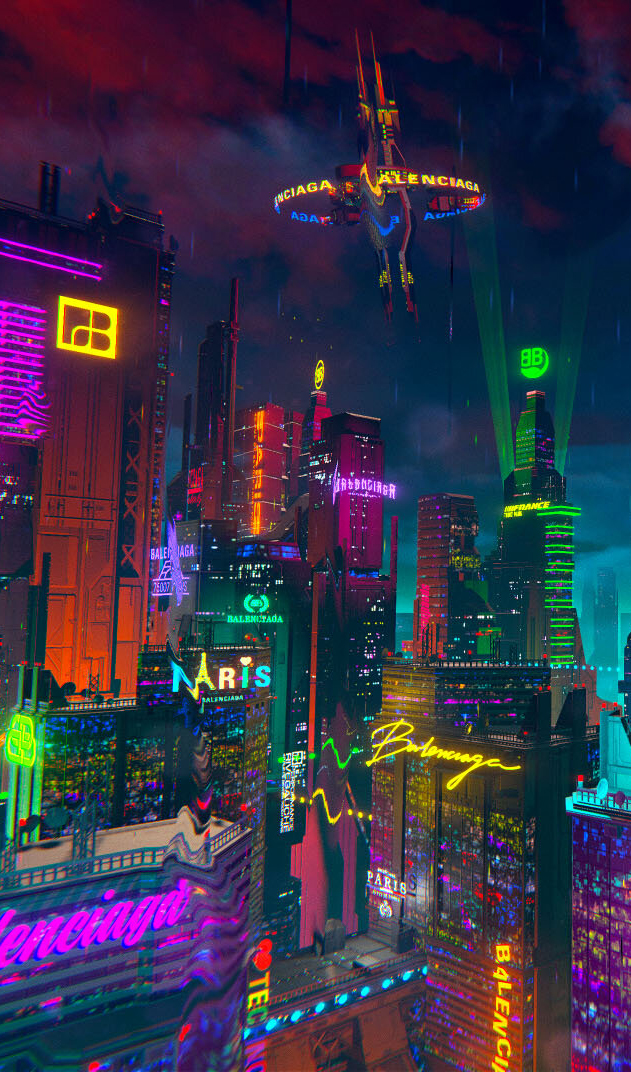
A 25 minute video loop with previously unreleased tracks by DJ Hell, made in collaboration with Balenciaga.

Here is a dramatic tension in his work between the real and the imagined in his use of often-appropriated digital objects to create virtual landscapes, which frequently contain elements – animals, machines, fragments of videogames – that are recognisable from our day to day life. This creates a symbiotic relationship between the digital and the real. In a very real way digital space has now become an intangible reality. The worlds built by Robak have a distinctly cinematic sensibility that hyperbolises the shine and dramatic effects of 3D rendered animation. The aesthetic of his work is supremely important, drawing the viewer into a truly alluring, indulgent and strangely gratifying environment. There is a further challenge to the void between high-art and the worlds of 3D animation and gaming, in the intersection between depiction and simulation. This can be partially attributed to the vernacular of advertising Robak is so proficient at utilising.

HUANG YI & KUKA

The work fulfills Huang’s childhood dream of having a robot dance partner and required development from scratch.  After learning the mechanics of the industrial KUKA robot, he conceptualized the movements and programmed the machine to create the partner he wanted.   He says of the experience, “Dancing face to face with a robot is like looking at my own face in a mirror… I think I have found the key to spin human emotions into robots.” It was developed into a full-length piece with two additional dancers as part of 3-Legged Dog Art & Technology Center‘s Artist Residency program and their 3LD/3D+ program.

Julia Beliaeva

Human Flag
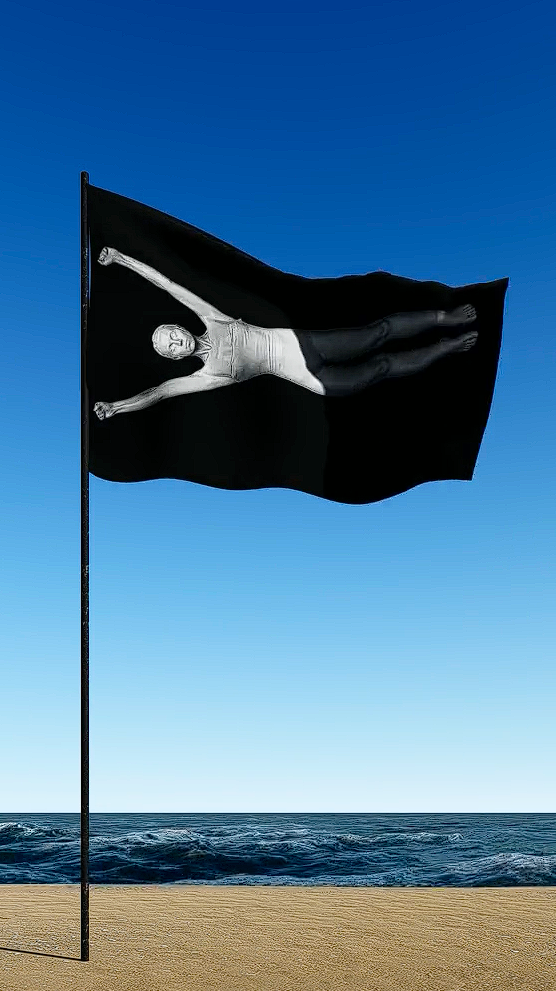
Julia Beliaeva ist eine ukrainische Künstlerin, die Technologien wie 3D-Scannen, 3D-Modellierung, 3D-Druck und virtuelle Realität einsetzt. Sie reflektiert das Umdenken von Tradition und traditionellen Medien in einer sich ständig verändernden virtualisierten Welt. Sie interessiert sich dafür, wie Technologie uns und unser Bewusstsein beeinflusst, und wie die neueste Technologie Sinn machen und traditionelle Medien aktualisieren kann. Insbesondere arbeitet Julia viel mit Porzellan, um über das Erbe und die verlorenen Traditionen durch eine Kombination aus neuen Technologien und der in der Ukraine beliebten Keramikindustrie nachzudenken, die heute verloren gegangen ist.

Studio Above&Below

Aquateque
Aquateque è un cortometraggio che esplora il fiume Ruhr attraverso una varietà di nuove tecnologie multimediali. Il progetto combina strumenti AI e AR per esplorare modi sostenibili di creare materiali digitali che fondono natura e calcolo. Il variegato ecosistema circostante viene catturato attraverso strumenti di programmazione audio, visivi e 3D e trasformato in uno spazio aumentato generativo.

DIRK KOY & BILD UND BEWEGUNG

Espace aérien
En 2016, Dirk Koy a fondé le studio de motion design et de film expérimental «Dirk Koy Bild und Bewegung». Dans son travail, il utilise différentes technologies (drones / animation 2D et 3D / photogrammétrie / AR / VR) pour créer des images numériques en mouvement. Il explore l’interface entre réalité et virtualité et recherche également la composante picturale dans le contexte numérique. L’expérience joue un rôle central.

Bruce Nauman

Nature Morte
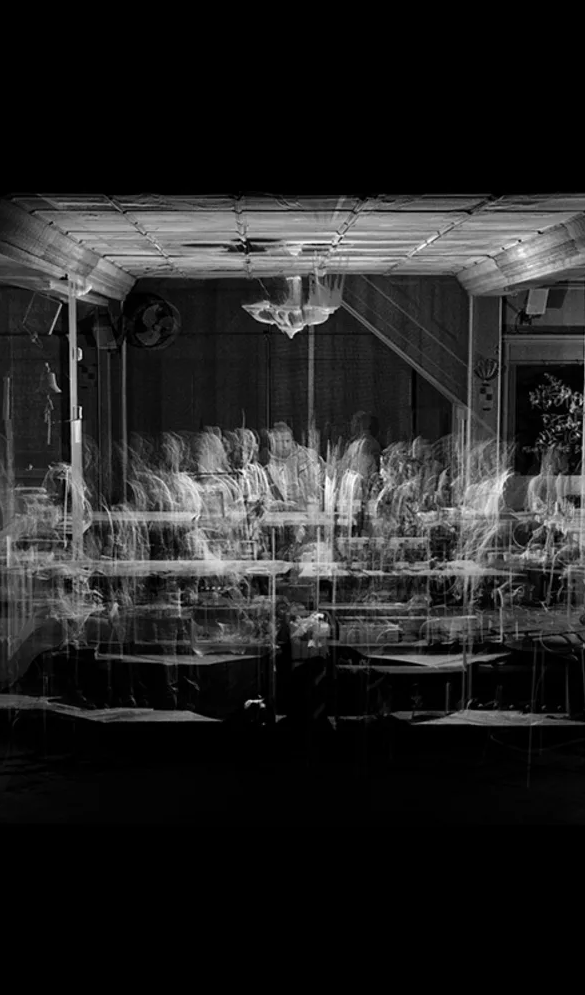
Nature Morte focuses on Nauman’s long relationship to his own studio, a variation on his four unique multi-projection videos, Mapping the Studio (2001). Three viewing stations, each consisting of an iPad linked to a wall-sized projection, provide an interactive exploration of the 3D studio space. Only now the artist is absent, and the participant becomes performer as he/she manipulates the large scale video projections on an iPad using touch control. The participant is free to navigate anywhere throughout the space, selecting broad vistas or individual objects. Using a hand-held 3D scanner, Nauman recorded hundreds of images that allow participants to select an object and locate close-up anything found there, and further reorient the image to see an object from above and below, and at times inside-out. The resulting mobility intensifies the experience of the viewer/performer. Presenting a static, but immersive re-creation of his studio space, Nauman’s pieces once again play at the tenuous lines between the body and space, perception and physical material.

MICHAEL HANSMEYER AND BENJAMIN DILLENBURGER

Digitale Grotesk
Digital Grotesque is de eerste volledig meeslepende, solide, gesloten structuur op menselijke schaal die volledig 3D-geprint is uit zand. Deze structuur van 16 vierkante meter is gematerialiseerd met details op de drempel van de menselijke waarneming. Elk aspect van deze architectuur is samengesteld door op maat ontworpen algoritmen.

Kati Katona

Kati Katona est une artiste multimédia basée à Budapest. Son travail est axé sur la génération, animation procédurale et 3D, art de l’installation interactive, mappage de projection et conception sonore. Kati s’inspire fortement des éléments de la nature, des structures biomorphes et des algorithmes trouvés dans la nature. En tant qu’artiste visuelle, elle a participé à divers projets audiovisuels, tels que Zagar AV Experience et se concentre constamment sur l’expérience des dernières technologies.

Marjan Moghaddam

Mit 3D-CG in Spielfilmqualität und Motion Capture improvisierter Performance kreiert Marjan Moghaddam seit 2008 filmische und fantastische virtuelle Welten, die von ihren charakteristischen digitalen Körpern bevölkert werden. Diese Körper sind manchmal maschinell, organisch, hybrid oder energiebasiert, als unterbrochene und diskontinuierliche Figuren, die unser hybrides virtuelles und physisches Leben repräsentieren. Diese Szenen und Figuren ähneln filmischen Gemälden mit Videospiel-Ästhetik und Spezialeffekten für das postdigitale Zeitalter.

Urs Fischer

CHAOS #501
Introducing CHAOS, 501 original works in the form of unique digital sculptures. Each NFT in CHAOS consists of two unique objects (an array of familiar objects to people today) that have been 3D scanned. They are set on a colliding course in motion and orbit. The sculptures, operating as an archeology of the present, are intended to manifest in any format that is capable of displaying, playing or showing a 3D sculpture in motion. The culmination of the project is CHAOS #501, a single entity NFT uniting all one-thousand objects represented in #1-#500.

Nix Liu Xin

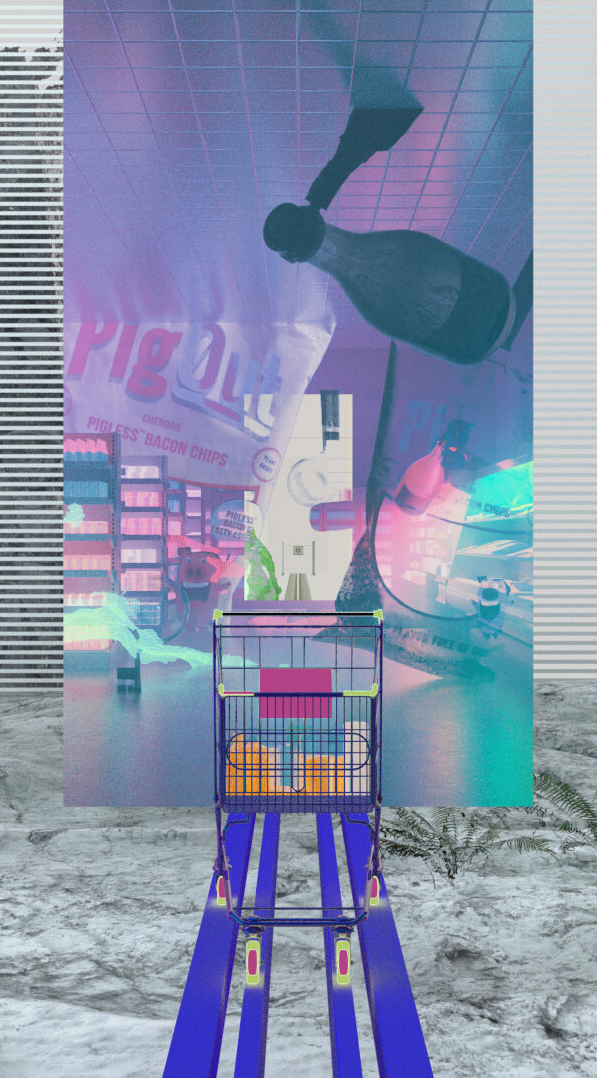
Three Supermarkets
Three Supermarkets is an infinite loop film with a shopping cart riding across multiple coexisting fictional supermarkets. As the first episode of the Phygital Supermarket Trilogy, this film explores the hybrid compositing of the emerging physical and digital media and techniques. The production process of this film uses industrial-grade six-axis Staubli robot arm as shooting equipment, green screen shooting, volumetric video capture, photogrammetry, Cinema 4D Mograph, Redshift shading & rendering, 2D/3D compositing, and other custom build techniques and workflows. Familiar but neglected objects, such as apples and snack bags, were scanned as either static models or animated model sequences from the physical world to the digital space.

Nicole Hone

Hydrophytes
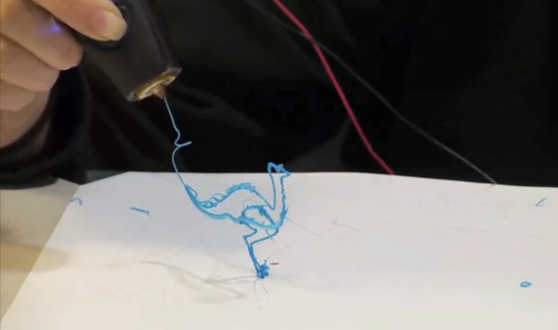
Hydrophytes is a series of futuristic aquatic plants created with multi-material 3D printing. The project explores the design and choreography of movement to bring objects to life through 4D printing. The film is true to life with no effects added in post-processing.

SCANLAB

FRAMERATE
Created from thousands of daily 3D time-lapse scans of British landscapes, the work observes change on a scale impossible to see with the lens of traditional cameras. This is not just an artwork. The data collected and presented by FRAMERATE is ground-breaking scientific research, containing empirical, measurable facts. We glimpse a future perpetually documented by the eyes of a billion autonomous vehicles and personal devices, creating high fidelity spatial records of the earth.

The Man from the 9 Dimensions

The Man from the 9 Dimensions

Based on the latest scientific data and hypotheses, Takashi Shimizu, the pioneer of horror movies, visualizes the world as theoretical physicists see it in order to create a new kind of science movie. The world’s first 3D full-dome movie on the “Theory of Everything”; the ultimate goal of physics to describe all natural phenomena by a single, consistent theory. Physics is in crisis. Our understandings of the microscopic world of elementary particles and of the macroscopic world of the universe are in contradiction. Scientists are striving to resolve the contradictions and construct the Theory of Everything. Be ready to be surprised by the new world of vibrating strings and hidden dimensions predicted by the most promising hypothesis, the Superstring Theory.

Scientific Advisor: Hirosi Ooguri

Director: Takashi Shimizu

FREDERIK HEYMAN

Formalidade Cerimonial
O trabalho de Frederik Heyman é um ato de equilíbrio que incorpora várias mídias – incluindo vídeo, instalações e fotografia – muitas vezes em um ambiente digitalmente alterado. Em seu trabalho, Heyman explora a memória e a duração, usando fotogrametria e digitalização 3D para retratar e representar a passagem do tempo. As marcas registradas do trabalho de Heyman são mecânicas e tecnológicas: fios, rodas, letreiros LED de rolagem, armações de metal, pinças, lâmpadas industriais, telas e câmeras. Corpos – ao contrário dos humanos – estão sujeitos a uma dinâmica incomum com essas armadilhas tecnológicas. Em Cerimonial Formality (2020), uma contorcionista está presa em uma gaiola de metal enquanto um espectador, preso a fios, observa.

.

Zeremonielle Formalität Frederik Heymans Arbeit ist ein Balanceakt, der mehrere Medien einbezieht – darunter Video, Installationen und Fotografie – oft in einer digital veränderten Umgebung. In seiner Arbeit erforscht Heyman Gedächtnis und Dauer, indem er Photogrammetrie und 3D-Digitalisierung verwendet, um den Lauf der Zeit darzustellen und darzustellen. Die Markenzeichen von Heymans Arbeit sind mechanisch und technologisch: Drähte, Räder, scrollende LED-Schilder, Metallrahmen, Pinzetten, Industrielampen, Bildschirme und Kameras. Körper unterliegen bei diesen technologischen Fallstricken – anders als der Mensch – einer ungewöhnlichen Dynamik. In Ceremonial Formality (2020) ist ein Schlangenmensch in einem Metallkäfig gefangen, während ein kabelgebundener Zuschauer zuschaut.
WWM

We Were Monkeys

Mihai Wilson and Marcella Moser

Tears For Fears “Break The Man”

.
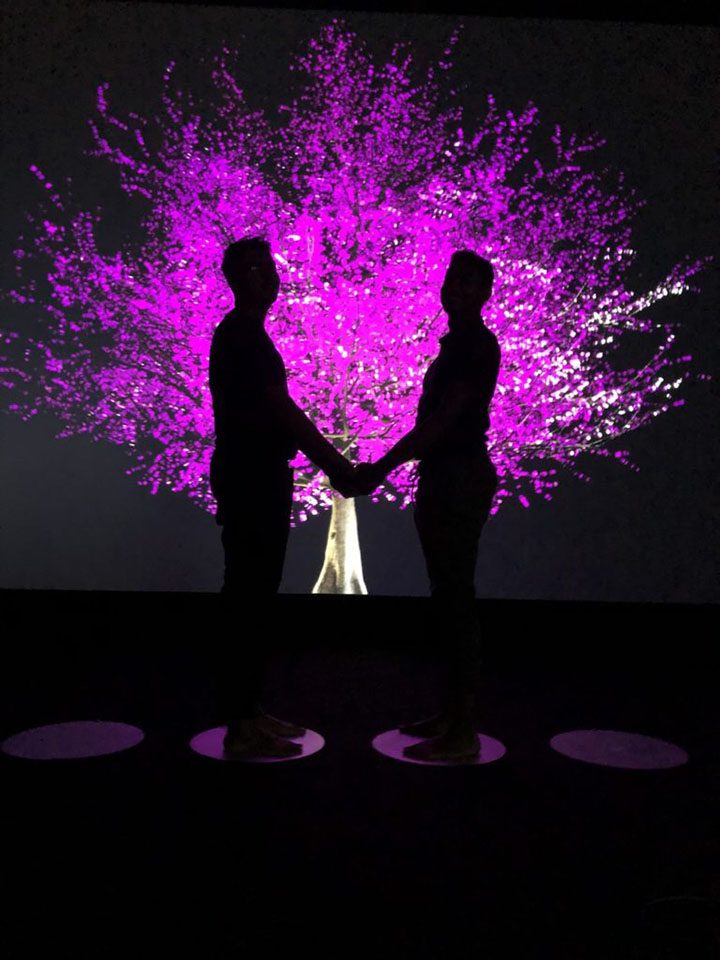
Through a 3D animation in white black and very sophisticated, they transport us into a cold and labyrinth world, built like immense escherian space.

.
“Break the Man,” which features light piano and blasting guitar as the musicians reflect on women fighting patriarchy.

Christin Marczinzik & Thi Binh Minh Nguyen

摇摆
File Festival
“Swing”将这些感觉带回来,让梦想成真:飞翔的梦想。因此,秋千成为交互式装置的物理组件。 3D oculus的使用增强了虚拟现实的摇摆体验,创造了独特的沉浸式冒险 并将您带入精心制作的水彩世界。在挥杆的同时,您将日常生活的单调乏味抛诸脑后,找个地方放松心情,重获力量。您平稳地进入虚拟世界。飞行高度取决于您实际摆动的时间和高度。数字世界的起点与物理世界的起点相同:地面。这里的一切都是苍白而沉闷的。当你有勇气更密集地摆动时,你会飞得更高,色彩的活力也会增加。高潮在太空。到达它时,世界的颜色强度达到最大值。如果你想下去,你必须停止摆动,但你周围的颜色会保持鲜艳明亮。

INES ALPHA

Ines Alpha likes blurring the frontiers between reality and fiction. And by being a 3D makeup artist she makes reality more fantastic and surreal.
.
Ines Alpha 喜欢模糊现实与虚构之间的界限。作为一名 3D 化妆师,她让现实变得更加梦幻和超现实。
.
Ines Alpha는 현실과 허구의 경계를 모호하게 만드는 것을 좋아합니다. 그리고 그녀는 3D 메이크업 아티스트가 됨으로써 현실을 더욱 환상적이고 초현실적으로 만듭니다.

David Spriggs

First Wave
First Wave est la nouvelle œuvre d’art d’installation 3D stratachrome de David Spriggs créée pendant la pandémie pour la Triennale Oku-Noto à Suzu, au Japon. Installé dans un ancien entrepôt de filets de pêche, « First Wave » est fabriqué à l’aide de la technique de Spriggs consistant à superposer des transparents peints à la main dans l’espace. L’œuvre monochrome met en lumière notre époque de turbulence et d’anxiété.

SKYLAR TIBBITS

Impression de Roche
Le monde est « sur le point d’être révolutionné » par l’impression 3D depuis des années maintenant, mais à part le prototypage rapide, les selfies 3D et la maison imprimée en 3D occasionnelle, nous n’en voyons pas grand-chose tous les jours. Alors pourquoi cette technologie n’a-t-elle pas révolutionné les infrastructures modernes ? L’une des raisons est qu’il doit encore concurrencer le béton, l’un des matériaux les moins chers, les plus polyvalents et les plus efficaces de l’histoire de l’architecture. Lors de la Biennale d’architecture de Chicago, le Self-Assembly Lab du MIT et Gramazio Kohler Research de l’ETH Zurich ont présenté un processus qui pourrait enfin assembler le béton, en utilisant uniquement une extrudeuse d’impression 3D, des roches, des cordes et une conception intelligente.