highlike

Yoshi Sodeoka – Spike – Japan / United States

SPIKE

Yoshi Sodeoka


FILE SÃO PAULO 2026: Inter-creativity – Art and Technology – Randomic Dimension
Electronic Language International Festival


Spike – Japan / United States

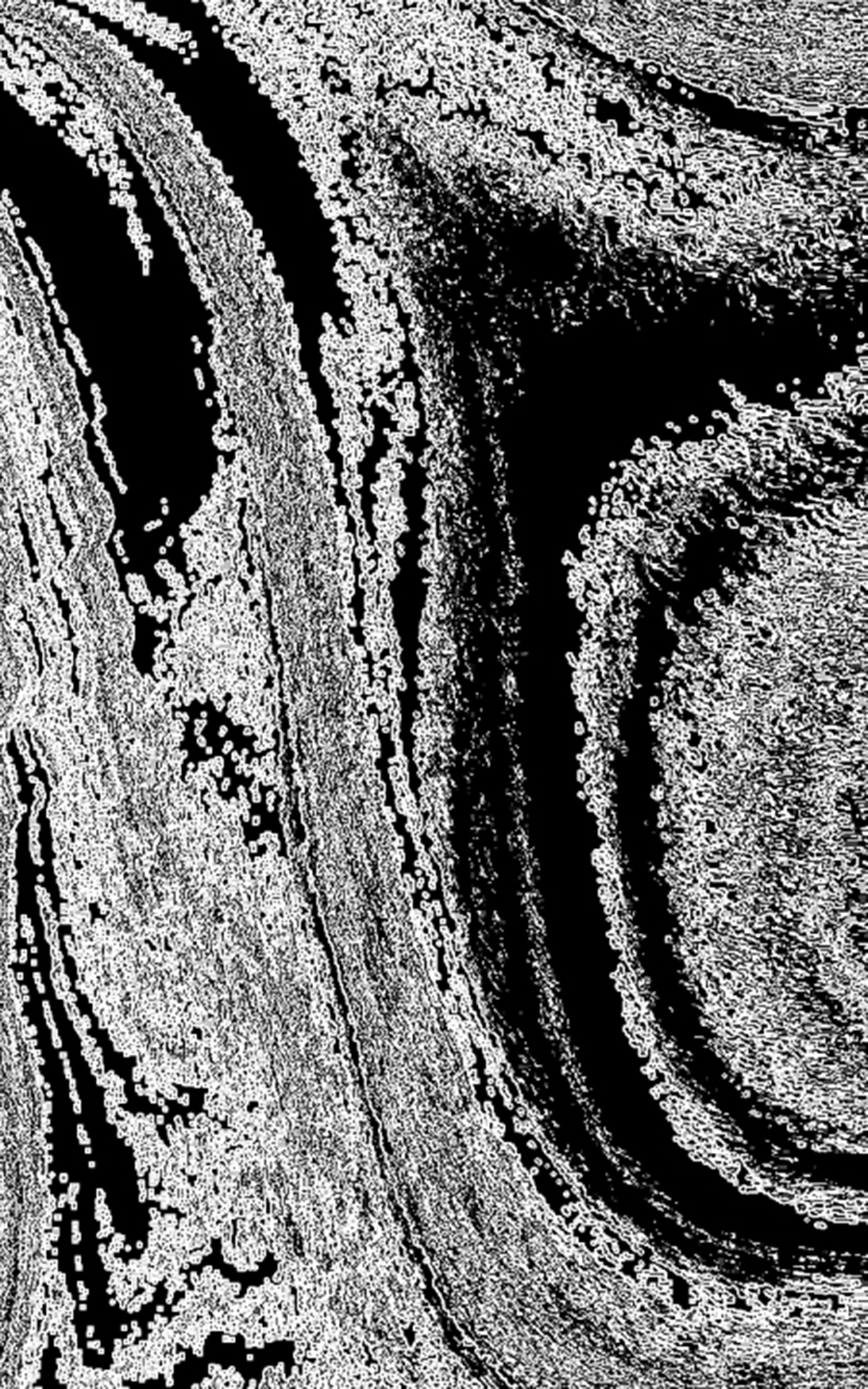
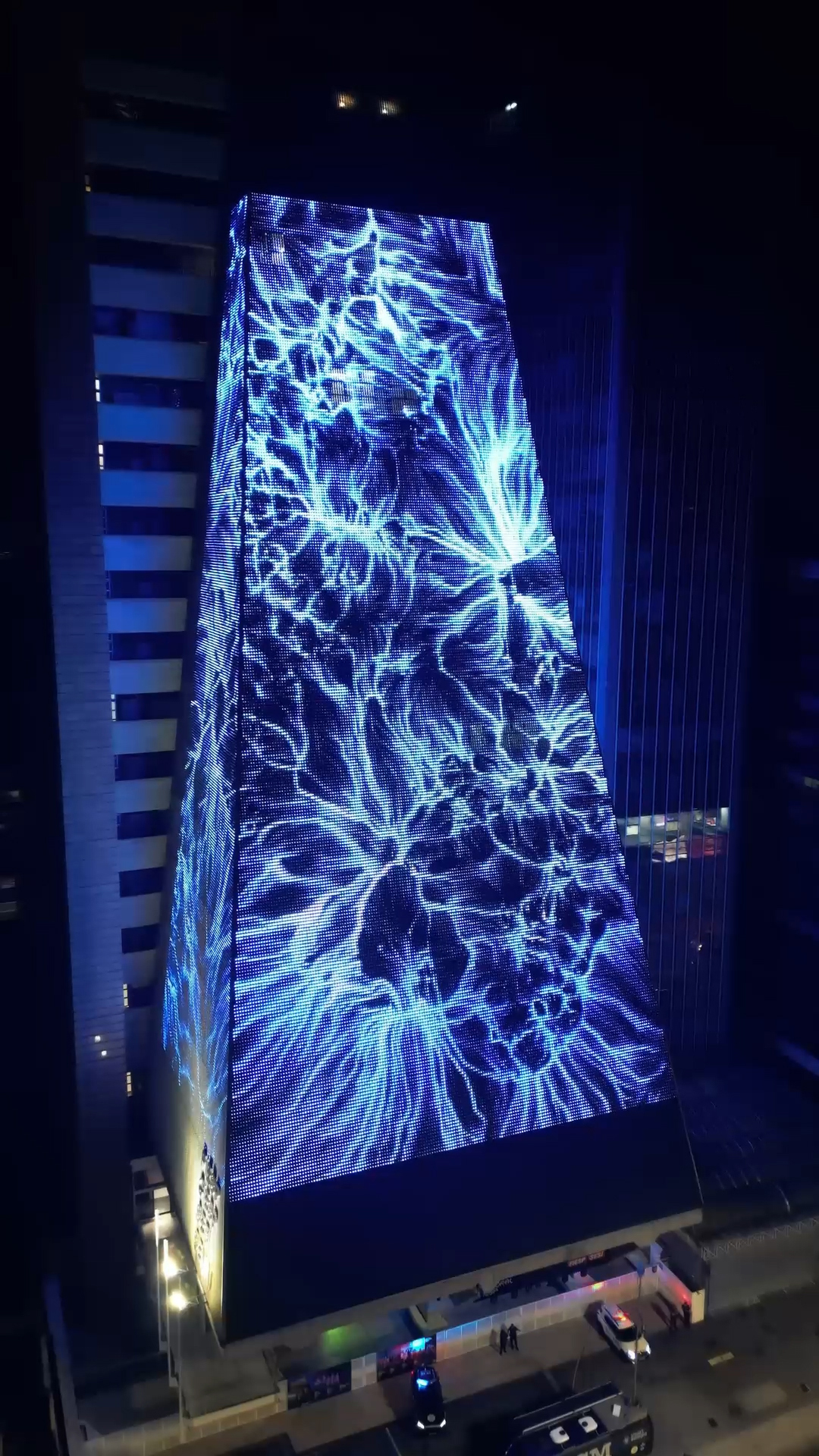
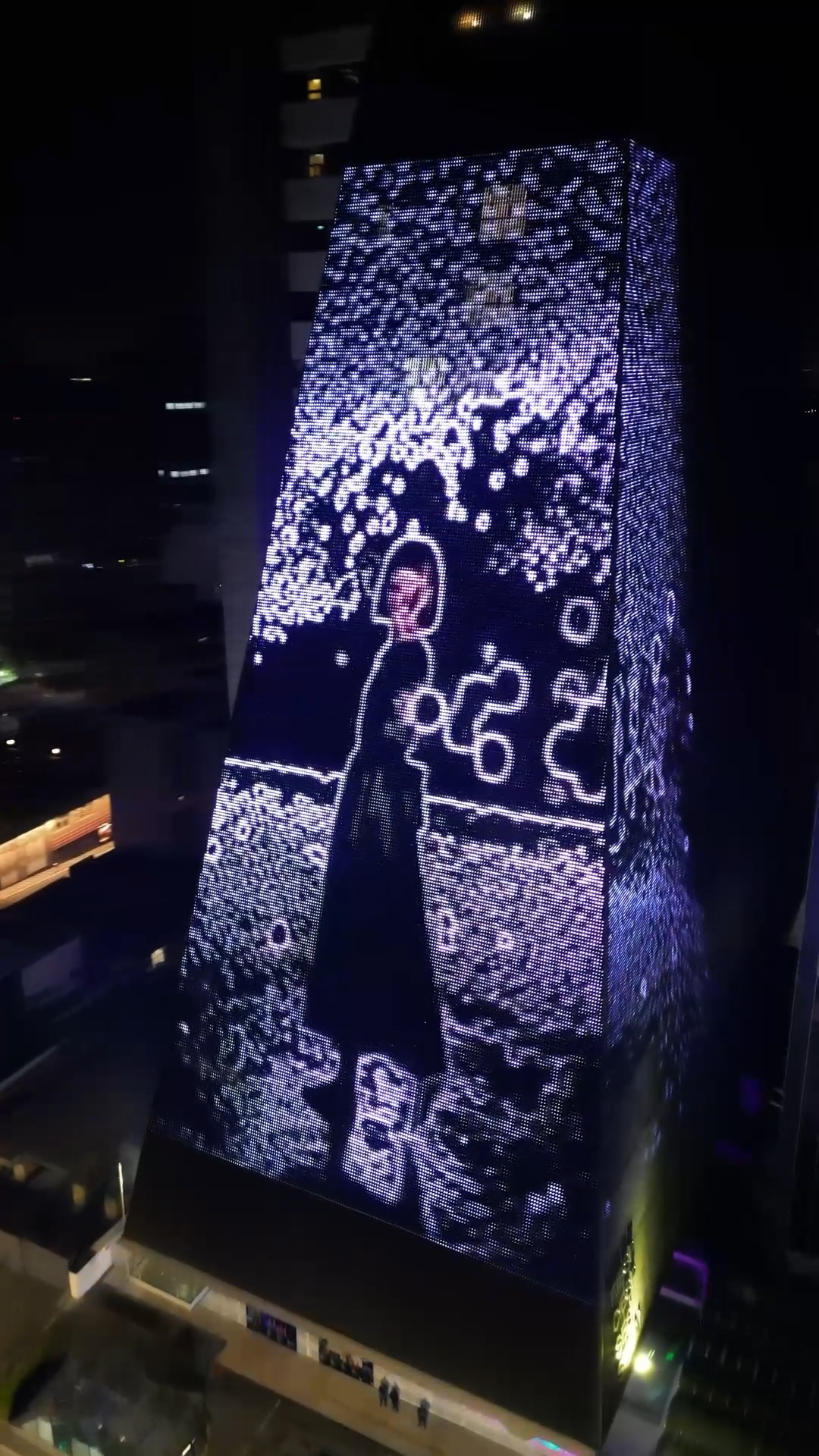
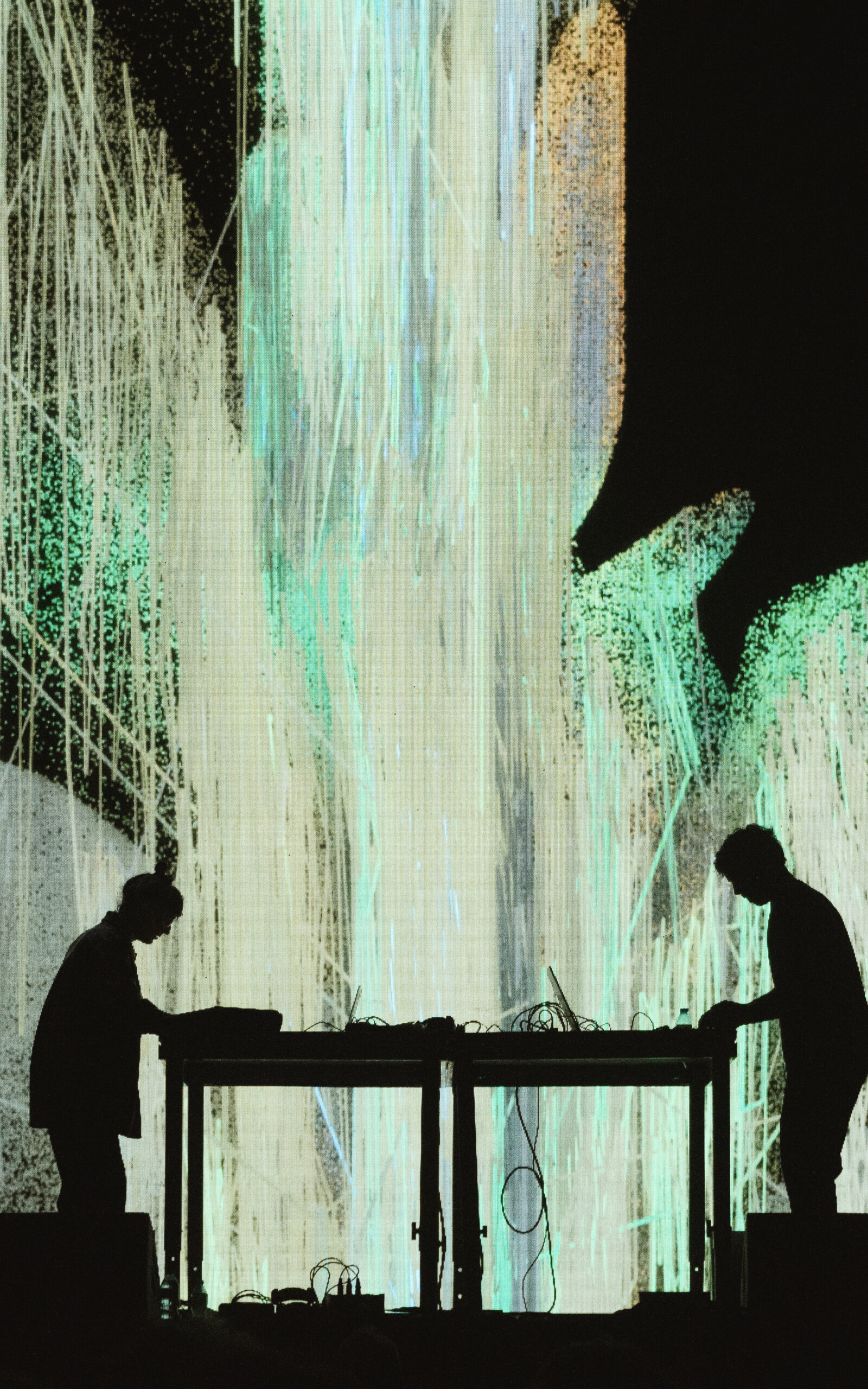
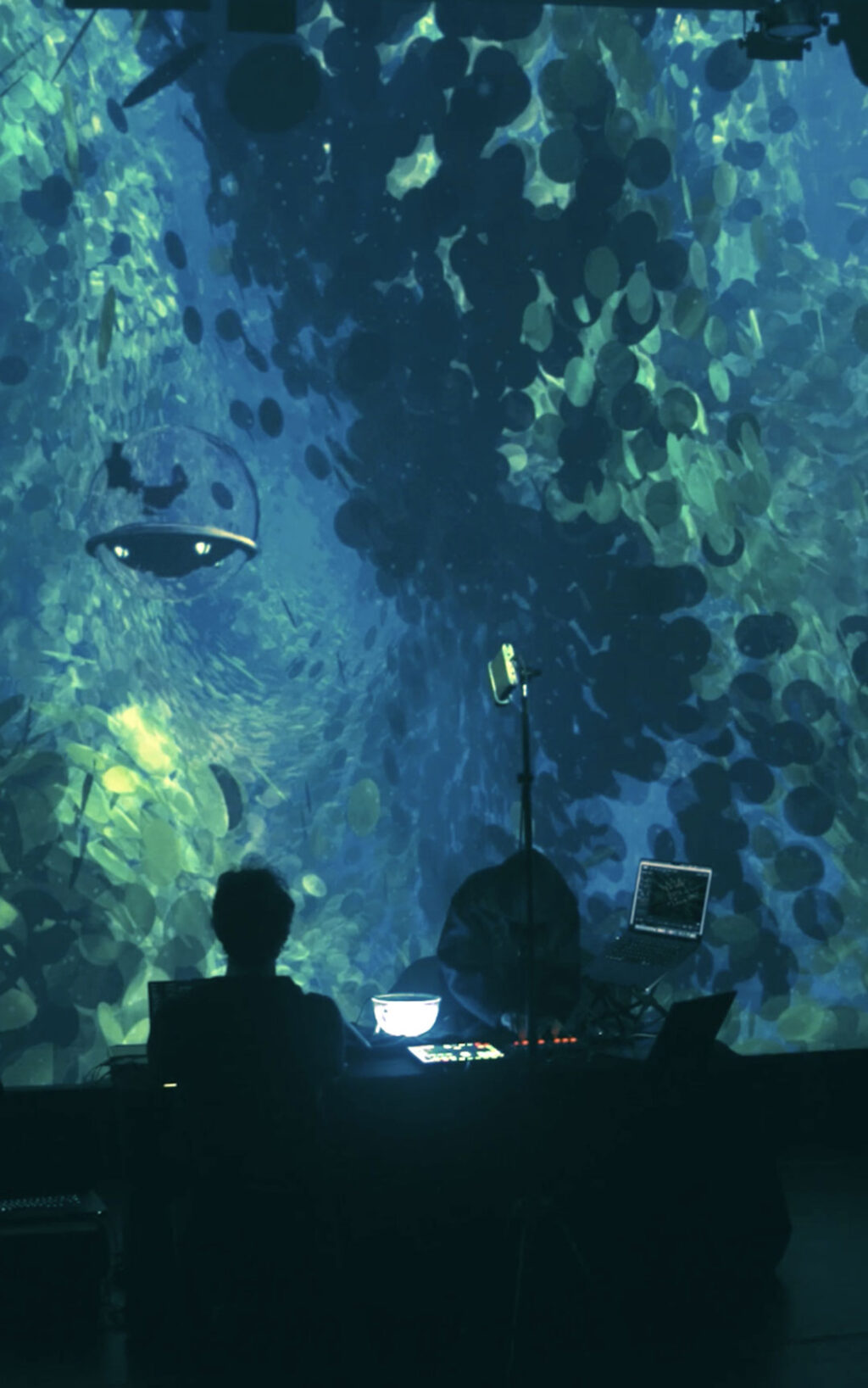
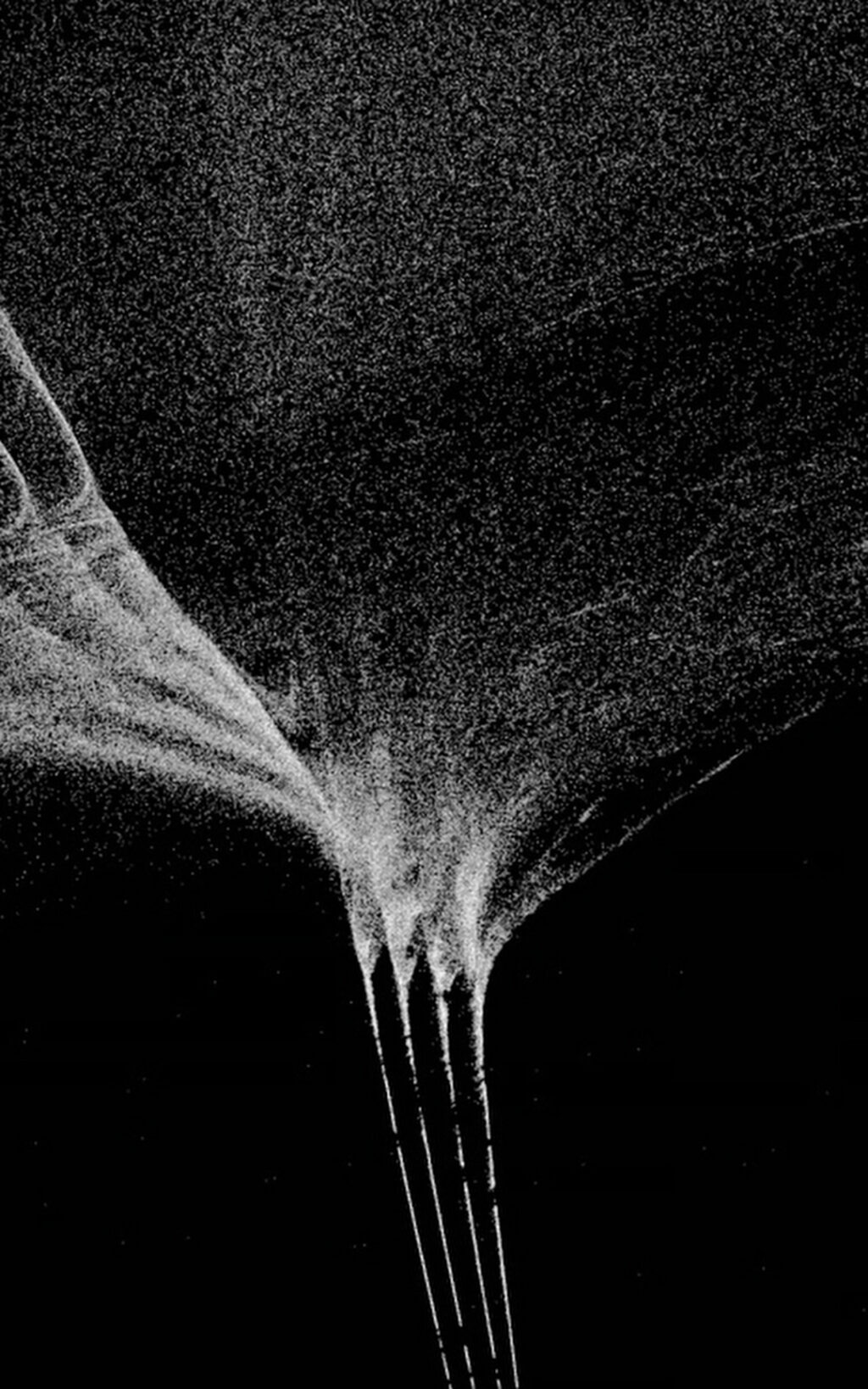
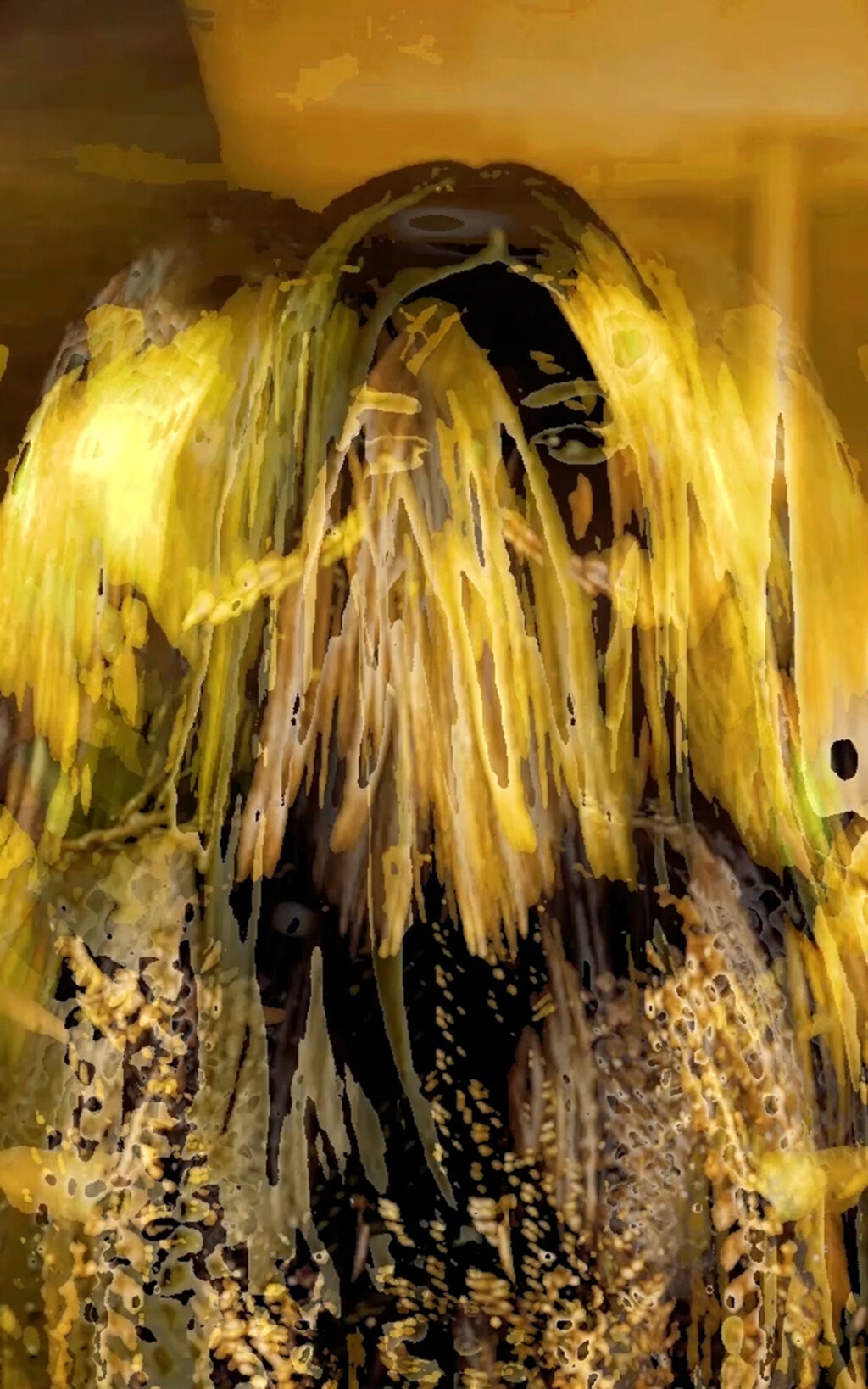
A collaboration between Max Cooper and Yoshi Sodeoka, Spike pairs polyrhythmic electronic sound with generative visuals inspired by reaction-diffusion systems. Abstract, organism-like forms emerge, mutate, and self-organize through feedback processes, moving between control and unpredictability. The work explores growth, transformation, and the dynamics of evolving systems.

BIO

Yoshi Sodeoka is a New York-based artist working across video, animation, and sound. His practice explores generative systems, video feedback, and diagrammatic visual languages. Drawing from nature, mathematics, and computation, his work examines evolving structures and perceptual experience through immersive installations and moving image. Music by Max Cooper.

Seohyo – Tidal Tessellation – South Korea

TIDAL TESSELLATION

Seohyo


FILE SÃO PAULO 2026: Inter-creativity – Art and Technology – Randomic Dimension
Electronic Language International Festival


Tidal Tessellation – South Korea

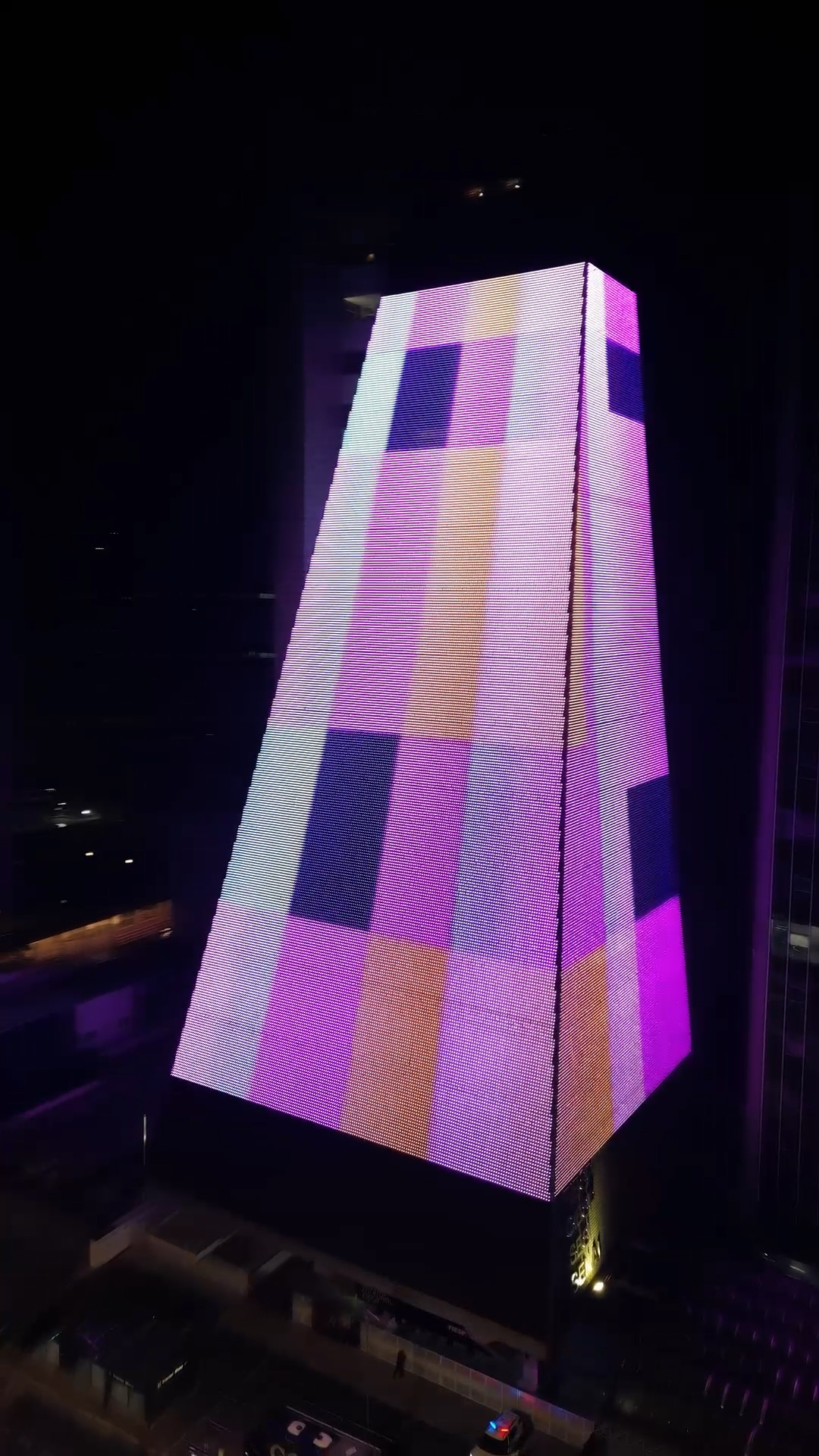
Tidal Tessellation is a generative animation reinterpreting urban flow as fluid movement. The artist projects the energy of city crowds onto the ebb and flow of tides. Using Perlin noise, geometric grids deform according to organic rules, overlaying natural rhythms onto rigid architecture. This work transforms static LED screens into breathing canvases where natural order permeates everyday life, harmonizing the city’s pulse with algorithmic vitality.

BIO

Seohyo  is a generative artist and educator exploring the intersection of algorithmic order and randomness. She expands public art by utilizing urban LED screens as canvases for code-based abstractions. Rather than focusing on static outputs, she emphasizes the generative process to let art naturally permeate everyday life, capturing the living pulses of the city through data and logic.

Scott Draves – The Electric Sheep – United States

THE ELECTRIC SHEEP

Scott Draves


FILE SÃO PAULO 2026: Inter-creativity – Art and Technology – Randomic Dimension
Electronic Language International Festival


The Electric Sheep – United States

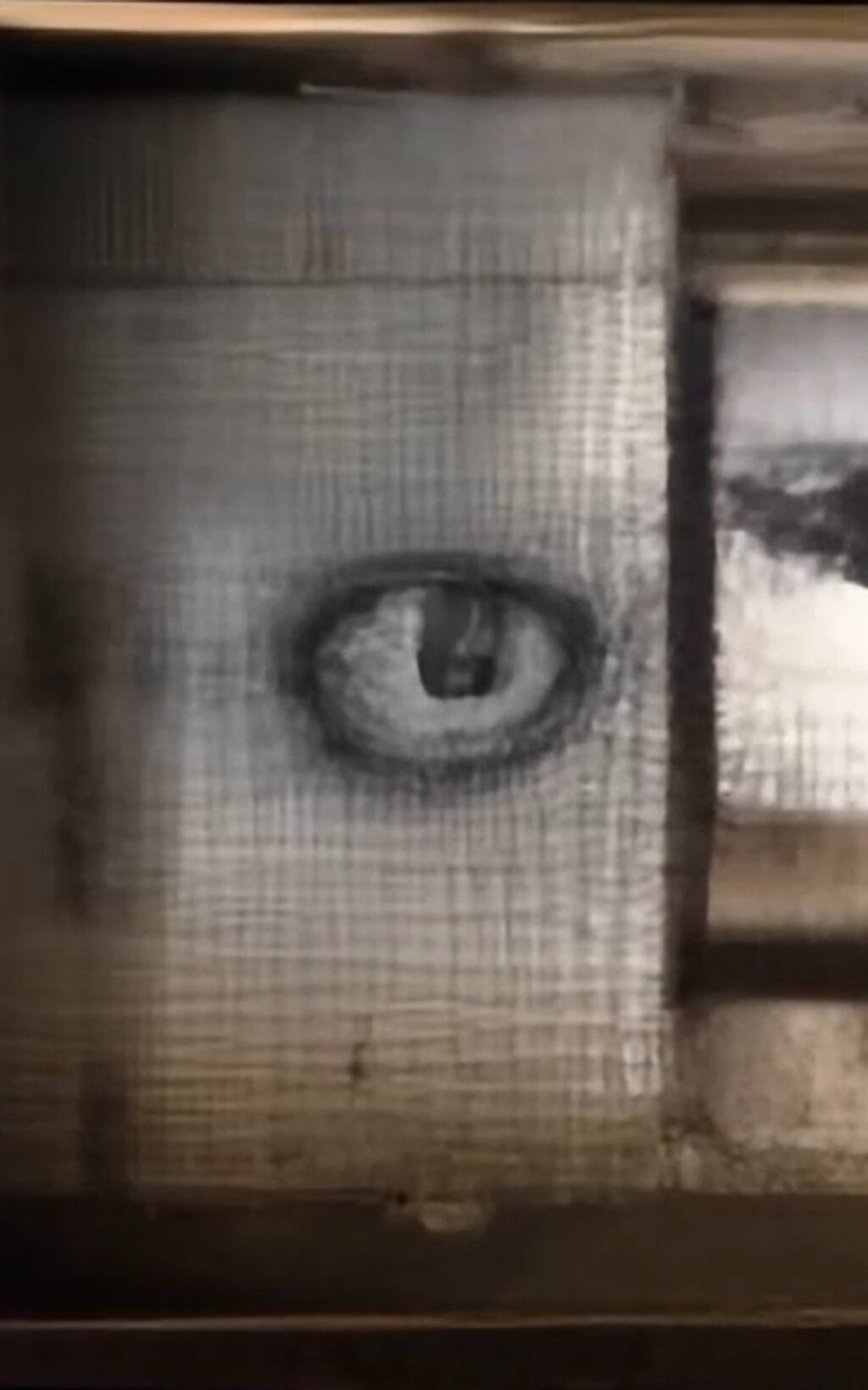
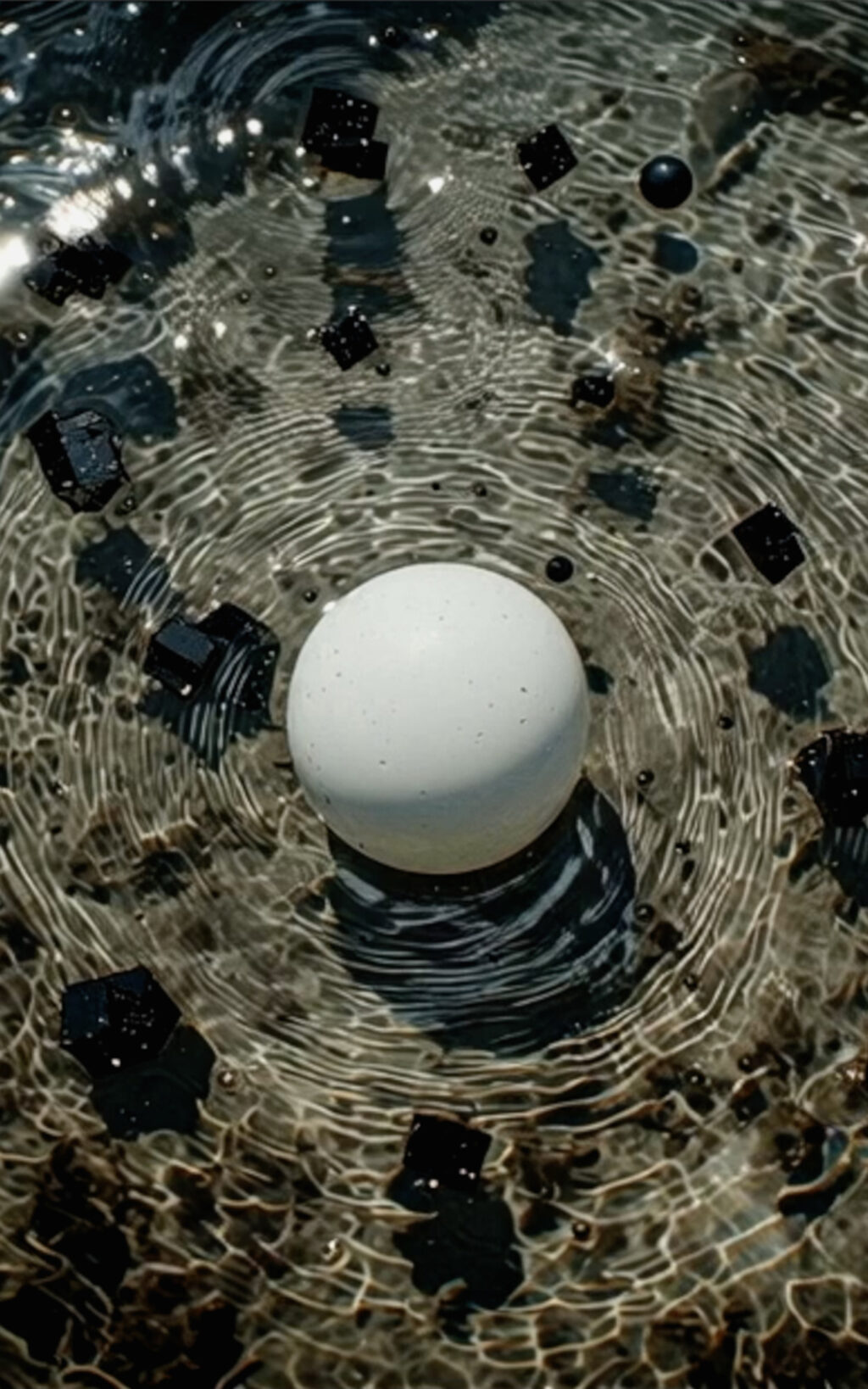
The Electric Sheep is a collective intelligence and infinite animation that started over 25 years ago. It’s based on a mathematical language invented by Draves and released as open source. Human artists and AI collaborate on designing the “Sheep” with this language. It runs as a screensaver on thousands of computers all over the world, and based on how the audience interacts, the AI learns to please its human audience. The AI, the artists, and the audience work together to create the experience.
BIO

Draves’ work was shown at LACMA, MoMA.org, Prix Ars Electronica, ZKM, and has been collected by the 21c Museum Hotel, Google, the Simons Center for Geometry and Physics, and the Allen Institute for AI. Draves’ Bomb was one of the first interactive software artworks (1994). His Fuse algorithm (1991) is the first image2image model and is known as “where the history of AI-art-as-we-know-it begins”.

Raven Kwok – Zero One – China

ZERO ONE

Raven Kwok


FILE SÃO PAULO 2026: Inter-creativity – Art and Technology – Randomic Dimension
Electronic Language International Festival


Zero One – China

Zero One consists of multiple interconnected generative systems, each with its own characteristics, but collectively inheriting the central concept of an evolving elementary cellular automaton. All visual elements are programmed and generated using Processing. A few minor edits are made during composition

BIO

Raven Kwok (aka Guo, Ruiwen) is a visual artist and creative technologist. His artistic and research interest mainly focus on exploring generative visual aesthetics brought by computer algorithms and software processes.
Mike Gao is a music producer and technologist from Los Angeles. His style is futuristic and innovative, always trying to push the conventions of Hip Hop, the beat scene, and bass music in the pursuit of his next aesthetic, while ironically playing with idioms and conventions.

mole^3 – Reincarnation – Japan

REINCARNATION

mole^3


FILE SÃO PAULO 2026: Inter-creativity – Art and Technology – Randomic Dimension
Electronic Language International Festival


Reincarnation – Japan

Forms constructed from the same number of vertices gradually transform into multiple configurations, eventually returning to their original state. Each transition reveals a continuous process of transformation, where structure persists through change. Identity emerges here as something unfixed—capable of becoming many forms, yet remaining fundamentally one.

BIO

mole^3 (mole cubed) is a Japanese printmaker and visual artist who creates algorithm-based moving-image works and woodblock prints. Her practice explores the translation of the structural logic and bodily, tactile sensibilities of printmaking into code, as well as the inverse process of materializing code-based generation into physical forms.

mole^3 – Changes, Cycles, and Emergent Shapes – Japan

CHANGES, CYCLES, AND EMERGENT SHAPES

mole^3


FILE SÃO PAULO 2026: Inter-creativity – Art and Technology – Randomic Dimension
Electronic Language International Festival


Changes, Cycles, and Emergent Shapes – Japan

Generated from the same system, these sequences explore the space between images through cycles of four visual states. Instead of depicting each moment, the work accumulates traces, allowing forms to emerge as trajectories of transformation. The image is not fixed, but formed through overlapping states, where unexpected shapes emerge. What appears before your eyes is not simply present, but an illusion emerging from accumulated transformations.

mole^3 – Atomic-Color Automatism – Japan

ATOMIC-COLOR AUTOMATISM

mole^3


FILE SÃO PAULO 2026: Inter-creativity – Art and Technology – Randomic Dimension
Electronic Language International Festival


Atomic-Color Automatism – Japan

This work attempts to relinquish control. The canvas is irregularly divided, and randomly selected colors are layered as thin strata, treated as minimal units of color. Each layer behaves like an independent entity, moving across fragments of the division. The algorithm consists only of simple division and movement, with all variables entrusted to randomness. The resulting image is a process emerging from this seemingly accidental system.

Kazuhiro Tanimoto – Sea of code – Japan

SEA OF CODE

Kazuhiro Tanimoto


FILE SÃO PAULO 2026: Inter-creativity – Art and Technology – Randomic Dimension
Electronic Language International Festival


Sea of code – Japan

Sea of Code is a JavaScript work that generates animation and sound as a flow linking past, present, and future. Simple 8-color forms drift, expand into richer color and organic complexity, and at times reveal gaps within the flow. Inspired by Hiroshi Kawano’s idea of computer art as autonomous beauty, it uses palette-free color generation and Markov-chain melodies derived from classical music. Its title evokes a sea of code through which computer art, often marginal, is still carried forward.

BIO

Kazuhiro Tanimoto is a chemist in materials R&D and a generative audiovisual artist. He builds real-time systems that harness computation, exploring algorithmic transformation through cellular automata and processes of generation, change, and collapse tied to material and social phenomena. His work is included in Rhizome ArtBase, in Art Blocks Curated, and exhibited in New York and beyond.

Karl Sims – Seven Experiments in Procedural Animation – United States

SEVEN EXPERIMENTS IN PROCEDURAL ANIMATION

Karl Sims


FILE SÃO PAULO 2026: Inter-creativity – Art and Technology – Randomic Dimension
Electronic Language International Festival


Seven Experiments in Procedural Animation – United States

Animated textures and patterns created from custom computer code employing various fractal algorithms, procedural noise, and reaction-diffusion techniques. The moving images are purely defined by mathematics, but are meant to evoke a biological aesthetic by resembling sea creatures, neurons, or other microscopic structures that transform from one emergent pattern to another.

BIO

Digital media artist and visual effects software developer. He founded GenArts Inc., which created special effects software tools for the motion picture industry. Karl studied computer graphics at the MIT Media Lab, and Life Sciences as an undergraduate at MIT. He is the recipient of various awards including two Ars Electronica Golden Nicas, a MacArthur Genius Grant, and an Emmy Award.

Karl Sims – Primordial Dance – United States

PRIMORDIAL DANCE

Karl Sims


FILE SÃO PAULO 2026: Inter-creativity – Art and Technology – Randomic Dimension
Electronic Language International Festival


Primordial Dance – United States

Experimental animation containing a progression of abstract textures and colors. It is a study of emerging and transforming mathematical equations. These effects were created using an interactive process of “artificial evolution.” The equations, or artificial genes, of the survivors are copied, mutated, and mated by the computer to generate new offspring pictures. Finally, movements are created by performing “genetic interpolations” between these evolved images.

Kaoru Tanaka – Reborn – Japan

REBORN

Kaoru Tanaka


FILE SÃO PAULO 2026: Inter-creativity – Art and Technology – Randomic Dimension
Electronic Language International Festival


Reborn – Japan

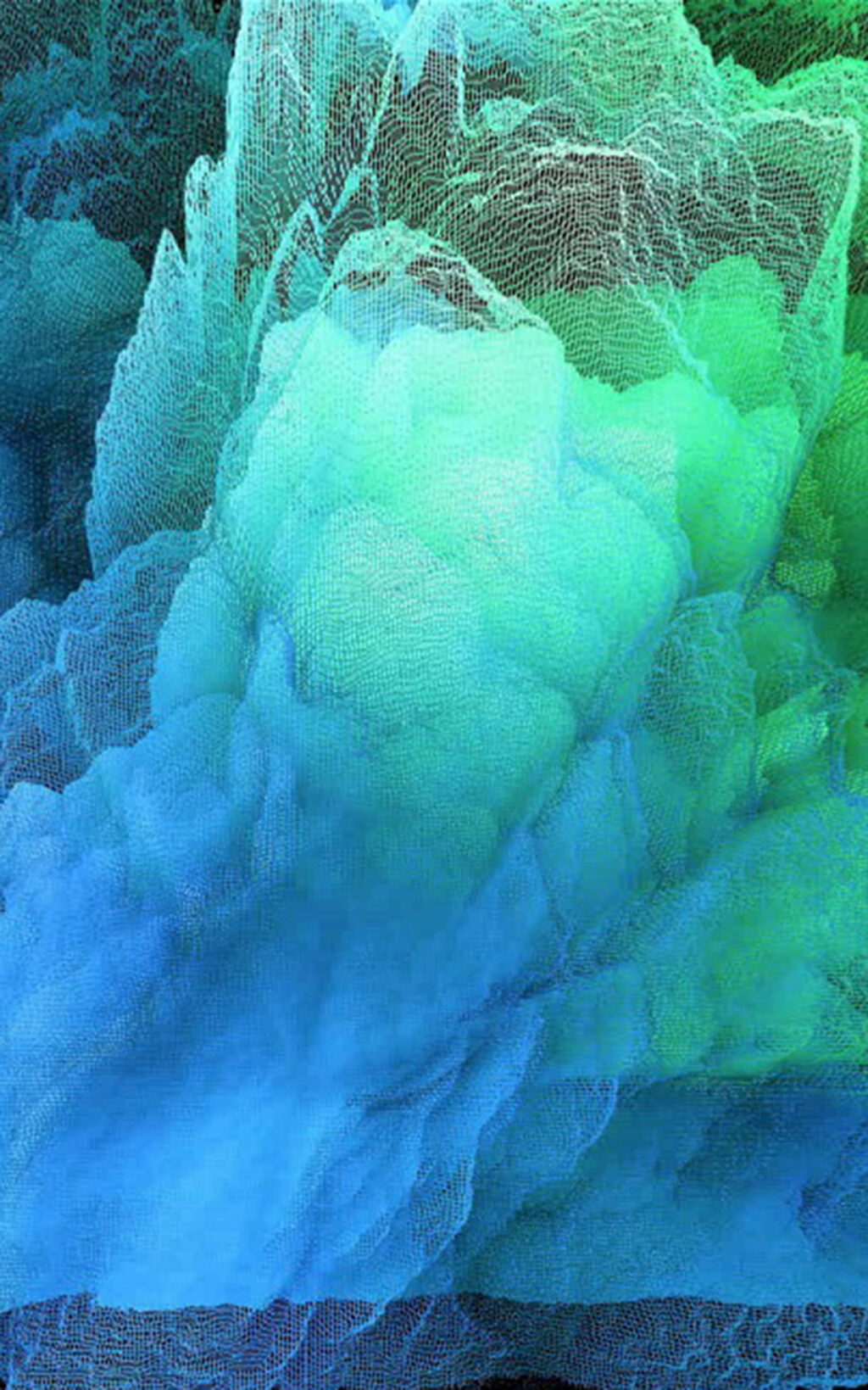
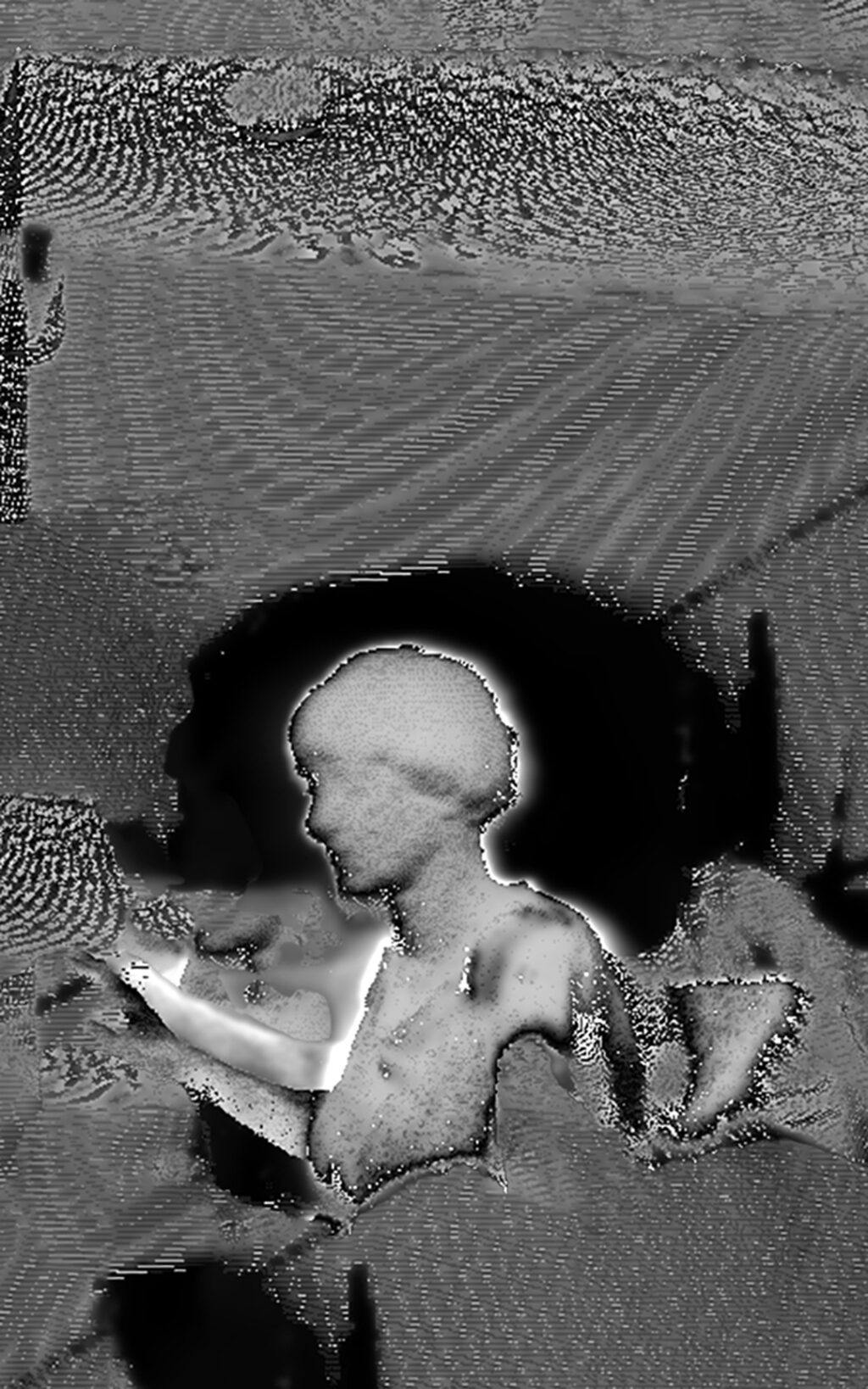
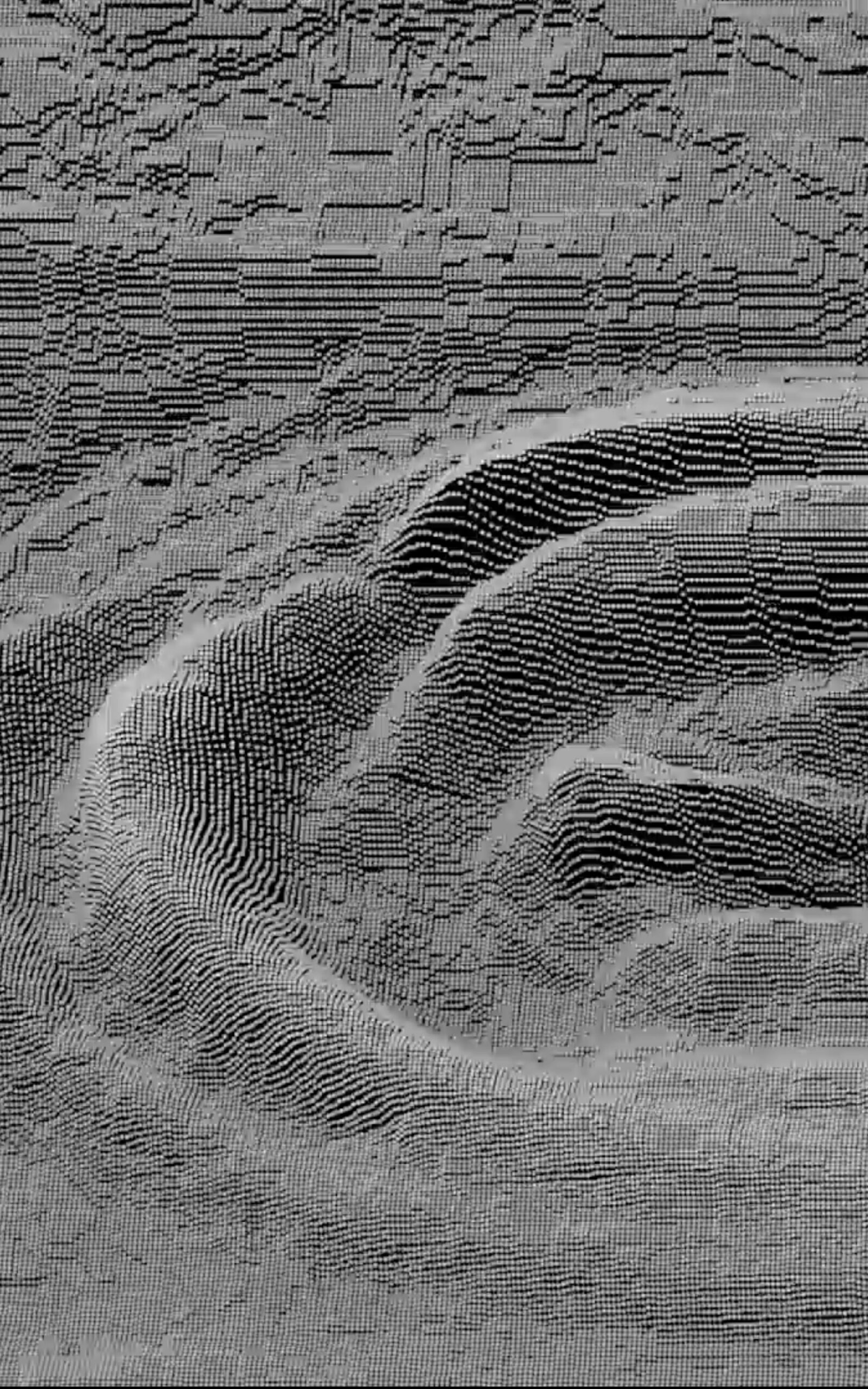
Reborn is a generative artwork created from real point cloud data. The piece depicts a playground slide, a symbolic fragment of childhood memory, continuously deconstructing and reconstructing itself in space. Fragments scatter, collapse, and reconnect over time, reflecting the unstable nature of memory and how experiences are constantly reinterpreted and given new meaning. Through transforming accumulated data into shifting structures, the work explores remembrance, perception, and reconstruction.

BIO

Kaoru Tanaka is a Japanese generative artist who creates real-time digital artworks and installations using computational processes. Inspired by nature, memory, dreams, and perception, her works explore transformation through particles, light, and evolving structures. Her works have been exhibited internationally in museums, public spaces, and digital art festivals.

Driessens & Verstappen – E-volved Formula #23 – Netherlands

E-VOLVED FORMULA #23

Driessens & Verstappen


FILE SÃO PAULO 2026: Inter-creativity – Art and Technology – Randomic Dimension
Electronic Language International Festival


E-volved Formula #23 – Netherlands

E-volved Formula #23 was “cultivated” using evolutionary software. Mathematical elements are linked together into formulas and displayed. These visualizations are evaluated, and through a process of variation and selection, each new generation adapts better to the viewer’s taste. The collaboration between a breeding machine and a human “gardener” yields results that neither could create on its own. The machine has no sense of aesthetics; for humans, the complex formulas are incomprehensible.

BIO

Driessens & Verstappen have worked together since 1990. In their generative art, they explore the significance of both physical and computer algorithms. The duo has participated in numerous exhibitions; their work is held in collections including Centre Pompidou, MoMA Frankfurt, and Boijmans Van Beuningen. They were awarded by Telefónica (Spain) and Witteveen+Bos (Netherlands).

David Young – Q(a,v,7,m,m2,d4a-21,7,16,13,31,55) – United States

Q(A,V,7,M,M2,D4A-21,7,16,13,31,55)

David Young


FILE SÃO PAULO 2026: Inter-creativity – Art and Technology – Randomic Dimension
Electronic Language International Festival


Q(a,v,7,m,m2,d4a-21,7,16,13,31,55) – United States

Q(a,v,7,m,m2,d4a-21,7,16,13,31,55) is a quantum drawing generated from actual quantum computer data—entangled qubit values and noise from decoherence, when quantum states collapse into classical reality. Custom code written to interrogate this data searches for visual patterns within quantum behavior. Rather than explaining phenomena, the work creates conditions for felt encounter—building non-mathematical intuition through direct engagement with what these machines produce.

BIO

David Young is a computational artist and researcher investigating quantum computing and AI through aesthetic rather than mathematical means. His work is held in the collections of Kunstmuseum Bonn and Kunstsammlungen Chemnitz and has been featured in Artforum. He holds an MS from MIT Media Lab. He lives and works in New York. 

Damien Looney – Troposphere – United Kingdom

TROPOSPHERE

Damien Looney


FILE SÃO PAULO 2026: Inter-creativity – Art and Technology – Randomic Dimension
Electronic Language International Festival


Troposphere – United Kingdom

A long form piece of very slowly shifting sounds and imagery.

BIO

Damien Looney is an Irish video artist creating real-time, audio-reactive animated works using analog video gear and software. He processes unique sound samples (CRT hums, number stations, defective tape) to drive visuals. His work blends flowing, watercolor-like imagery with glitchy digital decay, evoking the warped textures of old VHS tapes, broken TVs, and vintage computer screens.

Chris Barber – Confetti – United States

CONFETTI

Chris Barber


FILE SÃO PAULO 2026: Inter-creativity – Art and Technology – Randomic Dimension
Electronic Language International Festival


Confetti – United States

Confetti is a generative composition built from a swarm of random walkers, particles that move step by step in unpredictable directions, each trailing a ribbon of bright, saturated squares. Their motion is shaped by Perlin noise, a smooth, natural-feeling randomness often used to simulate organic phenomena, pairing fluid movement with crisp geometric form. With every refresh the field reorganizes itself, never repeating, never still: a celebration of color and structured chance.

BIO

Chris Barber is a generative artist working at the intersection of code and creativity. Using tools like p5.js and openFrameworks, he brings algorithms to life as dynamic, animated digital art. By combining technology, randomness, and a sharp visual sensibility, his work generates unique compositions with every refresh—known for its vibrant palettes, fluid motion, and mesmerizing patterns.

Che-Yu Wu – 240507: Reality Lens – Taiwan

240507: REALITY LENS

Che-Yu Wu


FILE SÃO PAULO 2026: Inter-creativity – Art and Technology – Randomic Dimension
Electronic Language International Festival


240507: Reality Lens – Taiwan

Real-time WebGL meditation where fifteen vortex points distort every pixel through layers of noise, angle, and time. The work makes algorithmic perception visible: there is no unmediated image—every color and edge arrives already refracted. Like liquid marble between order and chaos, it asks how mathematics becomes felt aesthetics, and whether any perception of “the real” is not itself a lens of computation.

BIO

Founder of MonoLab, dedicated to “casting eternal life and emotion in the digital world.” His practice is staked on creating “living artworks”—emergent digital entities that develop, respond, and persist through an improvisational loop between algorithm, audience, and author. By exploring “Digital Holobionts”—co-evolving systems of humans, AI, and code—Wu cultivates semantic lifeforms as a new category of contemporary art, bridging engineering with poetic philosophy.

Casey Reas – Still Life – United States

STILL LIFE

Casey Reas


FILE SÃO PAULO 2026: Inter-creativity – Art and Technology – Randomic Dimension
Electronic Language International Festival


Still Life – United States

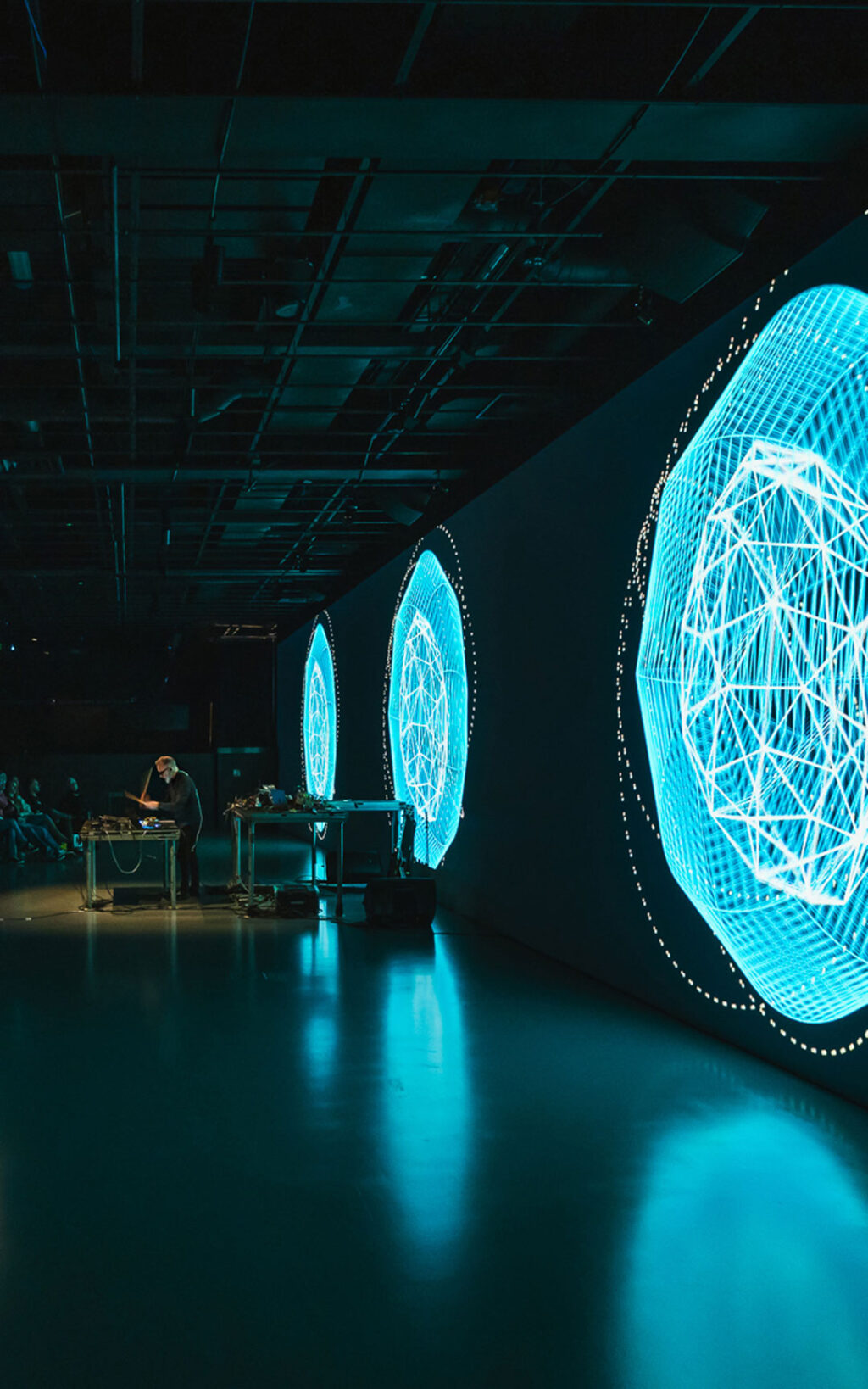
The Still Life software works (2015–2023) transpose the still-life tradition in painting into a generative, computational register. Each of the ten works generates a kinetic still life composed of one type of Platonic solid—the tetrahedron, cube, octahedron, dodecahedron, or icosahedron—realized in both RGB and HSB color systems. Long regarded as elemental structures of matter, these logical and essential forms link antiquity’s metaphysical geometry to the pragmatic origins of computer graphics.

BIO

Casey Reas is an artist and educator based in Los Angeles. His work spans software, prints, drawings, and installations that explore the relationship between computational systems and contemporary visual culture. Reas co-founded Processing (2001), the Processing Foundation (2012), and Feral File (2020). He is a professor in UCLA’s Department of Design Media Arts.

Casey Reas – MicroImage – United States

MICROIMAGE

Casey Reas


FILE SÃO PAULO 2026: Inter-creativity – Art and Technology – Randomic Dimension
Electronic Language International Festival


MicroImage – United States

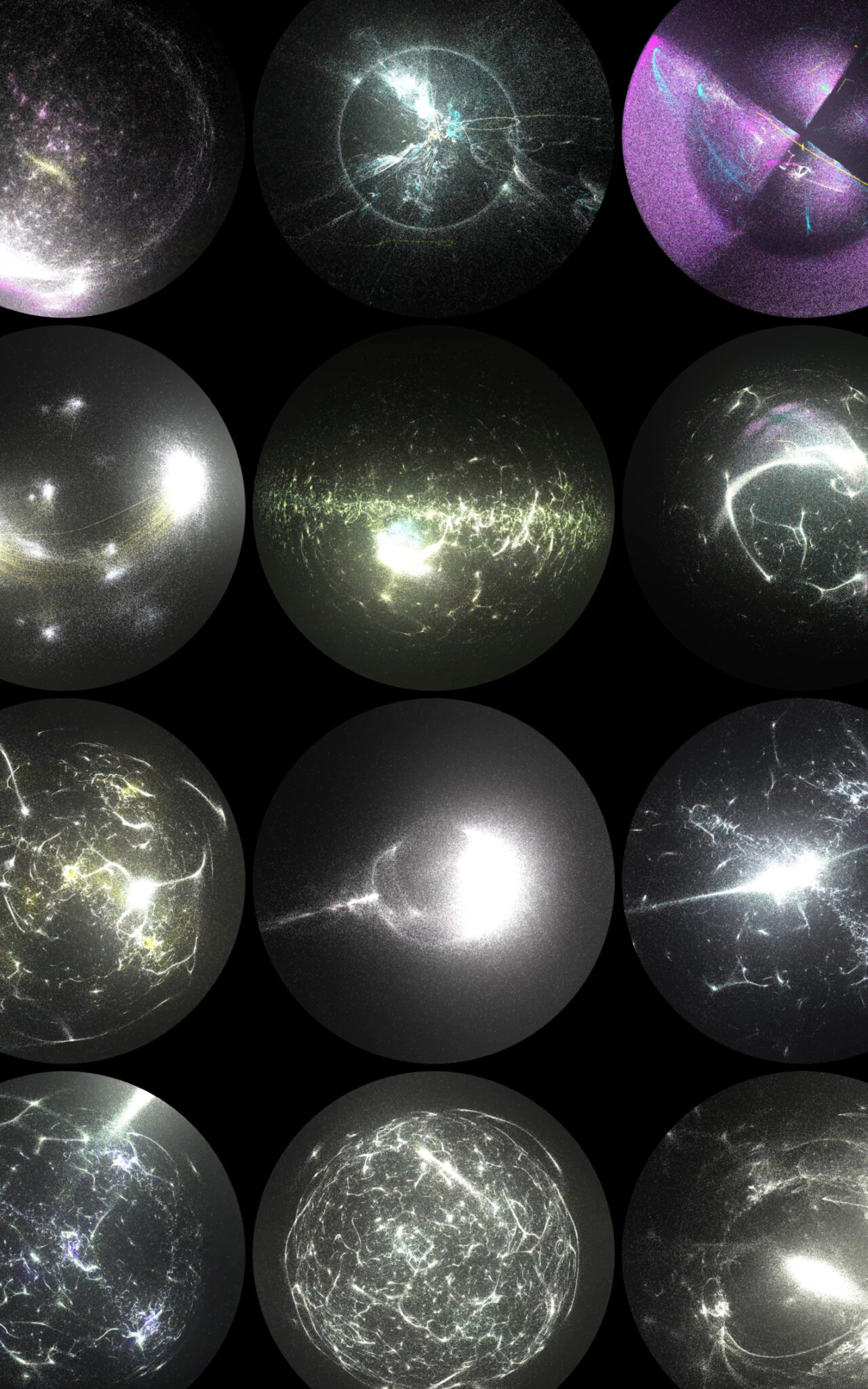
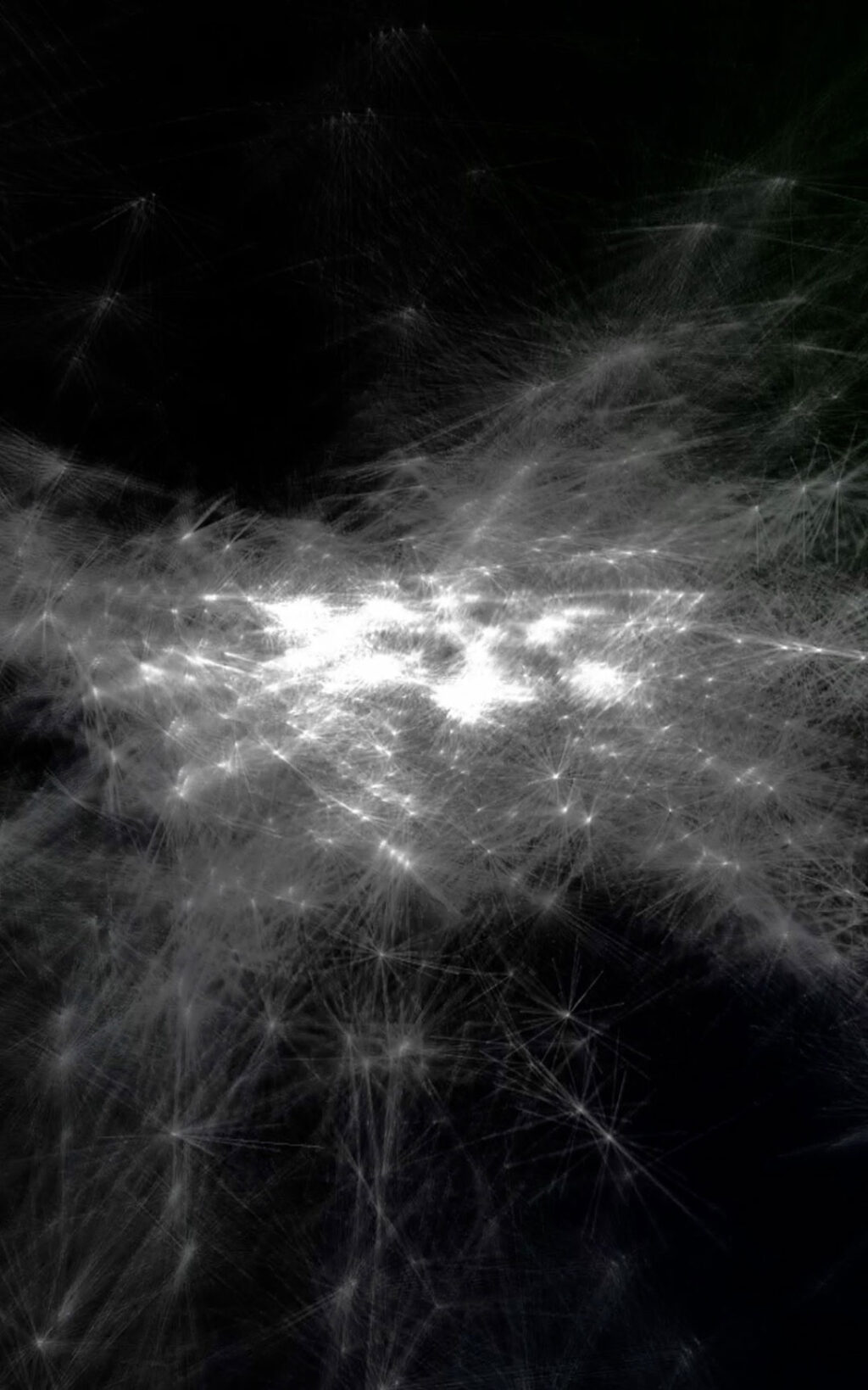
The MicroImage (2003–2008) software consists of machines interacting in real time to create ever-changing surfaces, scaling the system until the surface becomes a dense field. As thousands of lines accumulate, new formations emerge: clusters, swarms, and textures that oscillate between microscopic and cosmic registers. The resulting images suggest natural systems without representing them directly—visualizations of behavior rather than depictions of form.

Brandon Eversole – Strange Projectors #448 Dreaming – United States

STRANGE PROJECTORS #448 DREAMING

Brandon Eversole


FILE SÃO PAULO 2026: Inter-creativity – Art and Technology – Randomic Dimension
Electronic Language International Festival


Strange Projectors #448 Dreaming – United States

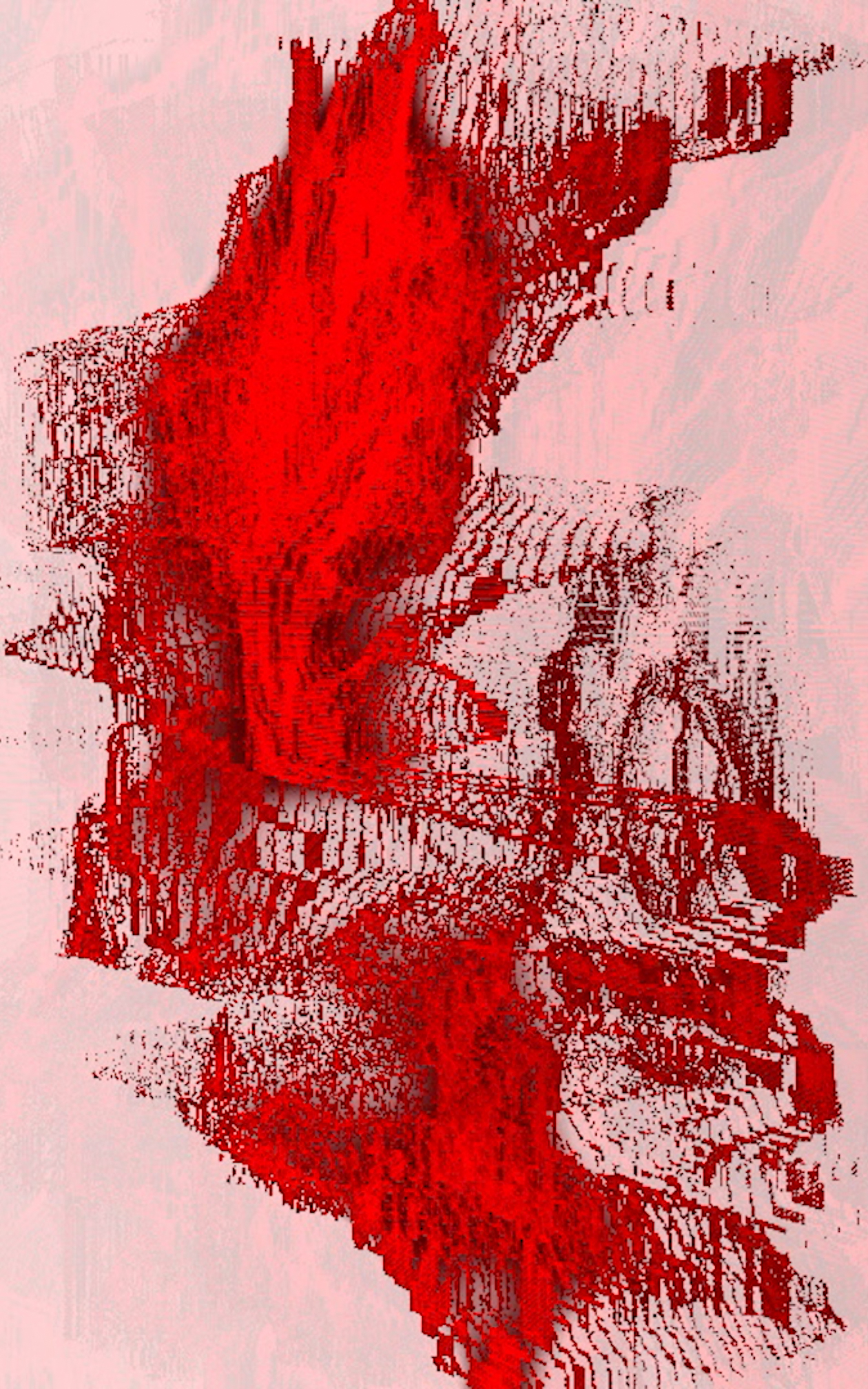
Video is treated as a physical material. Frames are stacked and remapped into volumetric space, allowing time to be cut into and reshaped. Dreaming introduces a fluid, current-like motion in which forms move through a stream of images. Recorded footage is transformed into spatial structures that exist between moments.

BIO

Brandon Eversole is a visual artist based in San Francisco, working with moving images, treating time as something that can be shaped. He stacks frames, remaps footage into volumetric space, and cuts through time to shape moving images as form. His work has been exhibited on the Salesforce Tower in San Francisco and presented internationally through exhibitions and collaborative projects.

Ayumu Nagamatsu – ACW SunaoSystem – Japan

ACW SUNAOSYSTEM

Ayumu Nagamatsu


FILE SÃO PAULO 2026: Inter-creativity – Art and Technology – Randomic Dimension
Electronic Language International Festival


ACW SunaoSystem – Japan

This work uses a sound file within a custom audiovisual system to generate and record visuals. Instead of CG software, all forms are produced in C/C++ with openFrameworks. The program detects audio attacks and autonomously changes scenes, effects, and parameters. Drawing on early CG methods such as randomness, coordinate transforms, continuous mappings, and fractals, it creates real-time images that are both geometric and photorealistic. The source code is fully open online.

BIO

Studied art history before moving into app development and generative art. He studied at Keio University, Japan, Kunstuniversität Linz, Austria, and in 2018 completed an MA in Media Art at IAMAS, Japan. His work, inspired by Generative Art and Visual Music, combines computational geometry with sound, video, interaction, and real-time environments.

Anna Carreras – Arrels #64 – Spain

ARRELS #64

Anna Carreras


FILE SÃO PAULO 2026: Inter-creativity – Art and Technology – Randomic Dimension
Electronic Language International Festival


Arrels #64 – Spain

Arrels has a strong relationship to the Spanish landscape, connecting drawing, code, and repetitive loops to the environment through a cycle of growth and decay.

With nature as its inspiration, it becomes a carefully choreographed generative animation. In Arrels, growing roots in the colors of earth and sky collide in a vibrant dance. New growth in the arid soil overtakes the old, and the cycle continues.

BIO

Anna Carreras is a generative artist focusing her work on the use of algorithms to create visuals that depict generic concepts, foster memories, and evoke new discussions.

Working from scratch, she codes “dumb” minimal procedural systems that explore the intrinsic characteristics of the medium, showing how simple rules can produce complex, unexpected, beautiful results that question our understanding of technology, life, and relationships.

Studio Lifeforms – Planet Garden – United States

PLANET GARDEN

Studio Lifeforms


FILE SÃO PAULO 2026: Inter-creativity – Art and Technology – Games
Electronic Language International Festival


Planet Garden – United States

Planet Garden is a real-time interactive world exploring the convergence of artificial intelligence, ecology, and planetary imagination. The project invites visitors into a speculative environment where technology becomes a medium for sensing, caring for, and rethinking the Earth as a living system.

BIO

Studio Lifeforms is a Los Angeles-based studio founded by Damjan Jovanovic and Lidija Kljakovic. Working across games, simulation, architecture, and moving image, the studio creates speculative worlds that explore the relationship between technology, ecology, artificial intelligence, and new forms of spatial imagination.

Kepler Interactive – Bionic Bay – United Kingdom

BIONIC BAY

Kepler Interactive


FILE SÃO PAULO 2026: Inter-creativity – Art and Technology – Games
Electronic Language International Festival


Bionic Bay – United Kingdom

A scientist uses a unique teleportation instrument to escape an ancient biomechanical world filled with imaginative technology, deadly traps, and hidden secrets.

BIO

The art and design of Bionic Bay was led by Finnish solo developer Juhana Myllys, whose previous projects as an artist and a designer includes indie hits Badland and Badland 2. The technical side was developed by Psychoflow Studio.

Game Bakers – Cairn – France

CAIRN

Game Bakers


FILE SÃO PAULO 2026: Inter-creativity – Art and Technology – Games
Electronic Language International Festival


Cairn – France

Reach an unexplored summit in this climbing and survival game from the creators of Furi and Haven. Plan your route and climb wherever you choose, carefully managing pitons and resources to survive the unforgiving Mount Kami. Discover what Aava is willing to sacrifice to complete the greatest ascent of her life. 

BIO

Independent game studio dedicated to creating memorable games that make players feel alive and energized. They approach game development the same way they approach cooking: with a lot of heart, unique recipes, and a passion that shines through in every project. The studio focuses on developing original creations and self-publishes its own titles.

Jiabao Li & Botao Amber Hu – EchoVision – China

ECHOVISION

Jiabao Li & Botao Amber Hu


FILE SÃO PAULO 2026: Inter-creativity – Art and Technology – Augmented Realities
Electronic Language International Festival


EchoVision – China

What is it like to be a bat? EchoVision is a mixed reality art experience that simulates echolocation, immersing participants in the perceptual world of bats. Exhibited in a natural habitat, it shows mixed reality’s potential to foster empathy for non-human species. The work explores eco-phenomenological mixed reality, opening paths for ecological education and more-than-human perspectives through embodiment.

BIO

Botao “Amber” Hu is a social computing researcher and experiential futures designer. He creates projects using social mixed reality and directs the Reality Design Lab, exploring soma, speculative design, and spatial computing.

Jiabao Li is an artist and Associate Professor at Northeastern University. Formerly at UT Austin and Stanford, she creates works on climate, interspecies co-creation, and perception using AR/VR, wearables, robots, performance, and installations.

Lawrence Kudria – To know you by Hand – Belgium / Ukraine

TO KNOW YOU BY HAND

Lawrence Kudria


FILE SÃO PAULO 2026: Inter-creativity – Art and Technology – Augmented Realities
Electronic Language International Festival


To know you by Hand – Belgium / Ukraine

To Know You by Hand is a participatory VR experience where two visitors meet only through their hands and heartbeats. In a dark virtual space, identity dissolves—no names, no faces, only movement. This silent encounter explores intimacy and trust beyond language. Strangers discover their own rhythm through gesture, uncertainty, and touch, as anonymity becomes a condition for connection rather than a barrier.

BIO

Lawrence Kudria is a Ukrainian-born media artist working at the intersection between immersive media, somatic interaction, and poetic minimalism. Through sensorium studio.lab, they create participatory installations shaped by biofeedback, touch, and co-creation, where perception becomes shared and embodied.

Isabell Bullerschen – Ipseria – Switzerland

IPSERIA

Isabell Bullerschen


FILE SÃO PAULO 2026: Inter-creativity – Art and Technology – Augmented Realities
Electronic Language International Festival


Ipseria – Switzerland

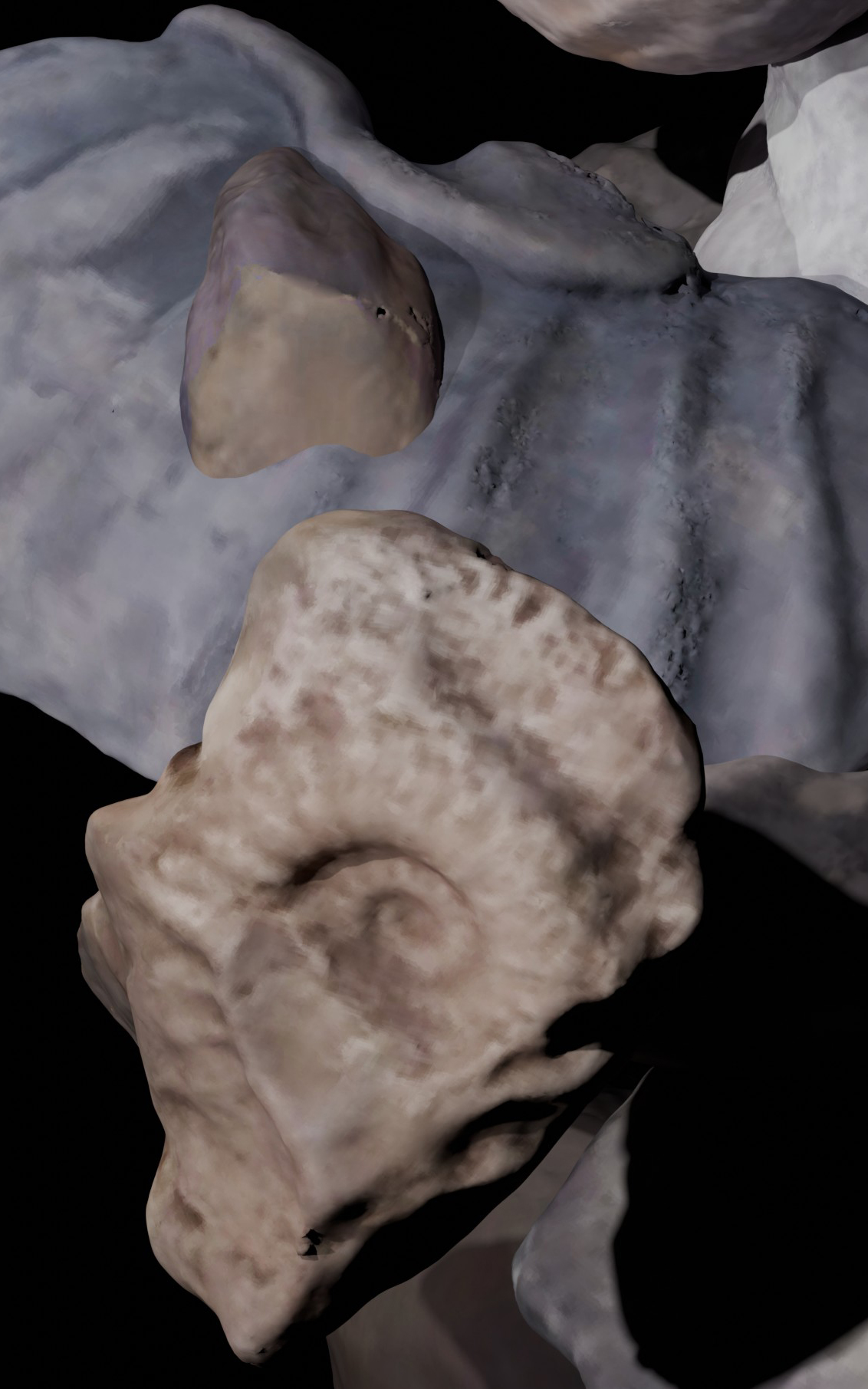
An unusual experience awaits recipients: a virtual reality with no digitally-generated content. ipseria and its virtual environment have their origin in the physical realm. Various materials like clay, plasticine and latex have been modeled, as well as organic materials, such as lichen or slime molds, have been collected and cultivated. By using 3D scanners the sculpted, collected, and grown elements were digitized, then processed in the 3D program Houdini and finally combined in the gaming software Unity to create a 360° VR experience. Hence, the virtual and physical worlds are intertwined.

BIO

Isabell Bullerschen (she/her) is interested in slimy organisms and the construction and blending of realities. Through installations and videos, she explores the potential that lies in the deconstruction and rewriting of narratives. She employs a meta-surgical method in which her work serves as a scalpel to dissect anthropocentrism. 

CREDITS

Concept/Script/Direction/Modelling/3D Scans/Production: Isabell Bullerschen

3D Animation: Florian Baumann 

Game Design: Sebastiaan Cator

Programming: Arno Justus

Sound: Aske Lyck Pedersen and Paloma López & Leslie García (interspecifics)

Voice Over: Netanya Woodard, Molly Schaad 

Flute: Chantal Dubs

Scent: Andreas Wilhelm 

Seating: Jope Schneider

Project Advisor: Roger Meier

With the support of: Swiss Art Council Pro Helvetia, Kanton Zürich Fachstelle Kultur, Stadt Zürich Kultur, Ernst Göhner Stiftung

Fun and Awe – Operator – United Arab Emirates

OPERATOR

Fun and Awe


FILE SÃO PAULO 2026: Inter-creativity – Art and Technology – Augmented Realities
Electronic Language International Festival


Operator – United Arab Emirates

OPERATOR is an XR music production tool for Apple Vision Pro. Inspired by industrial design and architectural models, it allows for an intuitive interactive experience that is closer in its mechanics to arranging the building blocks than it is to using the audio production software. The app uses the language of simple spatial interactions and moves away from the traditional flat-screen experience — each created composition exists as a sculpture integrated into a real space through the XR mode.

BIO

A studio with a diverse experience that includes artists, engineers, writers, and designers, they build applications, design interactions, and develop concepts for XR that are focused on humans and our shared experience. Our boutique-sized team, founded by designer and director Maxim Zhestkov, explores the possibilities of the XR medium independently and in collaboration with brands.

Zach Lieberman – Body Sketches – United States

BODY SKETCHES

Zach Lieberman


FILE SÃO PAULO 2026: Inter-creativity – Art and Technology – Installations
Electronic Language International Festival


Body Sketches – United States

American artist Zachary Lieberman explores the poetry of code. In this interactive installation, visitors’ movements and gestures are transformed into digital drawings generated in real time. Every interaction is unique and disappears in the same moment the spectators change position. 

Within the exhibition, the work serves as a metaphor of a personal imprint in the future. Every visitor leaves a trace that instantly changes the environment around them, becoming part of a shared story.

BIO

Zach Lieberman is a pioneer of creative coding, turning invisible forces into interactive digital poetry.

Yves Peitzner – BIOVOLT – Germany

BIOVOLT

Yves Peitzner


FILE SÃO PAULO 2026: Inter-creativity – Art and Technology – Installations
Electronic Language International Festival


BIOVOLT – Germany

BIOVOLT is an interactive light installation that explores the relationship between human interaction, technology, and electricity. The 15-meter structure, composed of LED strips, responds to touch and movement, symbolizing the connection between human energy and electrical power. Participants influence the installation through motion sensors, highlighting the synergy between human intention and technology.

BIO

Munich-based artist, creative director, and educator. His practice explores how data, human interaction, and environmental conditions take spatial form in responsive installations and sculptural environments. He works across exhibitions and spatial experiences, often collaborating with studios, brands, and cultural institutions. Using light, sound, moving image, and computational media, he creates works that explore how we perceive and experience the world.

Xenoangel – Soft waters – France / England / Serbia

SOFT WATERS

Xenoangel


FILE SÃO PAULO 2026: Inter-creativity – Art and Technology – Installations
Electronic Language International Festival


Soft waters – France / England / Serbia

Soft Waters is a real-time interactive artwork that uses the accessible language of videogames alongside eco-feminist writings in an experimental and playful way. The artwork follows the story of a water goddess on a lake in the mouth of an ancient volcano. The story is set between the moment the volcano went dormant and the afterparty of a solar punk eco-rave, sometime in the near future. The project is an exploration of non-linear time through the circulation of watery bodies.

BIO

As an artist duo Xenoangel, Marija and Sam explore new relationships between humans and non-humans. Their practice is based on world building and their work intersects disciplines such as real-time generative animation, videogames, painting, physical installation, writing, and music. 

Weidi Zhang & Rodger Luo – A Walled City – China / United States

A WALLED CITY

Weidi Zhang & Rodger Luo


FILE SÃO PAULO 2026: Inter-creativity – Art and Technology – Installations
Electronic Language International Festival


A Walled City – China / United States

A Walled City is an interactive AI installation that transforms personal and collective visual memories into a decentralized city. Grounded in the spatial logic, zoning, and aesthetics of the historical Kowloon Walled City (Hongkong), a self-built hyper-dense enclave that grew in a legal and political void from the 1950s to 1993, the work builds a multi-agent AI system to turn participant-uploaded images into architectural chambers, forming a living structure where data, memory and history converge.

BIO

Weidi Zhang is a new media artist and designer based in Los Angeles and Phoenix. She is a tenure-track Assistant Professor of Immersive Experience Design at the Media and Immersive eXperience (MIX) Center at Arizona State University.

Sophia Bulgakova – INEVITABLY BLUE – Ukraine

INEVITABLY BLUE

Sophia Bulgakova


FILE SÃO PAULO 2026: Inter-creativity – Art and Technology – Installations
Electronic Language International Festival


INEVITABLY BLUE – Ukraine

Interactive installation that invites the audience, one by one, to participate and get inside the composition of coloured light and levitative movements of the swing. The participant undergoes, losing the senses of reception, perception, and proprioception, entering a space that only consists of colour, own thoughts, projections, and imaginations.

BIO
Sophia Bulgakova (born 1997, Odesa, Ukraine) is an ArtScientist, interdisciplinary artist and activist currently based in the Netherlands. She works with art, technology, and contemporary social structures, focusing on the relationship between cultural identities, perception, and imagination. Through various sensorial inputs in her installations and performances, she engages viewers, impacting their ways of perceiving reality and exploring new possibilities beyond it.

Project Aurora – El Macroscopio – Colombia

EL MACROSCOPIO

Project Aurora


FILE SÃO PAULO 2026: Inter-creativity – Art and Technology – Installations
Electronic Language International Festival


El Macroscopio – Colombia

Using the movement of your hands, manipulate a real-time universe simulation and blur the boundaries between scales, from the astronomically large galaxies to the tiniest particles of life. Become the composer of your own visual and auditory experience, as you create a unique and unforgettable journey for yourself and those around you under the dome.

BIO
Daniel Shambo is an award-winning art director and immersive media artist blending animation, creative coding, and new media design to craft visually poetic, sensorial experiences.

Parse/error – FEATHERS – France

FEATHERS

Parse/error


FILE SÃO PAULO 2026: Inter-creativity – Art and Technology – Installations
Electronic Language International Festival


FEATHERS – France

FEATHERS is a delicate encounter between human and digital, entering into dialogue with the viewer by reacting to their hand movements, modulating shape, rhythm, and colors. A gentle and immersive sensory pause, inspired by organic movements of nature, like schools of fish, bringing to life thousands of simple shapes evolving in symbiosis. It questions the place of the individual within a collective whole, how trajectories intersect, leave a trace, and influence one another.

BIO
Parse/Error (Fabien Bouchard) explores the boundary between art, design, and technology, recreating emotions from omnipresent data flows. With a background in biology and information technology, he works at the interface between technology and human sensitivity, questioning our relationship with the digital world through immersive installations, generative art, light sculptures, and real-time data.

Non-Linear – Transmissions into the Void – India

TRANSMISSIONS INTO THE VOID

Non-Linear


FILE SÃO PAULO 2026: Inter-creativity – Art and Technology – Installations
Electronic Language International Festival


Transmissions into the Void – India

Transmissions into the Void explores the temporal nature of improvisation and the inevitable decay of information, transforming the space into an immersive sound and light machine. Influenced by science fiction and the modular design principles of modern engineering, the room becomes a dynamic interface between viewer and technology. Ultimately, the piece serves as a meditation on the temporal fragility of all information and data—whether biological, digital, or analog—and how time irreversibly erodes it.

BIO
Non-Linear is the creative project of Dennis Peter, an interaction designer and artist redefining the intersection of technology, nature, and creative expression. With a background in architecture and an ever-evolving curiosity, his work spans kinetic installations, generative art, and algorithmic music. From hacking old calculators as a child to crafting immersive, interactive experiences, Dennis continuously expands the boundaries of digital creativity.

Lepša Studio – MiMicrocosmos – Czech Republic

MIMICROCOSMOS

Lepša Studio


FILE SÃO PAULO 2026: Inter-creativity – Art and Technology – Installations
Electronic Language International Festival


MiMicrocosmos – Czech Republic

Interactive installation inspired by a world that we normally see only under a microscope. It is a physical game with a childish design that, when rotated, transforms the installation into a playful and intuitive experience.

BIO
Lepša Studio is a creative collective that brings together fine art, scenography, spatial design, and contemporary technology. The studio was founded in 2026 as a new creative project building on the team’s long-standing collaborative experience. The studio’s key principles are originality, experimentation, interdisciplinary collaboration, and a focus on site-specific work. The creators of the MiMicrocosmos installation are Josef Lepša, Jiří Rouš, Marek Volf, and Michal Vrba.

Hanna Haaslahti – ANCESTORS – Finland

ANCESTORS

Hanna Haaslahti


FILE SÃO PAULO 2026: Inter-creativity – Art and Technology – Installations
Electronic Language International Festival


ANCESTORS – Finland

ANCESTORS is an intimate and one-of-a-kind immersive experience, where you become progenitor of a virtually generated genealogy. At the heart of the experience are your descendants, connecting you and other visitors as ancestors of a unique, one-time virtual lineage.

BIO
She is an artist and director working with digital images. Her central tool is computer vision, and she explores how machines shape social relations. Her artworks generate new forms of narrative interaction between people, investigating the possibilities of human-machine-human collaboration. Her practice is inspired by scientific research on perception, vision, and machine learning/artificial intelligence, as well as by everyday observations of life in the contemporary age of technological supremacy.

Frederik Duerinck – Algorithmic Perfumery by EveryHuman – Netherlands

ALGORITHMIC PERFUMERY BY EVERYHUMAN

Frederik Duerinck


FILE SÃO PAULO 2026: Inter-creativity – Art and Technology – Installations
Electronic Language International Festival


Algorithmic Perfumery by EveryHuman – Netherlands

Algorithmic Perfumery began with a simple question: what if every human could create their own scent? Designed as an object of curiosity, the installation invites people into a dialogue with themselves. Through interaction with an AI, visitors explore memory, imagination, preference and identity, creating a unique fragrance along the way. Scent is one of our most profound senses. It shapes emotion, evokes memory, and influences us long before we become conscious of it. By combining technology and perfumery, Algorithmic Perfumery creates a space for curiosity, reflection, and self-discovery.

BIO
Amir Admoni and Fabito Rychter have collaborated for over 10 years, creating films, TV shows, and theatrical works marked by a distinctive visual style and singular storytelling. The duo has gained international recognition, earning 71 awards and presenting their work at more than 120 festivals. Gravity VR is their first joint venture into virtual reality, followed in 2021 by Lavrynthos, their second VR project.

Amir Admoni & Fabito Rychter – Gravidade VR – Brazil

GRAVIDADE VR

Amir Admoni & Fabito Rychter


FILE SÃO PAULO 2026: Inter-creativity – Art and Technology – Installations
Electronic Language International Festival


 Gravidade VR – Brazil

Gravidade VR takes place in a surreal world where everything, including the public, is constantly falling. In this universe, with no walls, horizon, or sense of up and down, there is no room for vertigo or fear. Within this setting, we meet Osório and Benedito, two brothers who have spent their entire lives in this endless fall. But, as with all things in life, this journey is about to come to an end.

BIO
Amir Admoni and Fabito Rychter have collaborated for over 10 years, creating films, TV shows, and theatrical works marked by a distinctive visual style and singular storytelling. The duo has gained international recognition, earning 71 awards and presenting their work at more than 120 festivals. Gravity VR is their first joint venture into virtual reality, followed in 2021 by Lavrynthos, their second VR project.

1024 Architecture & Vitalic – Puppet – France

PUPPET

1024 Architecture & Vitalic

FILE SÃO PAULO 2026: Inter-creativity – Art and Technology – Installations
Electronic Language International Festival


Puppet – France

Puppet is an innovative audiovisual installation that merges gaming mechanics with live music composition. At the crossroads of videogame and digital instrument, this interactive piece invites visitors to manipulate a puppet-like character that functions as a sound synthesizer. Each movement or gesture of the puppet triggers a corresponding musical element—melody, rhythm, or effect—allowing the participant to compose a track in real time. 

BIO
1024 operates at the crossroads of art and architecture, combining spatial practices, digital technologies, and visual creation. Designing architectural and digital works, 1024 orchestrates partitions of sound and light in space through computer codes.

FILE 2026 – Registration Open for Art and Technology Festival

FILE 2026

Registration is now closed for participation in  FILE – Electronic Language International Festival 2026 , one of the most important events dedicated to art and technology. FILE invites Brazilian and international artists , as well as researchers, educators, and creators , to submit original artistic works and educational proposals — lectures, workshops, and training activities — focused on contemporary technological poetics.

Applications were open until February 19, 2026 .

With 26 years of experience , FILE is a non-profit cultural organization dedicated to promoting creation, research, and experimentation in Art and Technology , bringing together artists, scientists, programmers, and thinkers around exhibitions, events, and publications. The selected projects will be part of the FILE 2026 program, scheduled to take place at the FIESP Cultural Center in São Paulo, between August 19 and October 11, 2026,  with the possibility of parallel activities in other Brazilian states.

The call welcomes proposals in a wide variety of languages ​​and formats, intended for indoor or outdoor environments , in which the aesthetic experience emerges from the encounter between interfaces, data, space, and body . FILE 2026 seeks projects that propose new forms of perception, interaction, and critical and poetic reflection , expanding the debate on the aesthetic, cultural, social, and sensory impacts of contemporary technologies.

Access the registration form.

FILE 2026 – Registration Open for Installation Festival – Art and Technology

FILE 2026

Art and Technology Festival | Installations: artistic systems, indoor  or  outdoor , in which the aesthetic experience emerges from the dynamic relationship between interface, data, environment, and body.  Digital technologies, technologies with artificial intelligence, metamaterial technologies, random technologies, sensors, algorithms, and responsive systems are employed by the artist as structural elements of the work, which is completed in the encounter between the work and the participant.

Applications were open until February 19, 2026. Access  the application form.

FILE 2026 | GENERAL REGULATIONS

FILE 2026 – Registration Open for AR, VR and XR Festival – Art and Technology

FILE 2026

Augmented and Virtual Reality Festival: brings together immersive practices in simulated three-dimensional environments and expands the perception of reality through the superimposition of digital layers onto physical space.  The works use mobile devices, glasses, and spatial interfaces to insert virtual objects, narratives, and data into the real world or transport the public to sensory and interactive digital universes. These languages ​​challenge the boundaries between the material and the informational, exploring subtle or monumental interventions, creating multidimensionality in the environment. Issues of presence, body, narrative, memory, surveillance, and technological mediation are central, configuring a fertile field of aesthetic and critical investigation into contemporary ways of inhabiting and perceiving space.

Applications were open until February 19, 2026. Access  the application form.

FILE 2026 | GENERAL REGULATIONS

FILE 2026 – Registration Open for the Digital Architecture and AI Festival – Art and Technology

FILE 2026

Digital Architecture and AI Festival :  investigates the use of computational technologies in the conception, visualization, and experience of space.  Works may involve virtual environments, simulations, digital facades, interactive architectural installations, and discrete systems. Algorithms and data become design tools. It is a practice that articulates art, architecture, and technology.

Applications were open until February 19, 2026. Access  the application form.

FILE 2026 | GENERAL REGULATIONS

FILE 2026 – Registration Open for Robotics Art Festival – Art and Technology

FILE 2026

Robotics and AI Art Festival: Mechanical, autonomous, and intelligent systems as aesthetic agents. The works explore movement, behavior, and interaction between humans and machines.  Sensors, actuators, and artificial intelligence structure the experience. These creations raise questions about autonomy, artificial life, and technological ethics. The machine becomes a palpable presence in the artistic space.

Applications were open until February 19, 2026. Access  the application form.

FILE 2026 | GENERAL REGULATIONS

FILE 2026 – Registration Open for the IA Film Festival – Art and Technology

FILE 2026

Digital Film Festival and AI Cinema: includes productions that explore new aesthetics, narratives, and processes enabled by digital and artificial intelligence technologies.  This language questions traditional notions of authorship, editing, scriptwriting, and directing, proposing new forms of expanded and computational cinema. Cinema ceases to be merely representational and becomes processual and adaptive. It is an emerging field that articulates aesthetics, technology, and critical reflection on the future of moving images and multiple narratives. The works may also explore machine learning algorithms, generative models, and automation as active agents in the construction of image, sound, and dramaturgy.

Applications were open until February 19, 2026. Access  the application form.

FILE 2026 | GENERAL REGULATIONS